
 ← PreviousOur last days in Busan
The alarm vibrates at 8 this morning to remind us it's time to stop taking it easy. The lazy days in Busan are behind us. After a headache of research, we've worked out how to get out of this gigantic city with as little difficulty as possible. To travel by public transport with bikes in Korea, you have to take intercity buses. But Busan is sprawling, so our options aren't very satisfactory. The western terminal is 22 kilometres away but with a big climb in the middle. The northern one is 24 kilometres away along major roads where cyclists have little protection. Finally, the one in Haeundae, the beach district where we were yesterday, is only 17 kilometres away with little climbing and, in theory, good cycle paths. So we go for that one.
After a quick breakfast in the room, we set off around 9:30 to face the sprawling boulevards. Busan boasts hundreds of kilometres of cycle paths, but the reality is quite different. We ride a lot on the pavement and end up taking to the road every time, even if it means blocking one of the three lanes, because sharing pavements with pedestrians is complicated. After an hour and twenty minutes of navigating, not without trouble as a whole section of the cycle path was under construction, forcing us onto big, dangerous roads, we finally land at a tiny bus station.
We run straight into the stationmaster, whose eyes widen at the sight of our rig. He's as nice as can be, asks lots of questions about our bikes and, laughing, feels Stéphane's calves. He's even kind enough to offer us coffee and fill our bottles with cold water. When the bus to Gyeongju arrives twenty minutes later, he even helps us load all our gear into the hold.
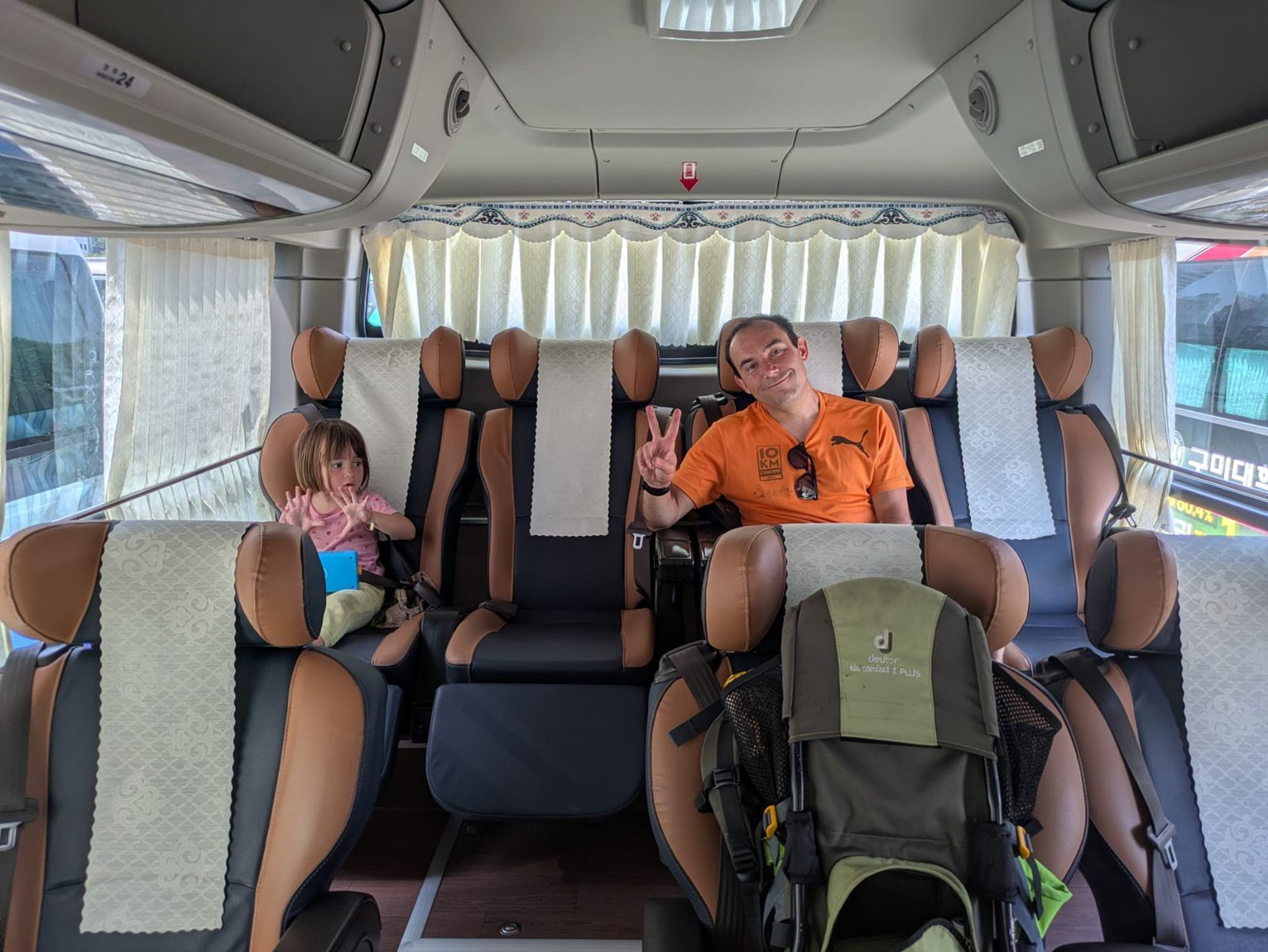
Clémence is very happy to take this kind of bus because they have curtains. If you don't quite understand the logic, rest assured we don't either. She gets on the bus, settles in and closes her curtain. It seems to give her immense satisfaction, and there's no question of opening it again for the whole journey. A good hour later we arrive in Gyeongju, a "small" city of 260,000 souls, once the capital of the ancient kingdom of Silla, which controlled most of the peninsula from the 7th to the 9th century. Many archaeological and cultural sites from that period have been preserved. Gyeongju is often described as a "museum without walls", and many of its sites are UNESCO World Heritage listed. It has become one of Korea's most popular tourist destinations, and we're surprised by the number of Westerners we pass on the way to the hotel. We hadn't seen so many since leaving Seoul almost a month ago!
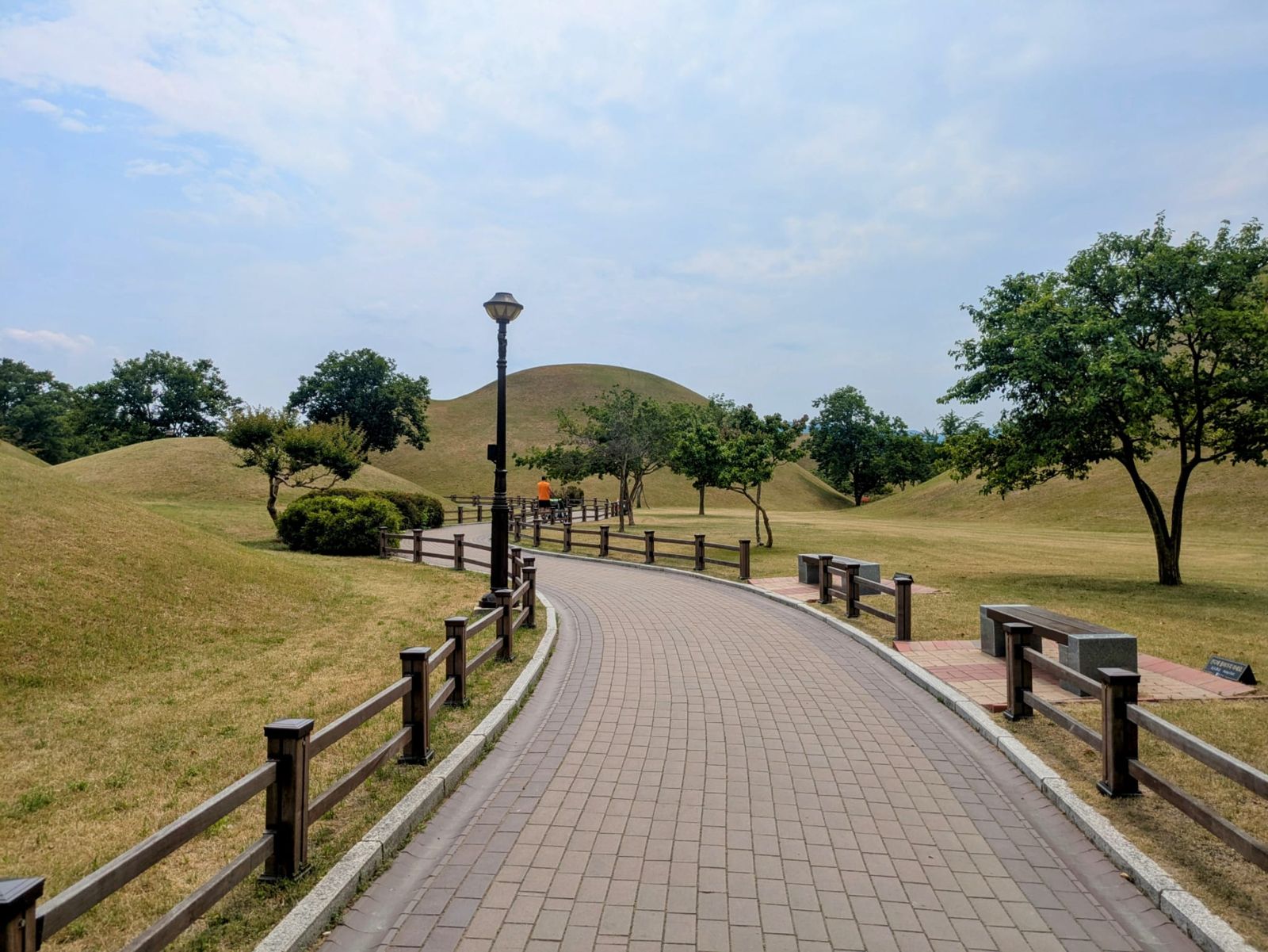
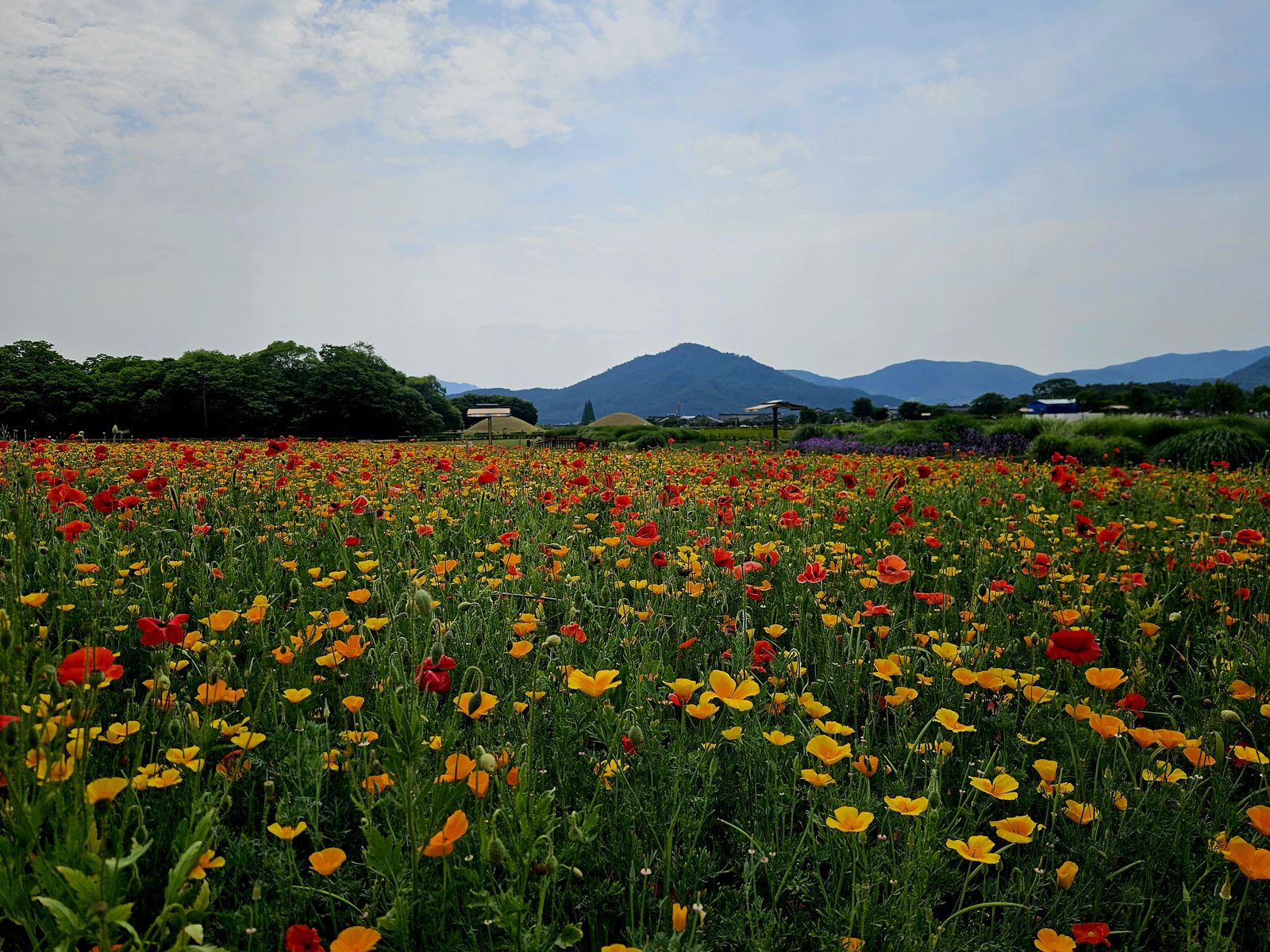
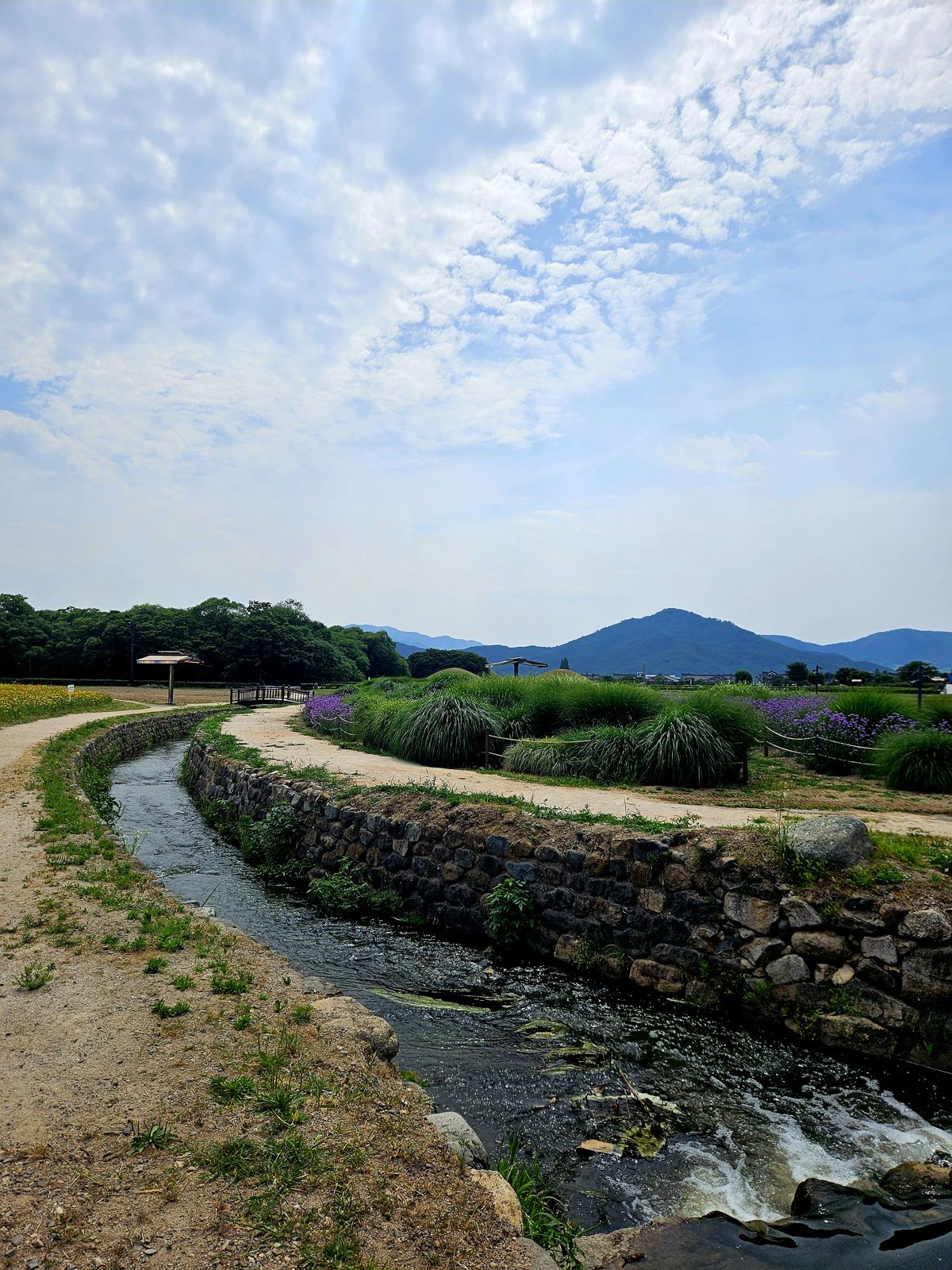
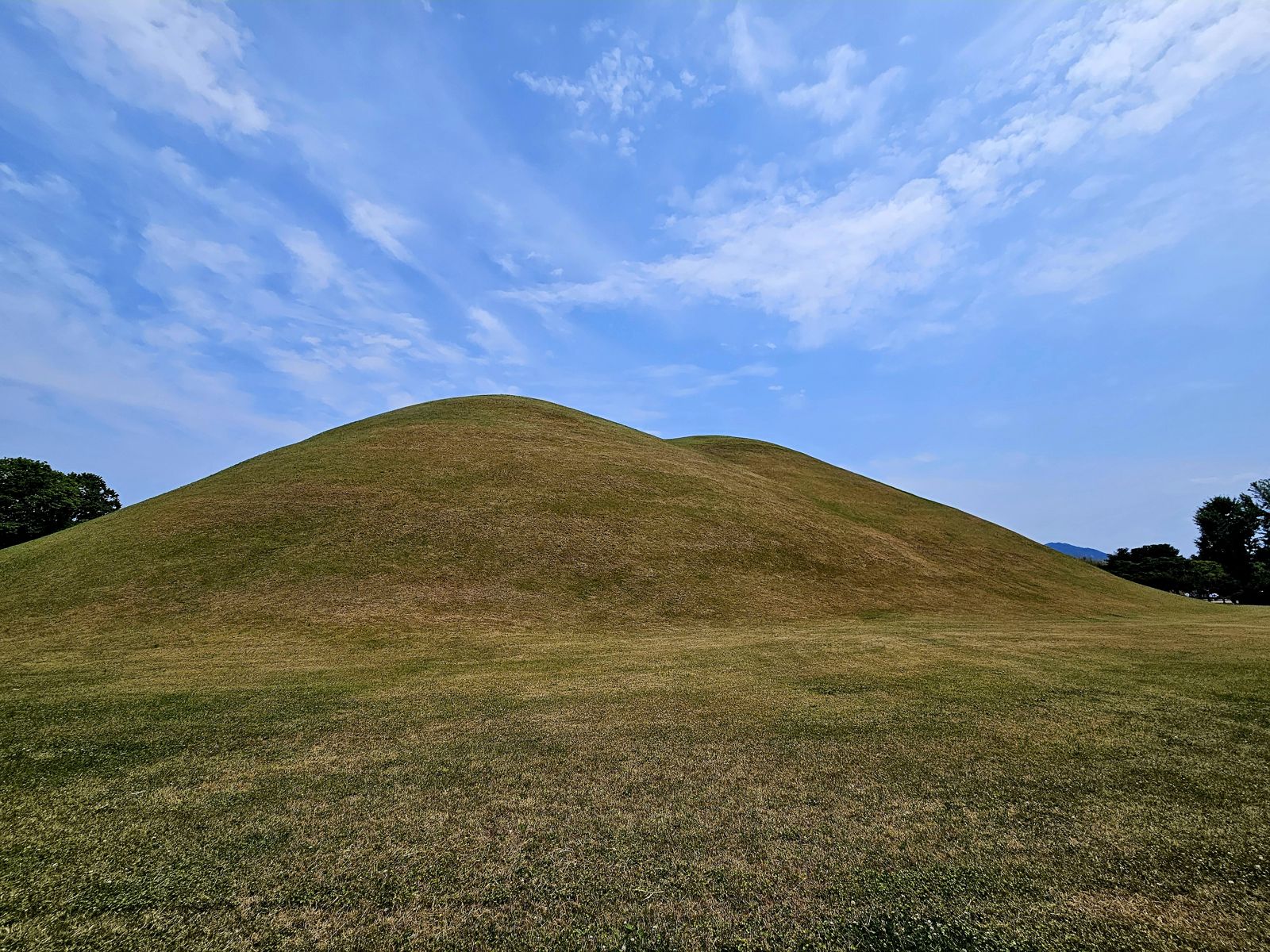
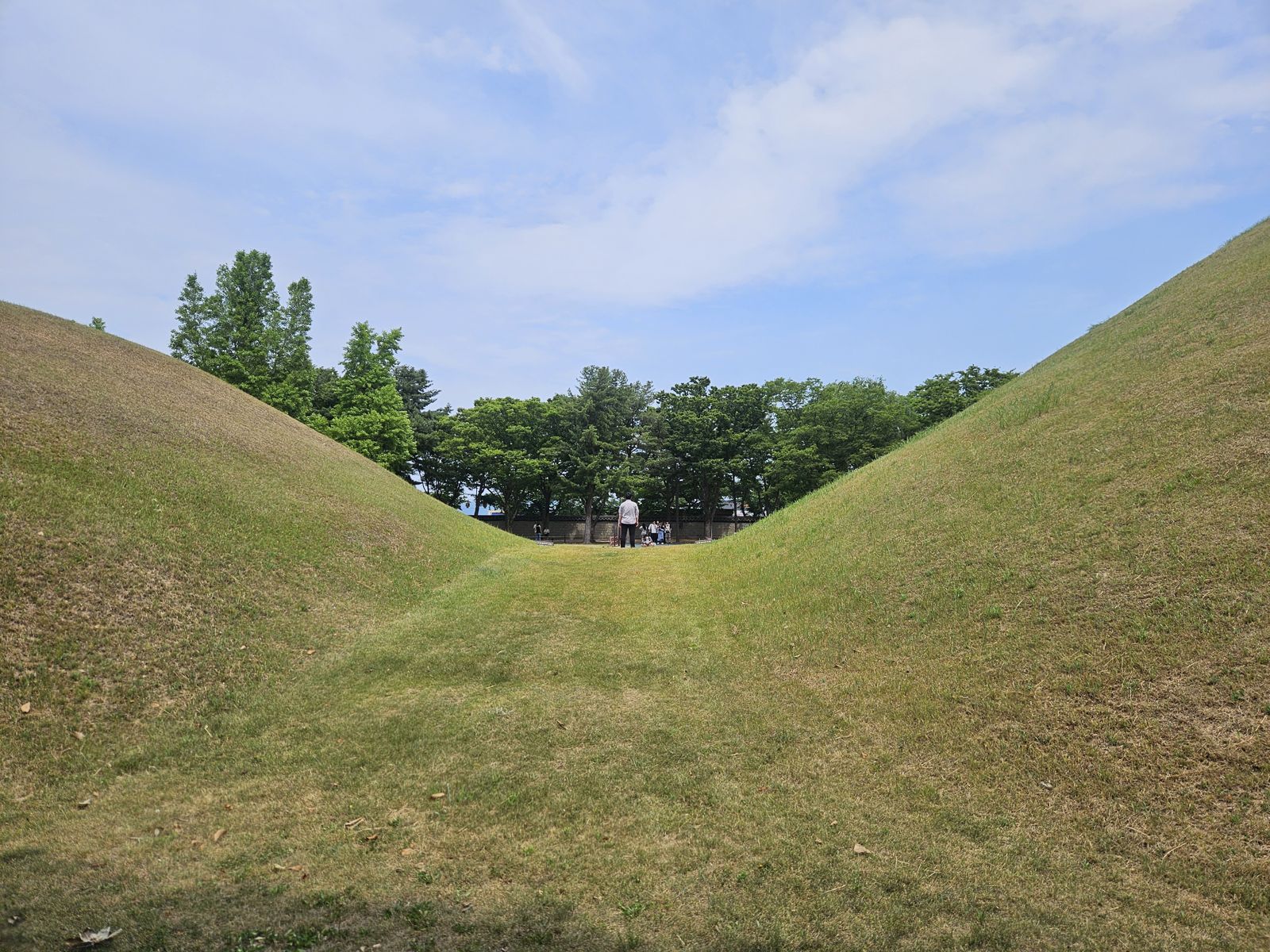
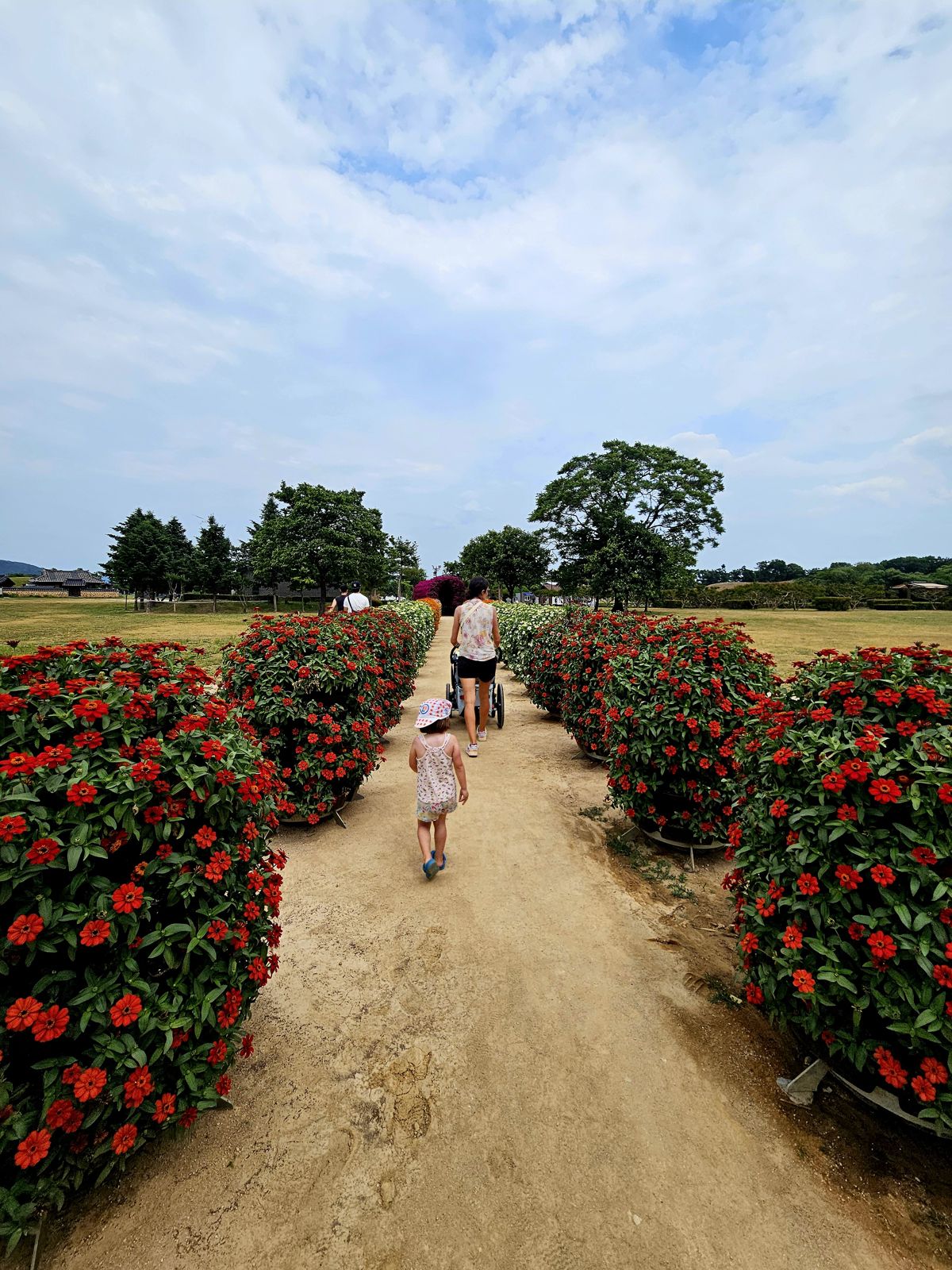
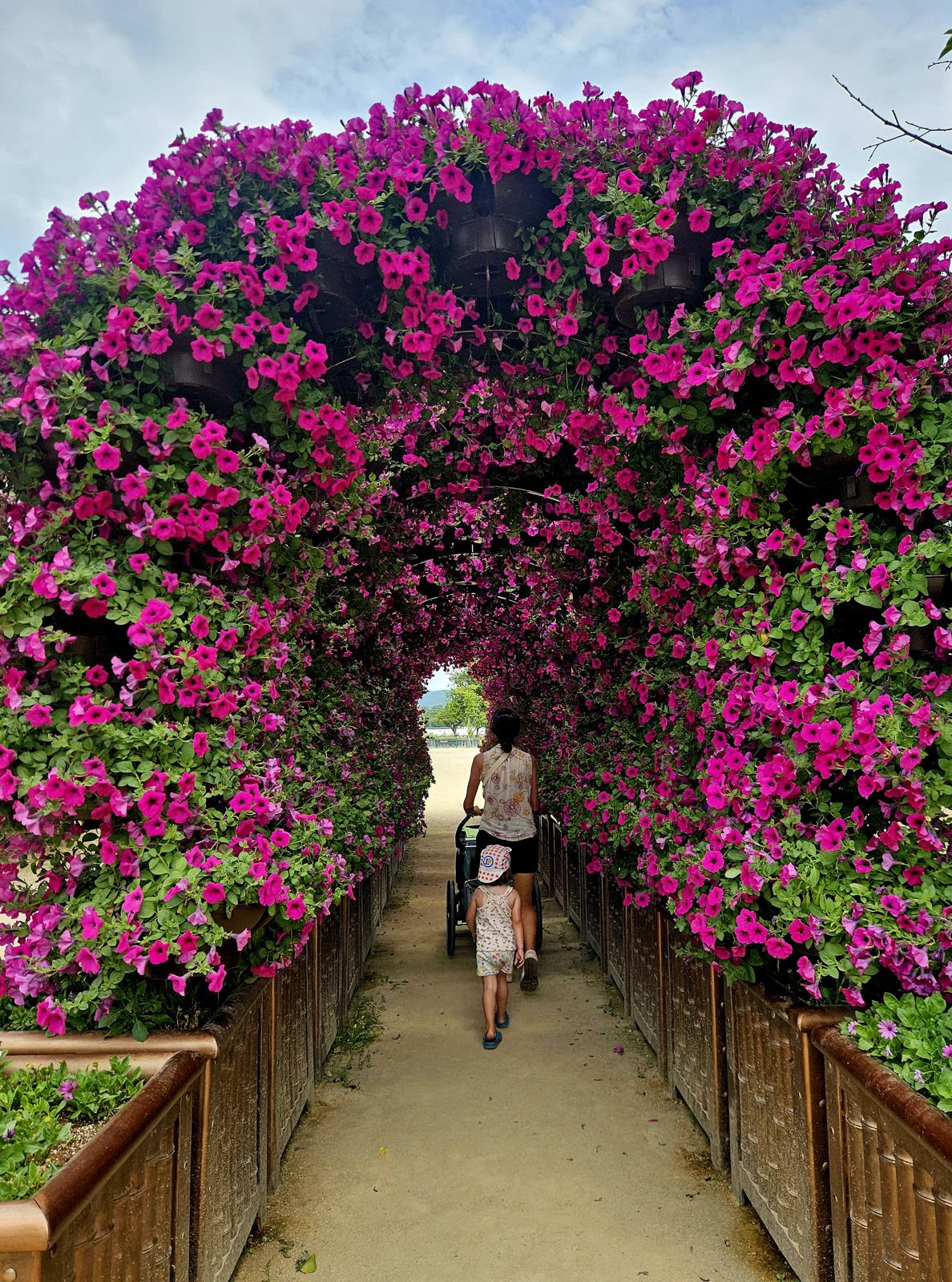
After grabbing a snack at a convenience store, we go to Wolseong Park. It holds tombs of the Silla kingdom, where the dead were buried under big green mounds, without pomp or gilding. It also has an observatory, the oldest in East Asia and one of the oldest in the world. Of course it doesn't look like much, as it's tiny, but it represents a significant part of the country's scientific history.
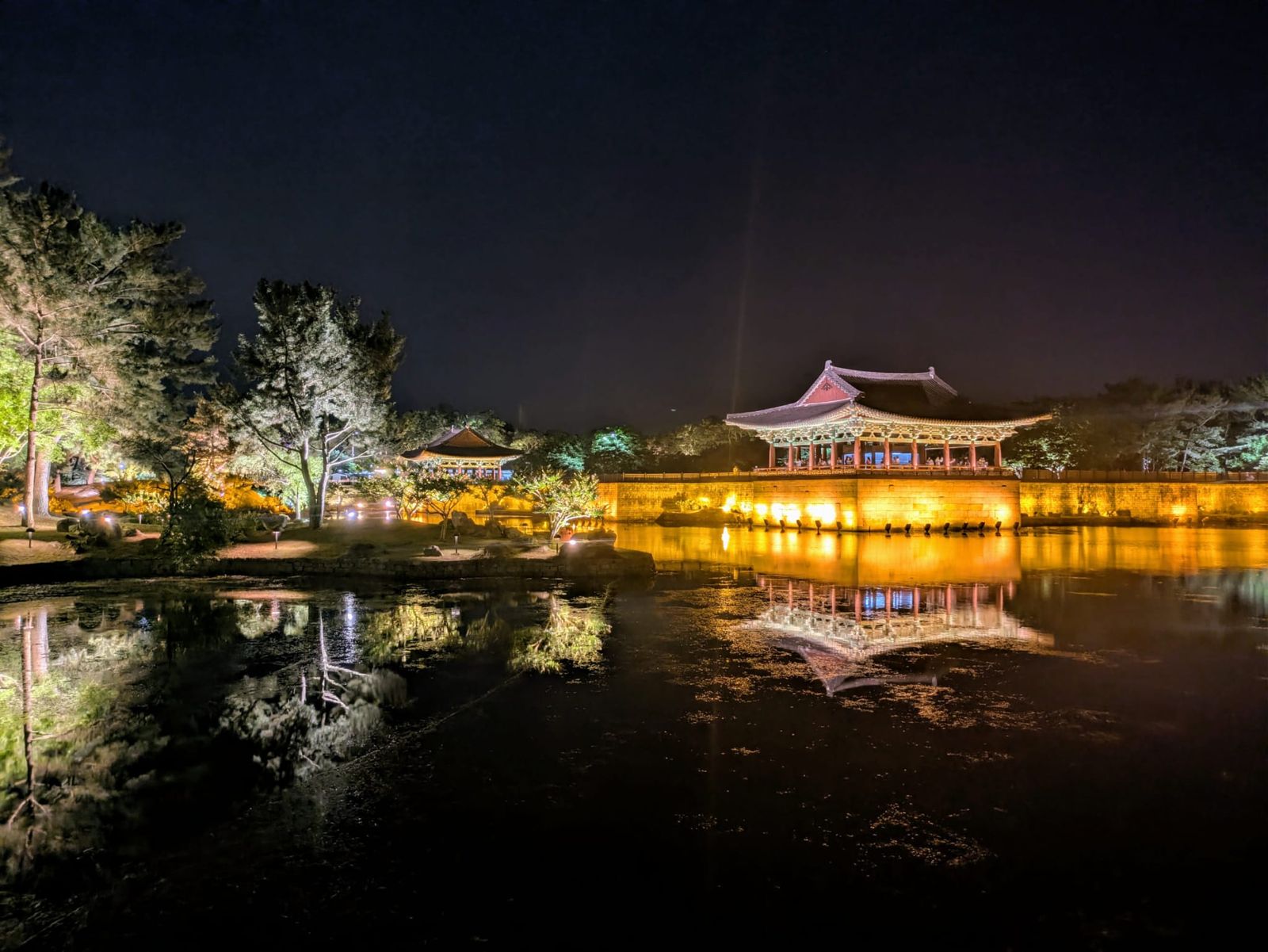
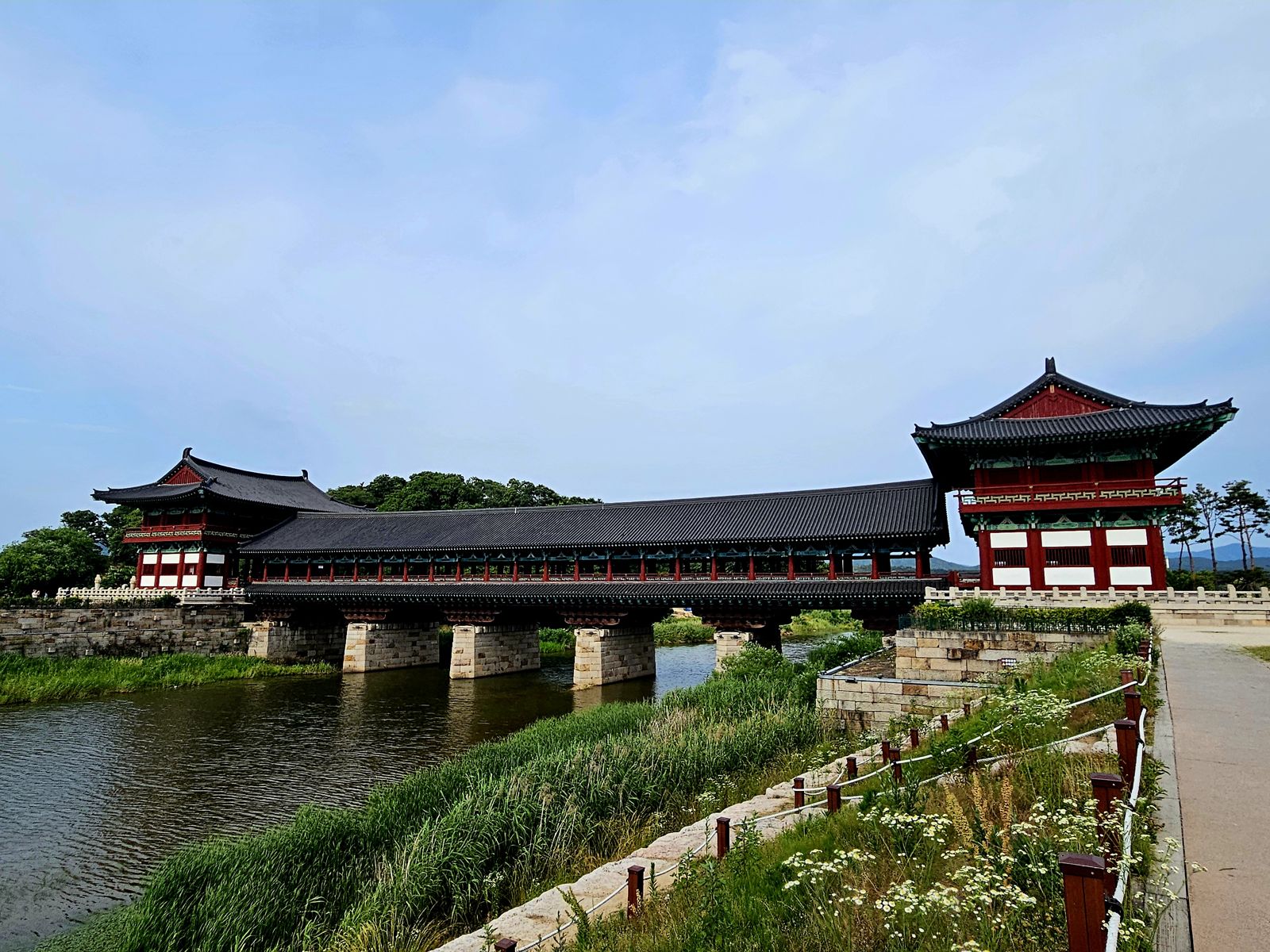
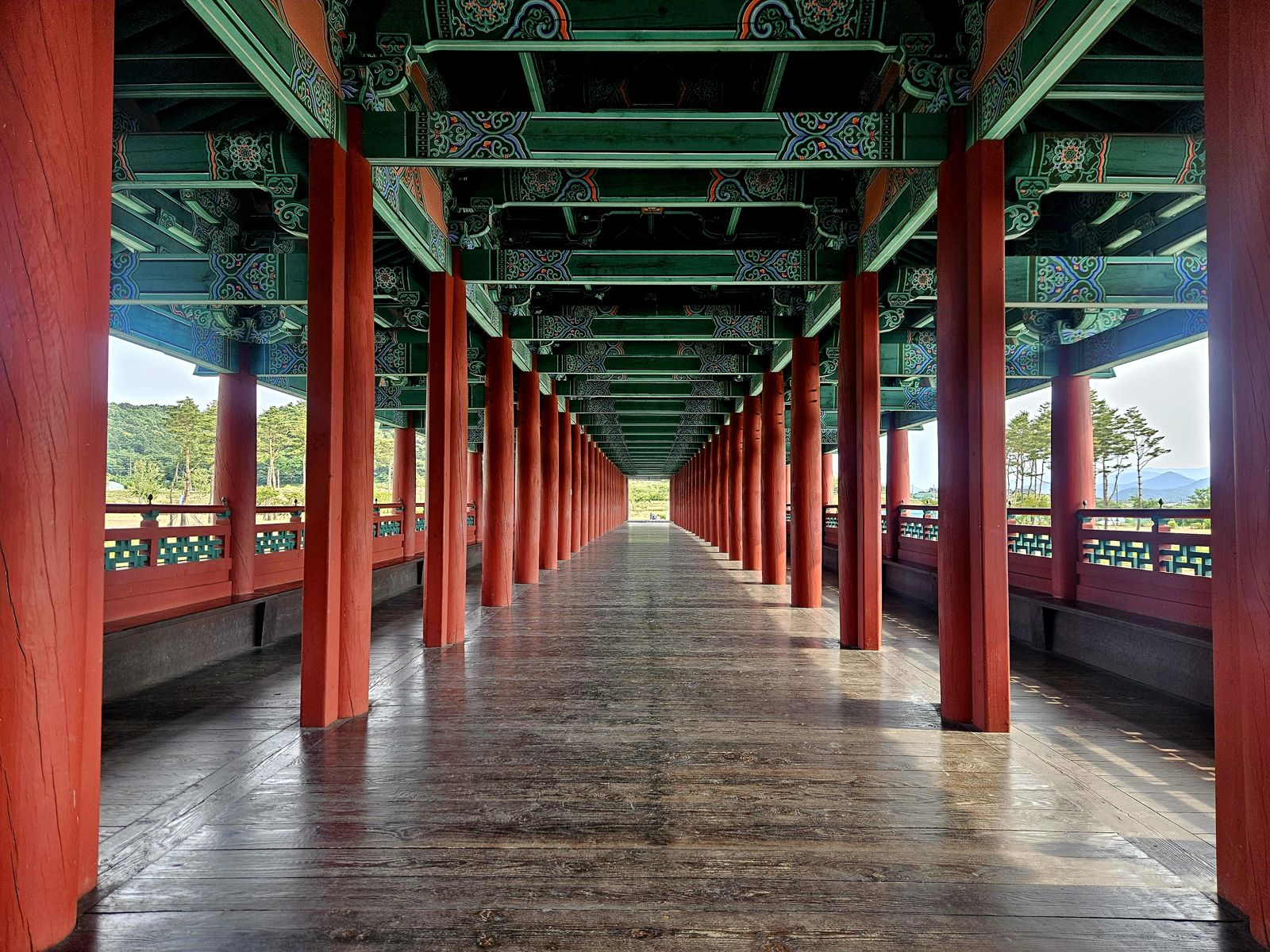
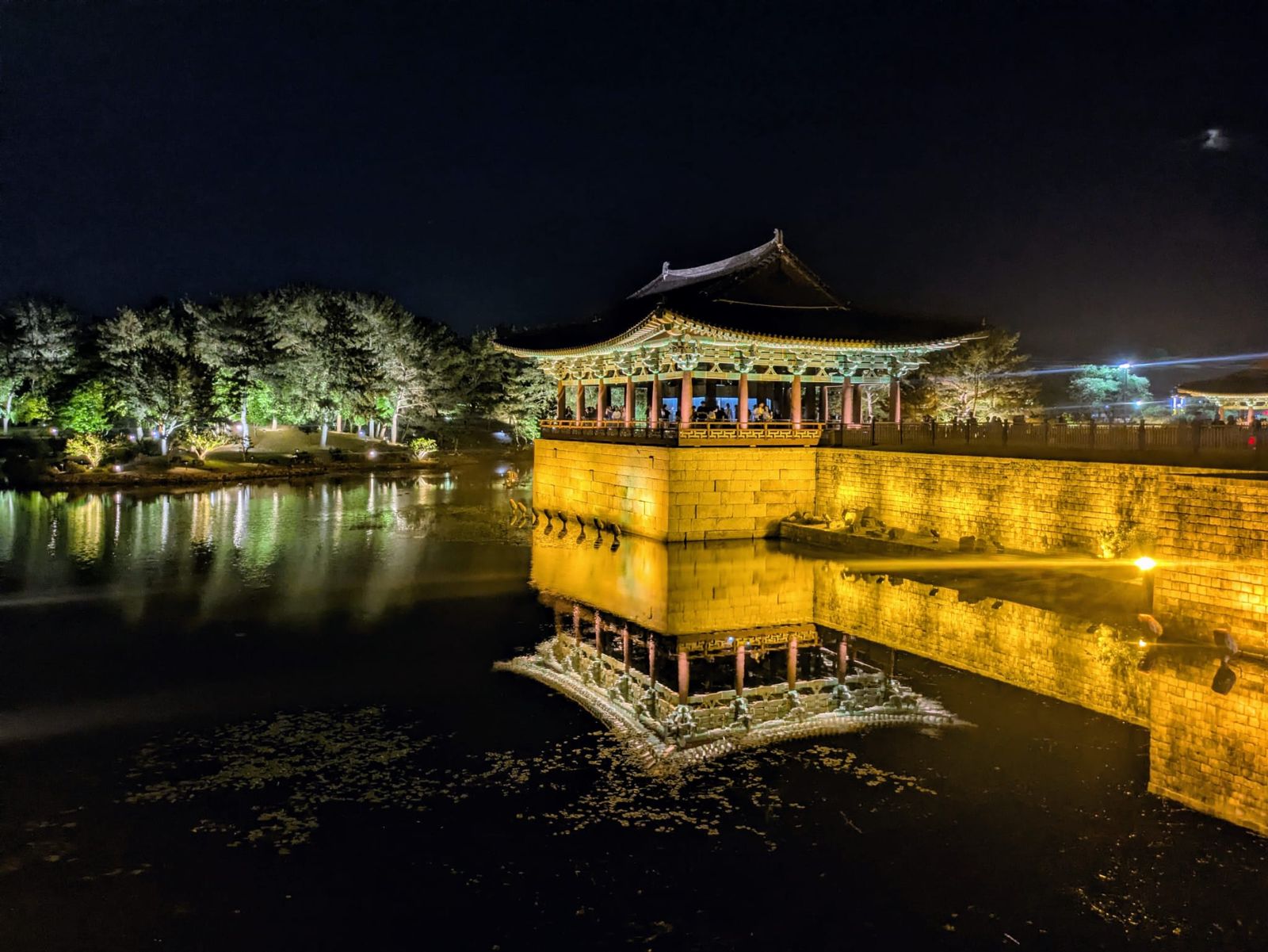
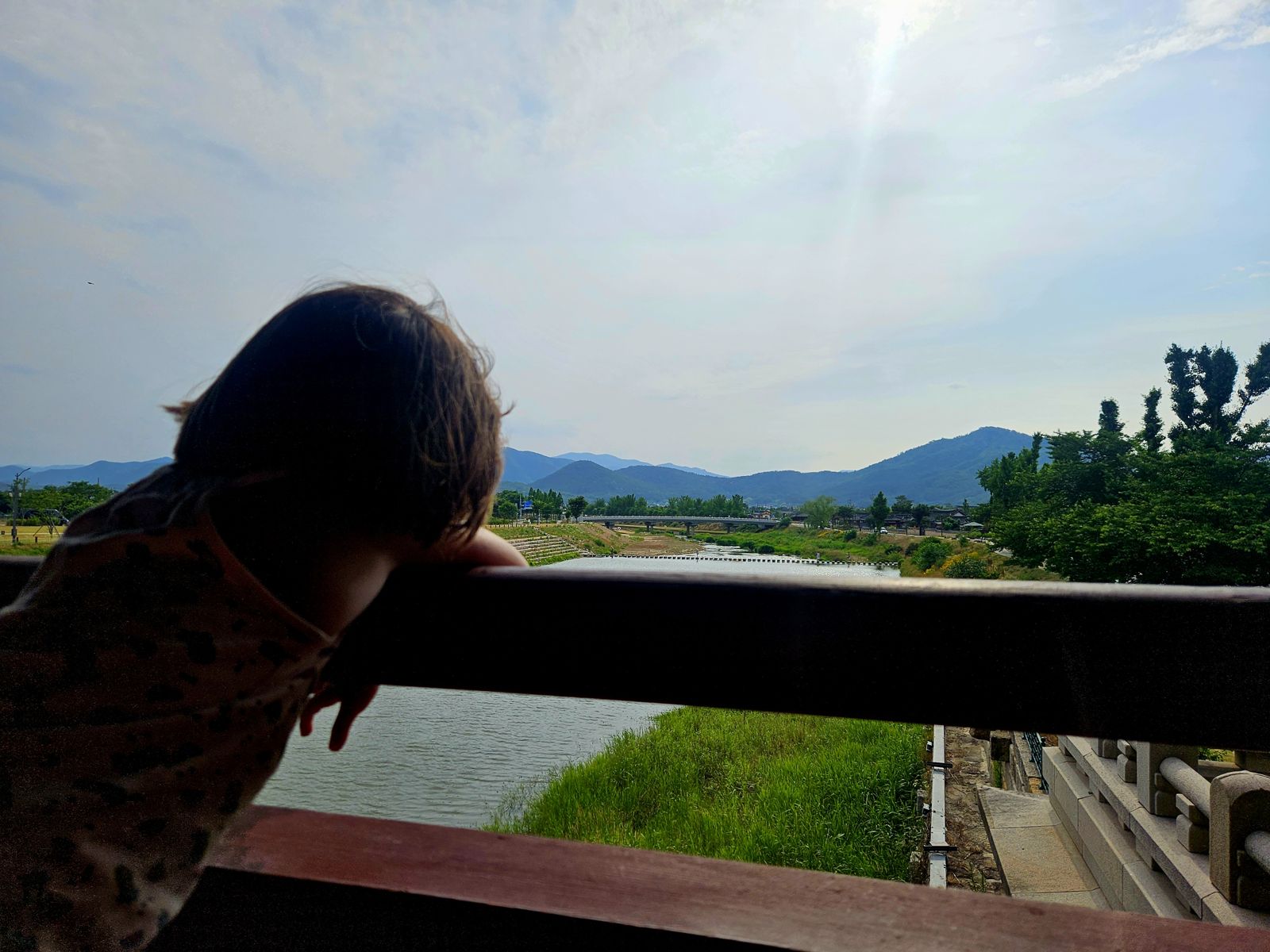
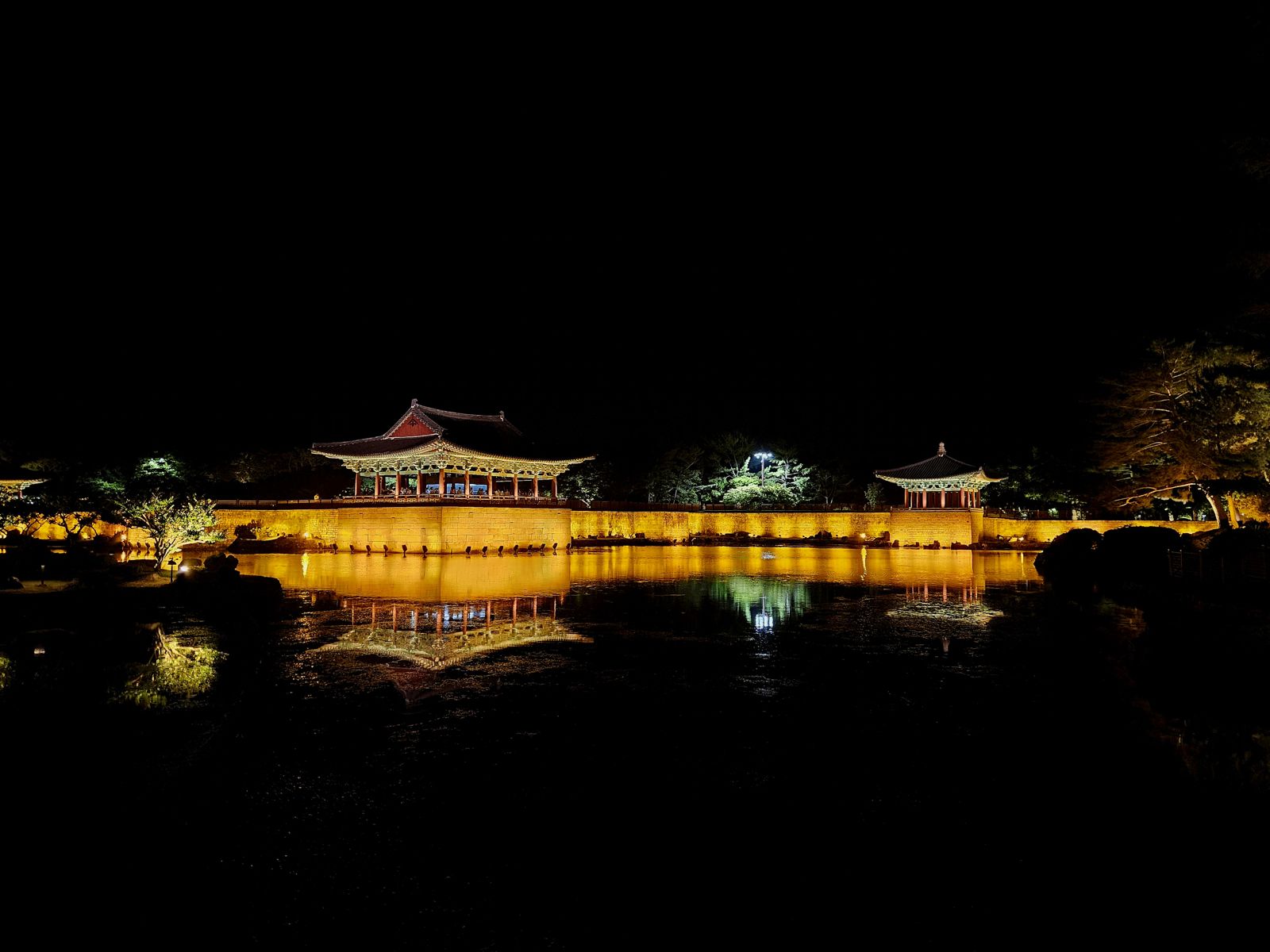
We extend our walk to Woljeonggyo bridge, which wows us with its perfect condition. Not so surprising, as it's a 2018 replica of a Silla-era bridge, from around the year 500. We then go back to the hotel for a little break before heading out again to eat and ride around the city to see these places by night. The city is quite pleasant by bike, a far cry from the huge cities we've crossed, and it has the advantage of being fairly flat, which our legs appreciate. The bridge is sublime at night, lit up from every side. Further on, Donggung palace glitters. The ponds around it create a mirror effect that delights the selfie-takers. Clémence has fun climbing up and down the structures, but it's already late, so we ride home to put her to bed.
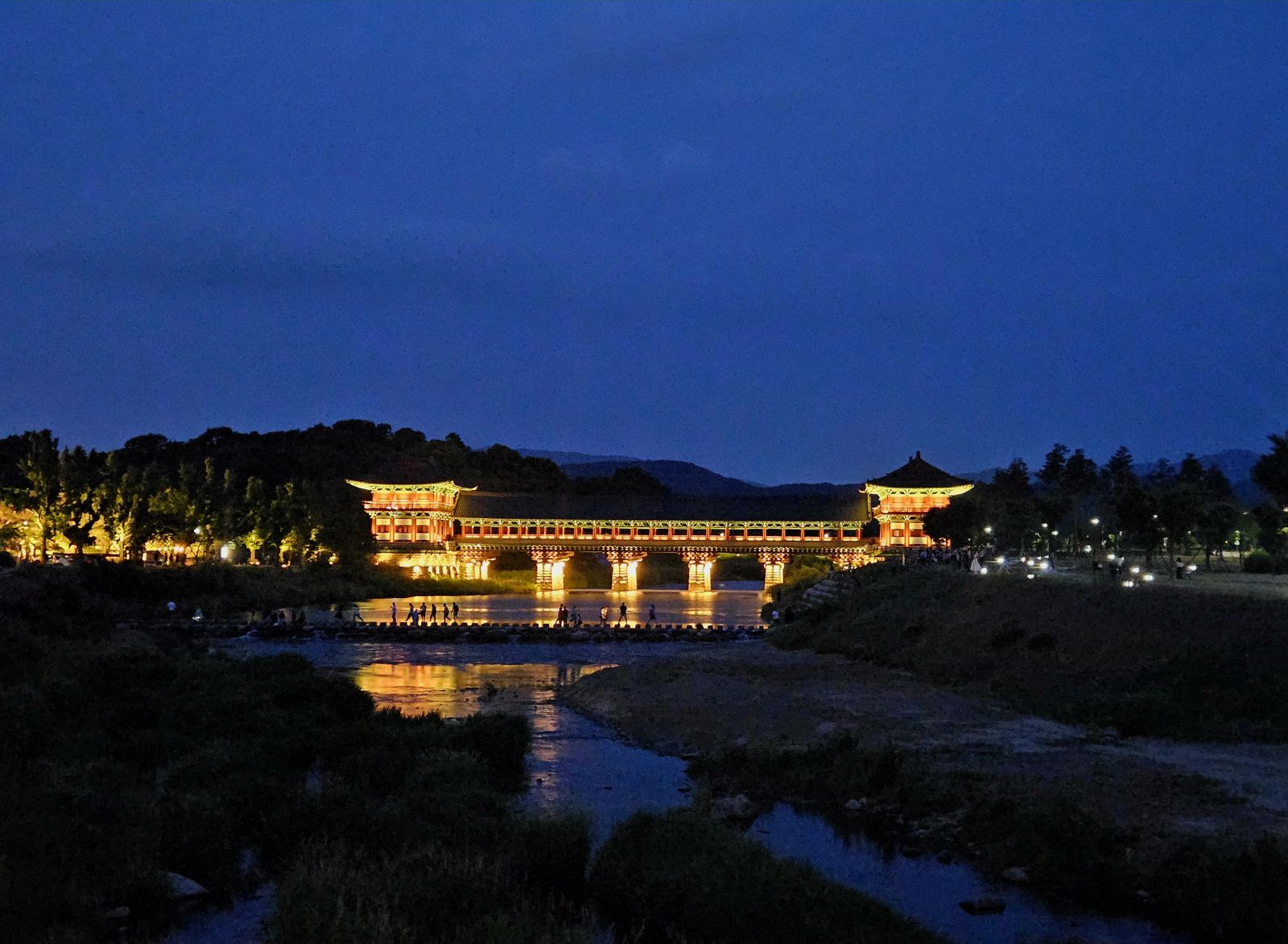
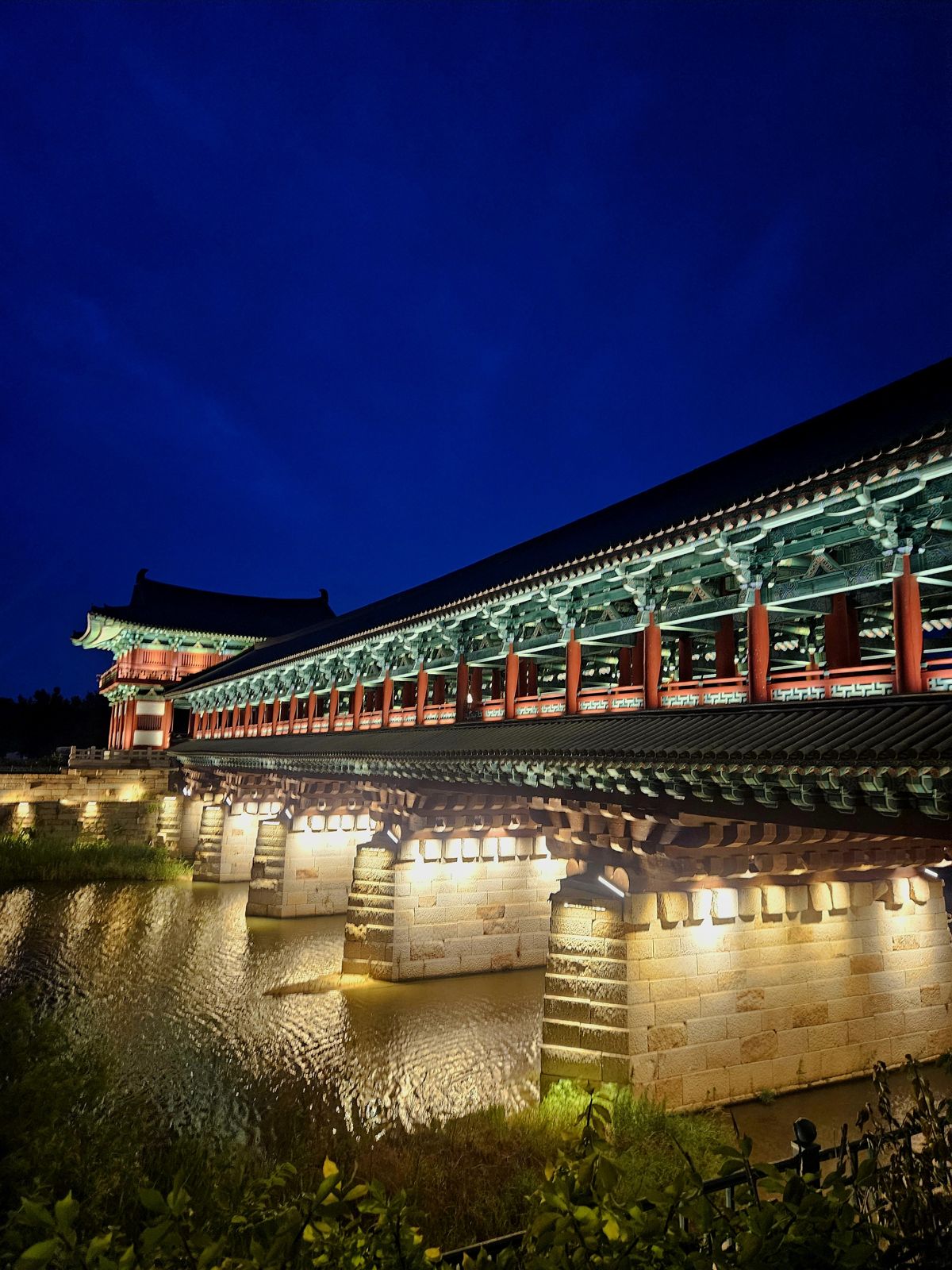
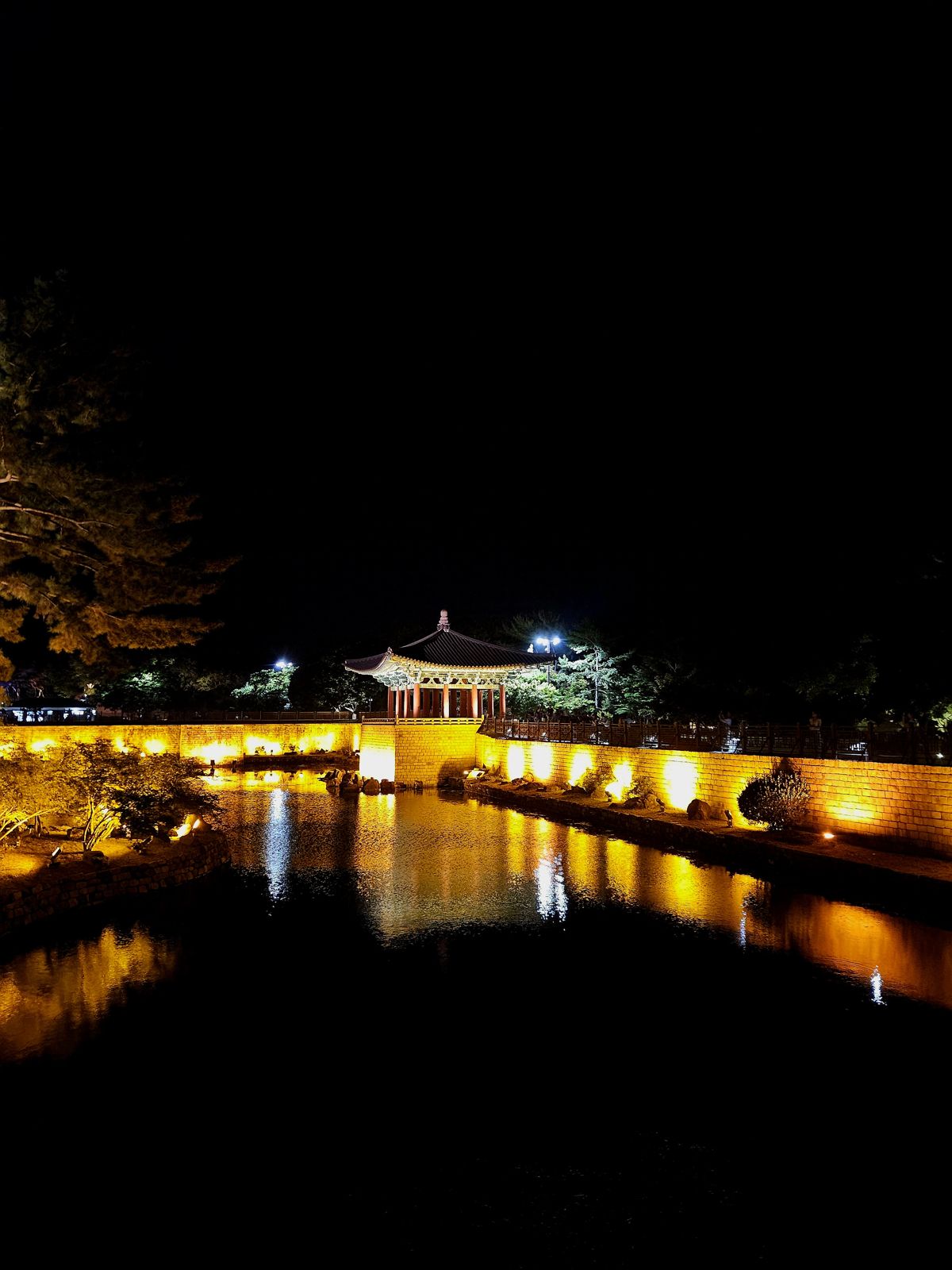
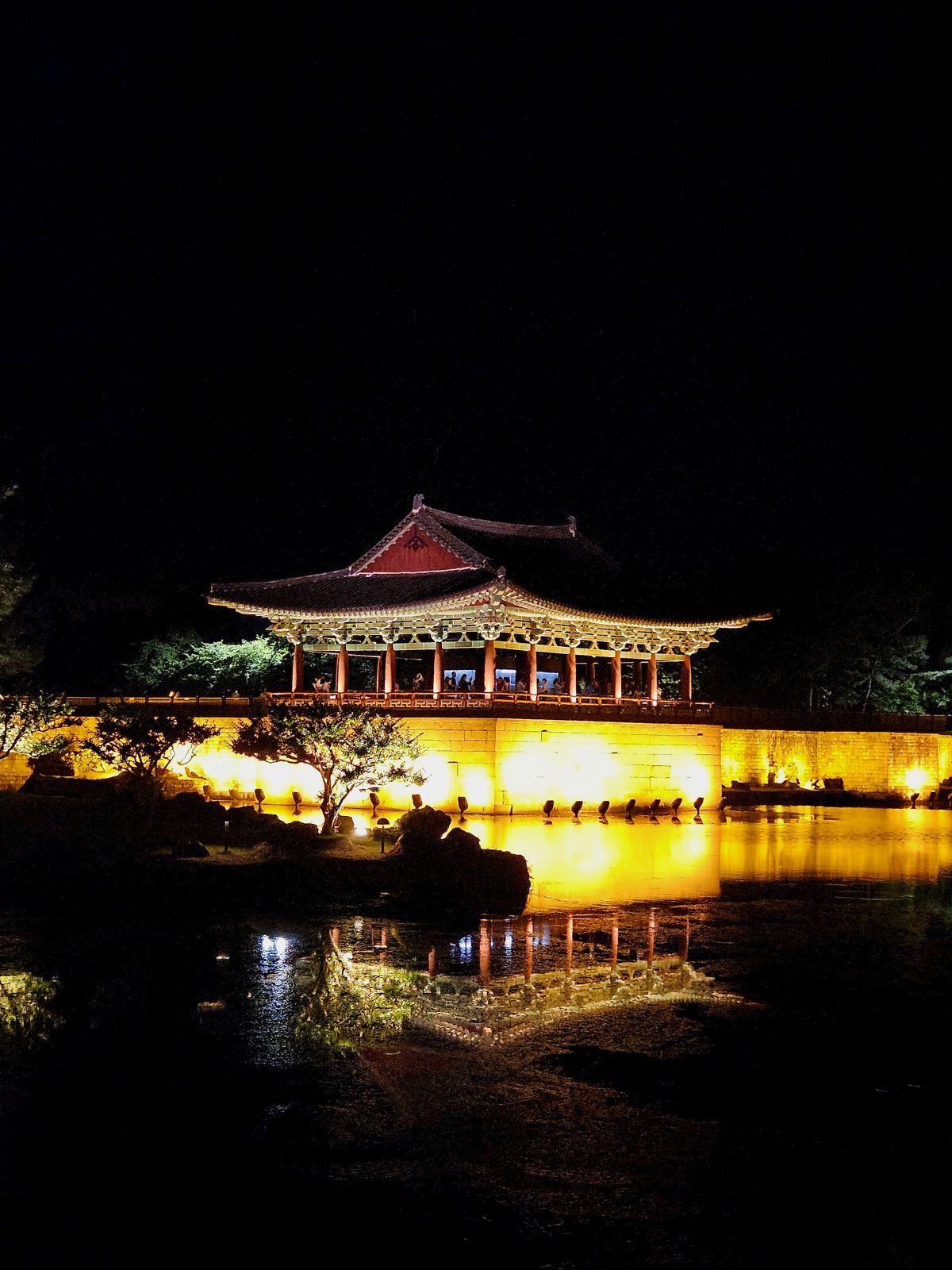
Gyeongju, South Korea's historic treasure
In the south-east of the country, Gyeongju is a city of 250,000 people that was once the glorious capital of the Silla kingdom, which ruled much of the Korean peninsula for almost a thousand years (57 BC to AD 935). To this day it preserves an exceptional heritage: hundreds of historic sites are dotted around the city, including mound-shaped royal tombs, ancient pagodas and Buddhist treasures such as Bulguksa temple and Seokguram grotto, both UNESCO-listed. Gyeongju charms with its peaceful atmosphere, its bike rides among fields and ruins, and its unique role as a bridge between modern Korea and its thousand-year-old past.
Wednesday 11 June
Koreans have a very different idea of breakfast from ours. In the first hotels we stayed in where it was included, our hopes were quickly dashed. They only offered a few slices of sliced bread, sometimes eggs, instant noodles/ramyeon, and that was it. So we've learned through experience to be wary. But at our hotel in Gyeongju, every review says the breakfast is good and plentiful. On the other hand, the hours are rather early: 7 to 9:30. That explains the alarm going off at 8:30 even though we're in no hurry at all.
We go down to eat our fill while Clémence is still asleep, and she still hasn't woken when we come back up. We let her surface in her own time, then get ready to explore the area. Our bikes are relieved of their panniers, so they're lighter and we can ride faster. Just as well, because the road to Bulguksa temple is 15 kilometres long, and once again we're promised a cycle route that doesn't exist.
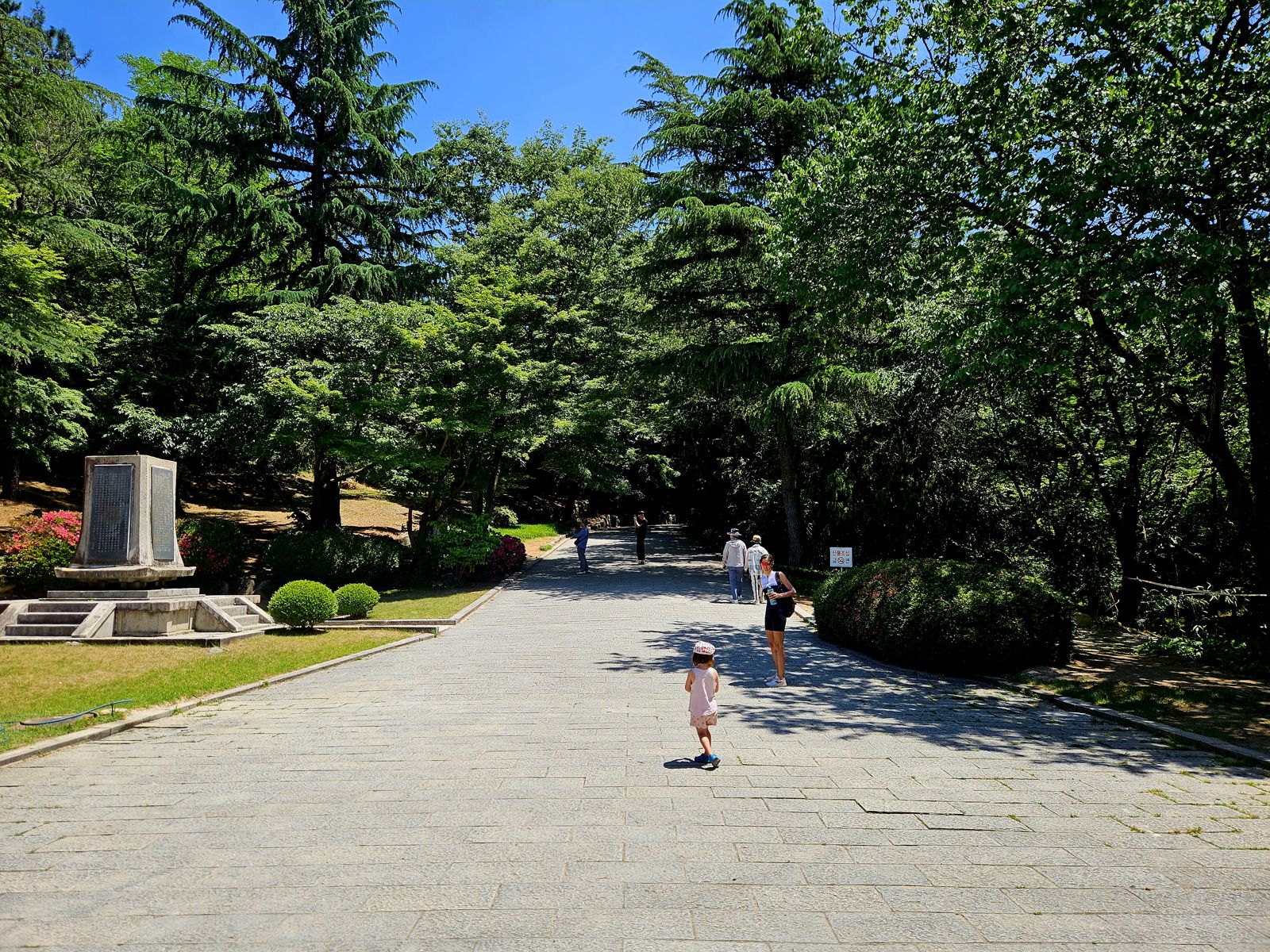
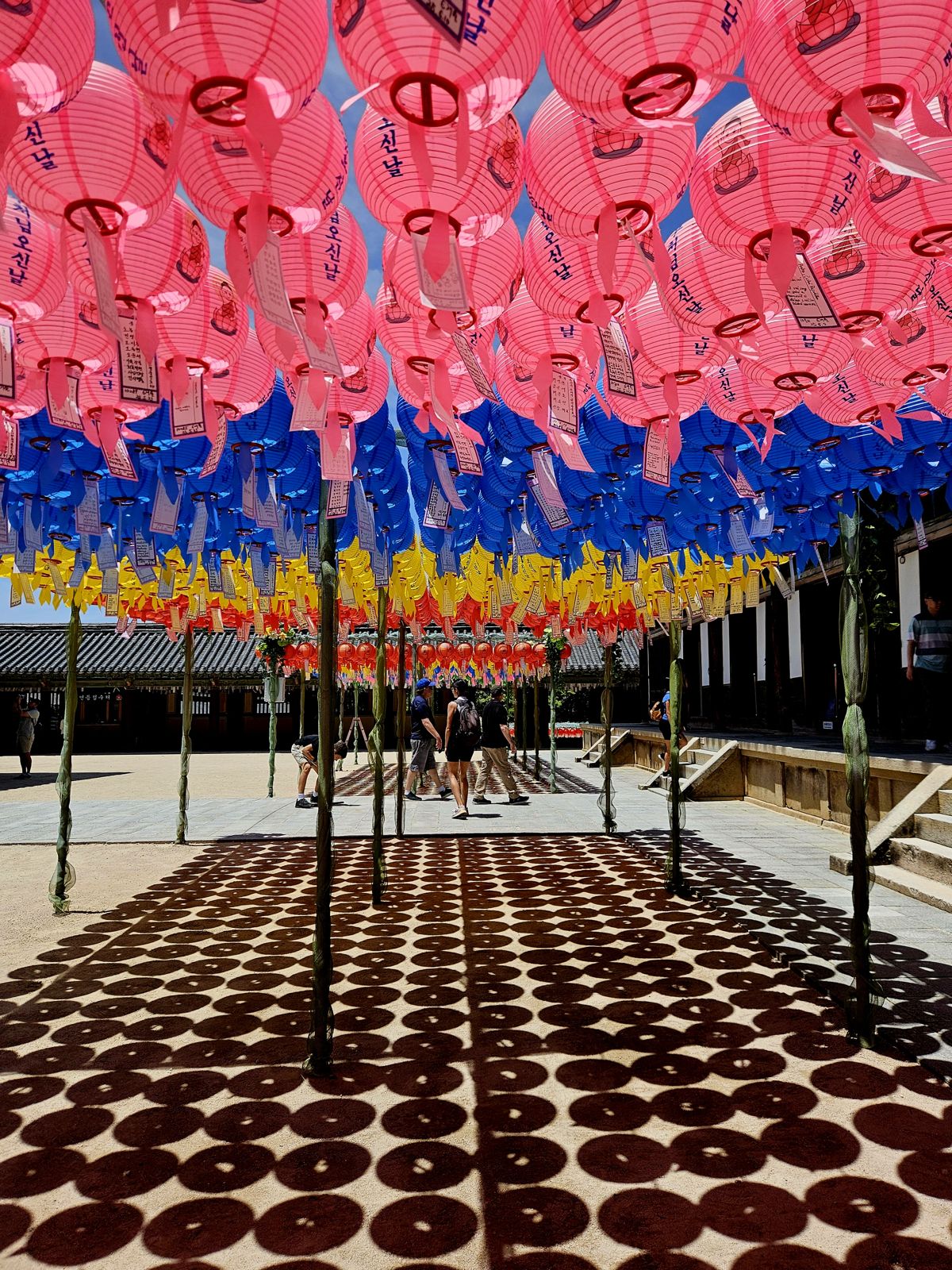
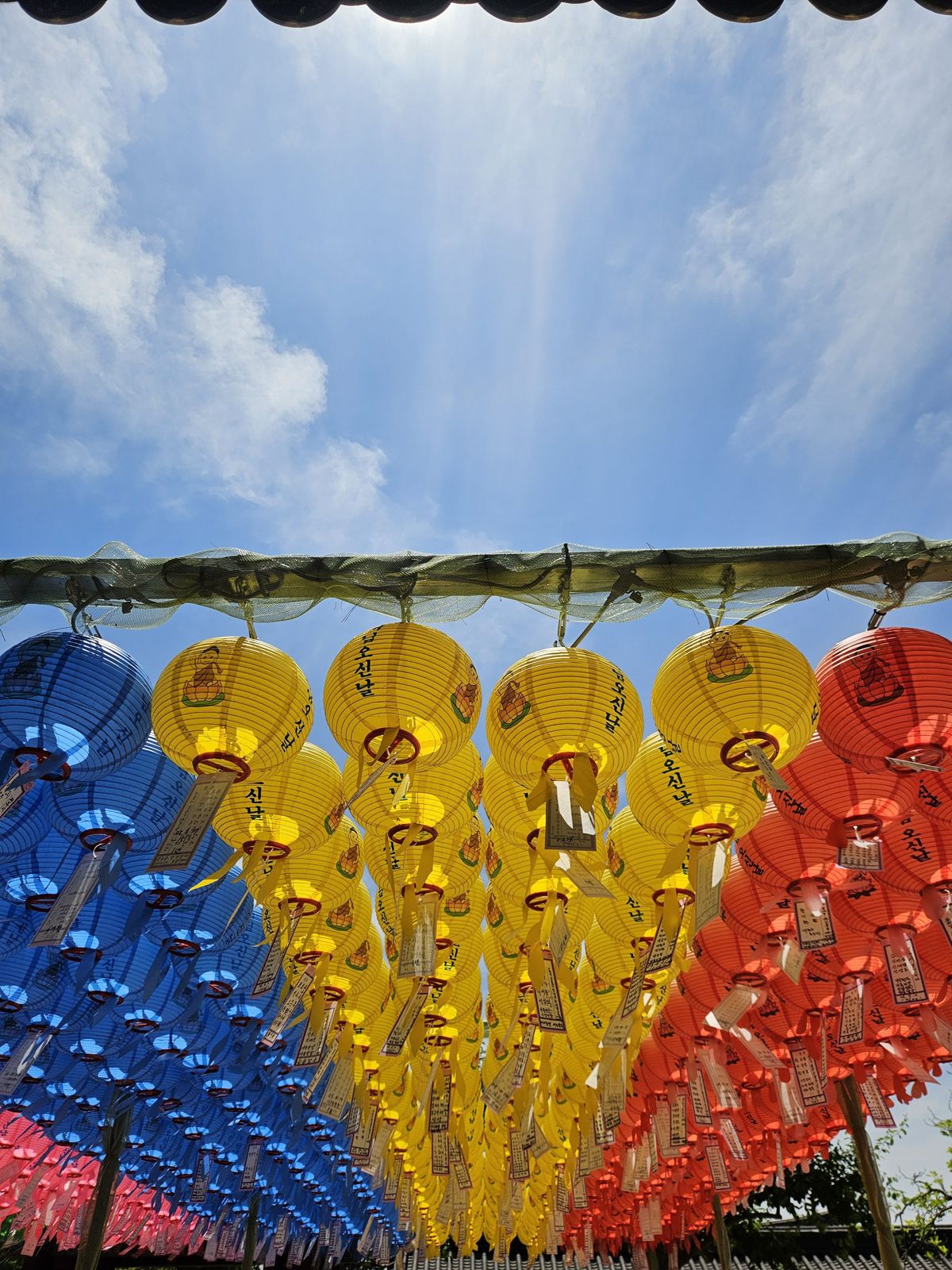
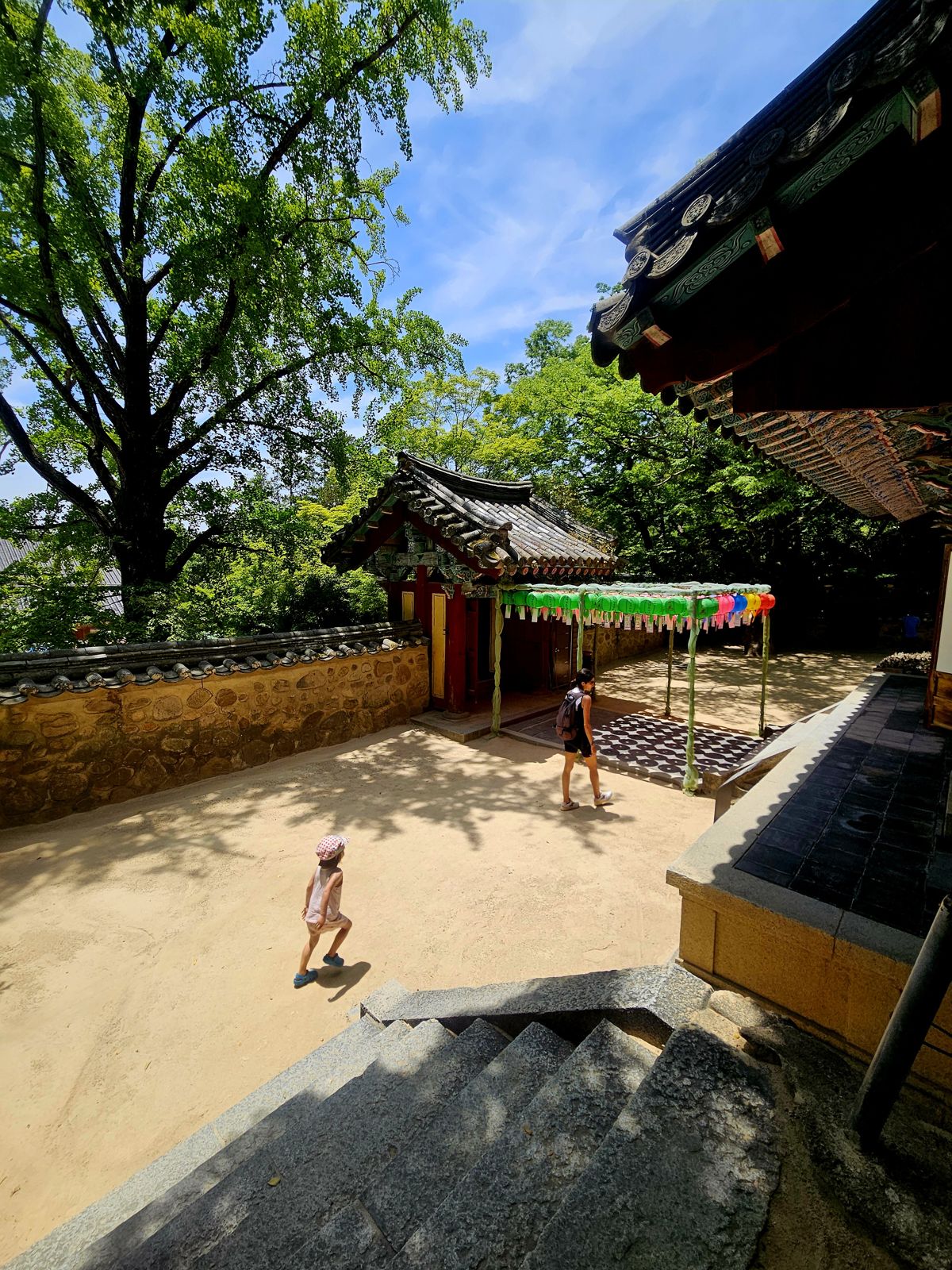
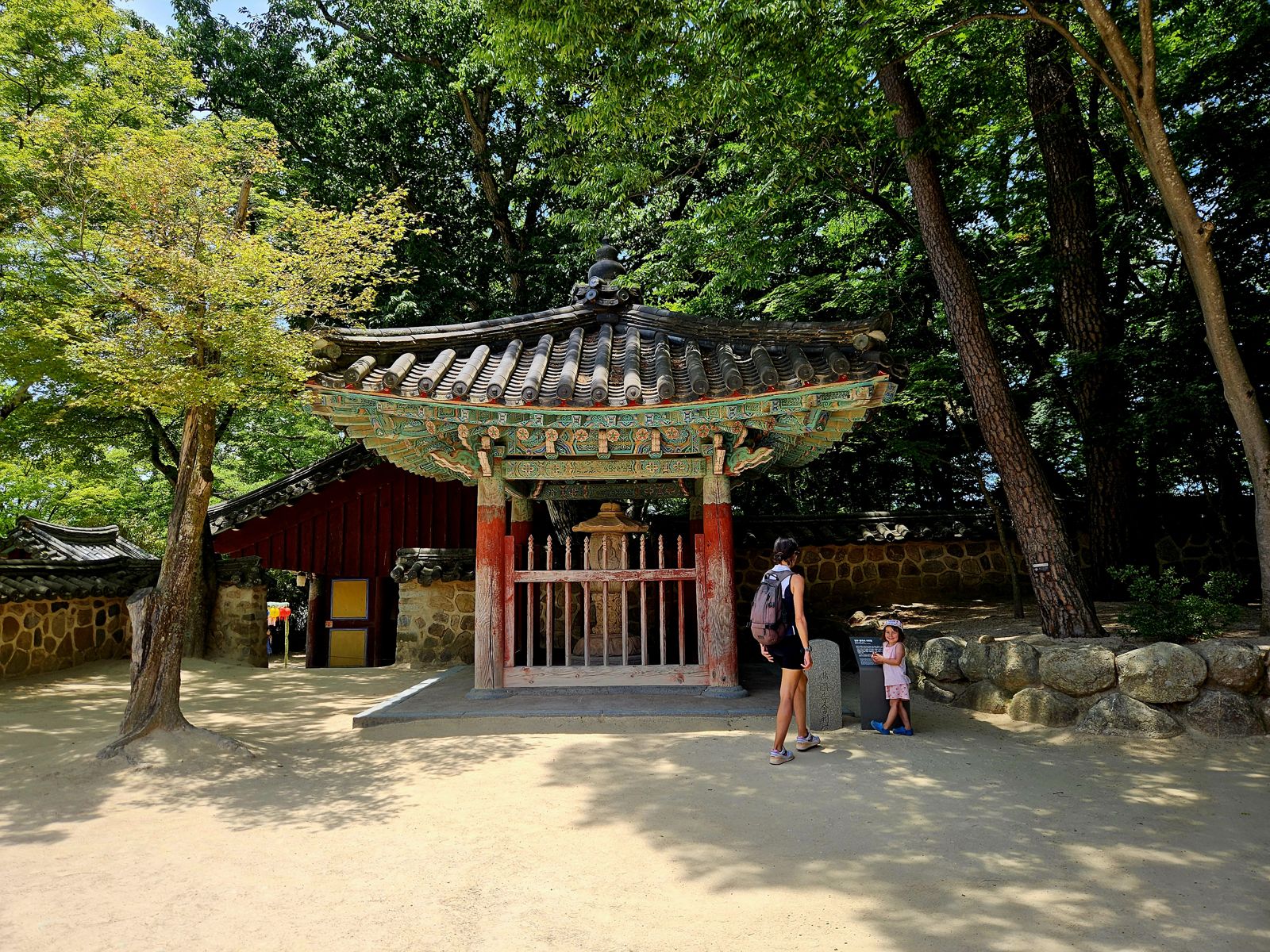
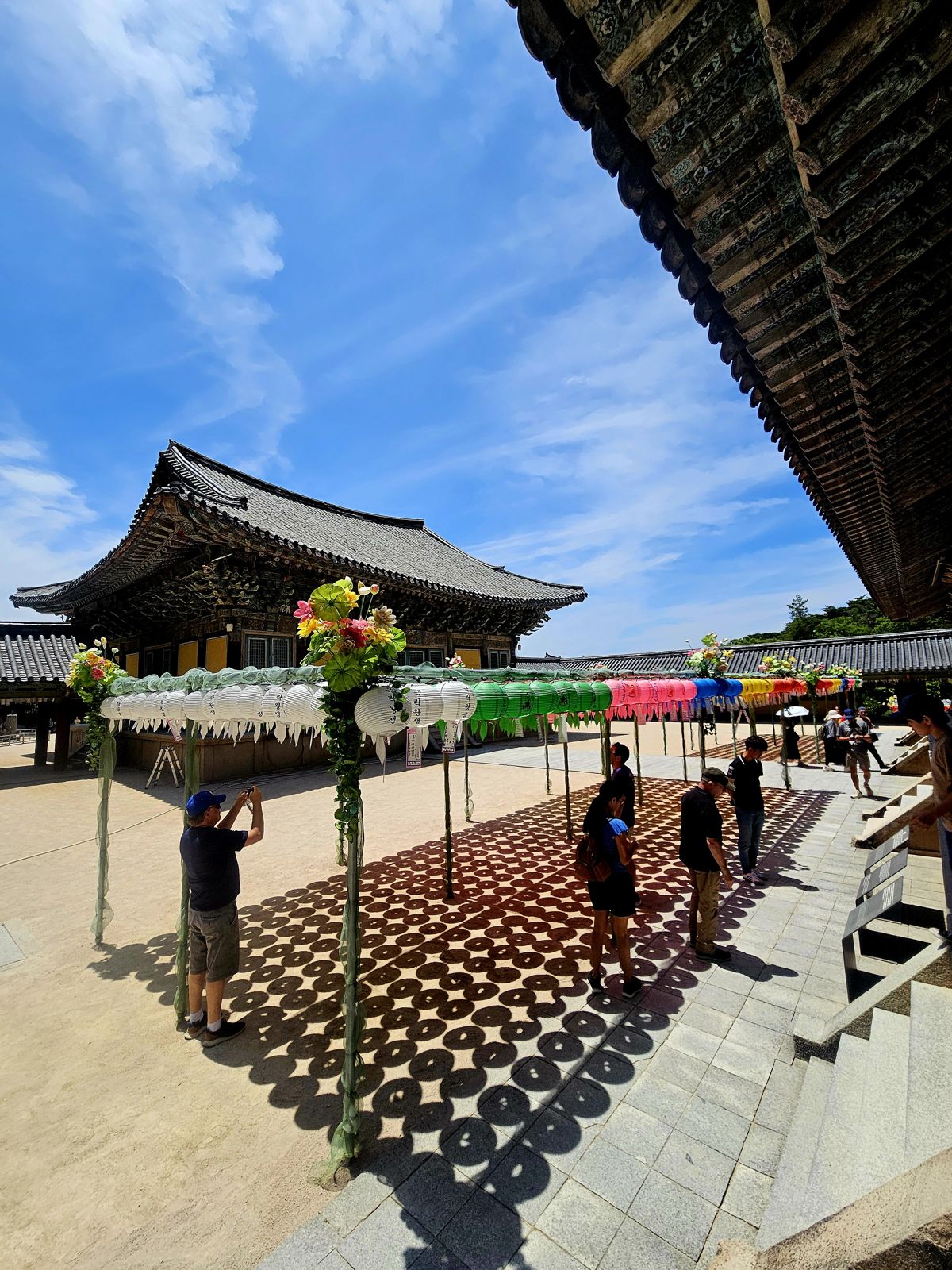
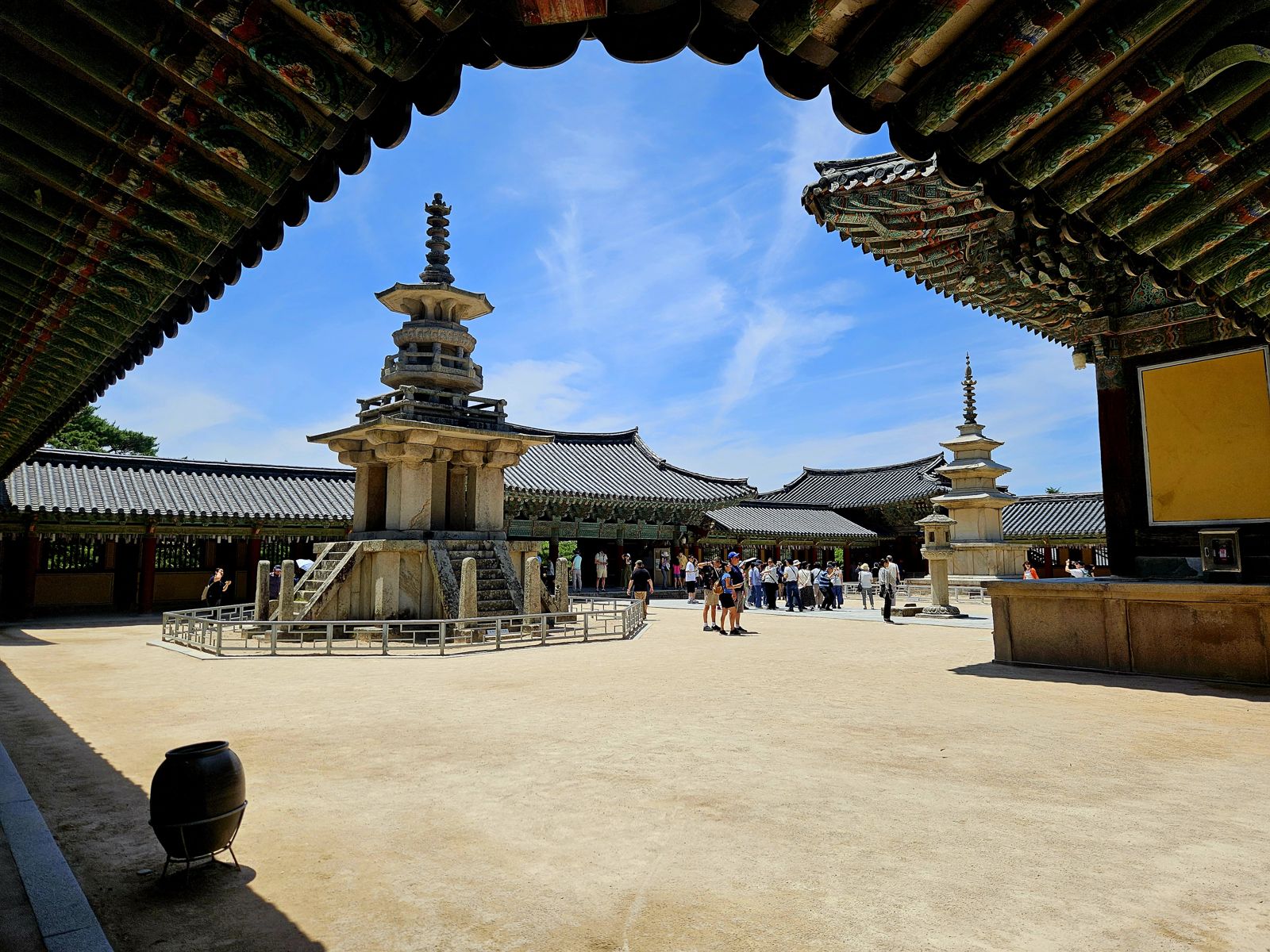
All right, the pavement is painted red to tell bikes to ride there, but the surface is cobbled and uneven. Sometimes the surrounding vegetation shrinks our space to almost nothing. We end up going down onto the road, even if it means taking the whole right-hand lane to ride safely. At the top of a gentle but tough climb under the June sun, we reach the gates of the sacred site. We wander through the various buildings, and Clémence takes it upon herself to point out every Buddha she sees. The temple is particularly well preserved, and the riot of colour on its roofs is fascinating. We linger a long time, as much for the beauty of the place as for the coolness it manages to hold.
An anecdote
In Gyeongju there's a typical bread called "Hwangnam-ppang", a small bun filled with red bean paste, sold all over town. It's so popular that a mayor once suggested making it Gyeongju's official mascot. At a festival, students even organised a "Hwangnam-ppang throwing" contest — with foam buns, of course! The winner managed to throw his fake bun more than 18 metres, to the crowd's laughter and the local bakers' pride.
The moral? In Gyeongju, even traditional sweets take flight.
After a bad bibimbap in an ugly restaurant, we take a different road to walk by Bomun Lake. Waterfronts are never set up for swimming in South Korea. We have a terrible time finding anywhere to dip our feet in this country. We try our luck in the lake, but the bottom is muddy and our feet sink in right at the edge. Clémence is disappointed, but she smiles again when we reach a kids' café. It's a Korean concept: your children can play in a big indoor play area while you have a drink, and you only pay for your drinks.
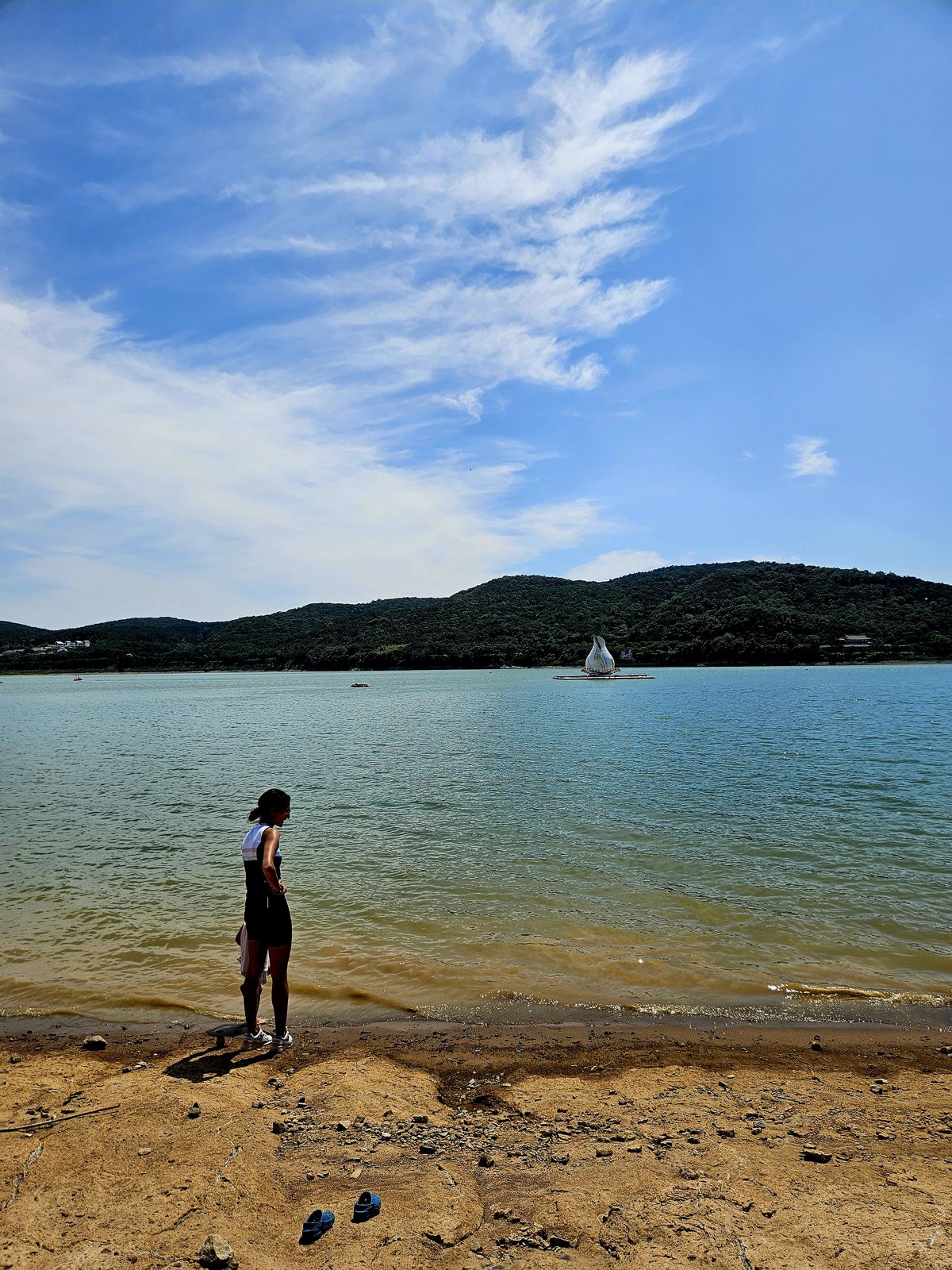
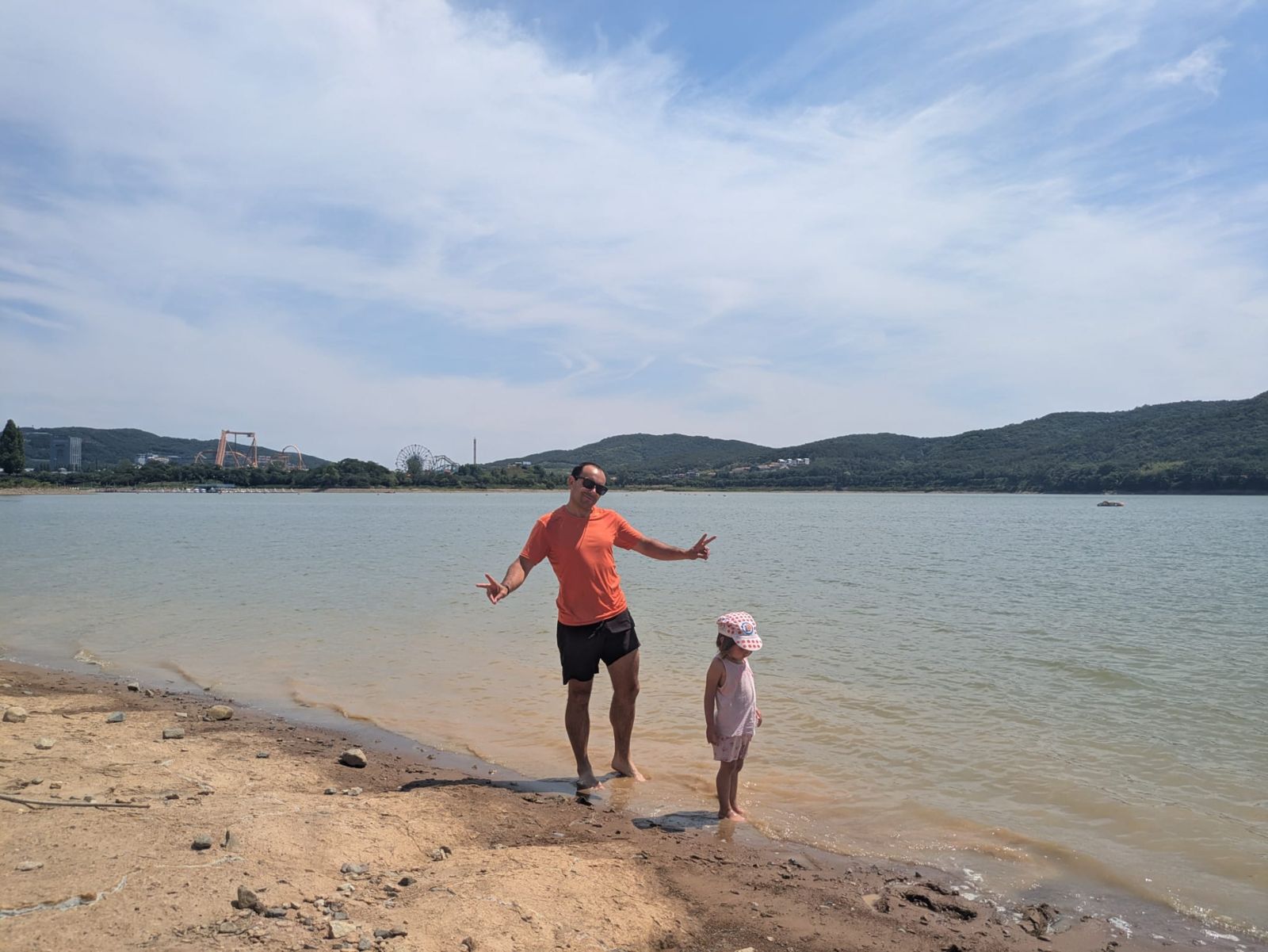
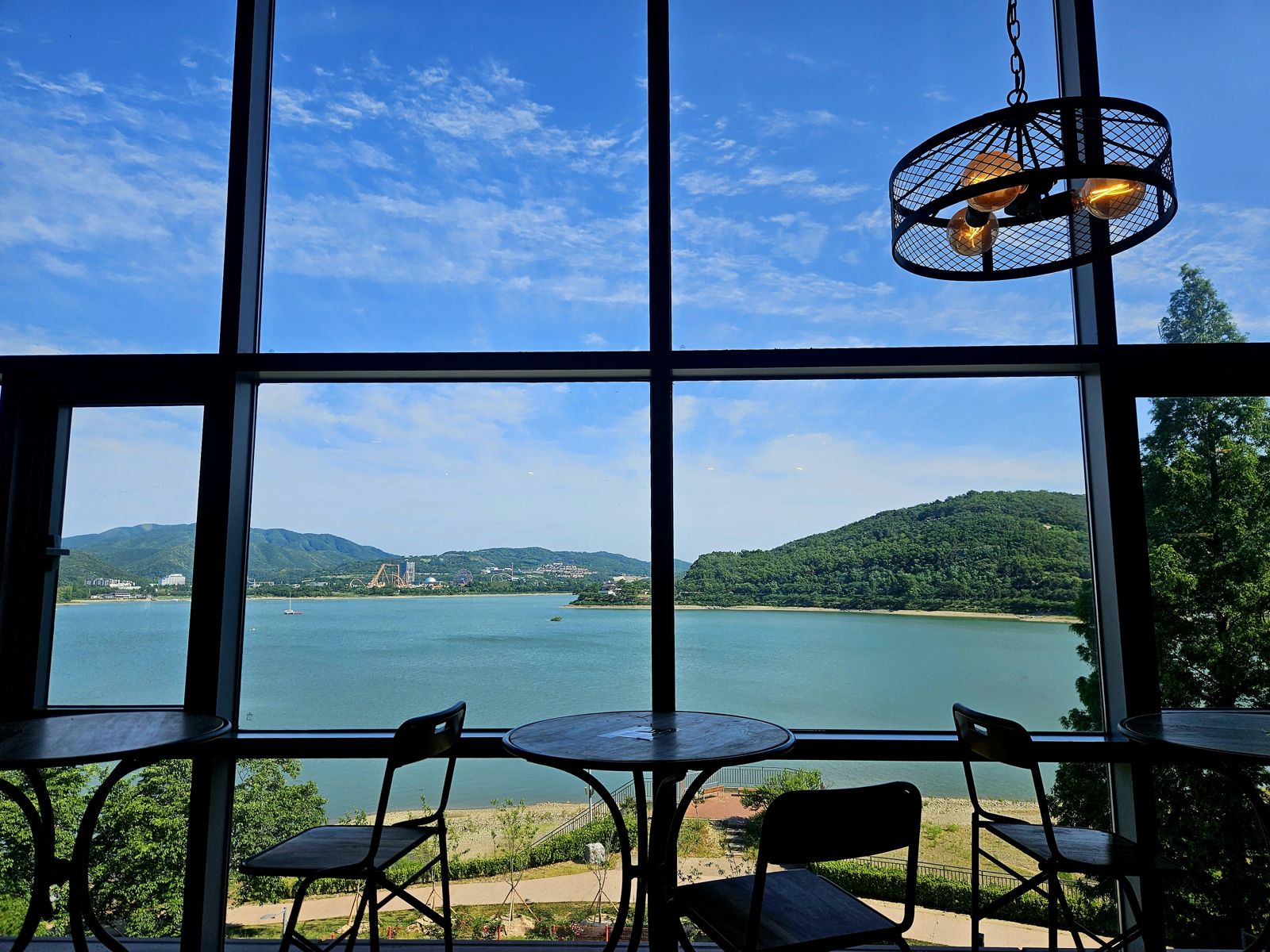
Clémence has a ball, and we only manage to get her to leave two hours later to go to another playground closer to the hotel. She's so good and so involved in this trip that we try to please her whenever we can. We can feel that this adventure also marks a transition for her from baby to little girl: she wants to take lots of initiative and always tries to help. She also asks loads of questions and always worries about the plan. She already knows we have to go to bed early tonight because we're back on the road tomorrow: destination Pohang on the east coast.
On the road