 ← PreviousThe Prairies, from Regina to the dinosaurs
Thursday 13 August
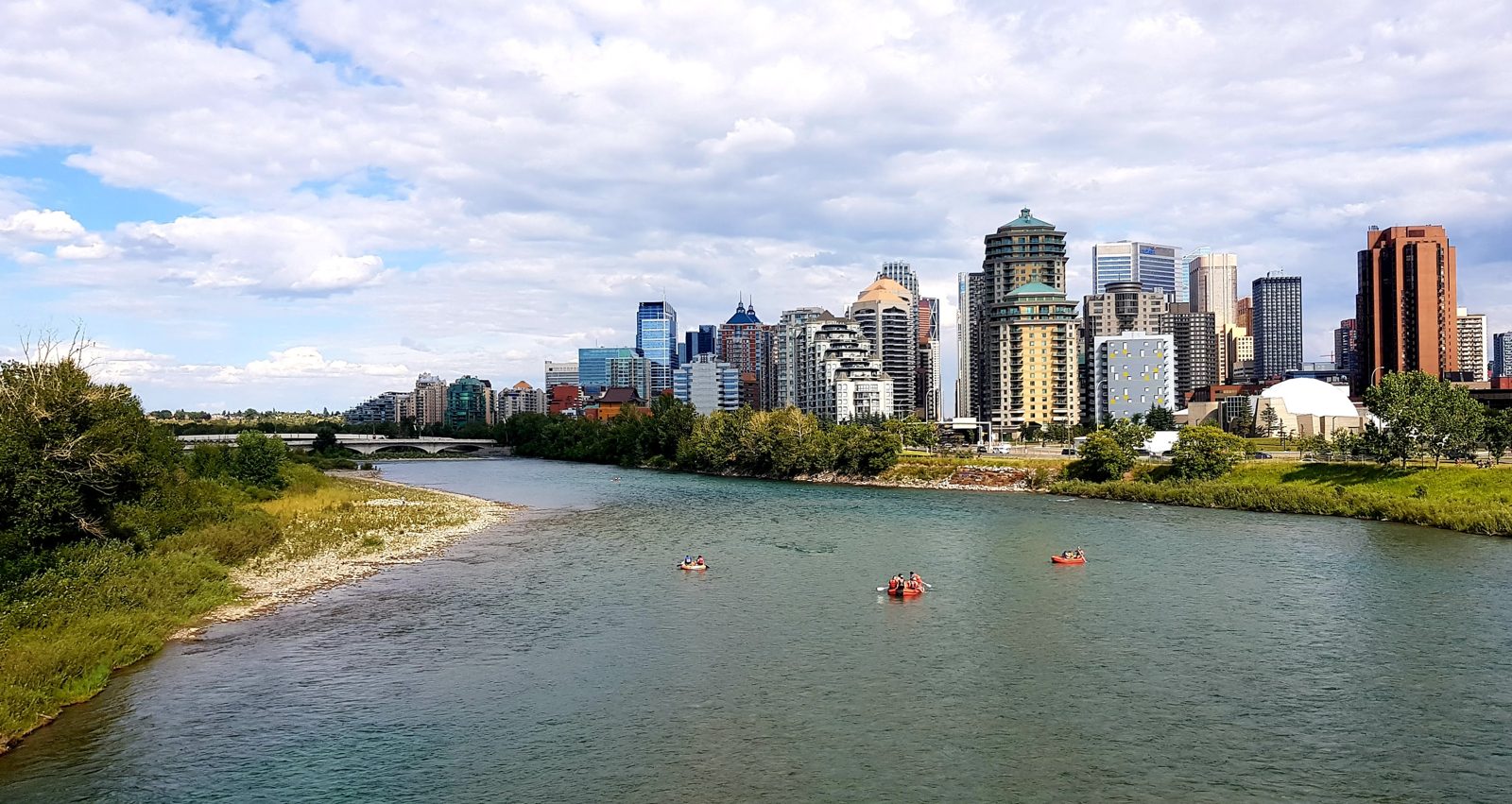
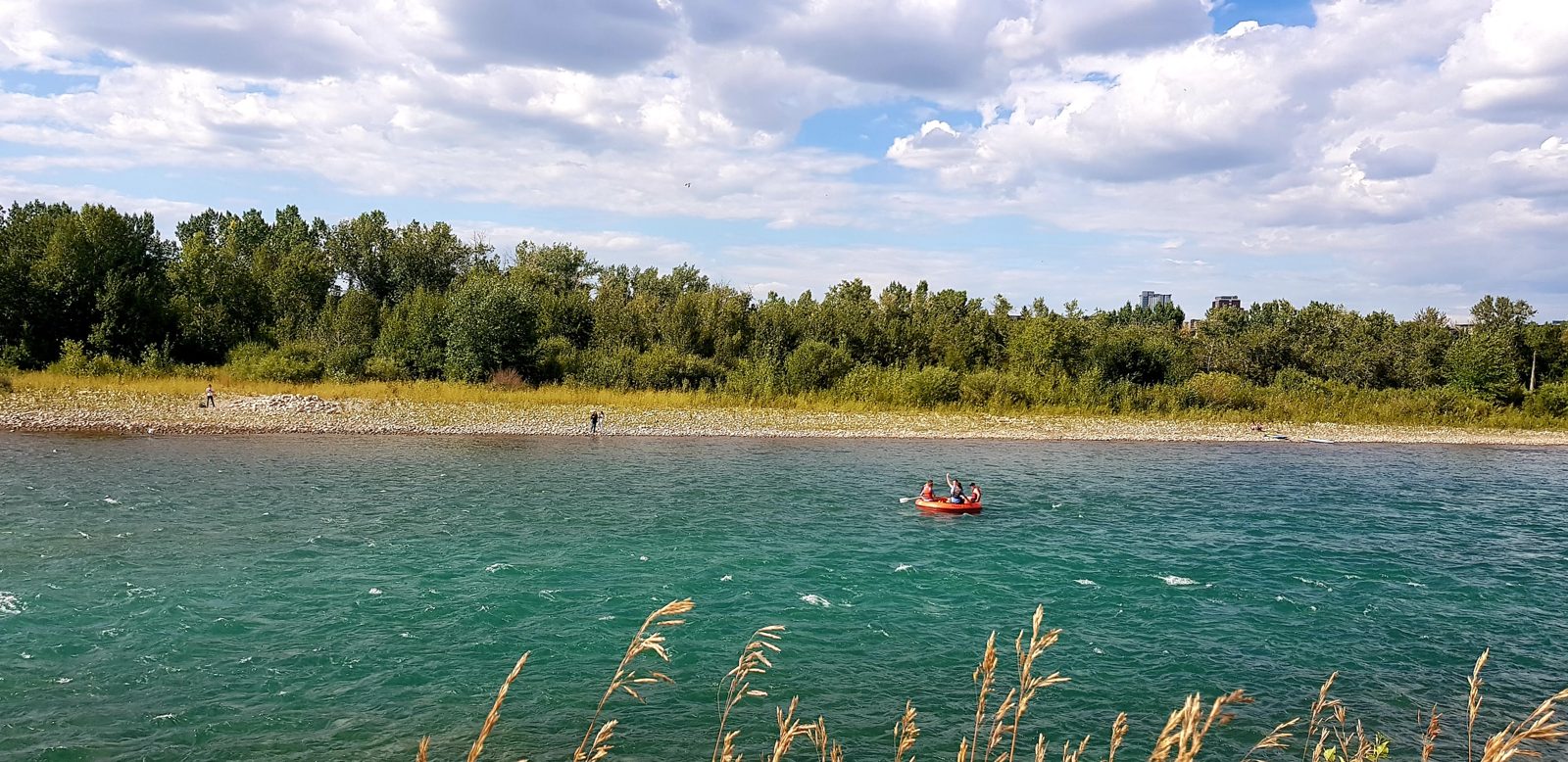
In the heart of this oil province, Calgary is paradoxically very committed to green transport: an efficient light rail, many bus lines and, above all, nearly a thousand kilometres of cycle paths and walkways! We take advantage of them to run along the magnificent Bow River into downtown, on paths completely away from cars, discovering Calgary's pretty skyline and its original towers. Unlike the Seine or the Rhône, the Bow's water is crystal clear, and locals swim, raft and canoe in it. Since Montreal it's the first Canadian city that really makes us feel life would be good here, and we greatly enjoy wandering its neighbourhoods. With more than three hundred days of sunshine a year, Calgary regularly ranks among the most liveable cities in the world.
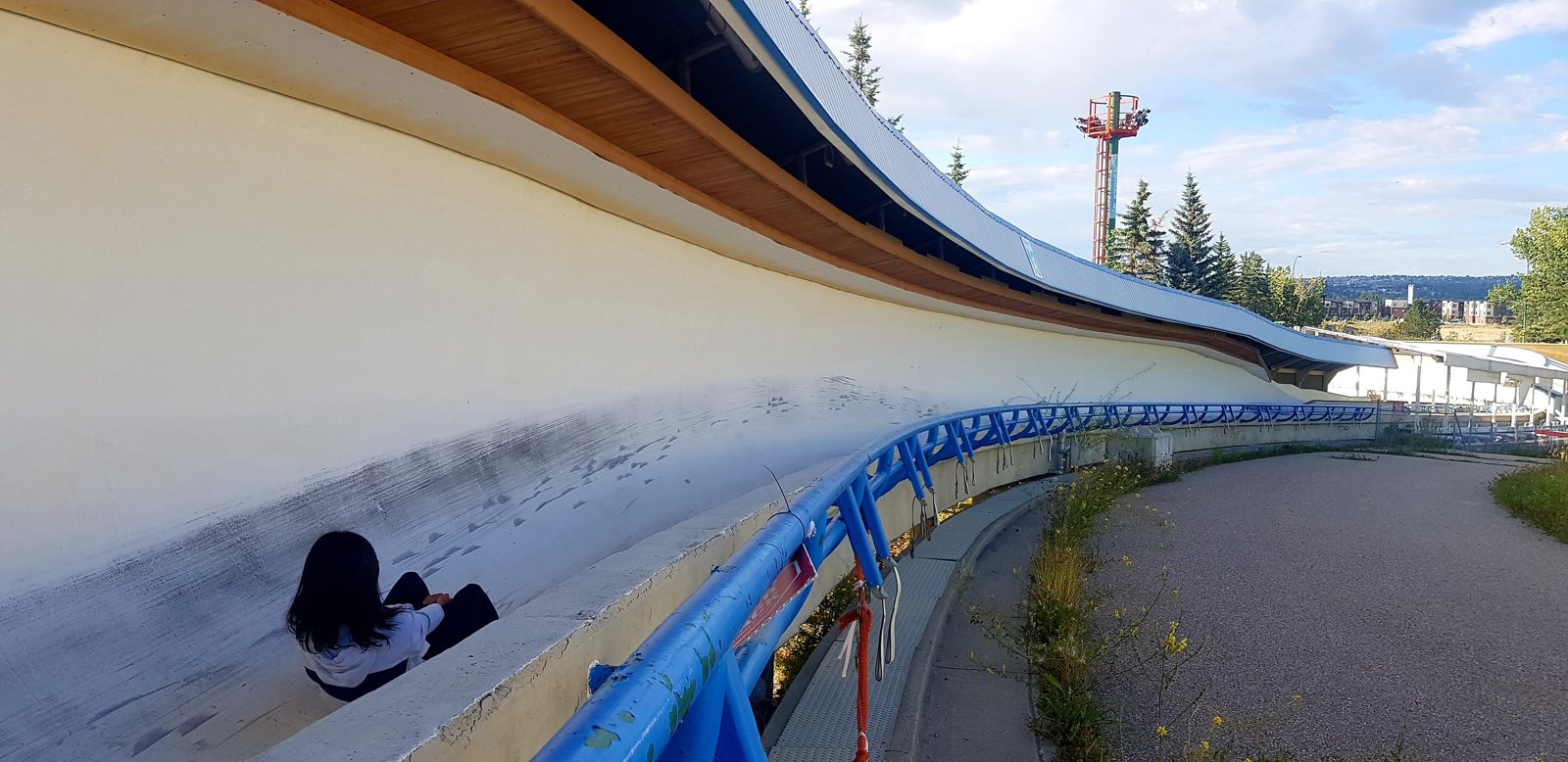
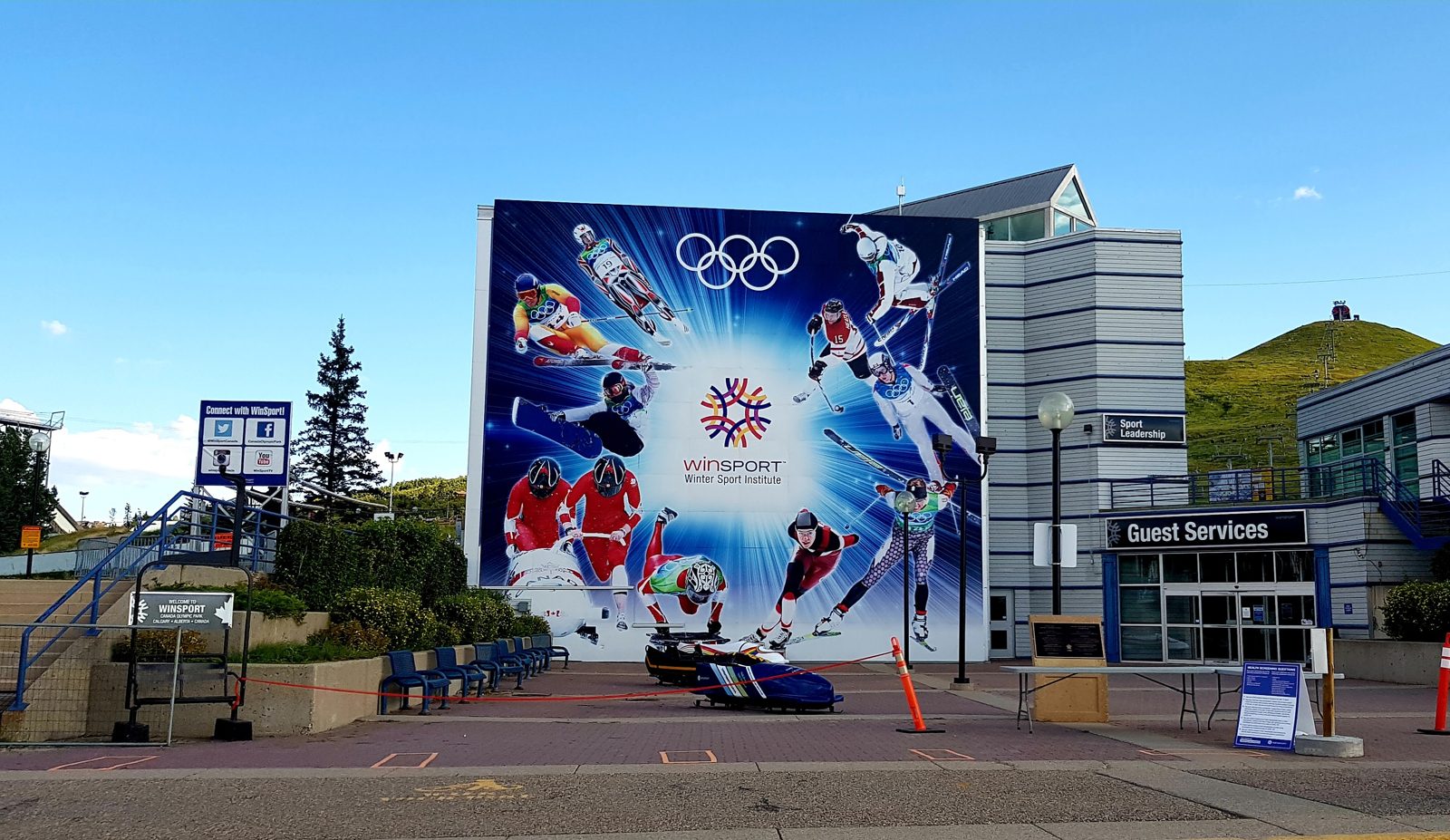
The centre is compact and keeps some fine historic buildings, witnesses to the oil boom and the momentum of the Olympic Games. Its great originality: a network of more than sixteen kilometres of “skyways”, suspended pedestrian bridges linking the buildings, very handy in winter when the thermometer stays below zero. And no visit to Calgary would be complete without its Olympic park! You don't need to have grown up a fan of Cool Runnings, like Cassandre, to know the story of the Jamaican bobsleigh team at the 1988 Winter Games. The track is still there, and since nobody's around, Cass climbs in to mime a run. Stéphane takes the chance to fly his drone over the site, where the ski jumps still stand.
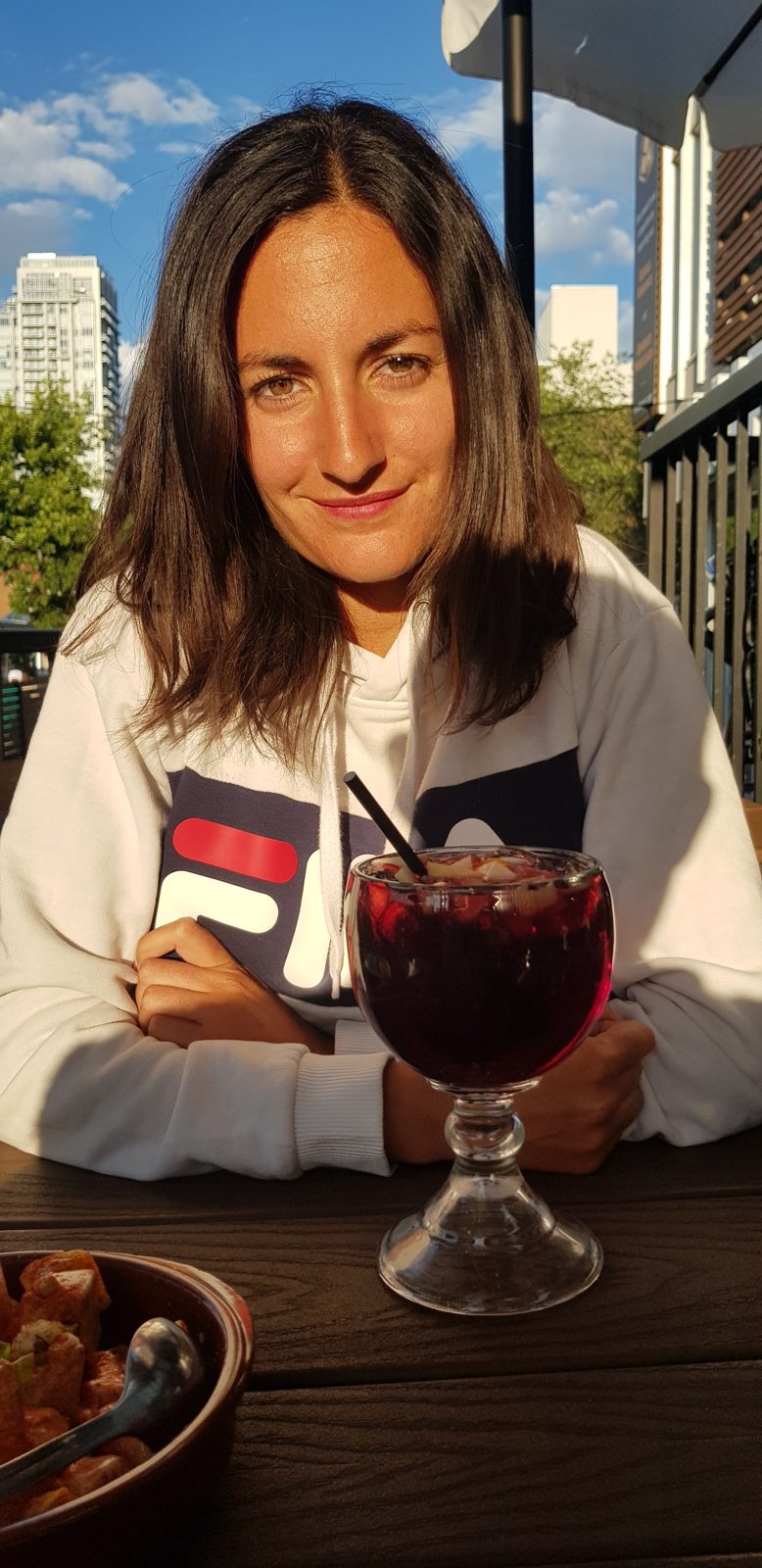
In the evening we stroll along 17th Avenue SE, nicknamed International Avenue for the diversity of the surrounding neighbourhood. Restaurants and bars from every culture line this big street. We stop at a tapas bar that, for once, isn't overpriced; North Americans struggle to grasp that tapas were originally a popular, convivial way to eat cheaply. The owner, a Spaniard from the Canary Islands, is lovely, and after a pint of sangria and a few tapas he offers us one last drink. We chat about life here, which clearly doesn't suit him or his wife, settled for six years: probably too wide a gap between their warm Latin culture and Canada's colder, more individualistic one. We can only agree: since the start of the road trip he's the first restaurant owner we've talked with, and he isn't Canadian. Coincidence? They're thinking of moving to Montreal, more European. Above all, he tells us, business is bad: however fresh and good his ingredients, Canadians are only interested in burgers and frozen fries. It's a bit reductive, but the facts are there: there's always a queue at the fast-food places, and the American junk-food chains are never empty.
Friday 14 and Saturday 15 August
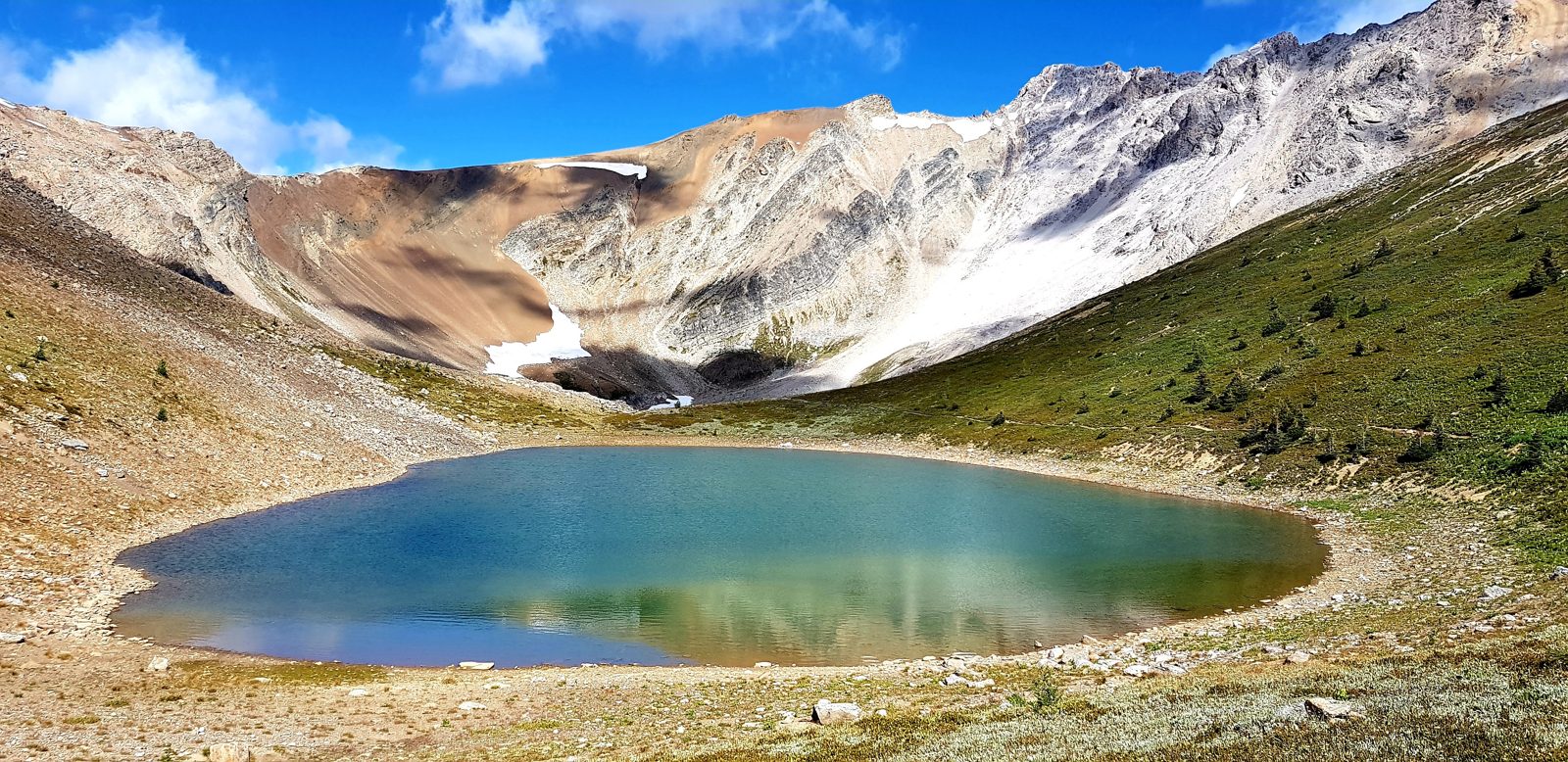
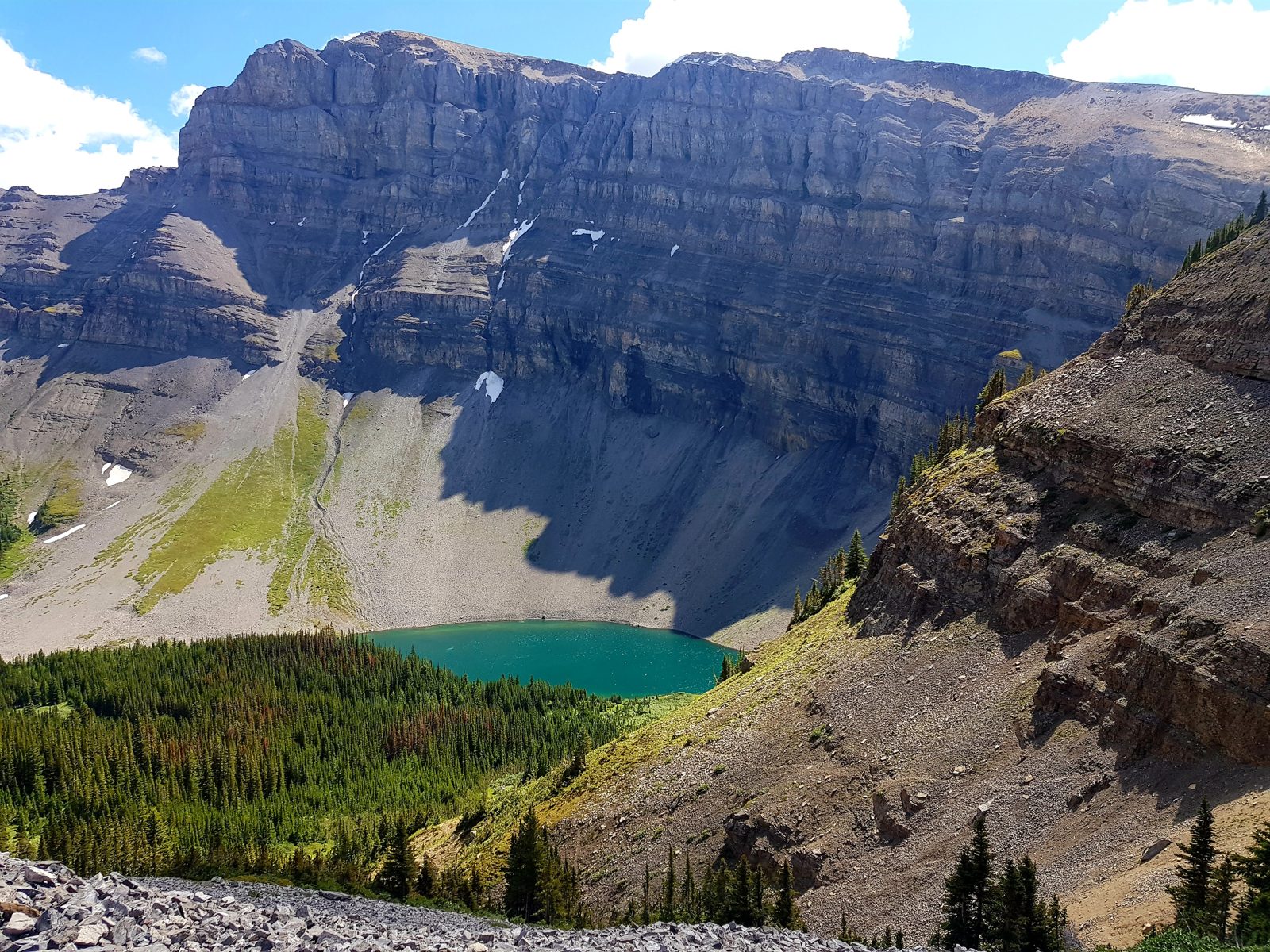
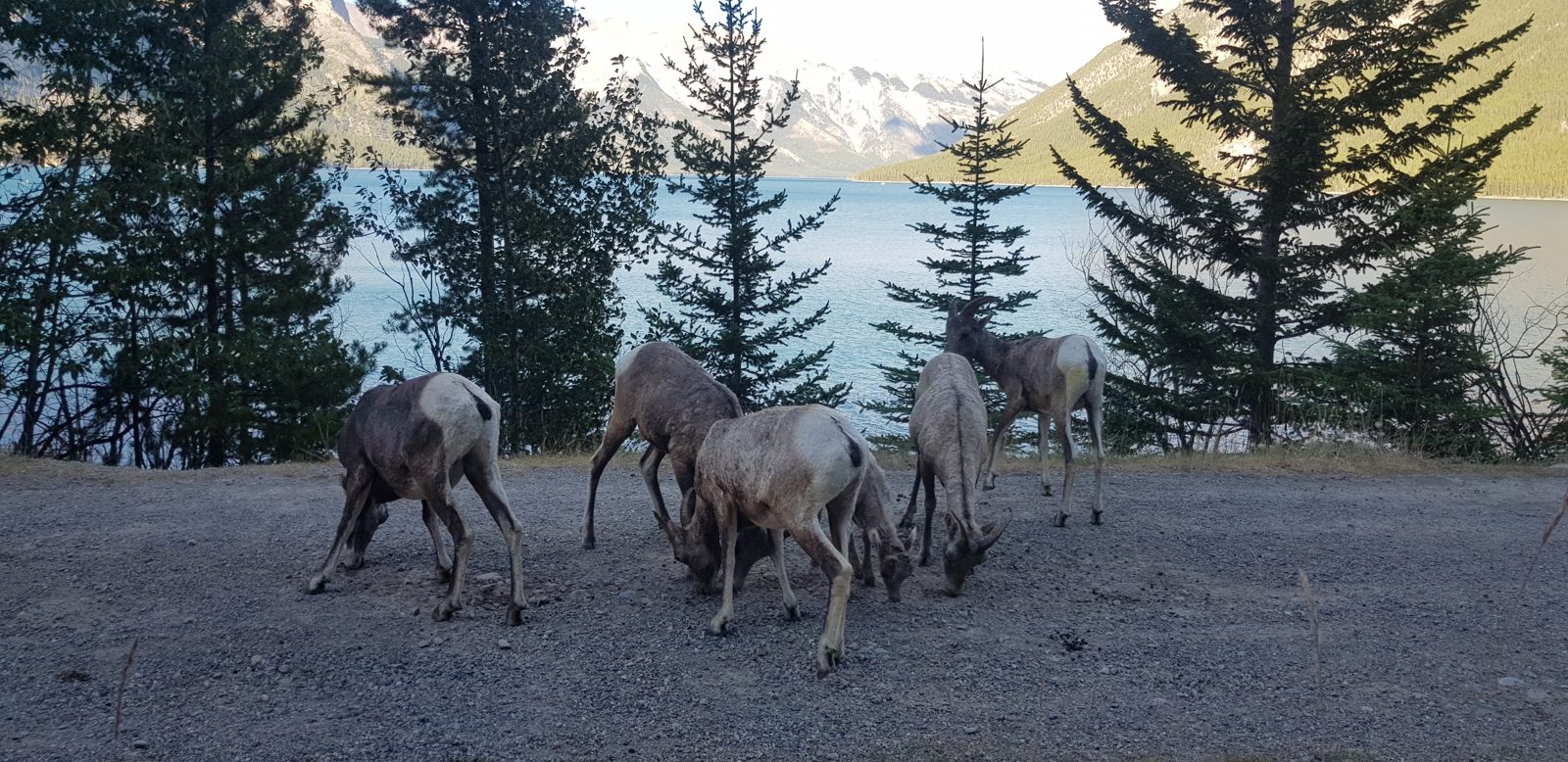
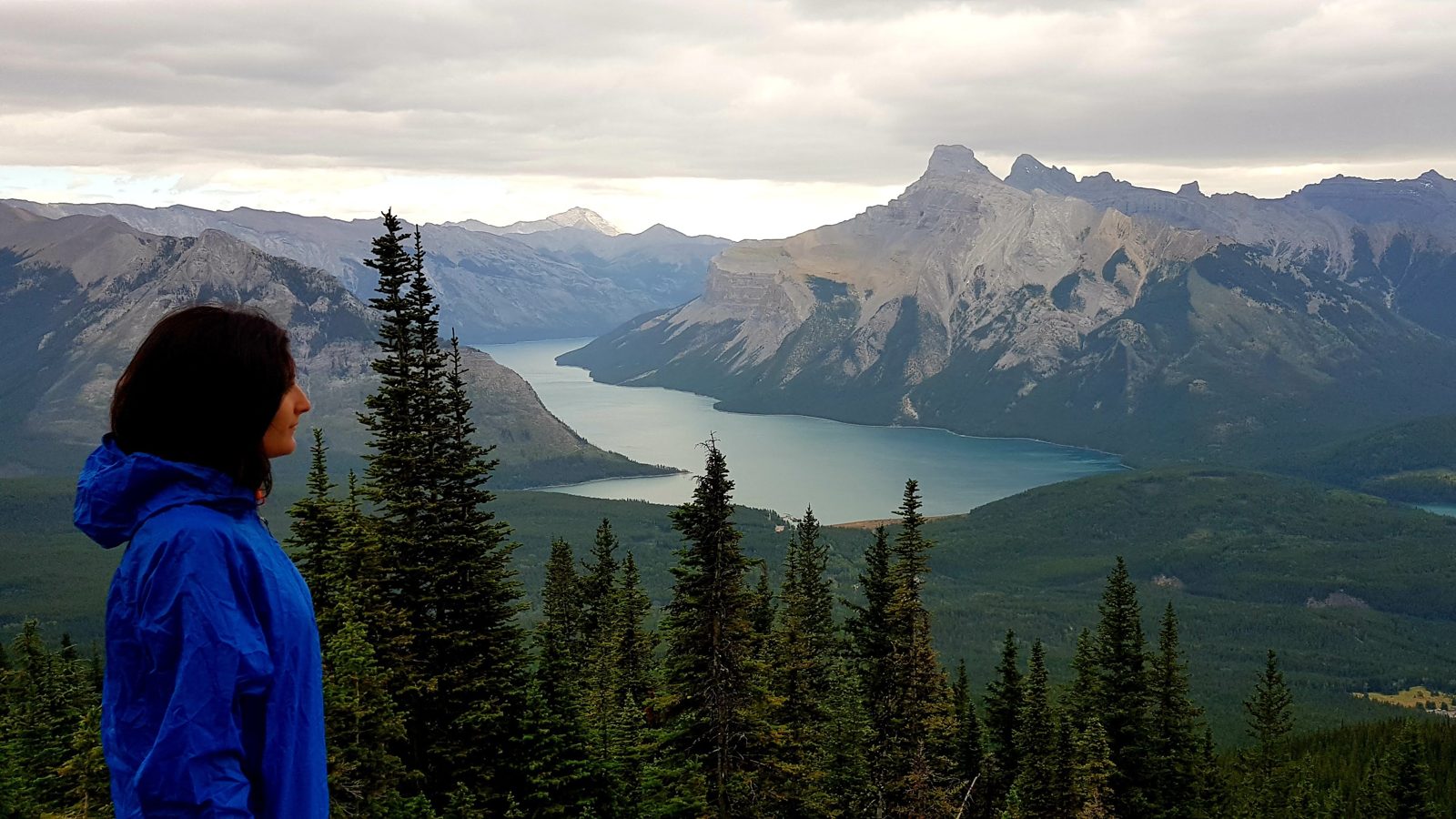
They say you should never look down when you suffer from vertigo. In Banff National Park it's the opposite: whatever you do, don't look up, you might take fright at this never-ending climb. Better to keep your head down and go slowly but surely. The C-Level Cirque trail packs seven hundred and fifty metres of climbing into barely four kilometres, and we reach the top on our knees. A UNESCO World Heritage Site, Banff is the country's oldest national park and by far one of its most spectacular. It's also one of the most visited in the world, and you soon see why: chiselled mountains, glaciers, emerald and turquoise lakes.
Beyond the views and the climbs, one thing makes hiking in Banff special: bears. Posters everywhere remind you that you're in their home, and the authorities ask everyone to act responsibly: leave no rubbish behind, don't panic if you meet one. The best way to avoid an unfortunate encounter is simple: make noise, talk loudly, sing, clap, play music or hang a bell on your pack. If, by bad luck, you come across a bear you can't avoid and it has seen you, the golden rule is never to run or turn your back, so you always keep it in sight. Bears rarely attack without reason, mostly when surprised or protecting their young. Injuries are extremely rare, as neither black bears nor grizzlies see humans as prey, unlike the polar bear, a pure carnivore that will go after anything that might feed it.
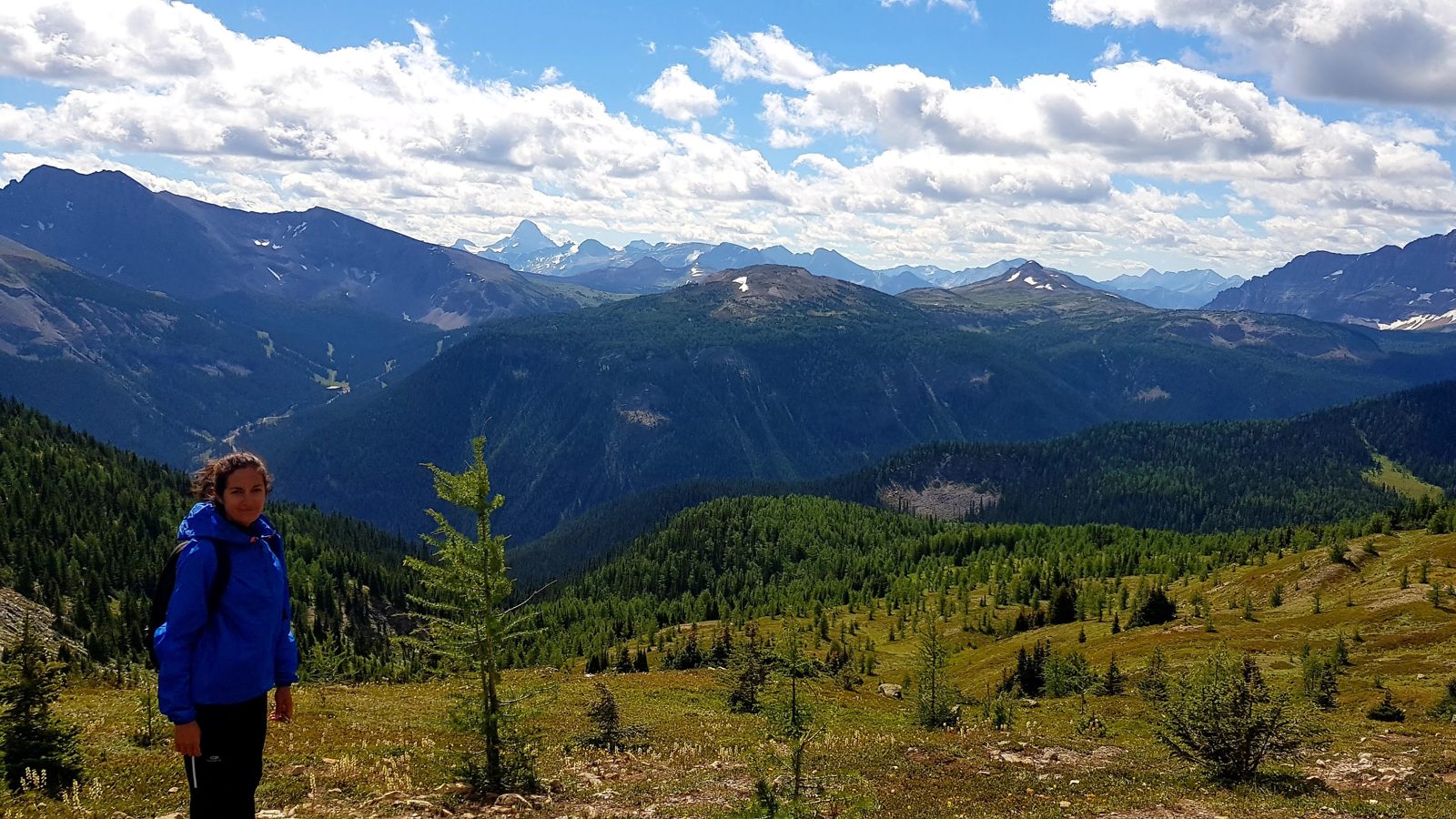
We string hikes together for ever more spectacular scenery. On Saturday, twenty kilometres there and back to Bourgeau Lake and Harvey Pass, at nearly 2,500 metres. Three hours of relentless climbing before reaching the pass, from where the view takes in the whole surrounding range: fine views have to be earned. The best-equipped hikers push on to the summit, four hundred metres higher. Our running shoes don't grip enough on this steep, loose trail of earth and small stones, and Cassandre already fell yesterday: we don't take the risk. The view is just as beautiful from here, and most walkers are content with it. Here we meet a cheerful family of Quebecers with very sporty children, on holiday mainly to hike. We've visited many countries in four years, but few places rival the splendour of these mountains.