
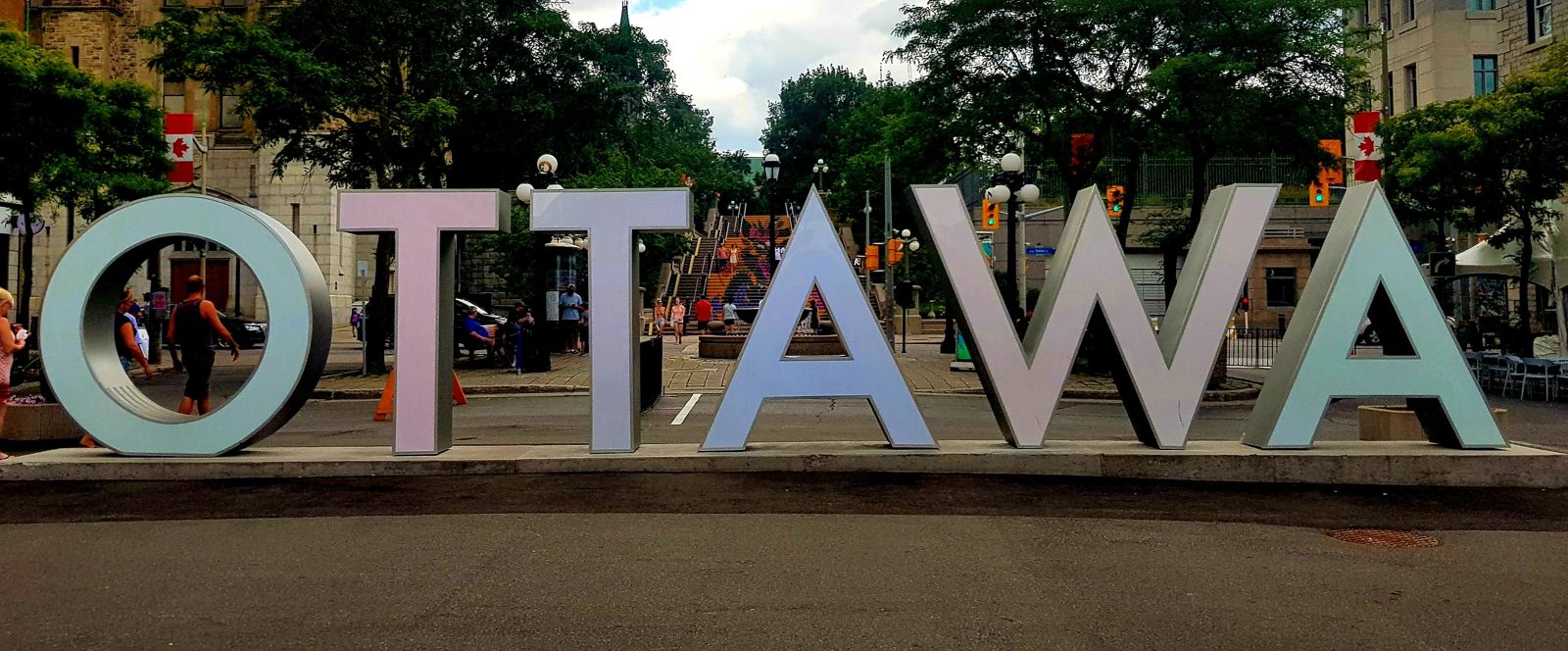
Sunday 12 July
Nine months we'd been in Montréal. Nine long months in which we'd had time to live a thousand new experiences, a thousand adventures, and to meet a very diverse range of people. Since leaving France four years earlier, it was the first time we'd spent so long in one place, let alone in the same apartment. We'd begun to put down roots, and it wasn't easy to cut them and turn them into a raft to set off on adventure again. Yet we had to if we wanted to keep living and discovering!
So on Sunday 12 July at noon, we said goodbye to Charlène, our flatmate, stopped by to see Guewen one last time, and there we were on the highway heading for Ottawa. You could tell the road was much less busy than the one between Toronto and Montréal, but then all government services had been shut since the start of the Covid crisis. The capital's only appeal lay in its administrative side, since it gathered all the country's bureaucracy: embassies, parliament, central bank, senate... We'd experienced the same thing in Australia with Canberra, which had the same set-up.
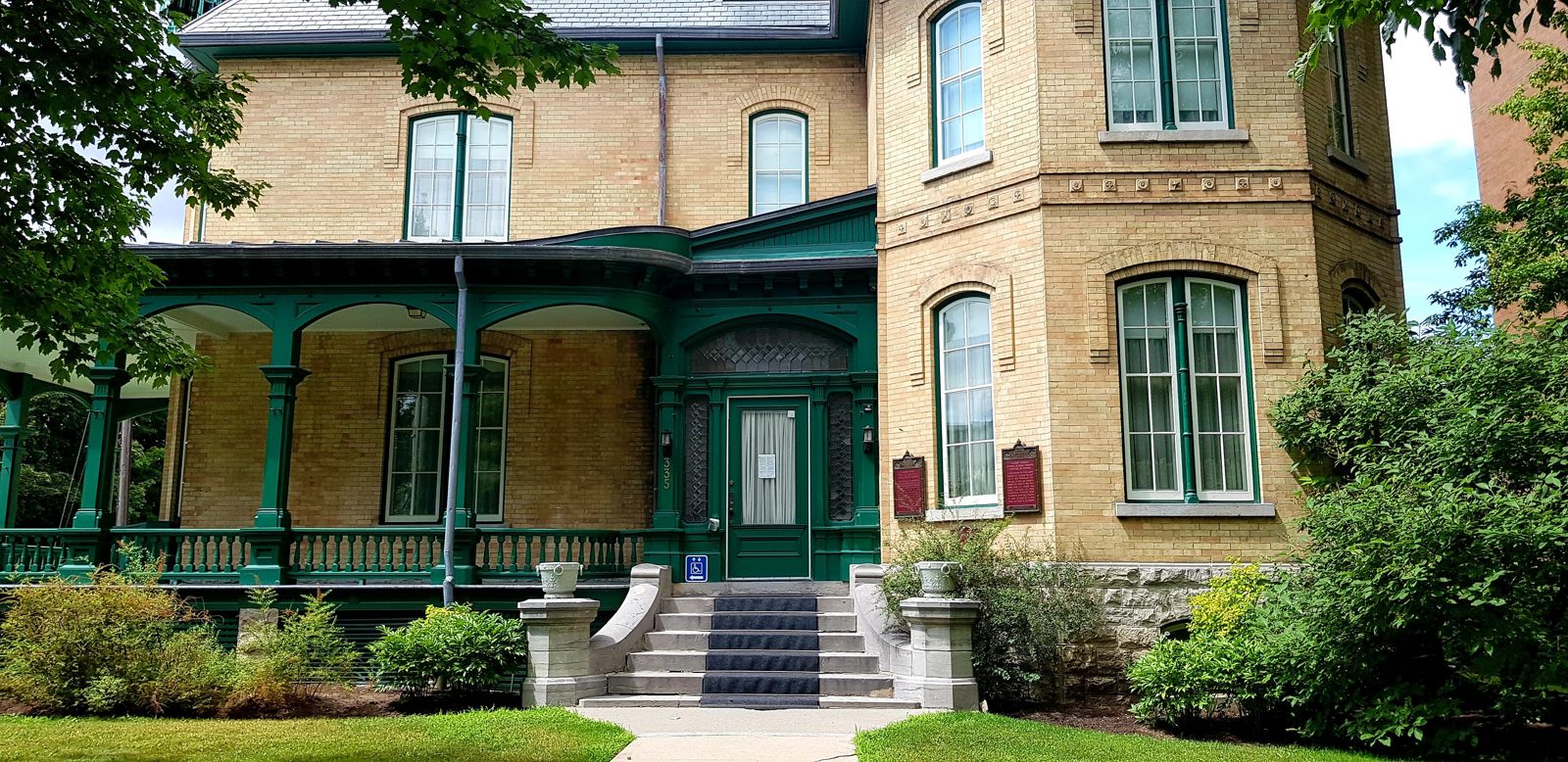
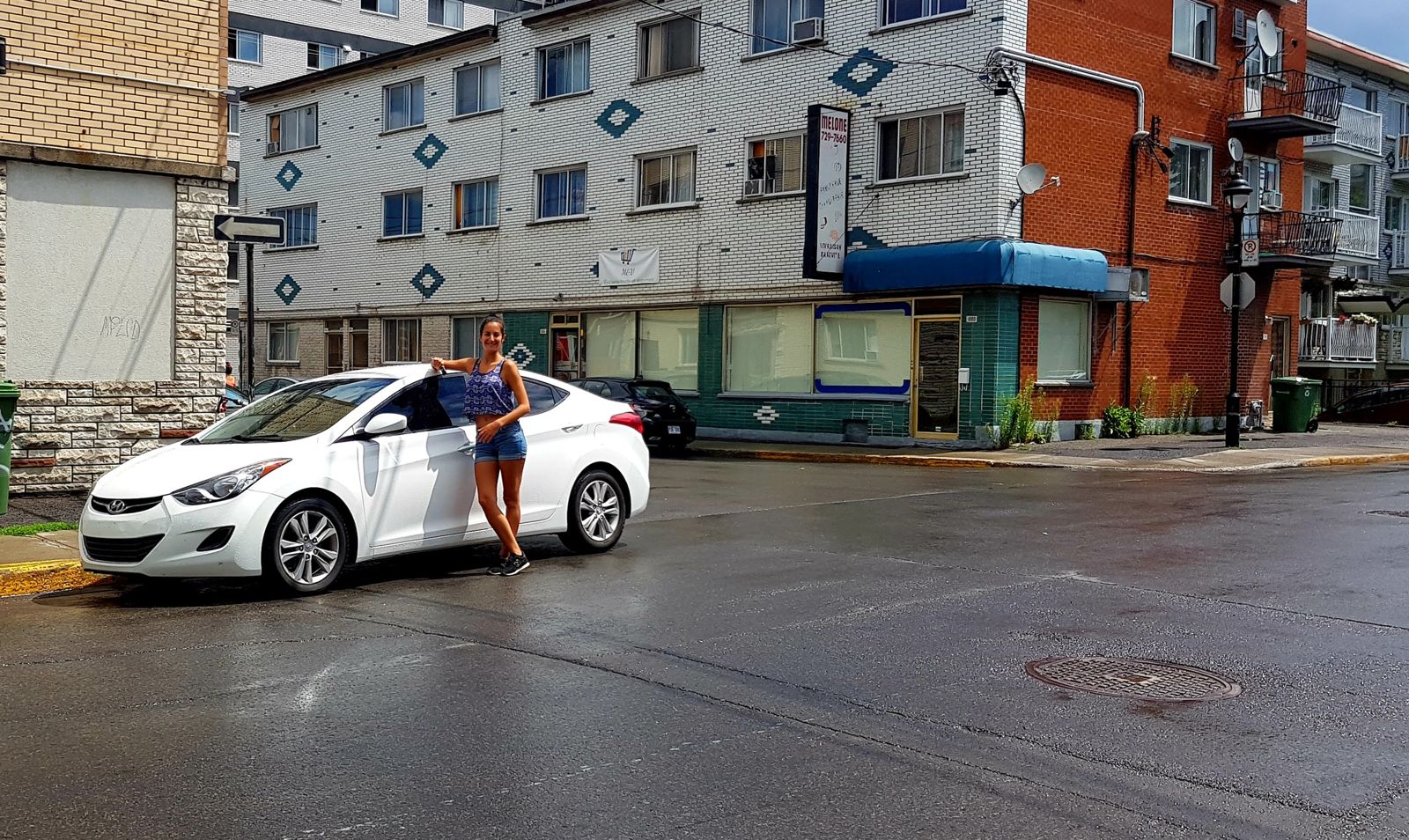
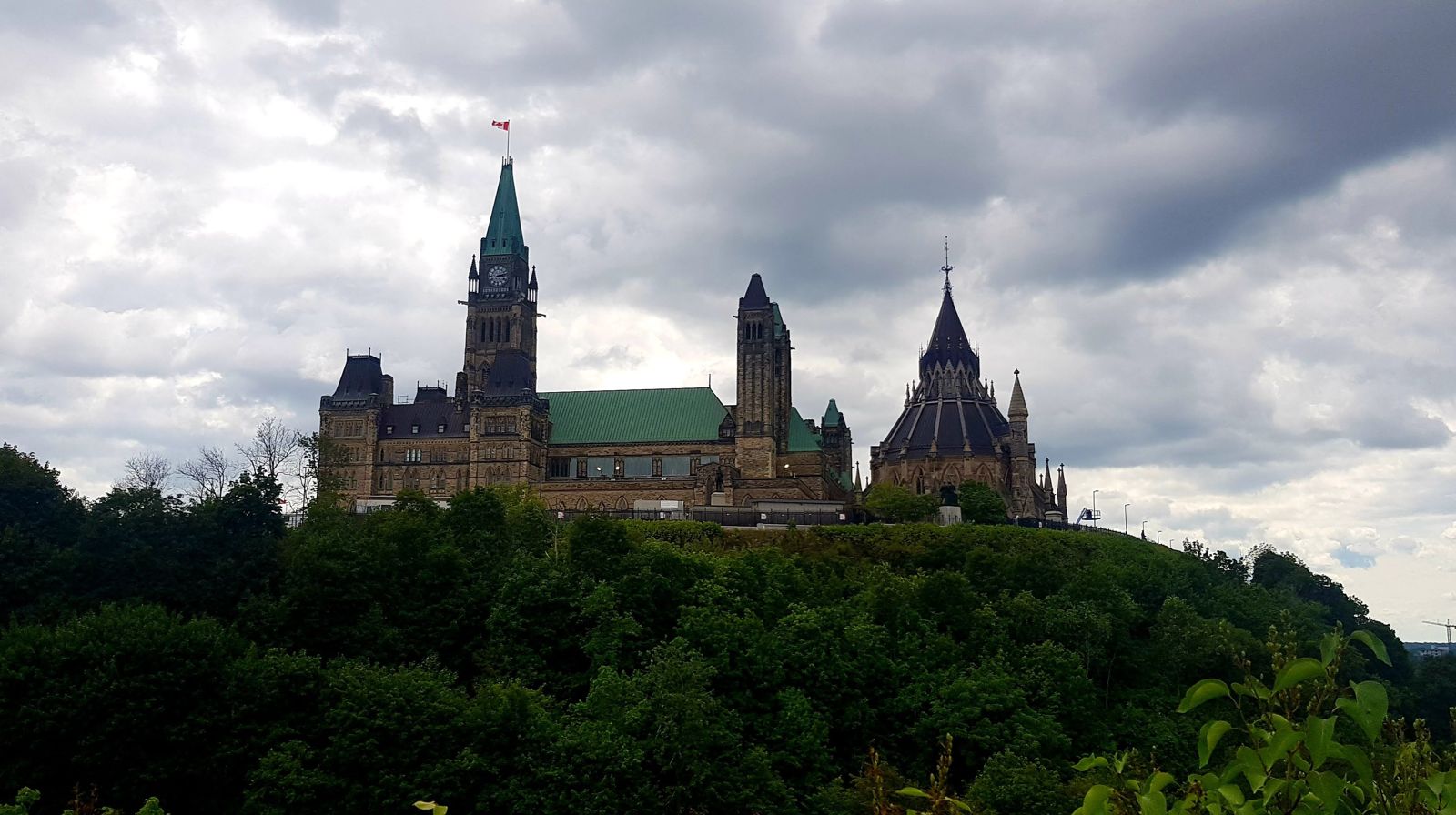
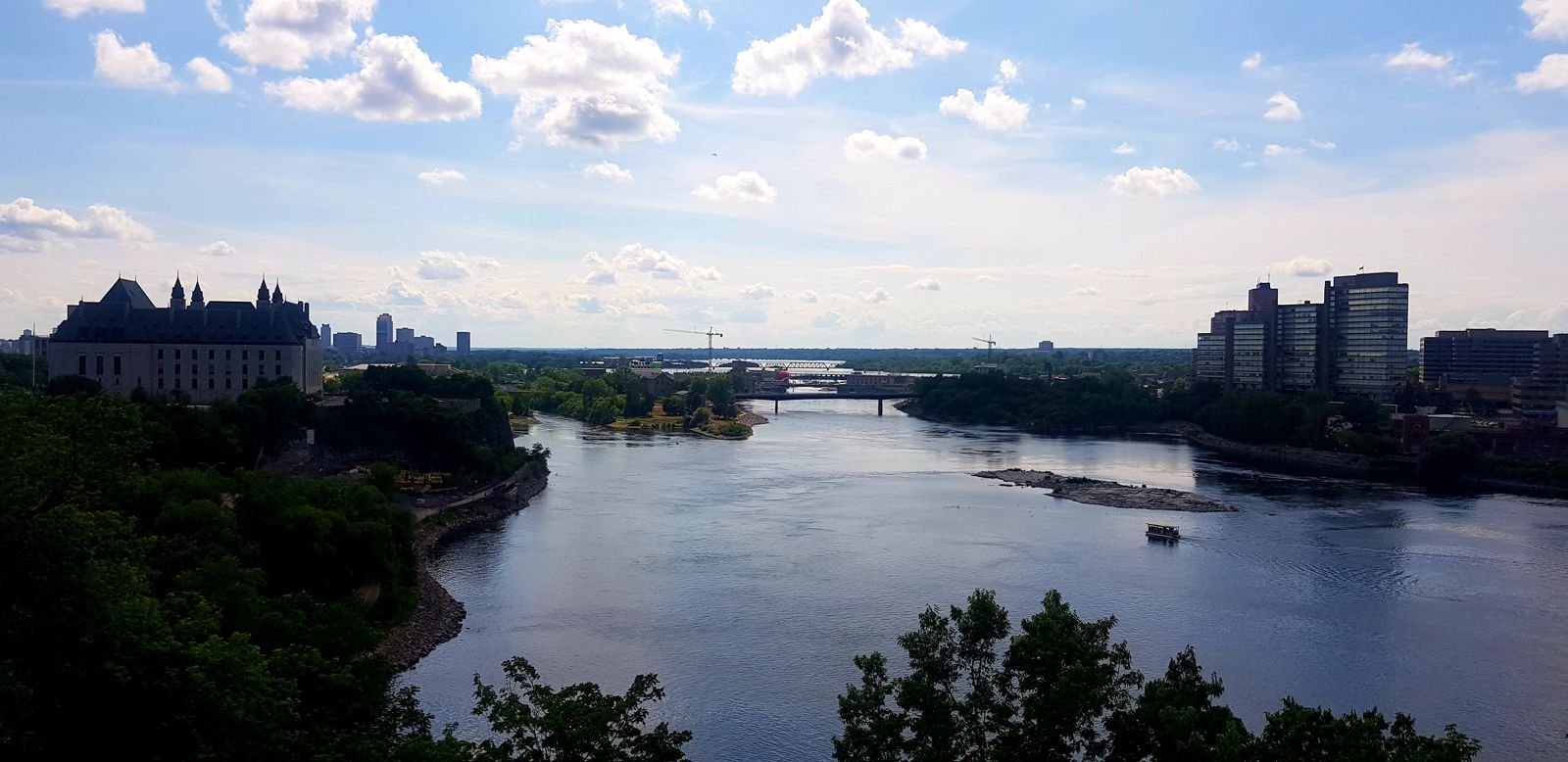
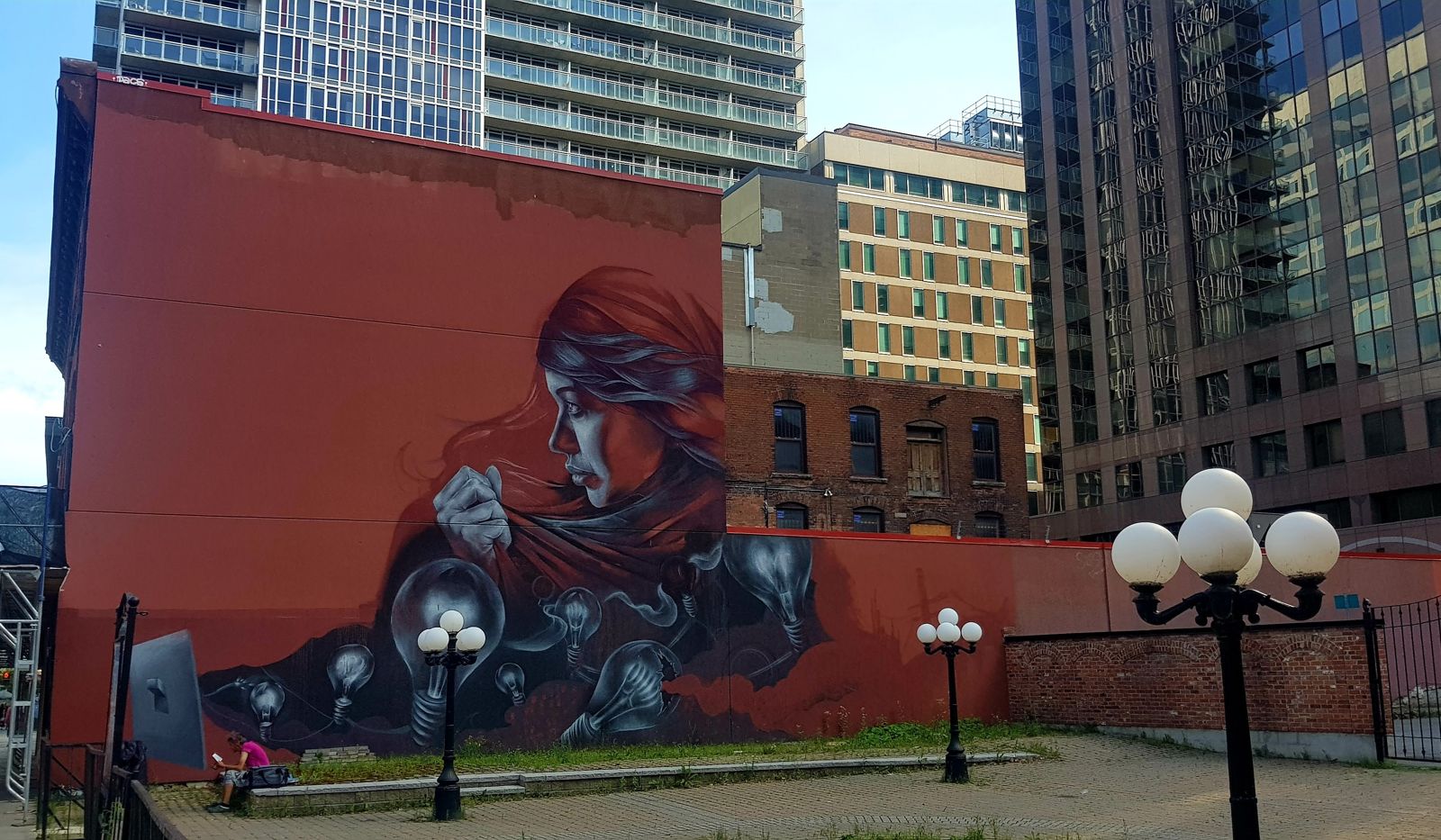
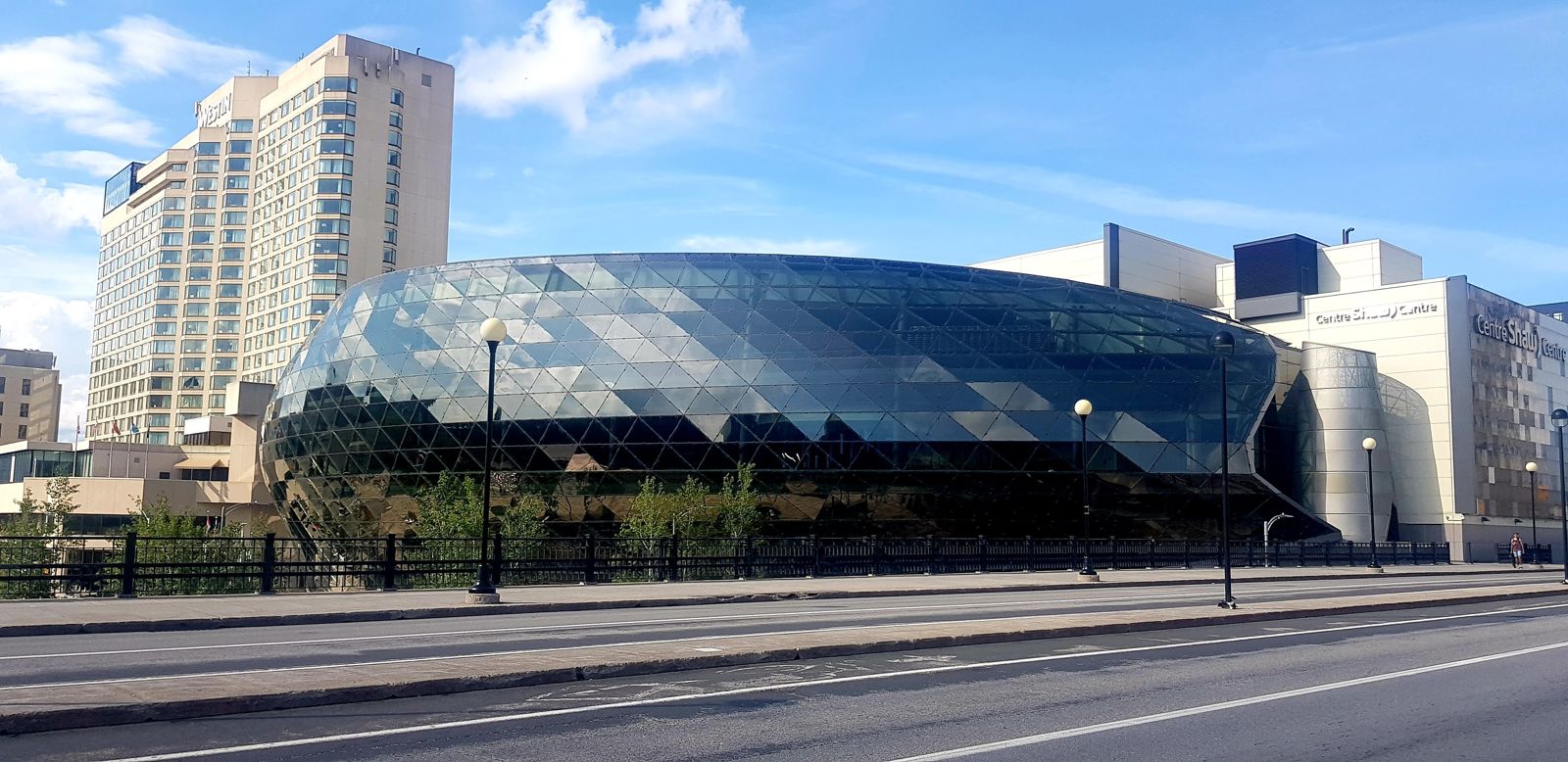
After an afternoon walking around the main sights of downtown, we came to the conclusion that the Montrealers hadn't lied to us: Ottawa wasn't a very attractive city. The architecture was strange, somewhere between modernism and colonialism, and apart from Parliament Hill the buildings weren't very beautiful. In the business district, just as charmless, there was literally a Starbucks on every corner, so much so that for the day the capital earned the nickname "Starbucks City" in our eyes. We couldn't even give the Canadian Museum of History a chance — very interesting according to Charlène — because it was closed too, of course. Our steps took us around historic monuments; we read the information plaques carefully and learned a bit more about Canada's history.
We also went near the official residence of the prime minister, Justin Trudeau, but the building wasn't visible to ordinary folk like us. After four hours of walking, we headed to the Ottawa suburbs to find our Airbnb. We were welcomed by an English-speaking couple in their forties, less friendly than we were used to through the app, and their adorable rescue pit bull. The house was big but in indescribable chaos. We suspected the man worked in e-commerce, because the living room was strewn with board games of every kind, and we knew it wasn't the woman, since the badge hanging in the hallway told us she worked for a government office.
We went out for a run along the Rideau River and did some shopping on the way back. To our great surprise, we were almost thrown out of the supermarket because we weren't wearing masks. We didn't know they were compulsory in all public places in Ottawa, and we were in a bind because we didn't have any. The manager let us do our shopping anyway but warned us that from the next day the police would start handing out fines. We really wondered how to get hold of masks if every shop stopped us coming in because we didn't have one.
Monday 13 July
The Ottawa River lay north of the city and marked the boundary between Ontario, where Ottawa is, and Québec. Crossing the bridge between the two provinces, we entered the Outaouais region (a fun fact: that's the Québécois pronunciation of Ottawa). Gatineau was the first city on that side of the river. This urban extension of Ottawa had a much more industrial feel than its neighbour. Before 2001 Gatineau was called Hull, and most locals on both sides of the river still called it that. The city was home mainly to a French-speaking Québécois community, though there were many on the Ontario side too. This is where you could visit the Canadian Museum of History, the very interesting museum we mentioned above, which was sadly closed.
Continuing a few kilometres north of the city, you entered Gatineau Park, 36,000 hectares of greenery, forests and lakes, very popular in the region. In summer you could hike, cycle, swim, fish and kayak there, and in winter downhill ski, cross-country ski and snowshoe. With all the Covid closures, it was the first time in several months that we'd done a proper hike. We set off on the "Les Loups" trail, one of the toughest in the park. After a steady hour's climb, we went from lookout to lookout with magnificent views over the valley. There were bears in the park, and several signs were there to remind us during our walk.
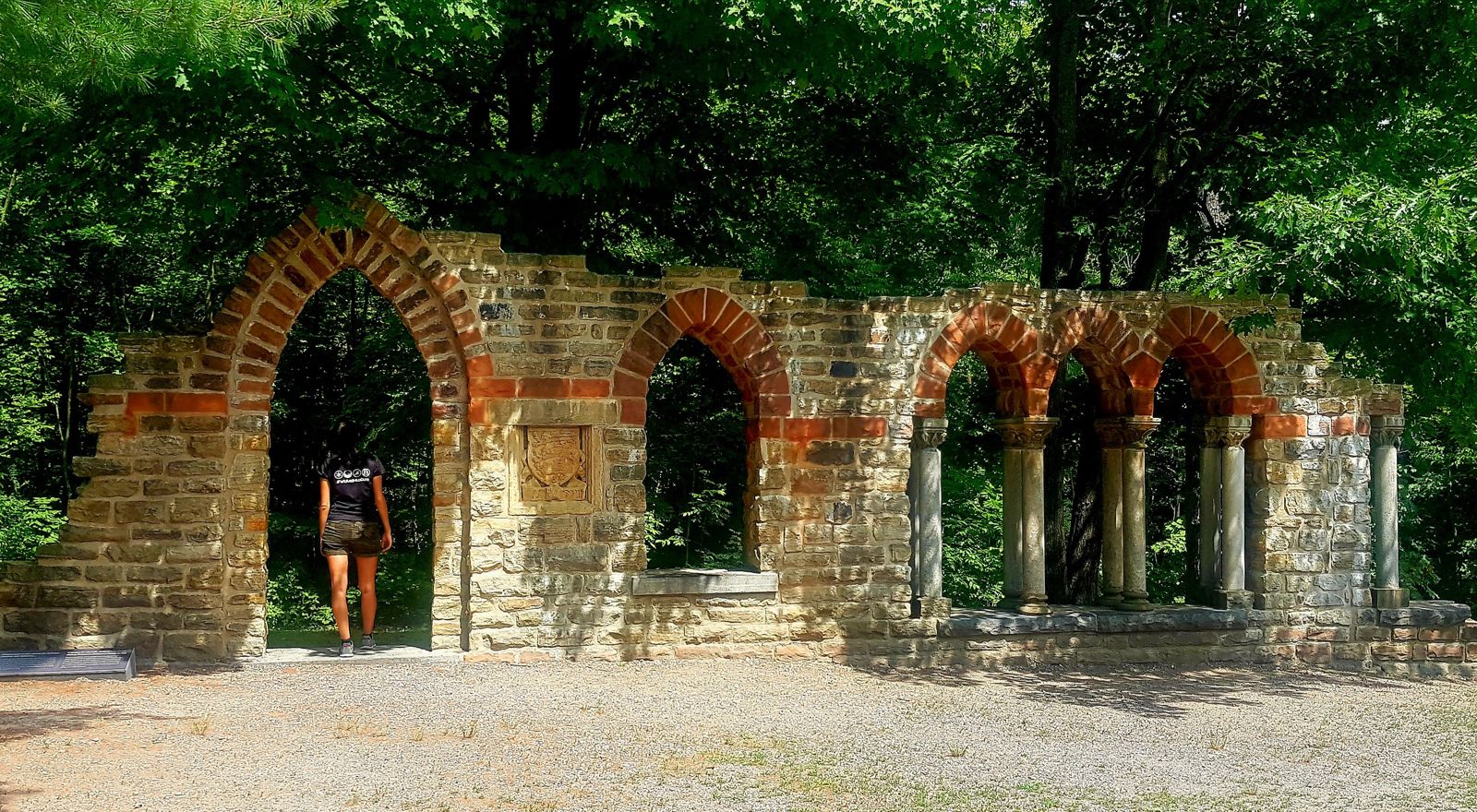
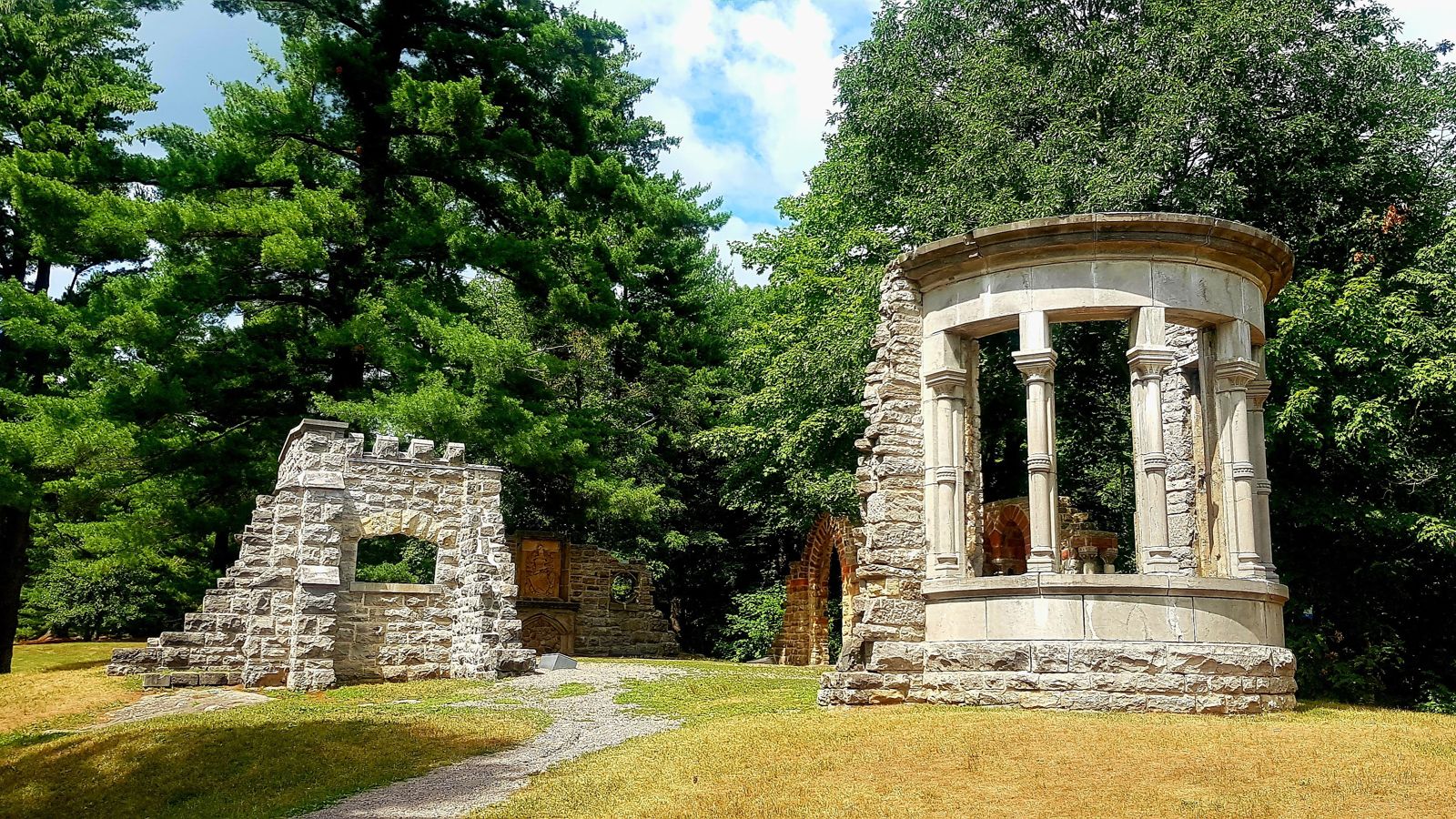
On the one hand we really wanted to see one, but on the other we wondered whether we'd be able to react properly in an untimely encounter. We knew how we were supposed to react, but how would we do in a real situation? Hard to say! After this good warm-up, we settled on the beach below for a picnic in the company of some rather bold geese. We then headed to another part of the park to visit the Mackenzie King Estate, named after the politician and tenth prime minister of Canada. For more than four decades, Mackenzie King spent most of his summers on the estate. He gradually enlarged and embellished the site and eventually owned 231 hectares. In 2013 the cottages were restored and now house interactive exhibitions that take visitors back to King's time. He bequeathed the entire estate to the Canadian people.
The place was very peaceful and made you want to spend the day there. All the same, we got back in the car to go to Pink Lake, which despite its name wasn't pink but rather turquoise green. It was named after the Pink family, Irish settlers who established themselves on this land in 1826. It was the proliferation of microscopic algae that gave the lake its green colour, and although the phenomenon was beautiful, it was very harmful, as the vegetation was gradually taking over the oxygen and suffocating the lake. Moreover, unlike other lakes, the bottom and surface waters never mixed. Normally, water layers mix completely every year, allowing nutrients and oxygen to spread evenly.
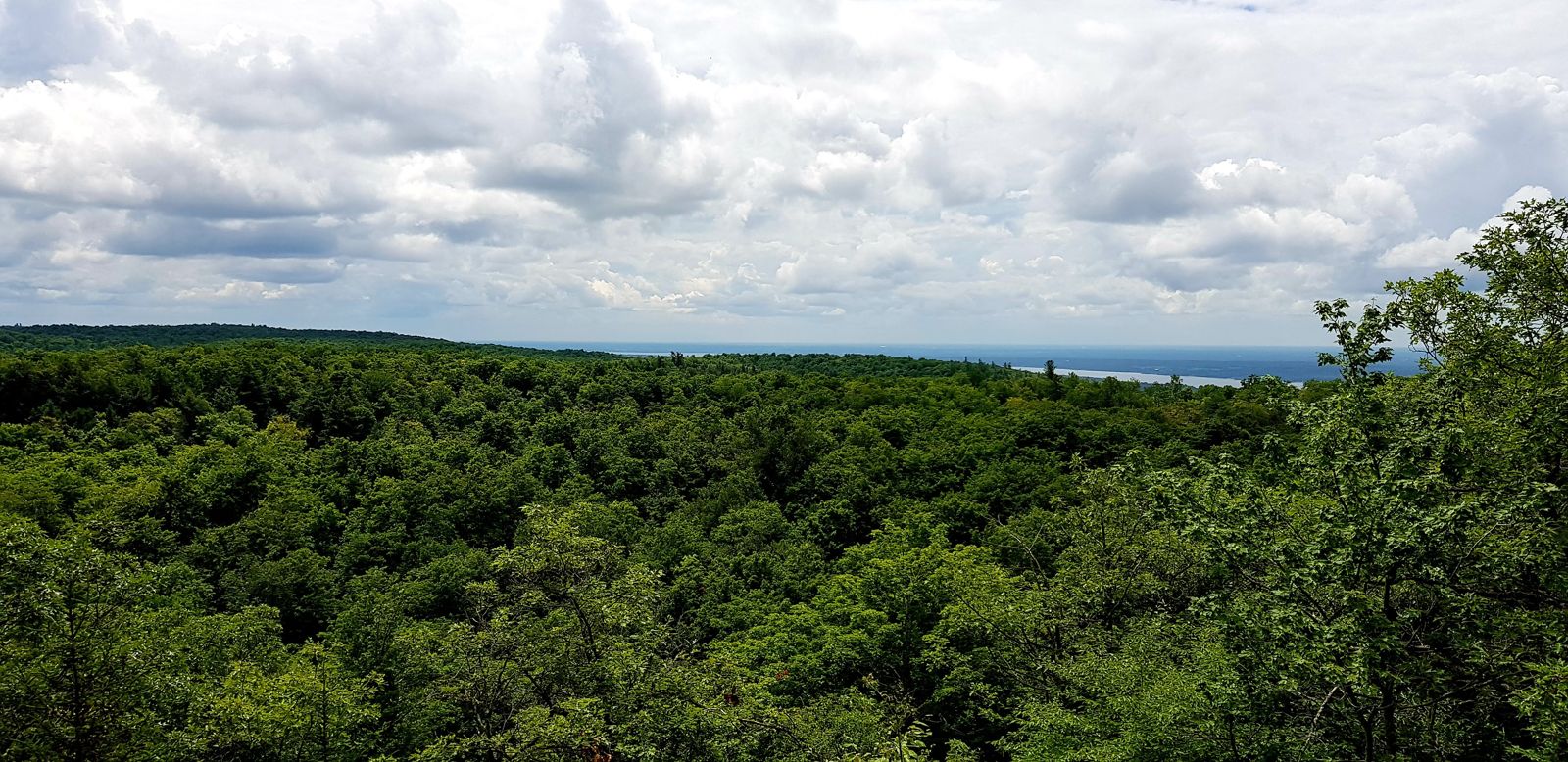
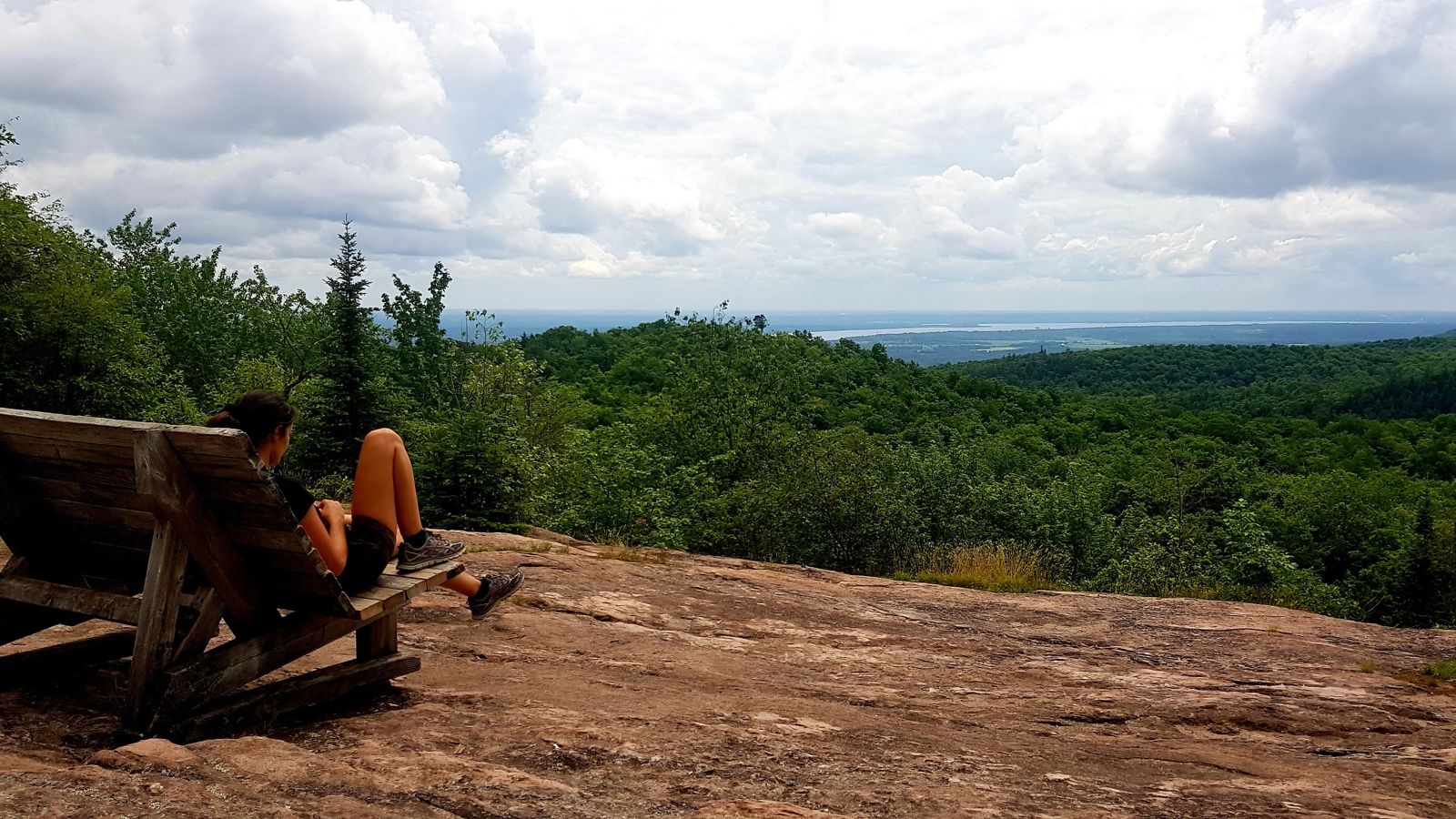
Because the lake's layers didn't mix, the bottom seven metres were starved of oxygen, so no fish could survive there. The only organism living there was a prehistoric bacterium. Before heading back, we made a quick detour to Walmart to stock up, as the next day we were leaving to camp for three days in Algonquin Provincial Park, three hours' drive west of Ottawa. We went to the one in Gatineau, on the Québec side, since the law there allowed us in without a mask. That's another peculiarity of federal countries: laws can differ two kilometres apart. We'd got used to it in Australia, and it was the same in Canada. Each province had its premier making decisions for its own jurisdiction.