
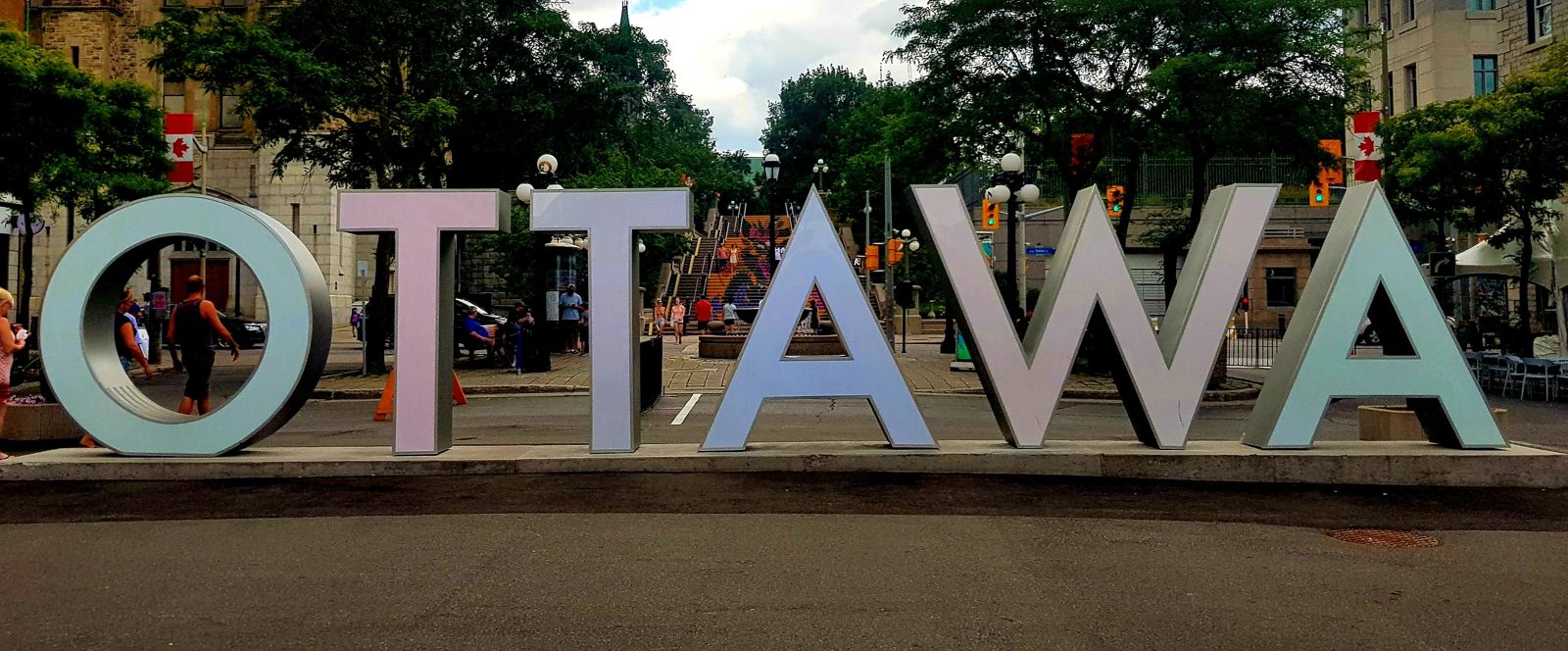
 ← PreviousNine months in Montreal, a Sunday in Ottawa
Tuesday 14 July
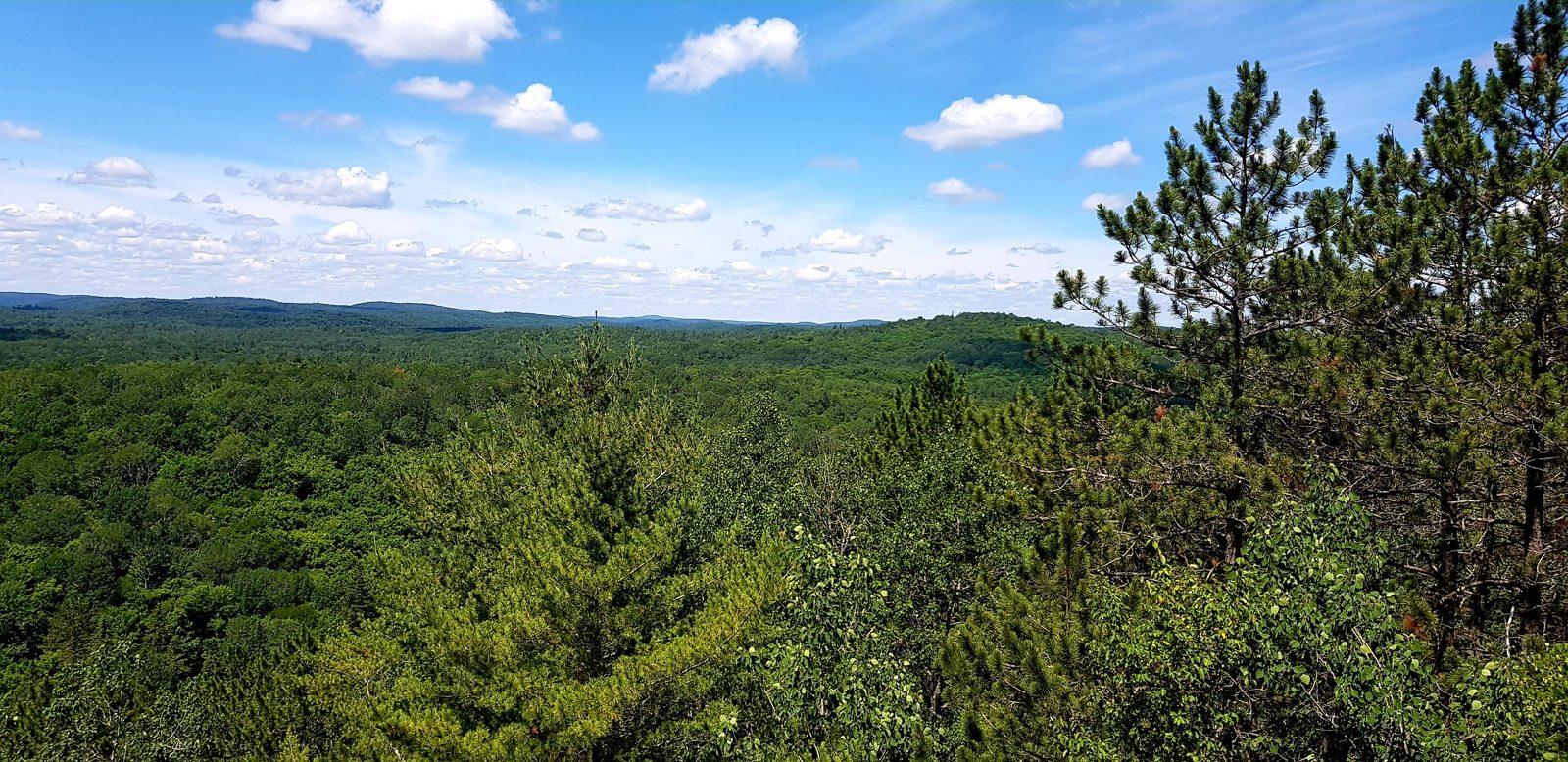
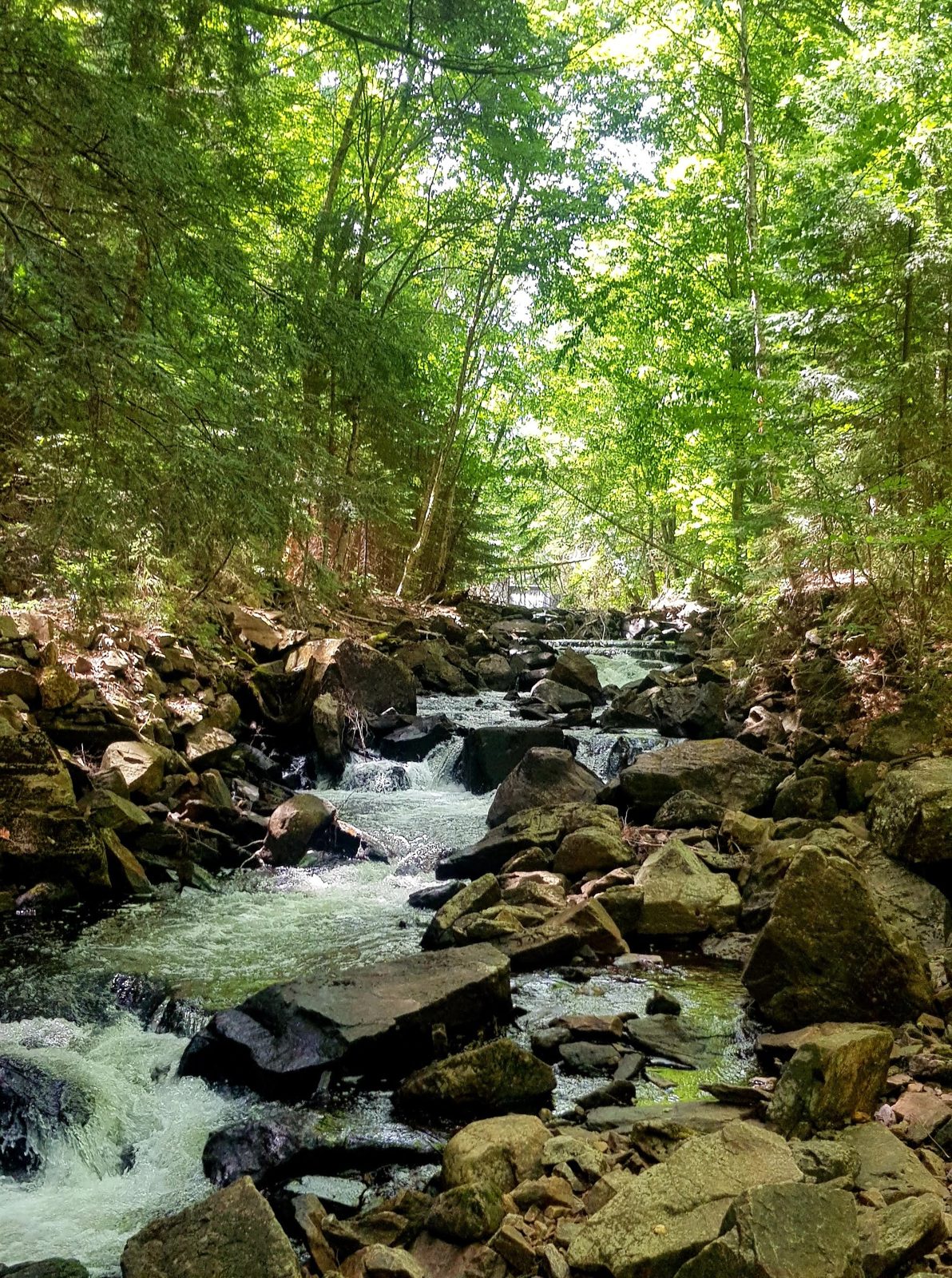
On France's national holiday we set off at 9 am to cover the 270 kilometres to Algonquin. A nasty surprise on arrival: Stéphane's phone has no signal, and his SIM card is our only link with France and with our road-trip research. Never mind, it's only for a few days. Sandwiches eaten, trainers laced, we tackle a first trail. Two hundred and thirty metres of climbing, enough to make us sweat all the way. The path mostly runs through the woods, opening here and there onto viewpoints. We walk past several marshy lakes, step over a river and its little waterfall, then climb a long flight of steps that remind our hearts not to dawdle, to reach a lovely view over the surrounding hills, all dressed in green. Few brave souls on the path, but insects galore: despite the repellent, we're each bitten a dozen times. Two and a half hours later we're back at the car park, not sorry to be done.
Next we go to the Canisbay Lake campground to check in. Site 59: we pitch the tent and inflate the mattress so we're all set for the night. The place is basic, a small clearing among the trees with a wooden table, a fire pit and a parking space. It seemed inconceivable before we saw it with our own eyes, but Covid oblige, the showers are closed. What's more, it's forbidden to wash in the lake or bring your own camping shower. So we've paid the modest sum of 52 dollars a night for a rustic site with no water or electricity and no way of getting clean. Luckily we'd anticipated it: we use the lovely beach to sunbathe for a few hours and wash with natural soap when the sun starts to sink. The other campers clearly do the same, because it's unthinkable to go several days without washing with a body of water within reach.
Back at our site we christen our cooking gear. The stove is a bit odd, but we follow the instructions to the letter and make instant rice with a cucumber. Not exactly a feast, but it feeds a man and a woman! Stéphane's father is in hospital, and he's worried at not being able to get news. So we drive to the only shop in the park, hoping to pick up Wi-Fi. Our phones detect the network, but the cashier warns us it doesn't work. Strange… We buy a few things, including head nets so we won't be pestered during hikes, and go back to camp without having connected. Tomorrow morning we'll have breakfast at the visitor centre at the park entrance to use its Wi-Fi.
Before bed, a trip to the toilets leaves us speechless: they're in a deplorable state. Where does all the rental money go? We wonder. A large and very noisy group of Indians forces us to dig out the earplugs again. The height of it is that we'd chosen this site on purpose, in a “radio-free” zone of the campground, supposedly free of any noise, TV, music and so on. Clearly, for this group, roaring with laughter and shouting to each other doesn't count as noise.
Wednesday 15 July
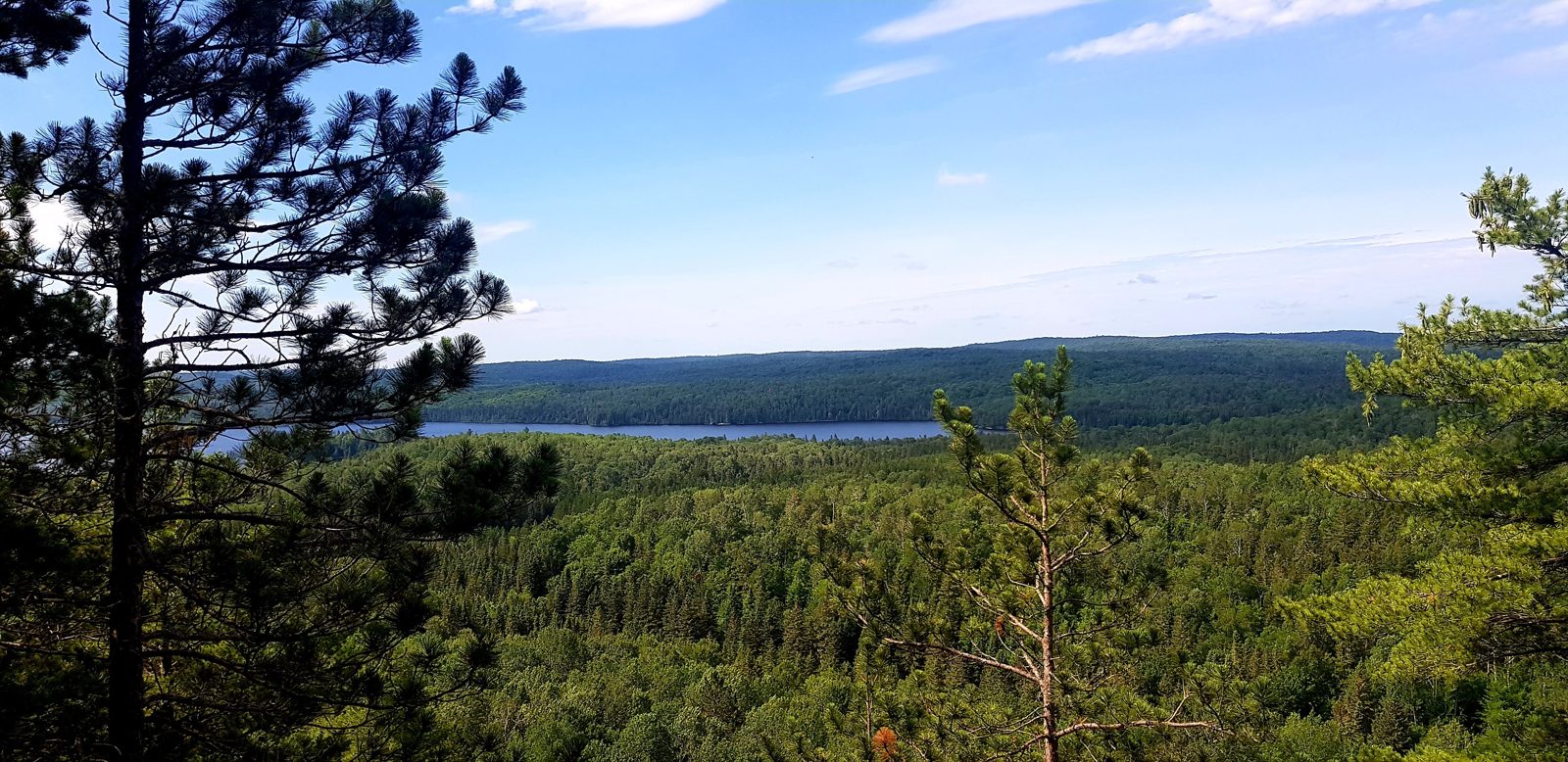
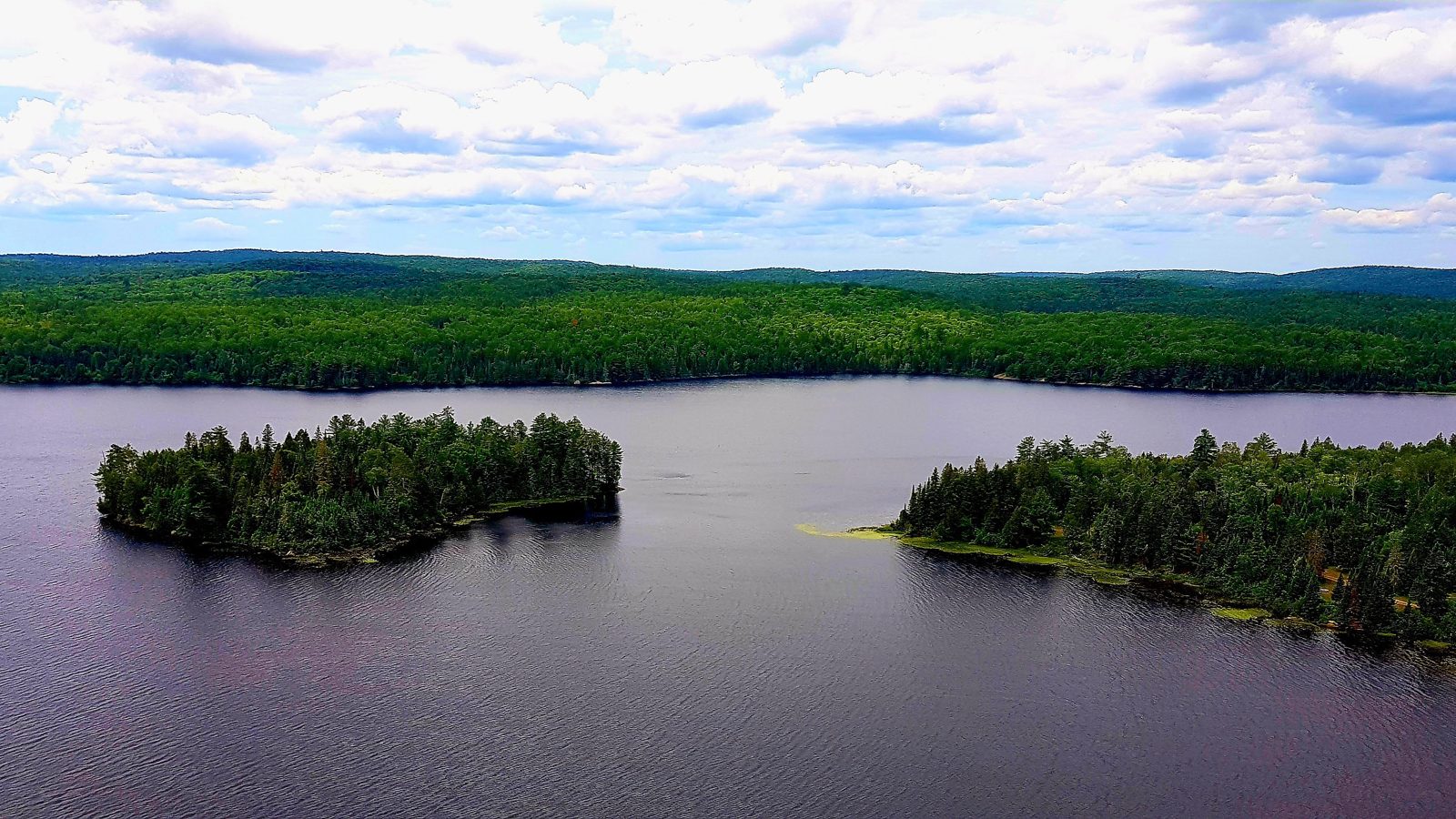
We wake to birdsong and the scurrying of squirrels in the undergrowth. We surface slowly and, after a quick wash, head to the visitor centre twenty kilometres east. Brioche and Nutella for breakfast, and at last, internet! The news is reassuring: Stéphane's dad is better. With light hearts we tackle the Centennial Ridges trail, the toughest and most popular in the park: a ten-kilometre loop with 460 metres of climbing. It's cooler this morning, the wind has picked up, and we move with a lighter step than yesterday. The trail is rough in places, but it keeps returning to those famous ridges, with breathtaking views over the park's hills, one lake here, two there. As yesterday, we meet few people and keep a good pace, so the loop is done in under three hours.
We go and make lunch at the picnic tables around yesterday's shop, and Stéphane goes back to ask whether the Wi-Fi works today. Surprise: the old lady at the till tells him it works perfectly well, but it isn't shared. After all, why offer Wi-Fi to tourists in a tourist area? Next door, a little fast-food place selling burgers and other junk is overrun. We clearly don't see camping the same way: for us it's a chance to reconnect with ourselves and nature, to eat simply, not to wolf down burger and fries at lunchtime… After lunch we set off on a shorter hike. The park is still swarming with mosquitoes and we walk with nets over our heads, unafraid of looking ridiculous: better that than itchy bites. An hour and a half later we're done, and not sorry: without quite realising it, we've covered seventeen kilometres since this morning.
We then head west to a canoe rental place. The young woman who serves us isn't very friendly, quotes prices nearly double the competition's and seems unable to tell us anything about day trips. It's also impossible to book a kayak in advance for a single day; for more than two days, though, you can. If we want a kayak tomorrow, we'll have to turn up in the morning: first come, first served. The logic escapes us, but we accept it. Time to enjoy the beach and our sublime little lake. It's so lovely on the shore that we stay on until dinner. We claim a little wooden table and get out our utensils. It's 7 pm, the sun is sinking and the light on the water turns a dazzling gold. Paradise?
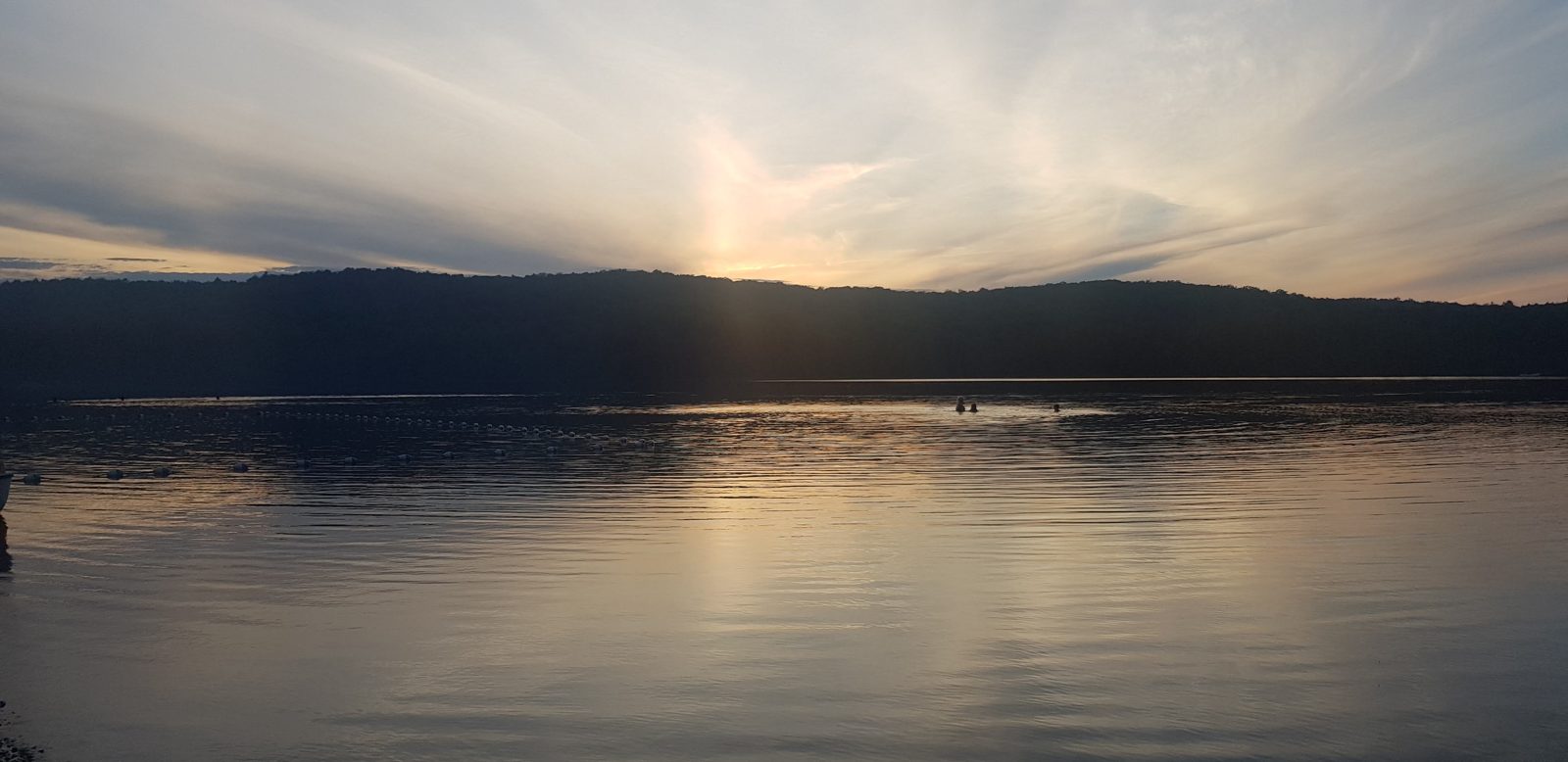
Almost, if the stove didn't start giving off a strange smell of burnt plastic. Touching it, we find its edges are scorching, and we turn it off to examine it. Verdict: the burner plate is fitted upside down, which the instructions don't mention anywhere. You have to turn it over so the hot air can escape normally. We came close to disaster, but at last we can enjoy our pasta with tomato and tuna sauce while watching the breeze stroke the lake. We stay until sunset, then return to our tent, where the silence is perfect since yesterday's troublemakers left.