 ← PreviousA Sunday in Ottawa: exploration and discovery
This morning Stéphane received dozens of alerts from his Canadian weather app warning of a big storm arriving in the area and advising people not to leave home under any circumstances. Afraid of getting stuck by possible flooding on the roads (common in this part of Ontario), we decided to hit the road before the worst of the storm reached Midland. As luck would have it, it arrived faster than expected and we found ourselves right in it. The clouds were pouring torrents of water onto the road and the windscreen, we couldn't see 50 metres ahead, and Cassandre drove very carefully at a moderate speed.
We drove like that for a good 20 minutes, until a "lightning warning" notification arrived two minutes after we'd seen a bolt strike less than a kilometre from our path. We finally breathed a big sigh of relief when we came out of the deluge almost 50 kilometres further on and reached the town of Collingwood. We'd planned to spend the day at Wasaga Beach, the longest freshwater beach in the world (14 kilometres long), but as the rain didn't stop, we were reduced to staying in the car.
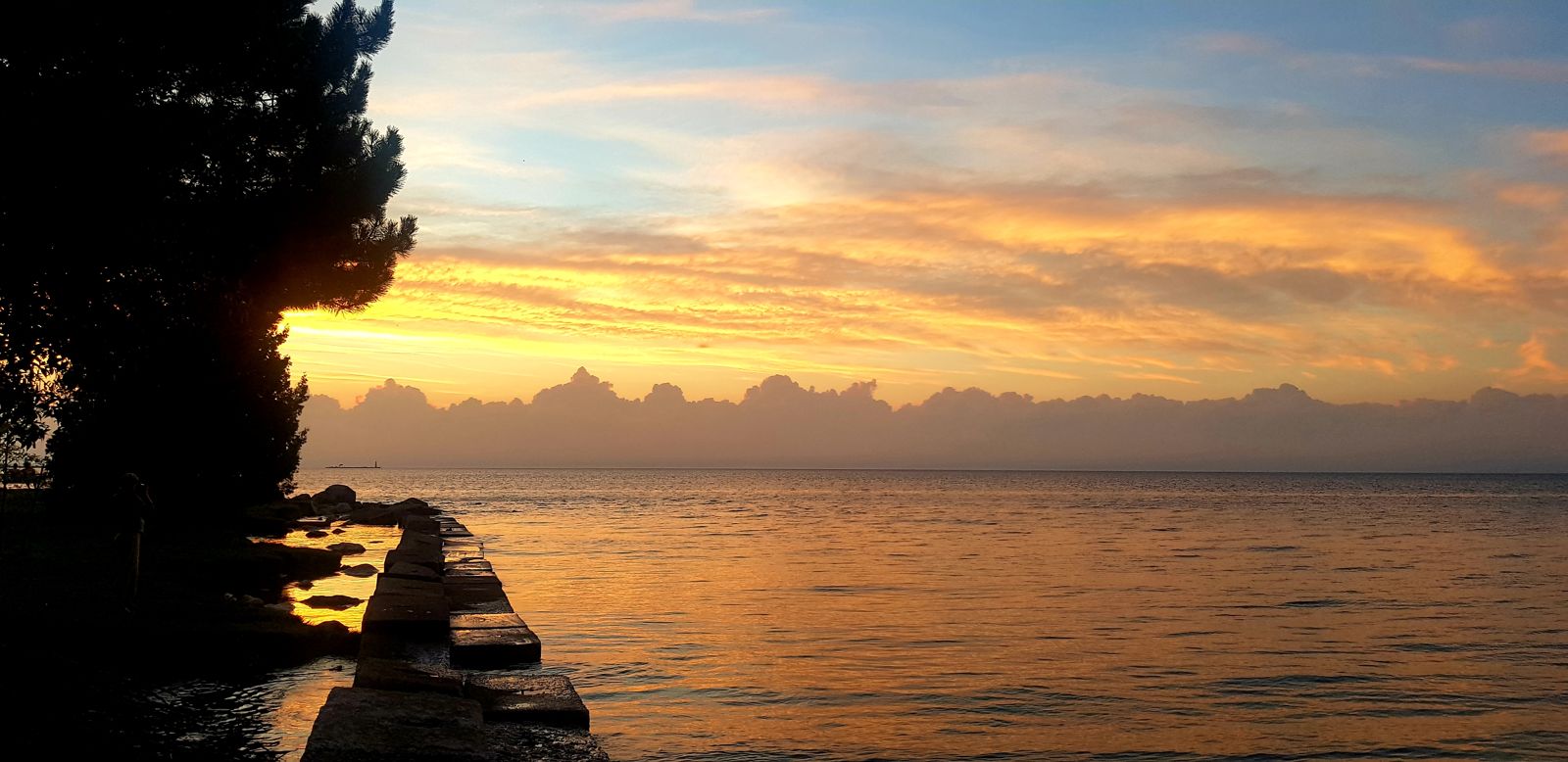
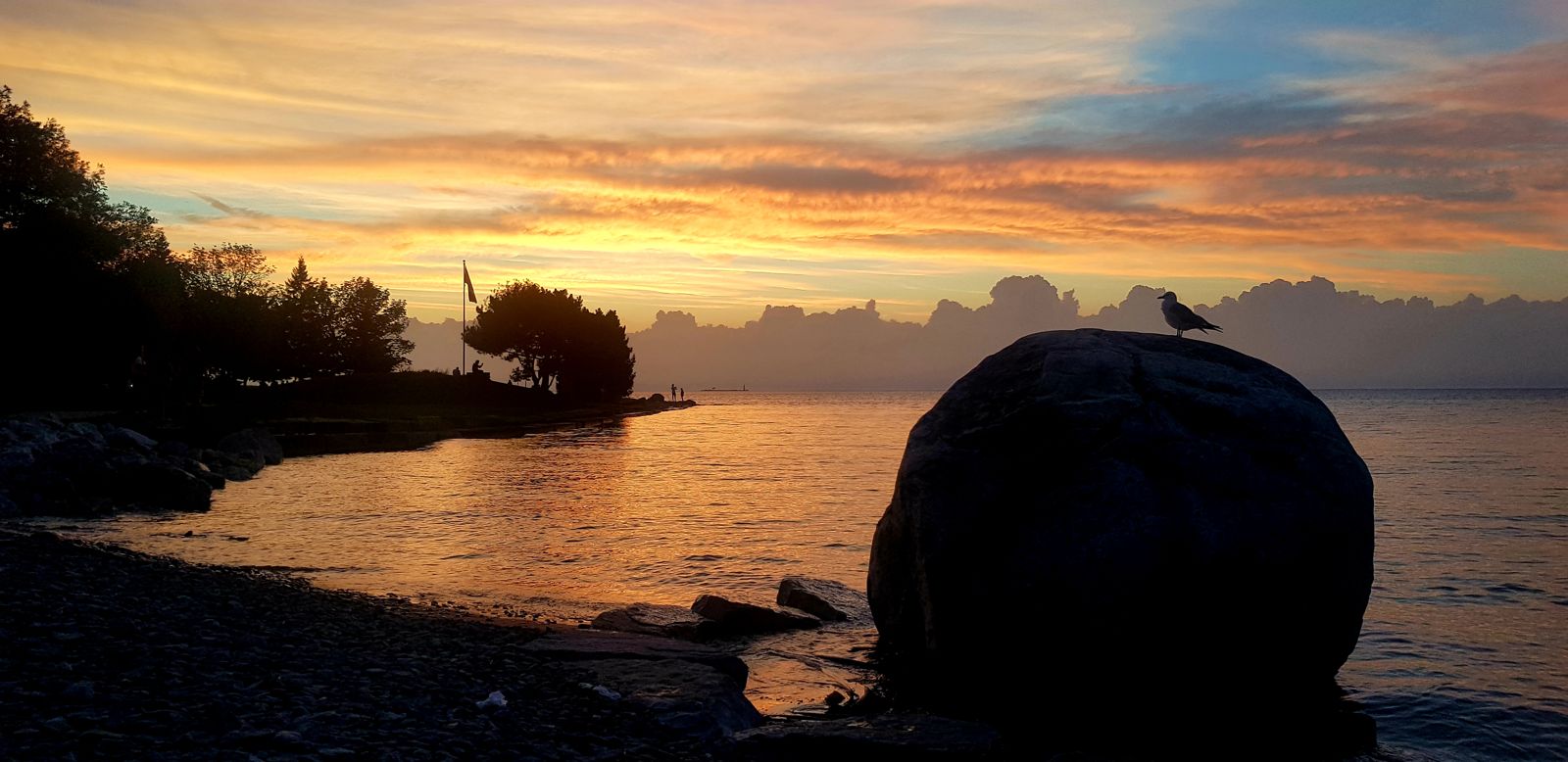
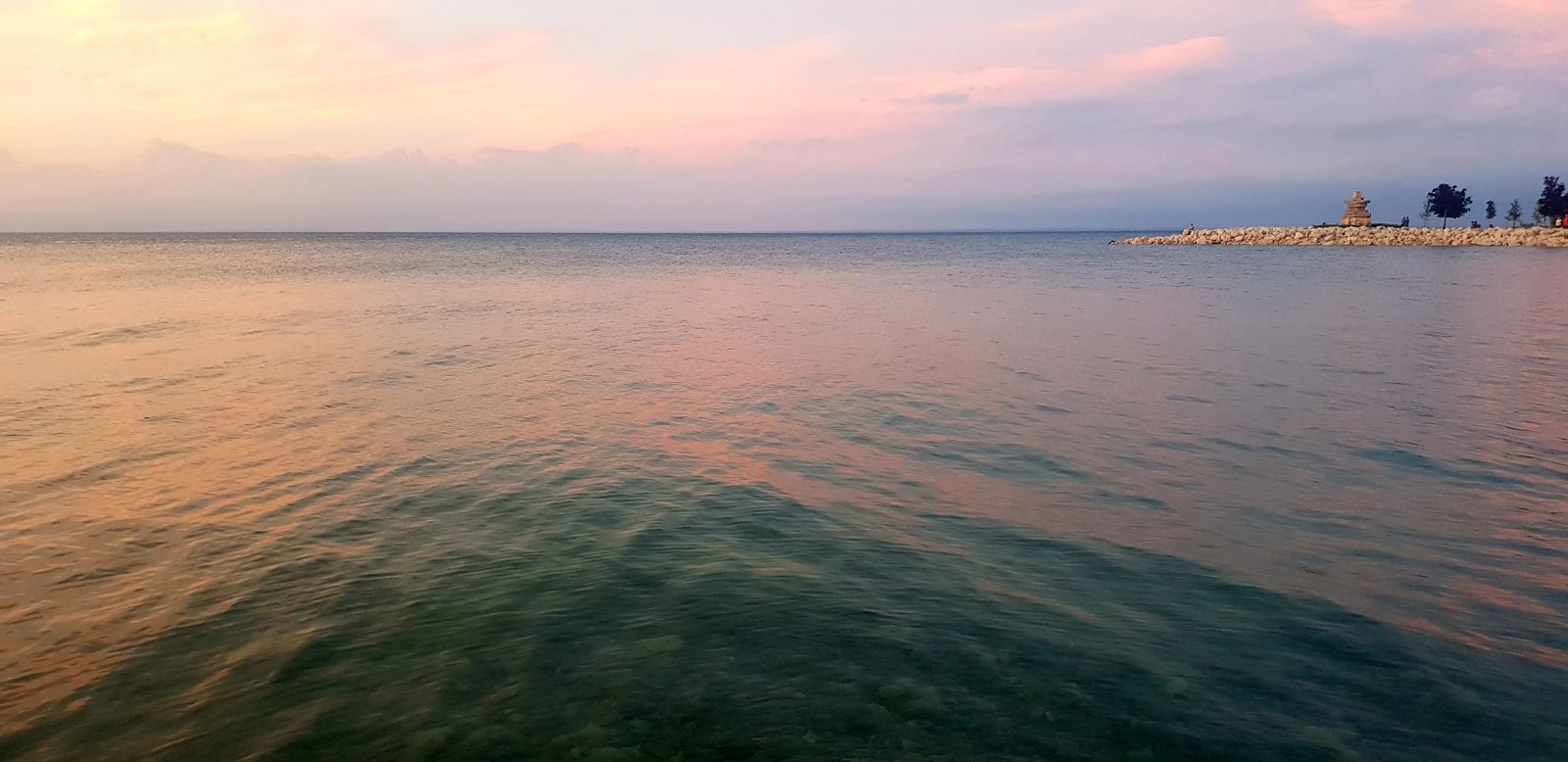
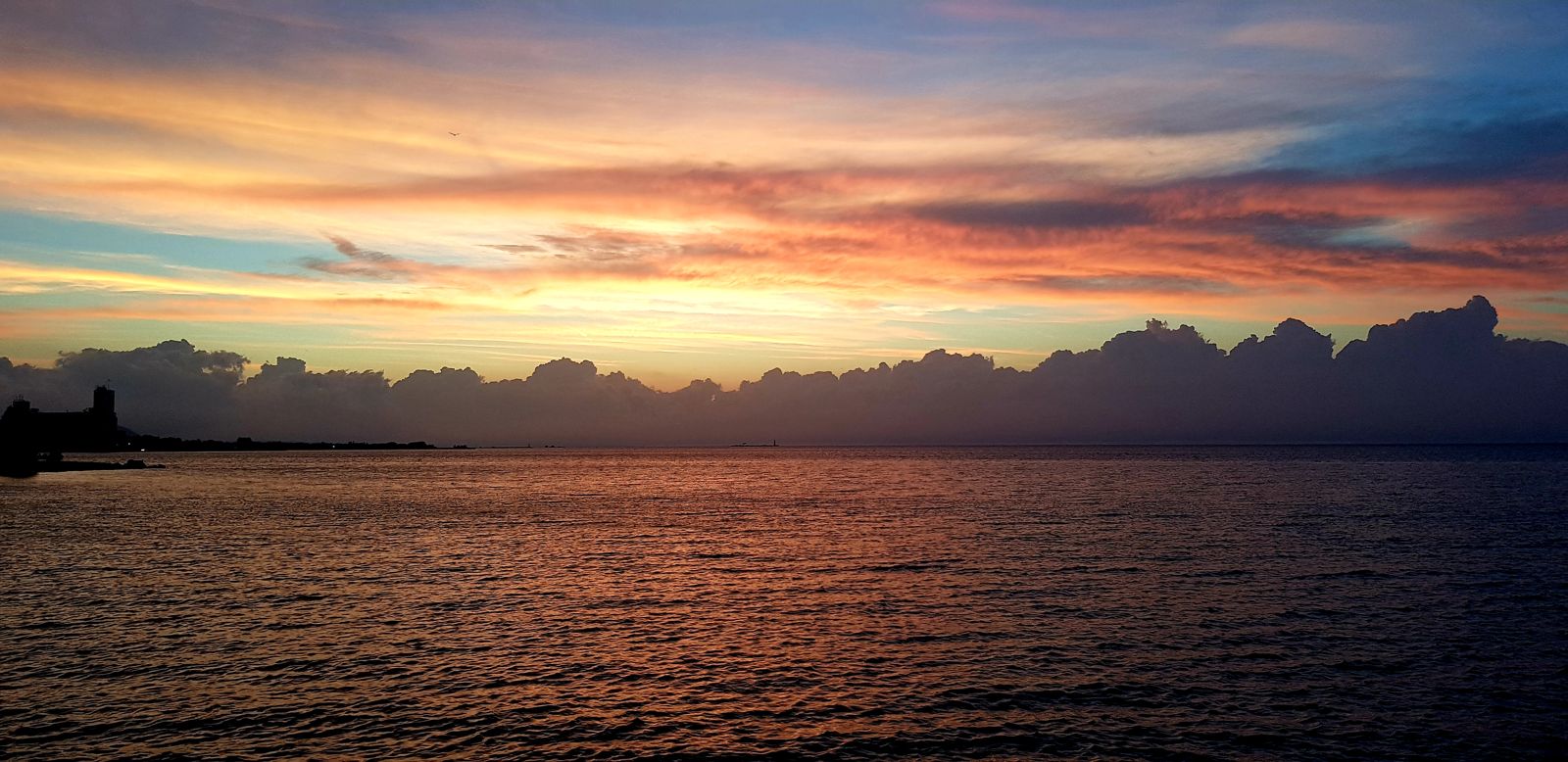
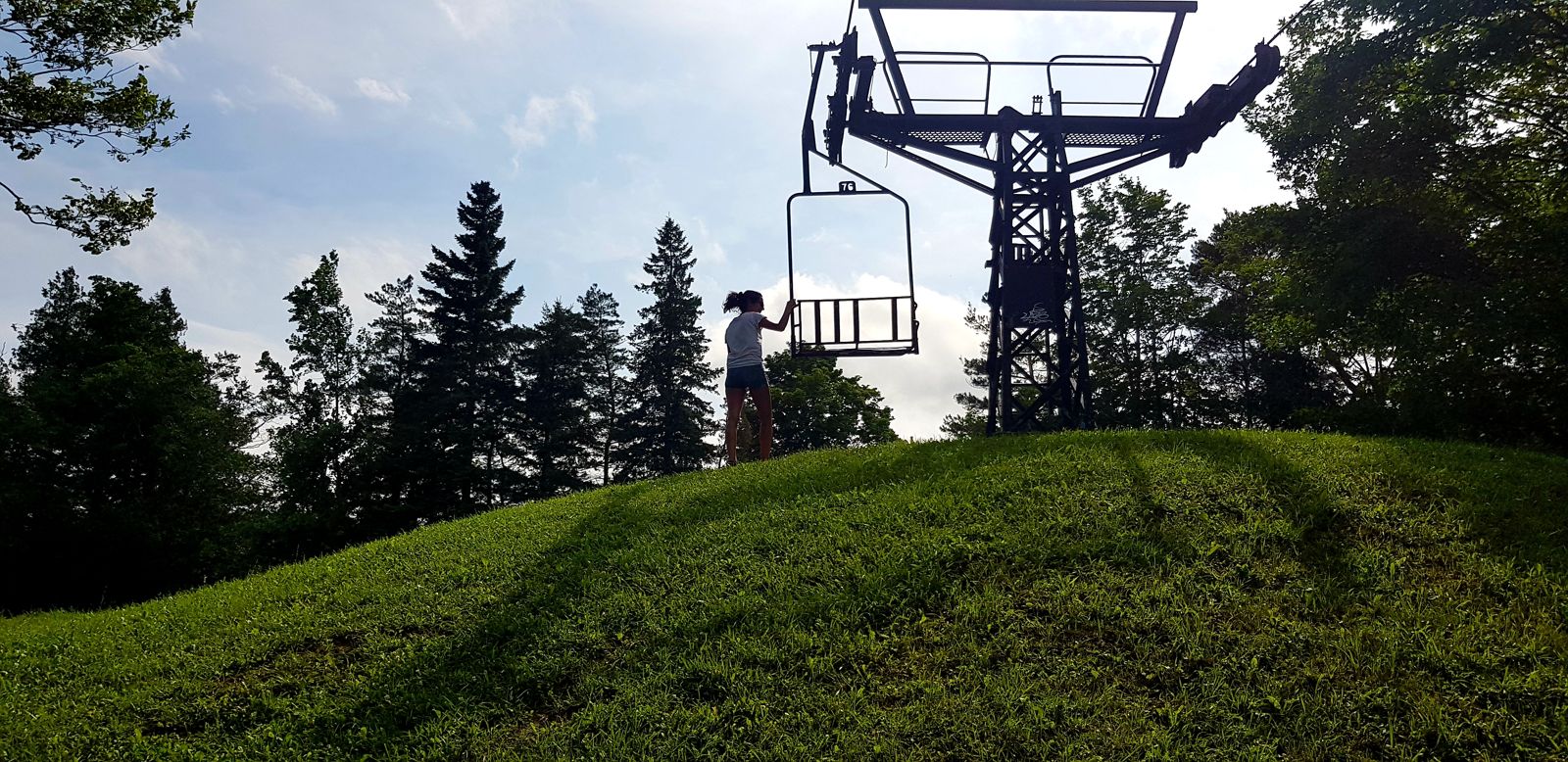
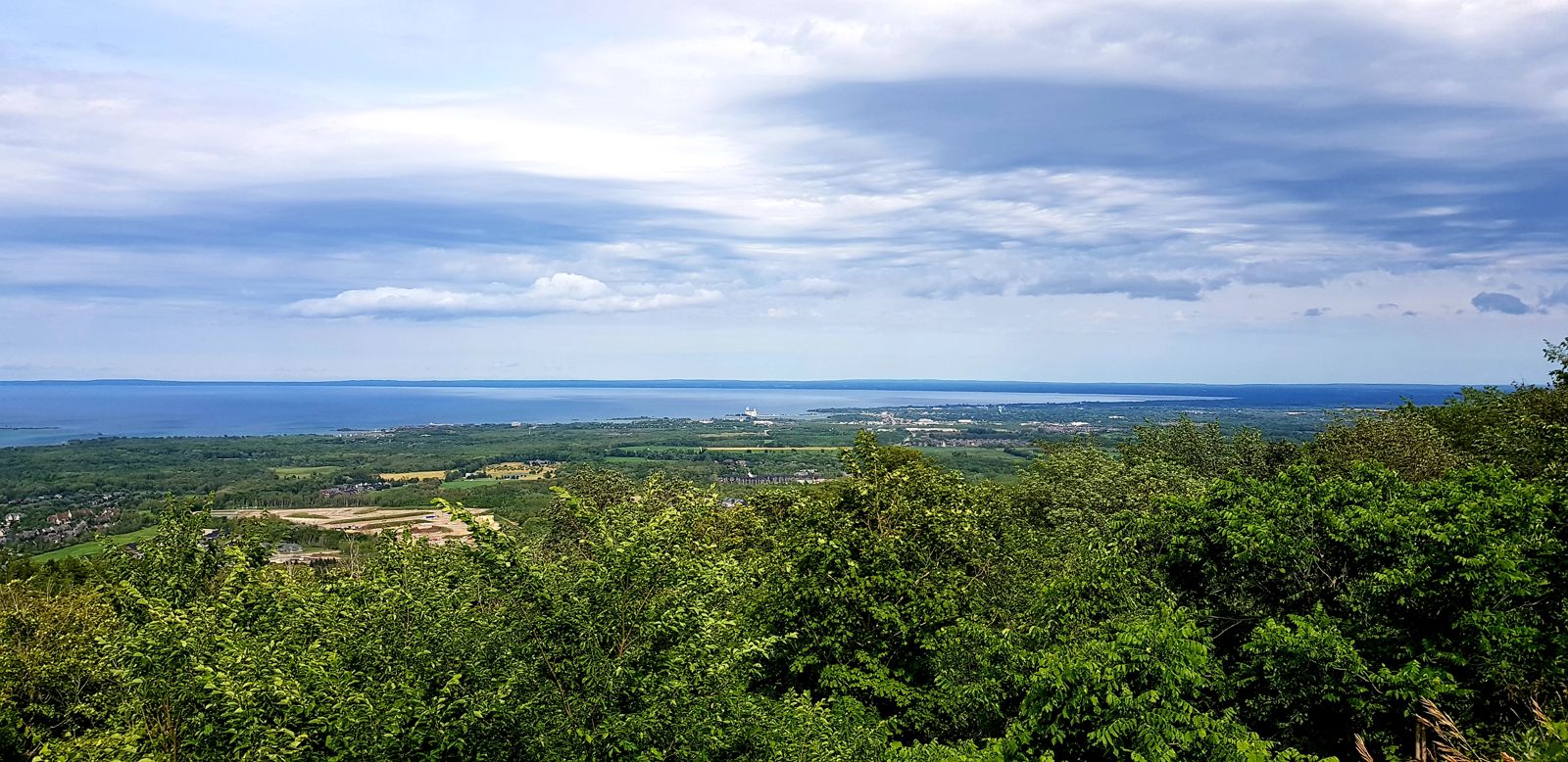
An hour later the rain finally stopped, letting us get out and explore the area. Collingwood was a small seaside town with no real charm on the shore of Lake Huron. There were lots of Indian tourists; we couldn't tell you why. The town had no particular atmosphere, wasn't very pretty and only benefited from its prime location. A little further on, only fifteen minutes' drive away, was the small Blue Mountain ski resort. It was a far cry from the Alps or the Andes, but it let Ontarians do winter sports without going too far from the big cities in the south of the province, including Toronto. The sky had cleared nicely by now, and from the top of the resort we could enjoy a lovely view of the lakeshore and the surrounding hills.
Although every part of Ontario was now in phase 3 of reopening and all shops and public places were allowed to reopen, in practice everything remained closed. The town's cinema still hadn't reopened, nor had the library. In every country we'd travelled through, we spent gloomy days indoors: sometimes a museum, a film or a reading session. But right now there was nothing to do, so we made use of the Wi-Fi parked in the McDonald's car park. You can criticise the famous fast-food chain as much as you like, but it's when you travel a lot by road that you realise how useful it is, and every long-term traveller will tell you it can be a lifesaver. Whether you're looking for toilets, somewhere to brush your teeth or Wi-Fi, you know in advance you'll find it all in these dens of capitalism, without ever having to buy anything.
The staff saw so many people come through that they didn't even notice you come in. That was especially handy during Covid, when almost all public buildings with toilets, power sockets or water fountains were closed. Watching the people around us, we made the same surprising observation as in other English-speaking countries: the people eating at McDonald's weren't at all the same as in France. Whereas at home the target audience is rather young, here we saw lots of elderly people coming to eat. It had struck us in Australia, New Zealand and the United States, and Canada was no exception. Maybe it was because McDonald's had been established there much longer? And the first generations to eat it were now old enough to be grandparents? Or was it down to deep cultural differences? Clearly, here it had nothing to do with standard of living, as we were in a wealthy part of the country. The huge houses, cottages and sometimes even mansions we saw on our walks bore witness to that.
In these Covid times, you couldn't help noticing a touch of hypocrisy in the measures taken by various Canadian municipalities. Public services were all closed, but council staff were very much present when it came to making tourists pay… As the sun was shining today, we decided to go back to Wasaga Beach, the longest freshwater beach in the world that we mentioned yesterday. We'd spotted a path along the beach and planned to go for a run there to enjoy the scenery. But two nasty surprises awaited us at the car park: 1) it was paid, and 2) it cost eighteen dollars a day! So, to recap: all the free public places were closed, but the town still found a way to put an attendant at the entrance of paid services to make people pay. We explained to the young employee that we only wanted to stay a couple of hours and asked if we could pay by the hour. The answer was no: eighteen dollars or nothing.
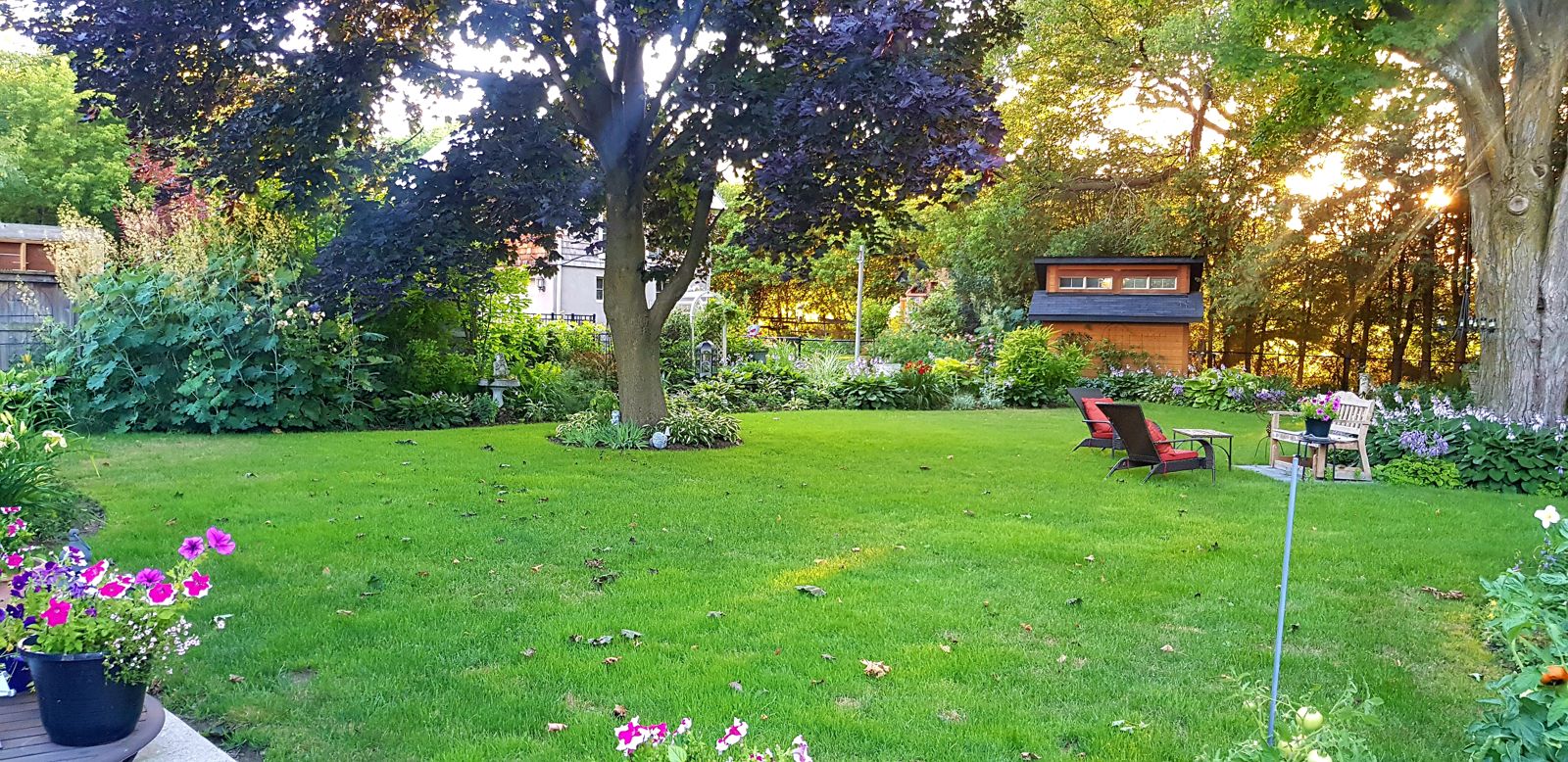
This young man obviously didn't know the French very well, because we decided to turn back. No way were we paying 18 dollars for that. So we moved barely a kilometre away from the beach and found a street where we could park for free. The shared cycling and walking path wasn't very well marked and we got lost several times over the ten kilometres. Sometimes the signs disappeared, so we ended up running through car parks or along the roadside. We couldn't help thinking that at 18 dollars for parking, it would be wise to use some of that money to work on the signage… After the run we wanted to rest on the beach for a while, but a very cool wind was blowing across the bay and we couldn't stay long. After lunch we went for a little walk in the nearby hills, then turned up around 4 pm at our Airbnb, a very pretty, tastefully decorated house with a splendid garden in the small town of Thornbury. The town was very cute but a bit deserted. We wanted to make the most of the place, as we wouldn't see the comfort of a bed and bathroom again for at least a few days. The night turned out to be quiet and very restorative, and we really needed it.