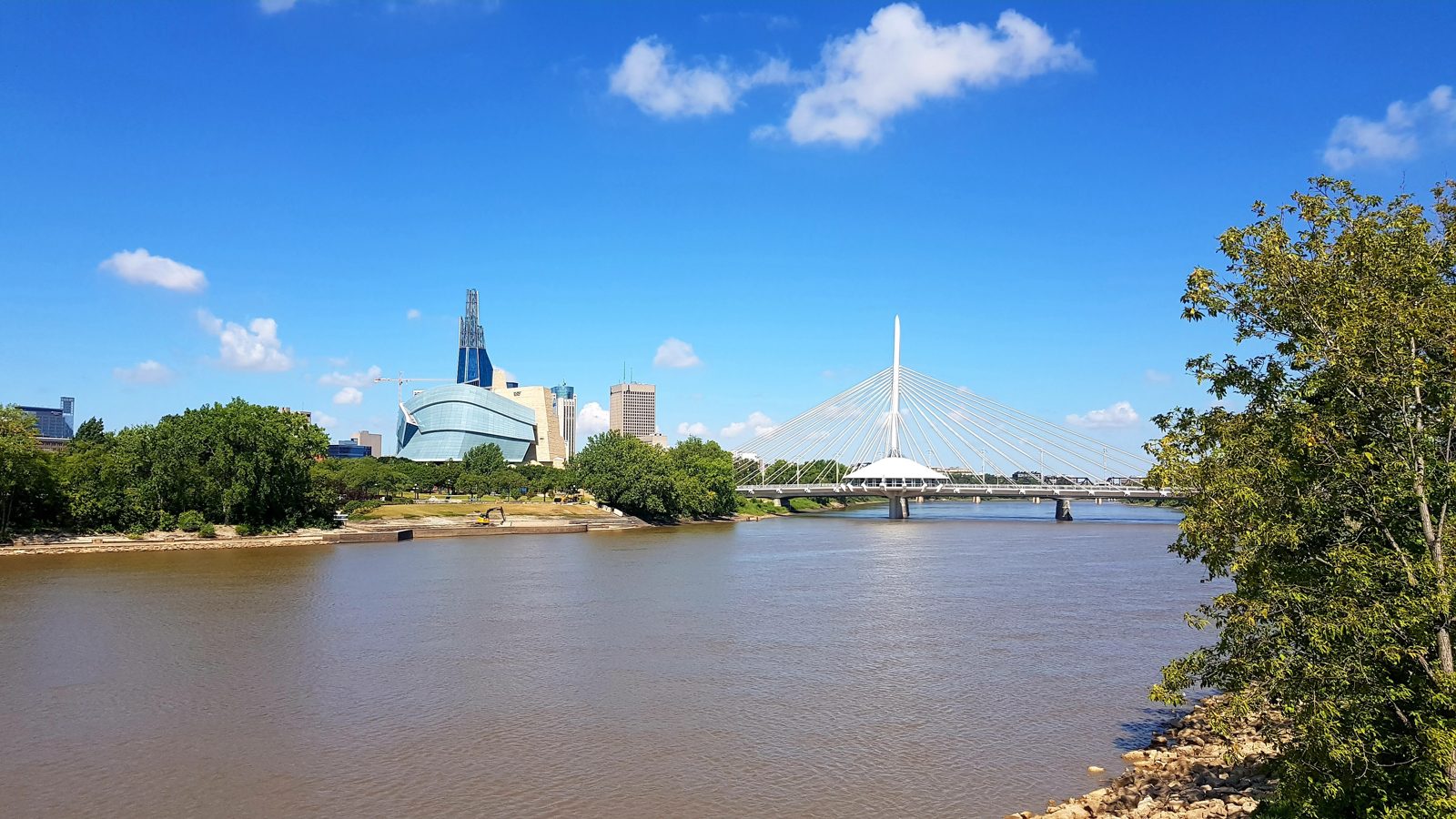
 ← PreviousThe rights museum, then the road to Regina
Sunday 9 and Monday 10 August
Since we left the heart of Ontario, people have changed radically. The Ontarians of the wealthy part of the province struck us as very concerned with appearances, keen to be seen; Manitobans and Saskatchewanians give the opposite impression. They're more discreet, speak at a reasonable volume in restaurants, drive less aggressively, and most of them keep to the speed limits, whereas in Ontario and Quebec people readily confuse a highway with a Formula 1 circuit.
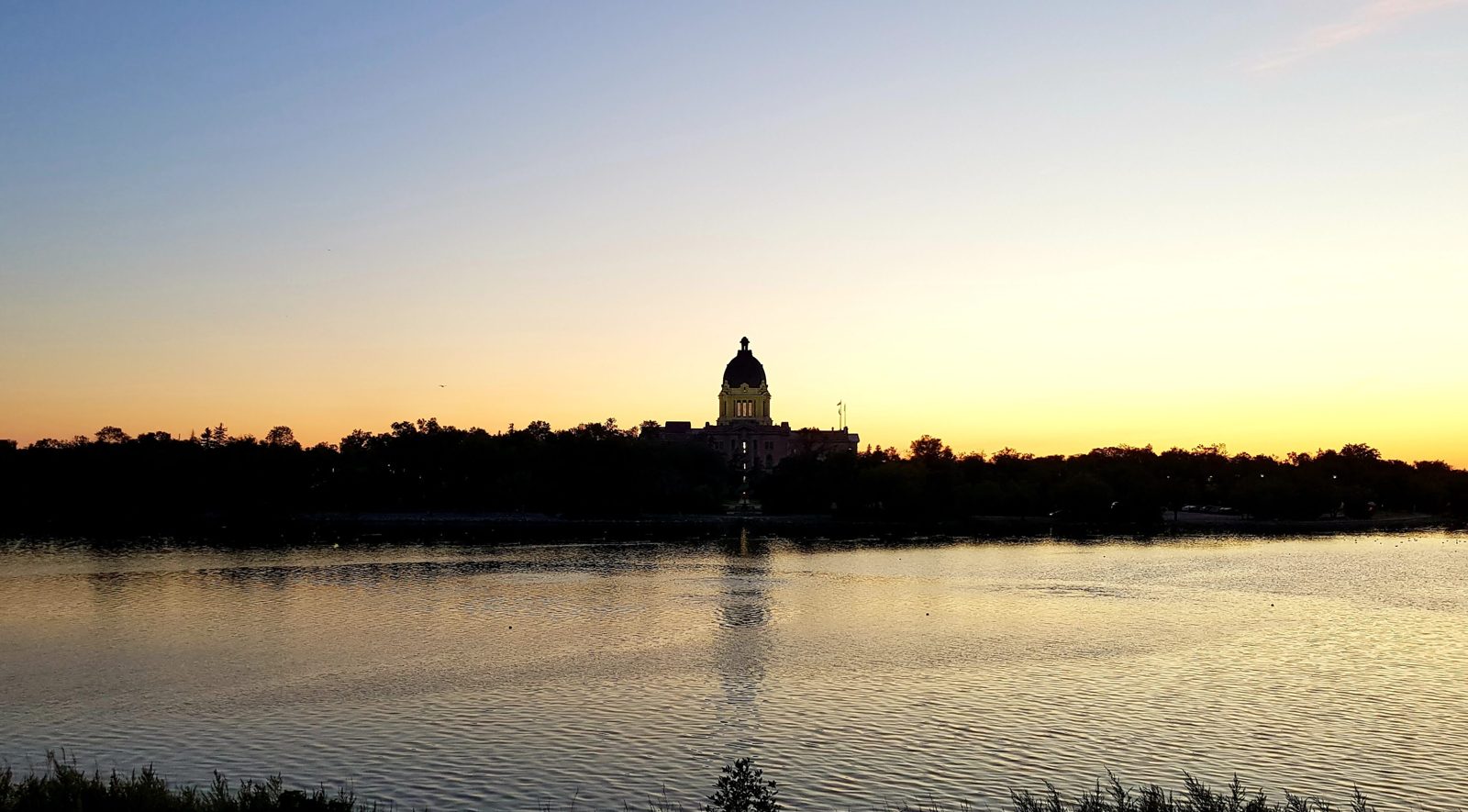
Same observation in our first restaurant in Regina, where the diners are all simply dressed. The capital of Saskatchewan has just over two hundred thousand people. There's a bit of Montreal in the layout of its streets. After Winnipeg's gigantic boulevards, the streets here are on a more human scale, often lined by almost pedestrian back lanes that make walking pleasant. Pedestrians are few, though, and the elderly get around on little electric scooters.
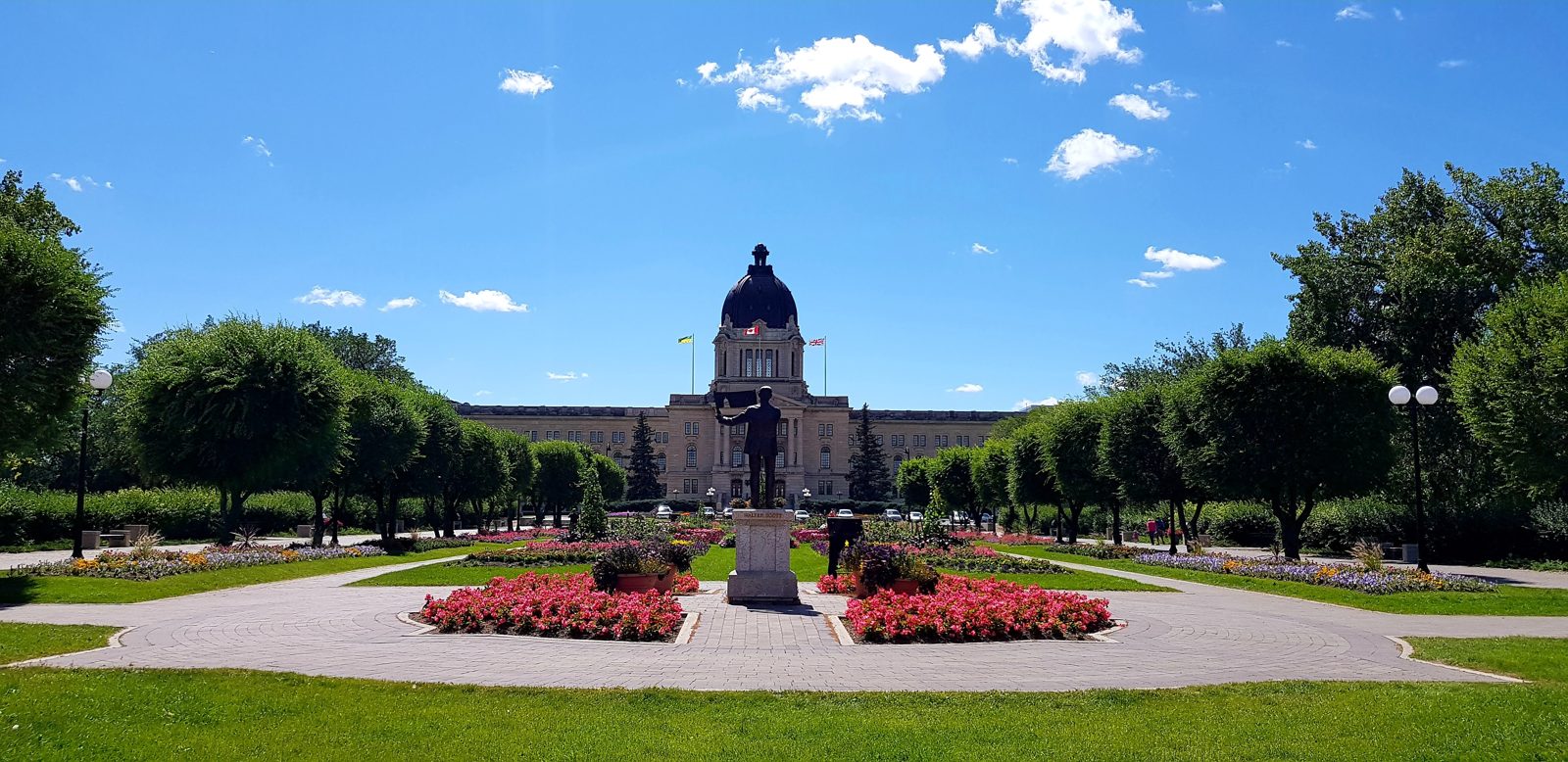
Regina is a secondary, even tertiary, stop in travellers' plans. No star attraction, nothing to tick off a list, but a pleasant halt all the same. Its people are simple and warm, happy to stop for a chat or just to say hello. Strolling around, you feel the efforts the city makes for its residents: the centre has been revitalised, and Wascana Lake, right next to the Legislative Building, has been superbly landscaped with a promenade where we naturally come to run. The park is one of the largest urban green spaces in North America, even bigger than Central Park, remarkable for a city of this size. The creek that feeds the lake has its own trails too, where locals come to stretch their legs. Since Montreal it's the greenest city we've come across, and after two days here, if we had to choose between Winnipeg and Regina, the latter would win hands down.
Tuesday 11 August
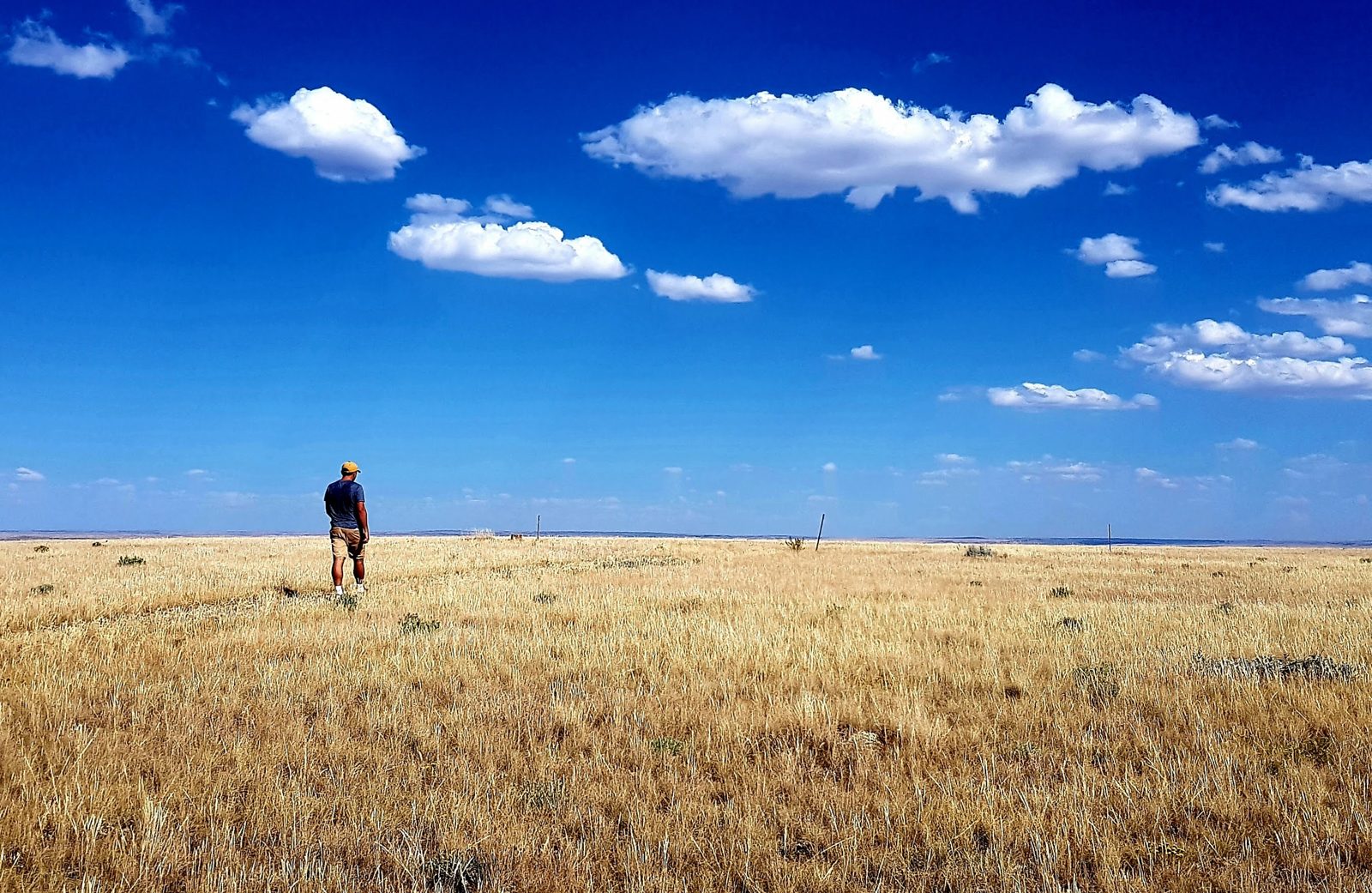
The prairies stretch as far as the eye can see around the city, and the lack of relief lets a gale blow that could knock the horns off the countless cattle we see by the roadsides. Saskatchewan is one of Canada's least populated provinces, and it shows: the only villages we pass on the way down to Grasslands National Park are specks on the map, hamlets that would make our home towns look like megacities.
Moose Jaw is something of an exception. You forget it, the country seems so calm, but Canada hasn't always been the peaceful nation we know, and its closeness to the United States has often made history spill across the border. A network of tunnels runs beneath the town. According to local history, it first served to hide Chinese railway workers during the “yellow peril” years of the late 19th century. In North America, the glorious conquest of the West by rail was only possible thanks to a constant flow of Chinese workers, employed in conditions close to slavery. As so often, once the job was done, the local population turned against these immigrants supposedly come to replace them; rumour had it they were about to take over the country, and violence against them became commonplace. Better known is the story of American Prohibition: in the 1920s the Moose Jaw tunnels are said to have been a rear base for smuggling alcohol into the United States. Astronomical quantities of bottles were stored there and shipped by train to the country's speakeasies via the direct line to Chicago, and legend has it that Al Capone himself passed through.
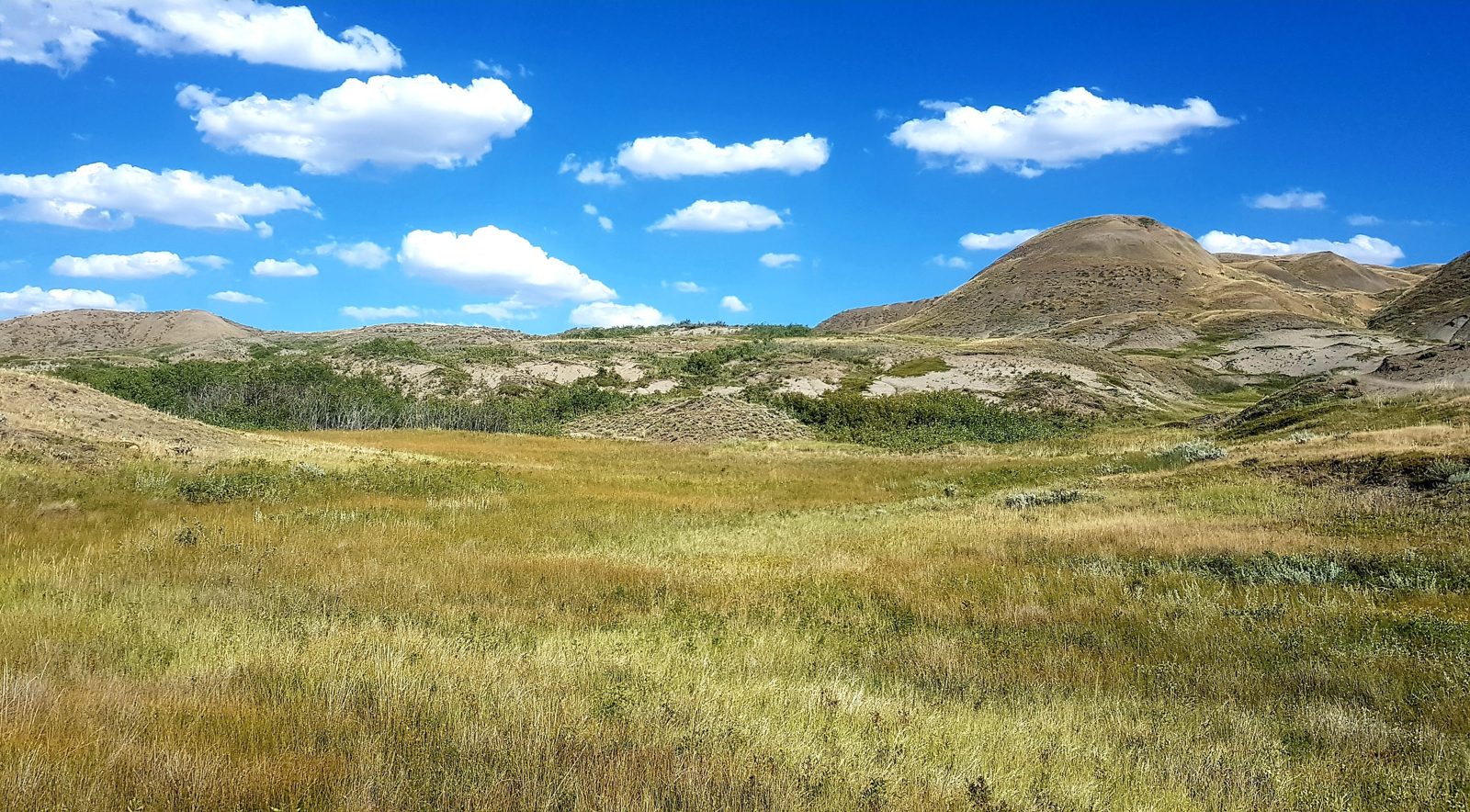
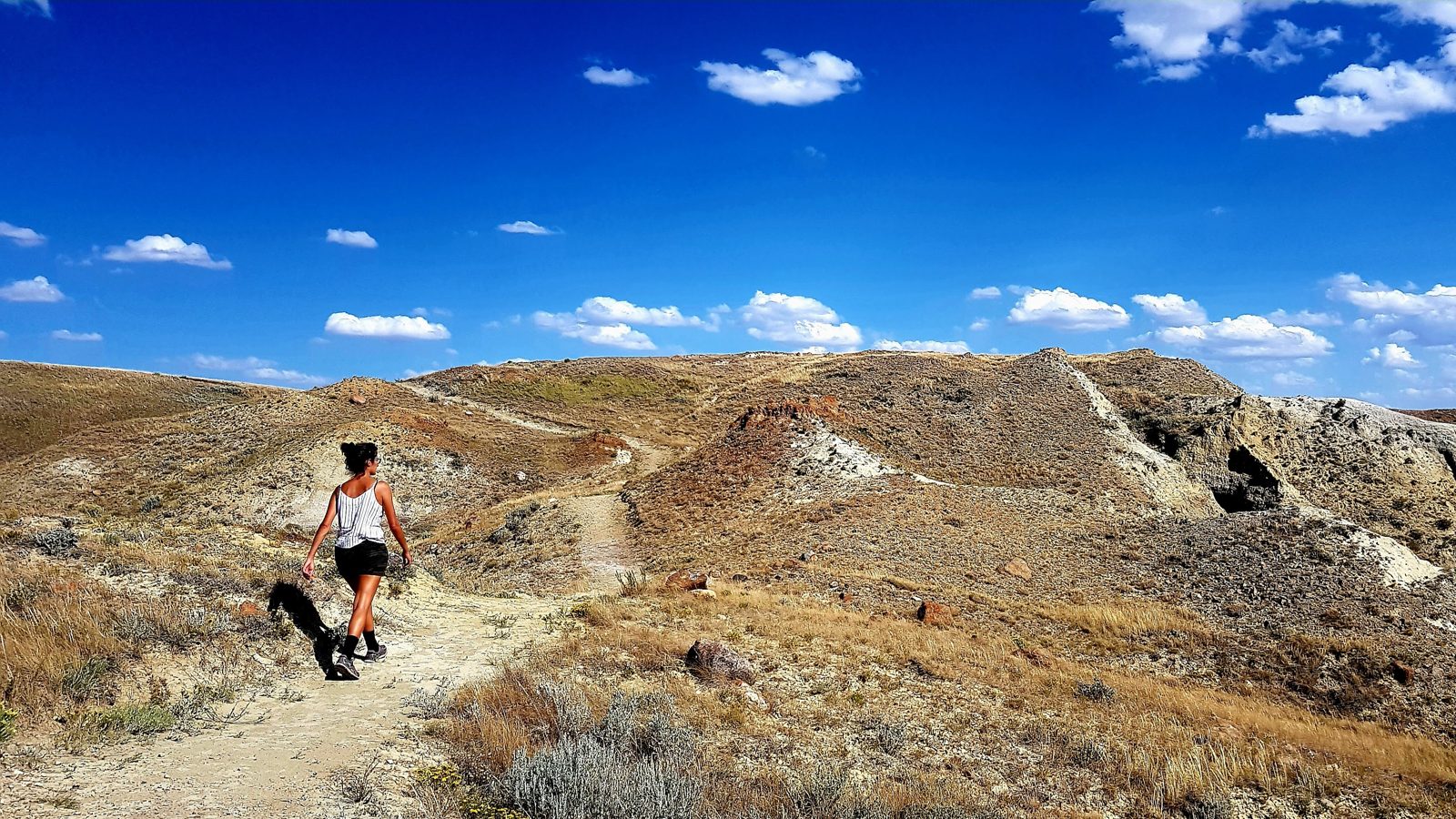
After Moose Jaw we head for the American border and Grasslands National Park. Covering more than seven hundred square kilometres, it protects endangered species such as bison and is also a dark-sky preserve. After walking through these astonishing, almost desert-dry landscapes, where small hills rise from endless prairie, we settle at the campground in the tiny village of Val Marie and wait patiently for night. When it finally falls, the beauty of the sky leaves us speechless. In these reserves everything is done to keep light pollution to a strict minimum so the night is as dark as possible. A complete success: we stand open-mouthed for long minutes, heads tipped back towards the Milky Way, while the park's small animals, out of their burrows at nightfall, make themselves heard all around.
Wednesday 12 August
This morning we take the road to Calgary, still some six hundred kilometres north-west. Little by little the vastness of Saskatchewan's prairies and hills recedes, and after three hours we cross into Alberta. Prairie dominates here too, except in the west, where the majestic Rockies rise, home to Banff and Jasper national parks, among the most beautiful in the world. The province is huge, but most Albertans live in cities, in Edmonton, the capital, or Calgary, the largest. Yet Alberta's identity rests on a rural folklore: rodeo, westerns, country music, cowboys. Not to mention hydrocarbons: Alberta is Canada's leading producer of oil, natural gas and coal, and its oil sands are among the largest oil reserves in the world.
That's the other side of the coin: because of its extraction industries, it's one of the most polluting regions in the country per head, with its share of acid rain, contaminated water and health concerns. Extracting this oil takes a lot of energy and water, pushes back the forest and disrupts wildlife. The oil boom drew thousands of people in search of an immediate job and high pay, but summer and winter alike the conditions are harsh: the workers eat and sleep on site, in prefabs they only leave at the weekend. And like any province dependent on a single sector, Alberta lives by its prices: the boom brought unprecedented but fragile growth, and every drop in the price of a barrel sends the economy tumbling. The environment doesn't seem to weigh much in political debate, here or in the rest of Canada.
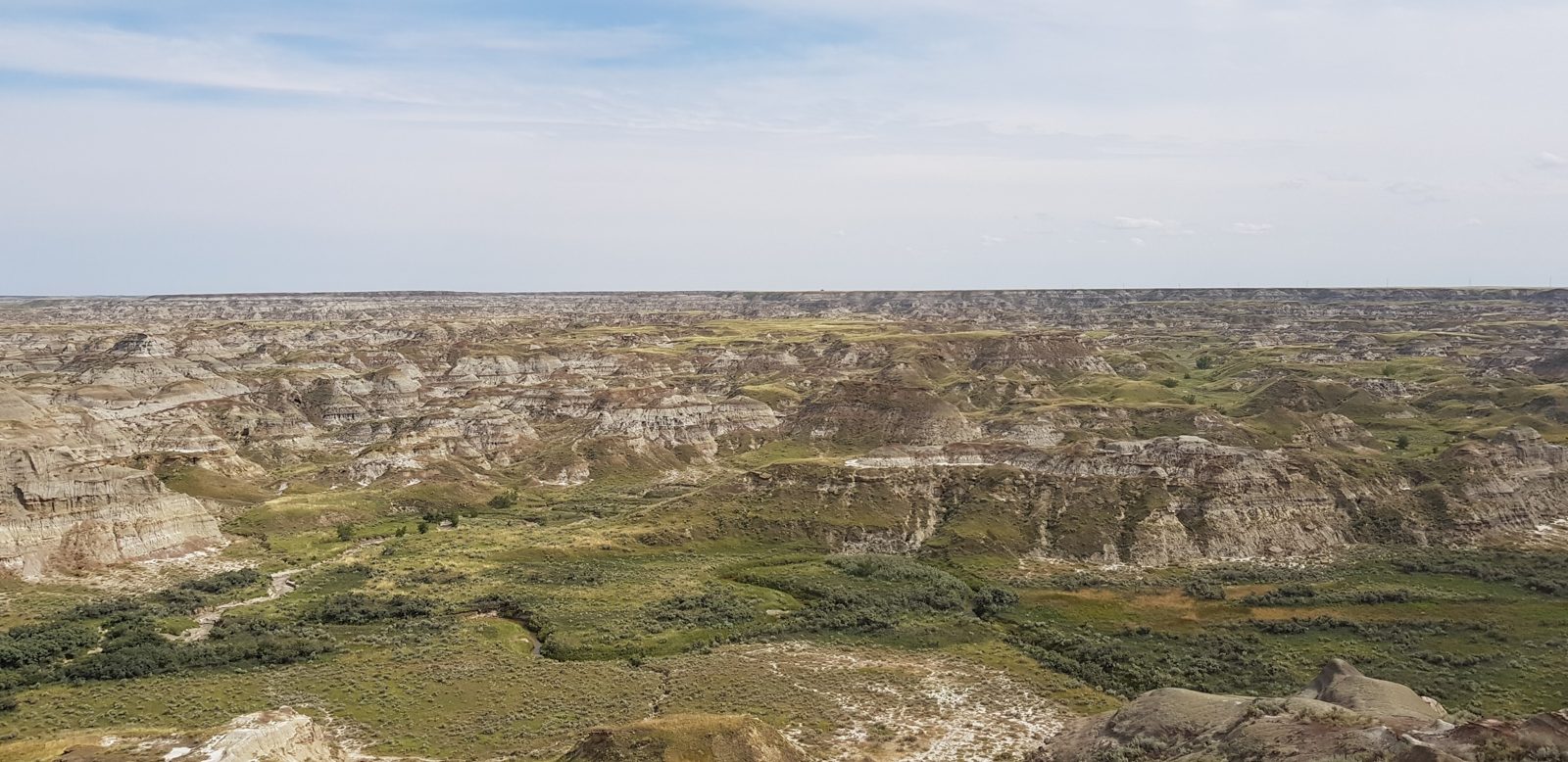
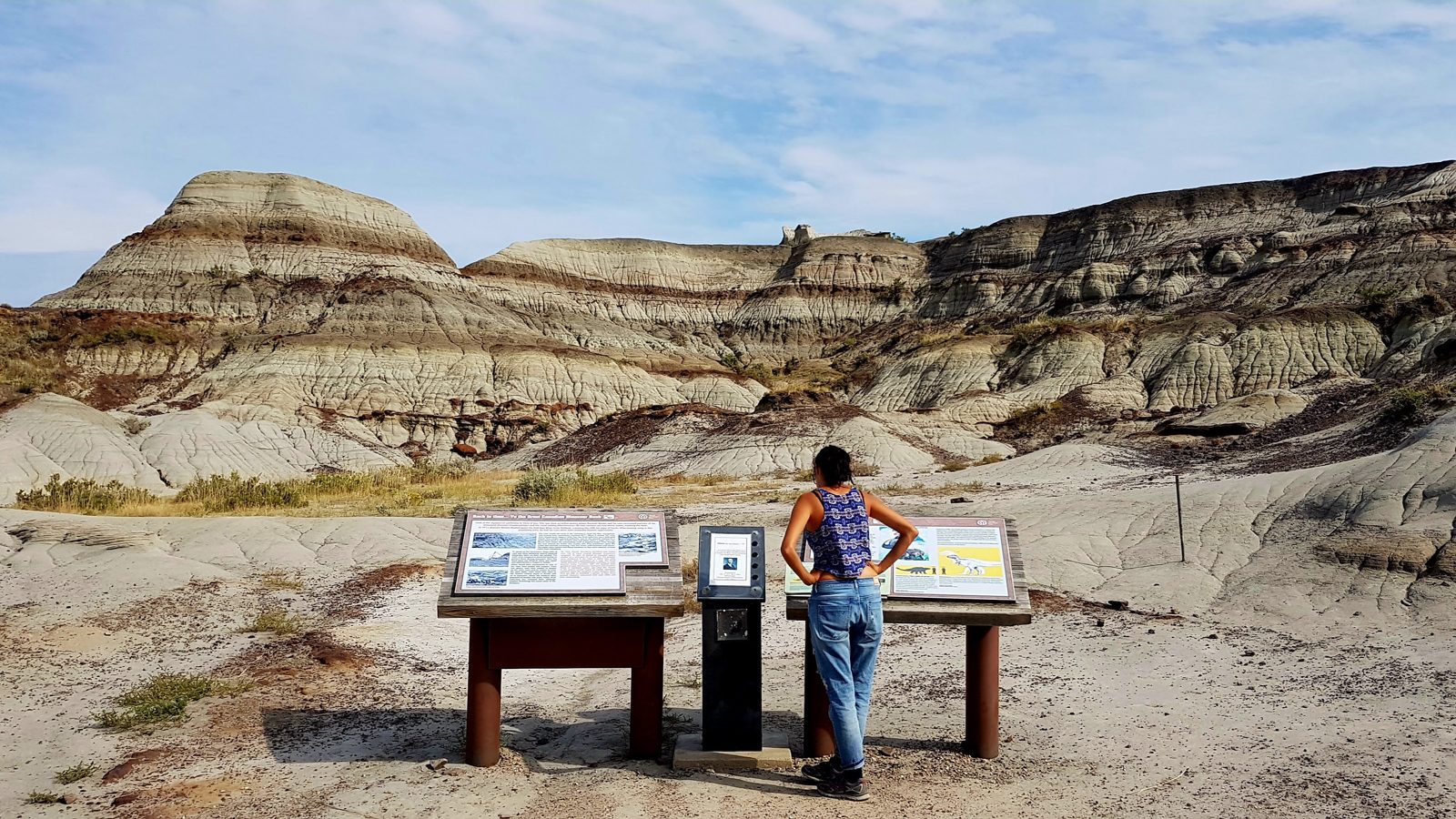
Before Calgary, a detour to Dinosaur Provincial Park. Because if the Americans have taken over many themes of popular culture, the world capital of dinosaurs is in Canada! On these arid lands that interested no one, explorers discovered in the 1910s a veritable sanctuary: hundreds of skeletons were dug up here and sent to museums all over the world. The period became known as the Great Canadian Dinosaur Rush, and if you admire a skeleton in a museum, there's a good chance it came from here. A UNESCO World Heritage Site, the park lets you wander freely through its badlands, dry terrain where erosion has carved canyons, buttes, gullies and hoodoos. Here and there, skeletons are displayed in cases along the trails. It's fascinating to see the shape of an animal that lived right here seventy-five million years ago.