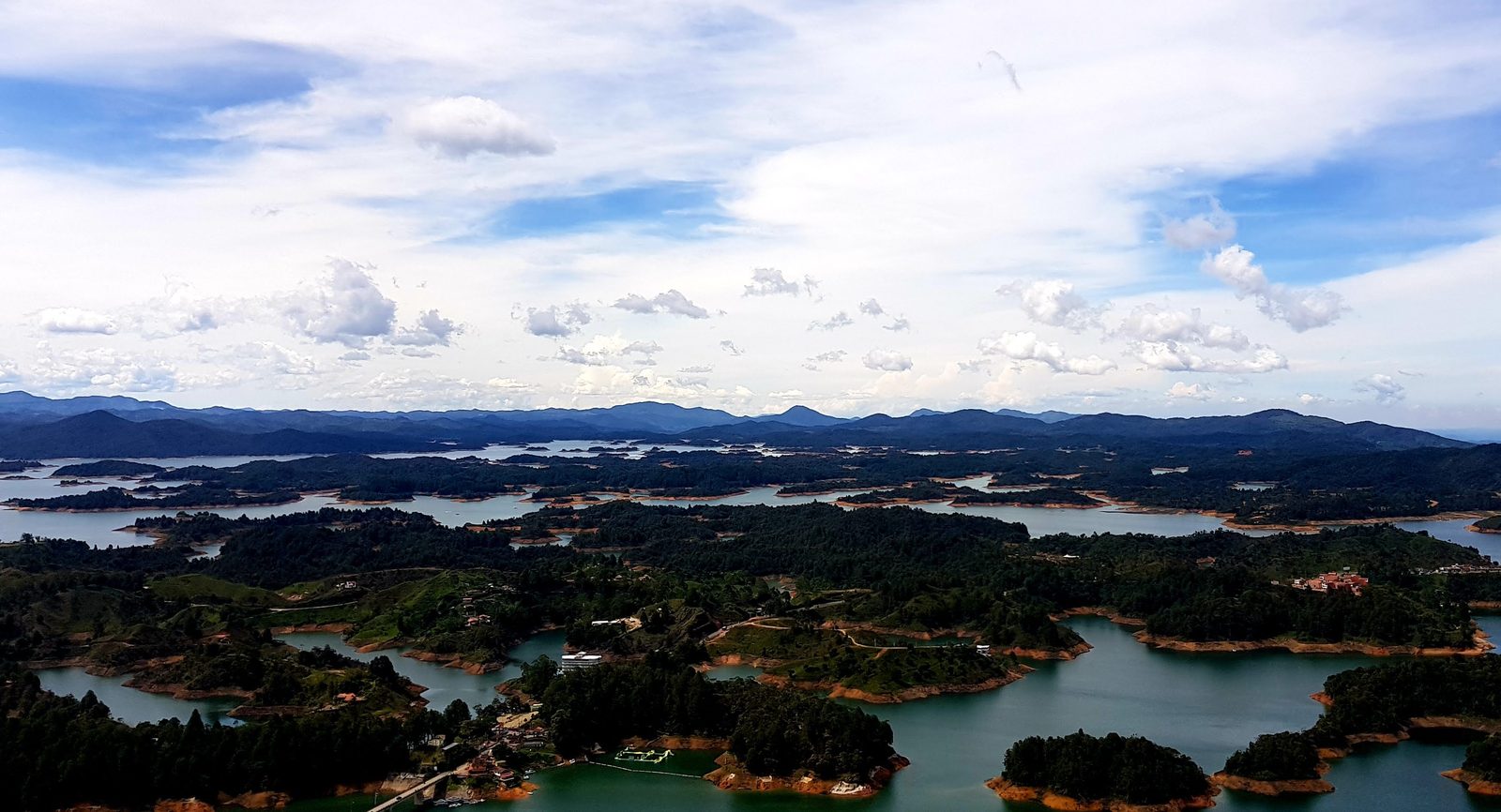
 ← PreviousGuatapé and the rock of El Peñol
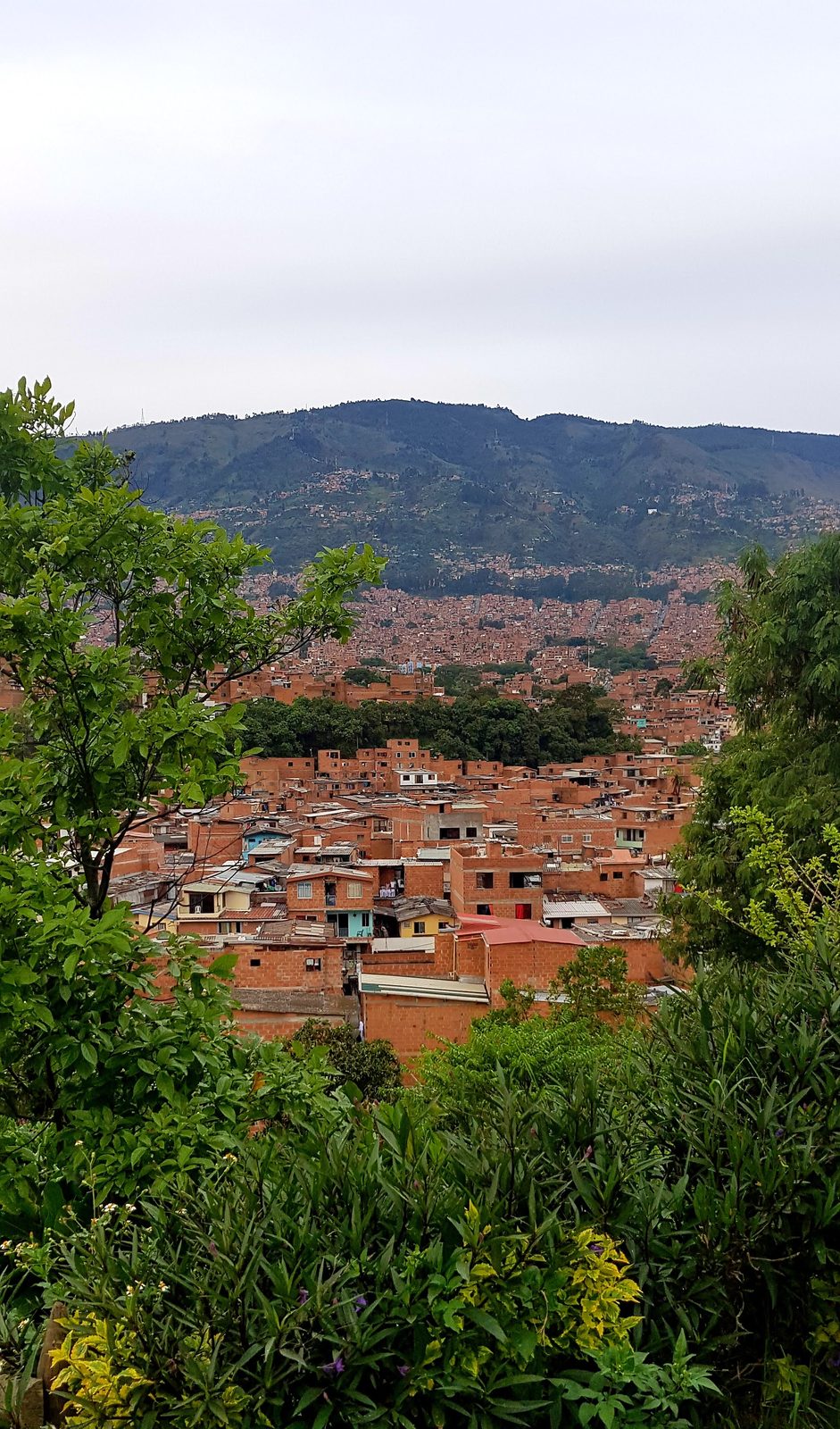
For a long time, the name Medellín mostly brought to mind Pablo Escobar and some of the worst violence statistics in the world. In the early 1990s it was officially the most dangerous city on the planet. So you could expect anything on arriving, except perhaps what we found: a modern metropolis nestled at the bottom of a valley, with a climate so mild it is nicknamed the city of eternal spring, and whose working-class neighbourhoods climb the slopes all the way to the ridges.
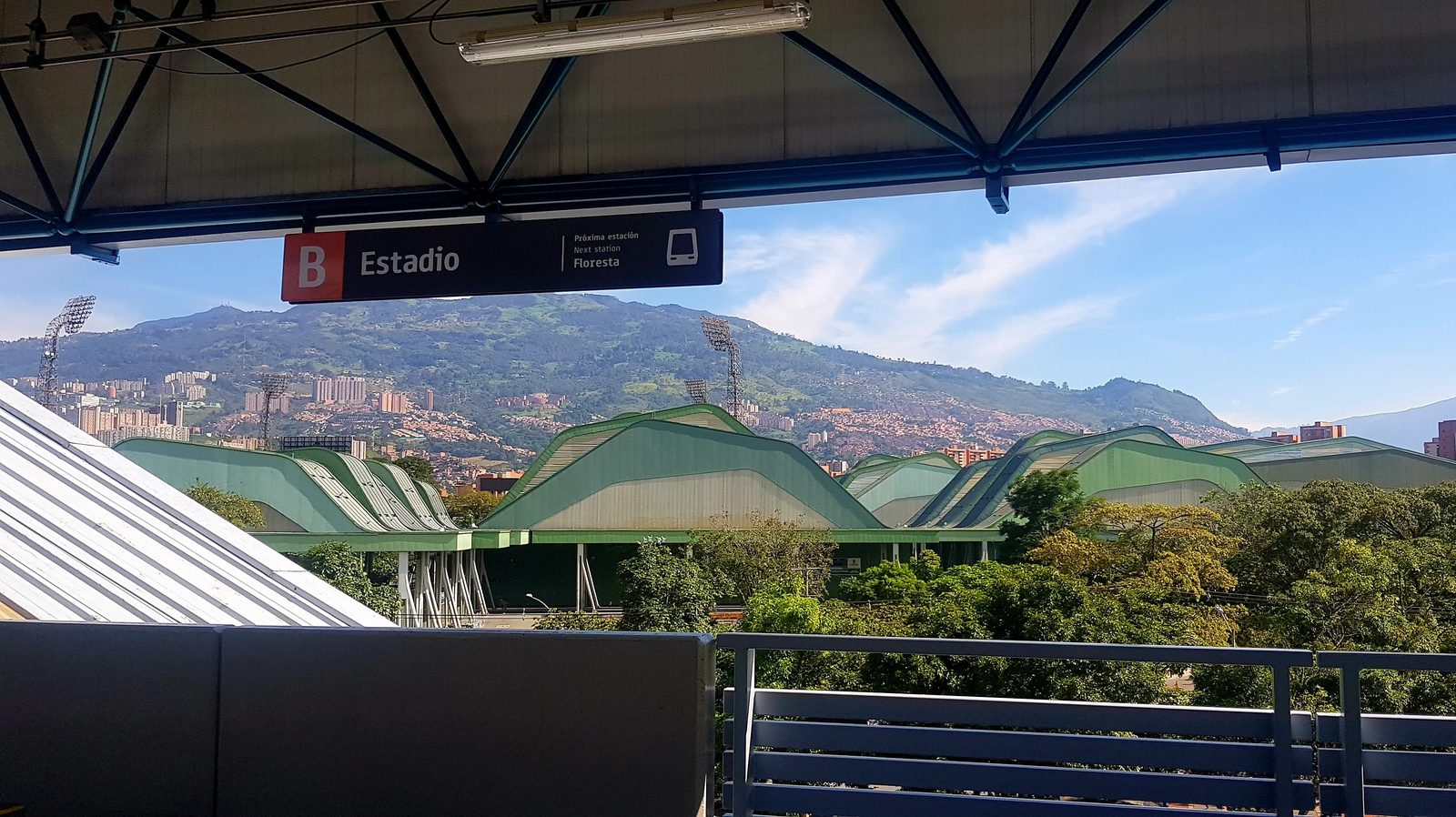
We stayed in Laureles, a leafy residential neighbourhood, far from the bustle of the centre and the party districts where travellers gather. Our first impression was of a relatively modern and well-designed city. The metro, above all, amazed us: very clean, very pleasant, without a single graffiti or a scrap of paper on the floor. The locals are very proud of it and treat it with a respect you would like to see more often in the Paris metro. After the traffic jams of Bogotá, the contrast was striking. The city, on the other hand, is sprawling: it stretches very, very far along its valley and climbs every slope, so that it takes a long time to see the end of it.
Comuna 13
1 May
On Labour Day we took the metro, the only one in Colombia, to Comuna 13. This neighbourhood clinging to the mountain was long one of the most dangerous in the city, controlled in turn by guerrillas, paramilitaries and gangs, until a bloody military operation in 2002 whose scars the inhabitants still bear. Then in 2011 a series of open-air escalators came to connect it to the rest of Medellín. What looks like a gimmick changed the lives of thousands of people, who until then had to climb the equivalent of twenty-eight floors to get home.
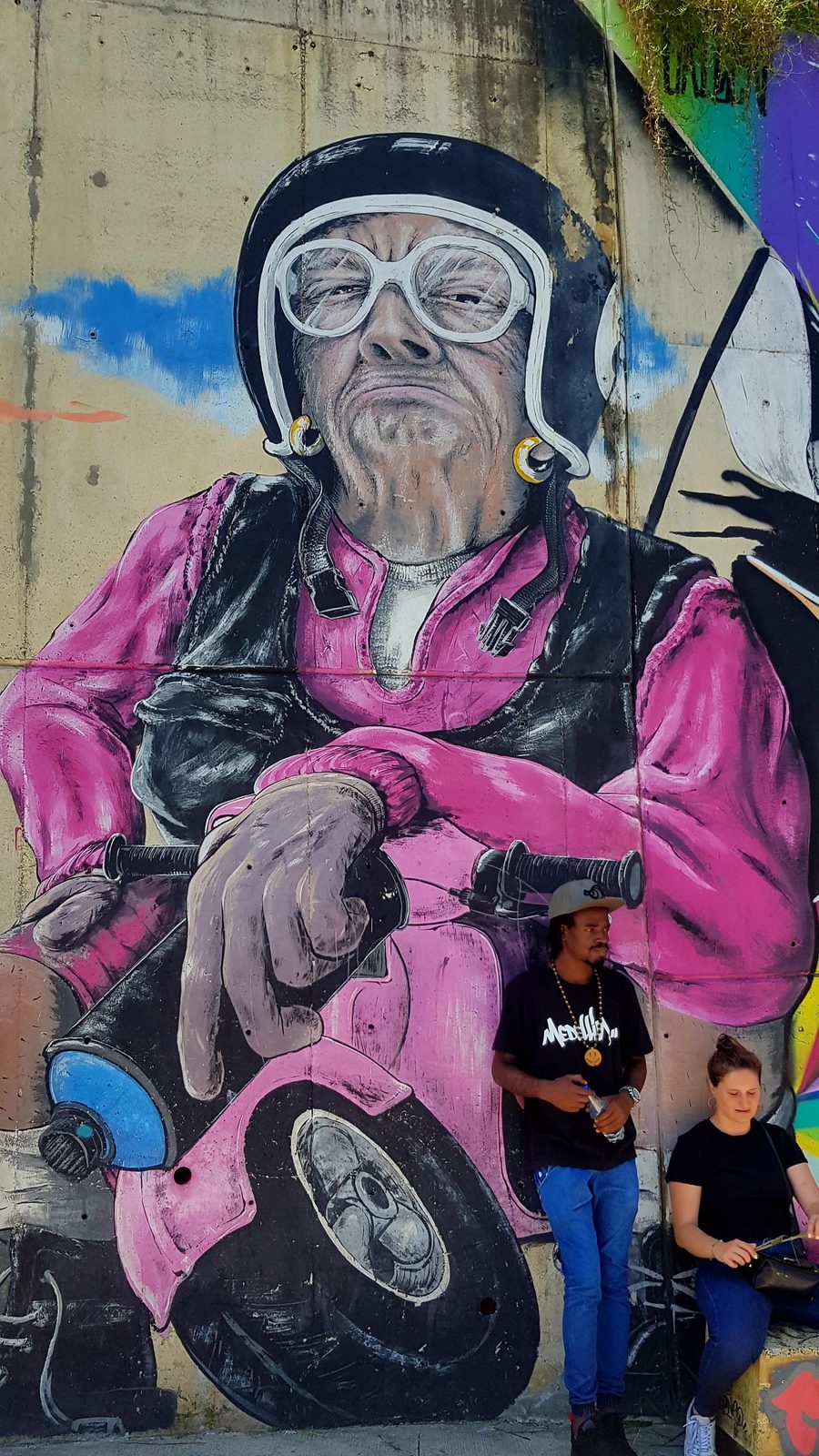
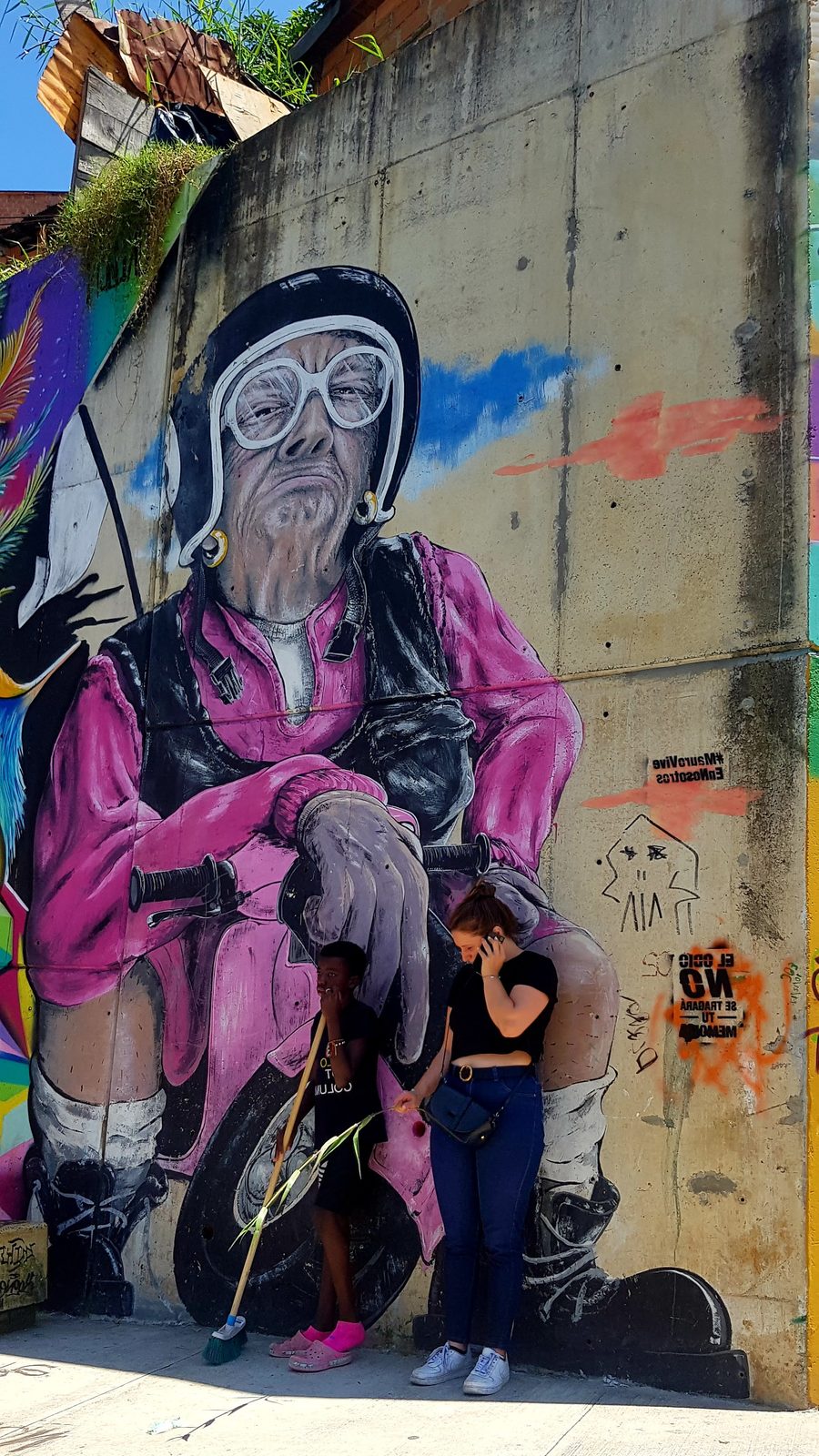
We joined a guided tour, which told us the story of the neighbourhood and, through it, the story of the whole city. Today its stepped lanes are covered in huge graffiti telling of its dead and its rebirth, and it is the young people of the neighbourhood who show visitors around their streets. As in Bogotá, street art here is not mere decoration: it is a way of rewriting your own history, of no longer letting others tell it for you.
The Metrocable and the botanical garden
3 May
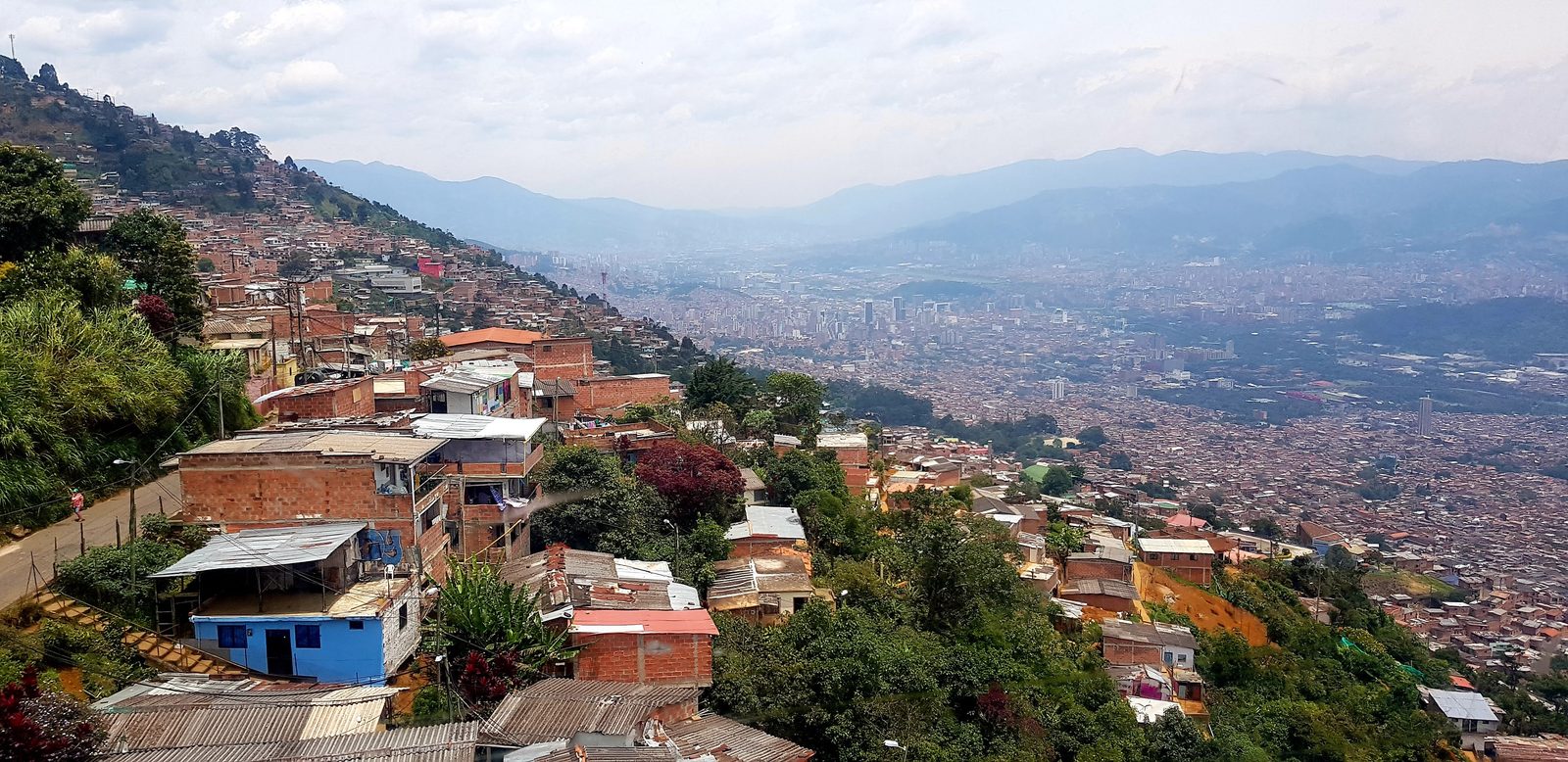
Two days later it was the Metrocable's turn, the cable cars integrated into the transport network that since 2004 have served the hillside neighbourhoods in the north. From the cabin we flew over the tin and brick roofs of Santo Domingo, the football pitches and the washing at the windows, before the whole city unfolded below. The Metrocable really impressed us. It's such a practical, simple and cheap means of transport that you wonder why there aren't more of them everywhere. Our French mountain towns could probably learn a thing or two.
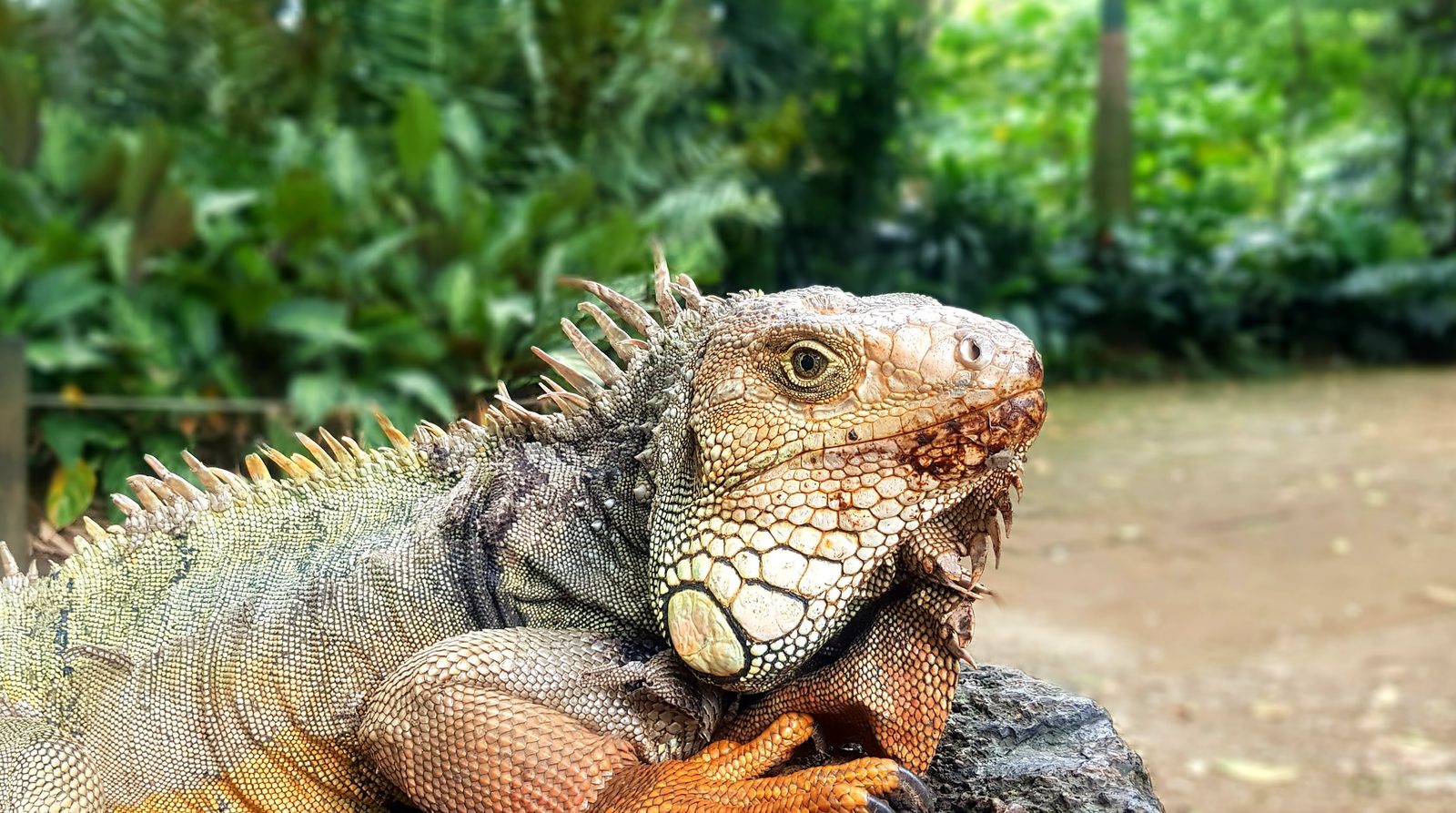
In the afternoon, at the botanical garden, iguanas over a metre long were lounging in the grass without a care for the walkers, like little dinosaurs on holiday.
The rubbish hill turned forest
We also took another guided tour, on a hill unlike any other: a former mountain of rubbish, turned into a forest. For years the city dumped its waste there, and thousands of families, often displaced by the conflict, had ended up building their homes right on top of the rubbish. The residents have since been rehoused and the mountain of waste has been covered with trees and gardens. A very interesting visit, which summed up quite well what Medellín had shown us during those few days: a city that decided not to remain what people said about it.