 ← PreviousSan Gil and Barichara, the stones of Santander
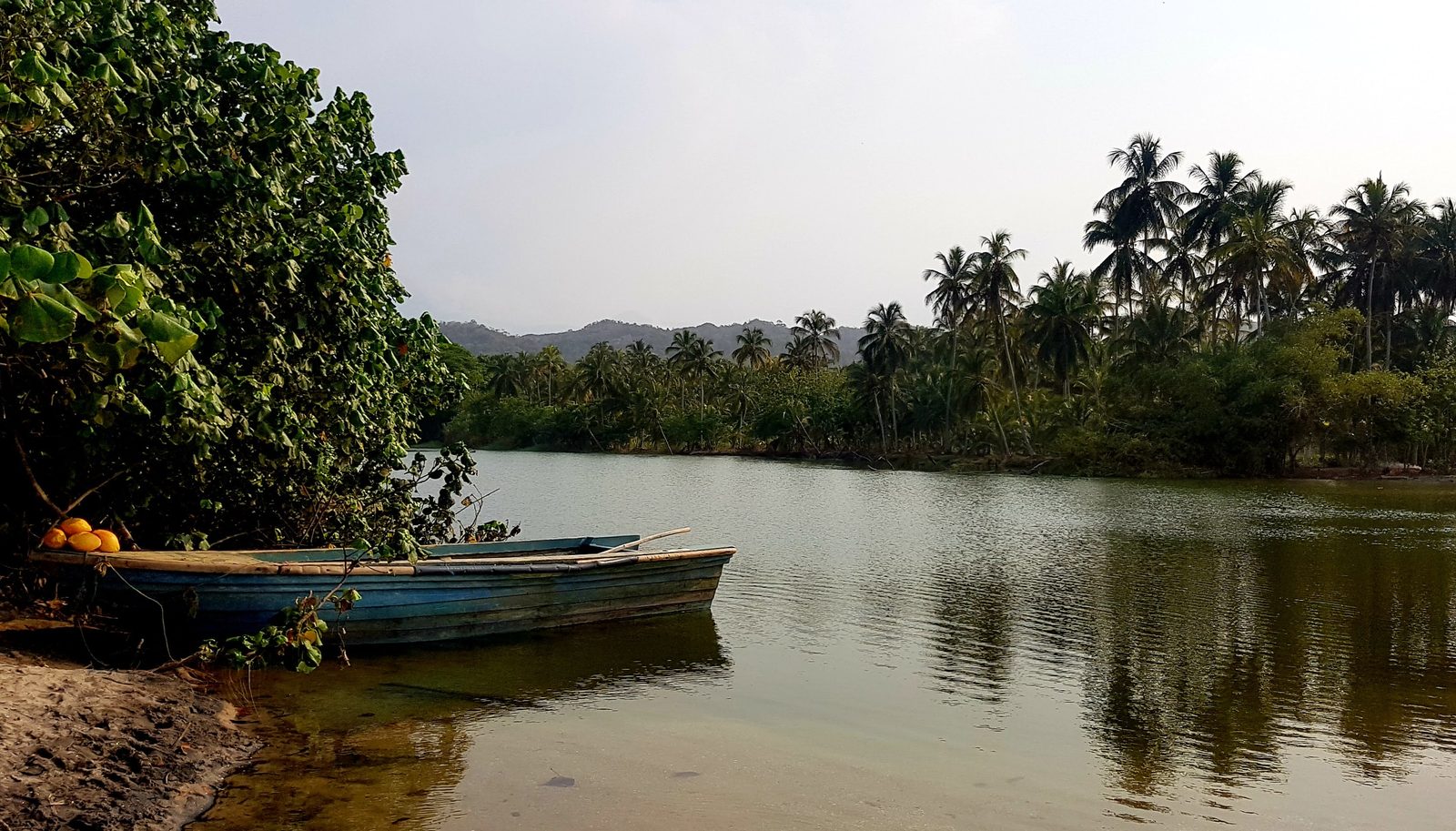
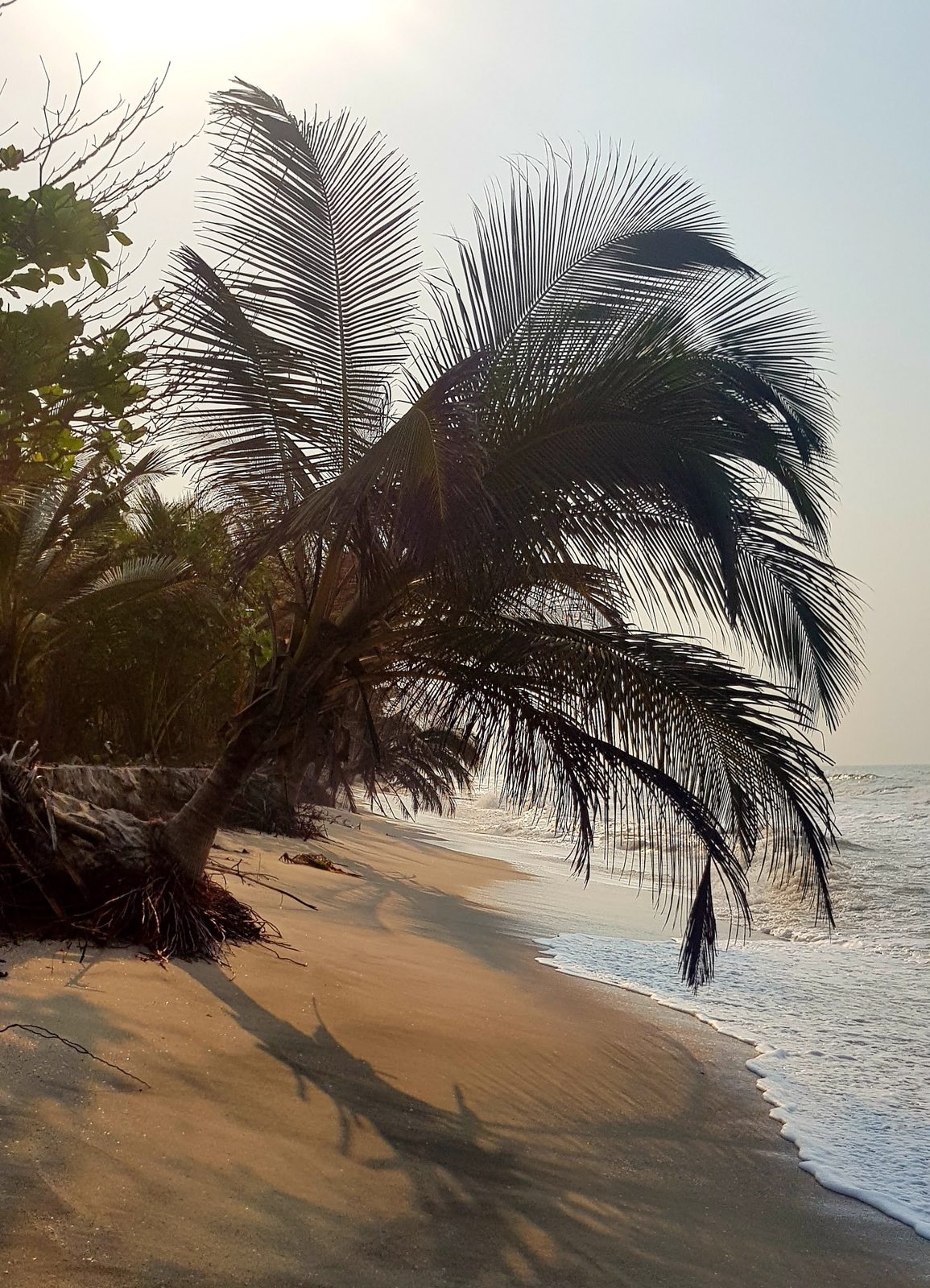
After weeks in the mountains, the Caribbean coast. The change is brutal: you leave behind jumpers and cool mornings for a muggy heat that sticks to your skin the moment you step off the bus. Palomino is a long, thin village, set where the Sierra Nevada de Santa Marta plunges into the sea. This mountain range is the highest in the world beside an ocean: its snowy peaks rise above 5,700 metres only forty or so kilometres from the beach. The Río Palomino comes down from it, cold and clear, before flowing into a rough sea lined with coconut palms bent by the wind.
The school and the headmistress's house
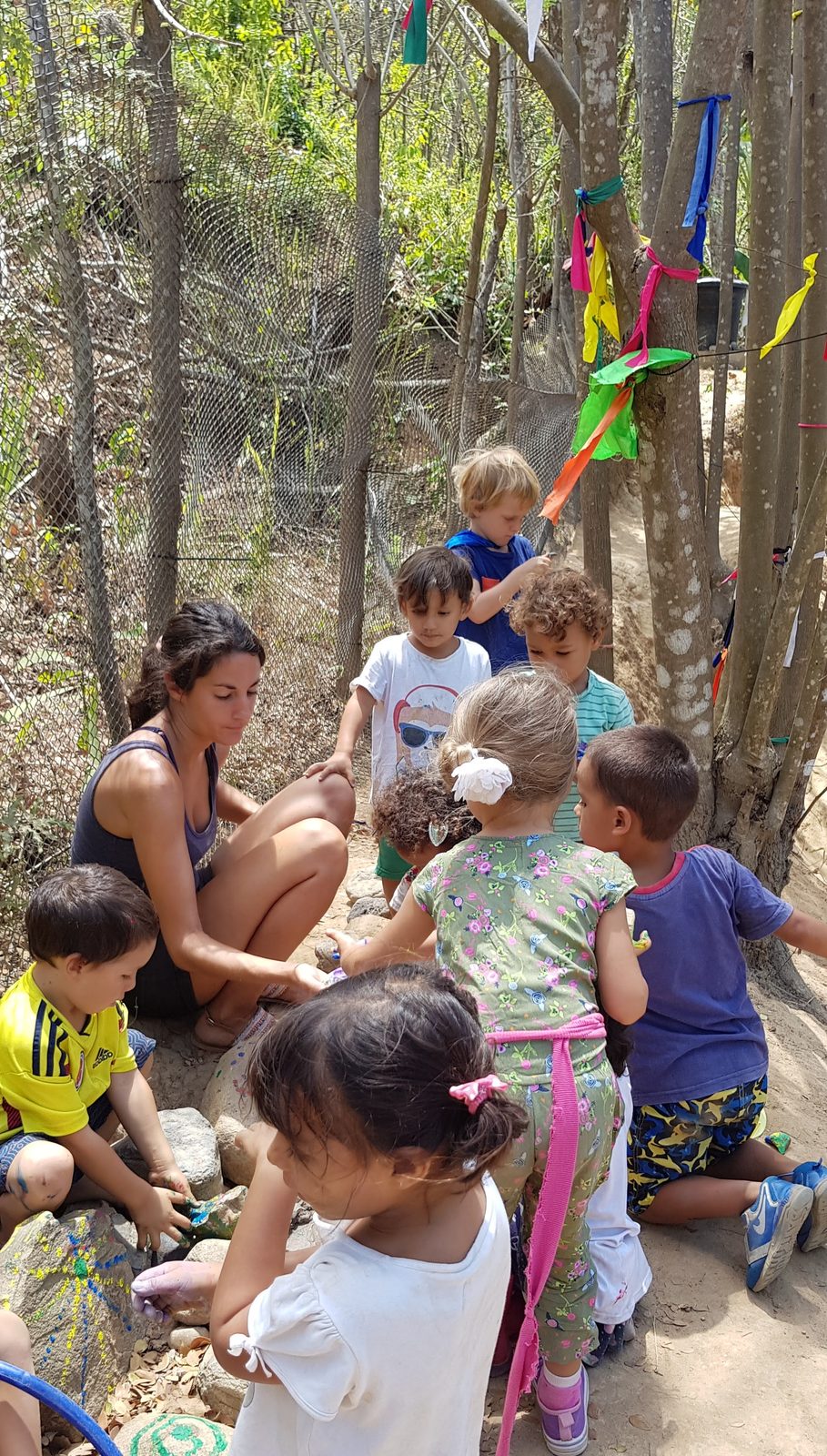
If we stayed so long in Palomino, it was because we were volunteering at a nursery school. Travelling for a long time also means agreeing to stop, to put your bag down somewhere and make yourself useful, however modestly. After weeks of just passing through everywhere, we wanted to belong to a place, even if only for a fortnight.
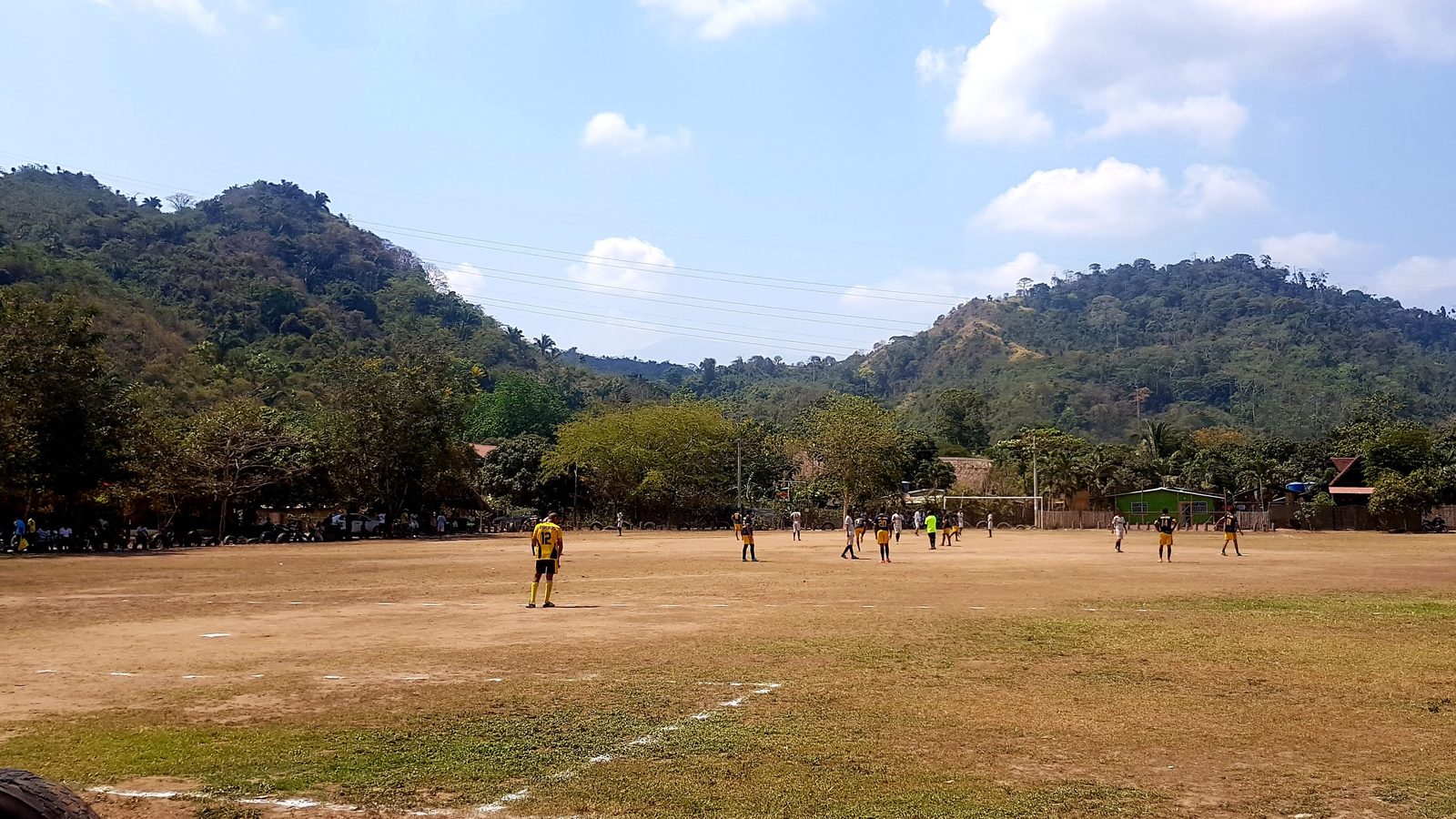
In our photos from those two weeks, the children keep coming back: sitting in a circle in the yard, wearing straw hats, or running after a ball on a dirt pitch at the foot of the hills. They had inexhaustible energy and an unfiltered curiosity for these two tall foreigners who spoke odd Spanish. Among the little ones we quickly found our favourite: Valentin, whom we loved dearly and who was truly adorable. School finished early, at the start of the afternoon, which left us long hours of freedom every day.
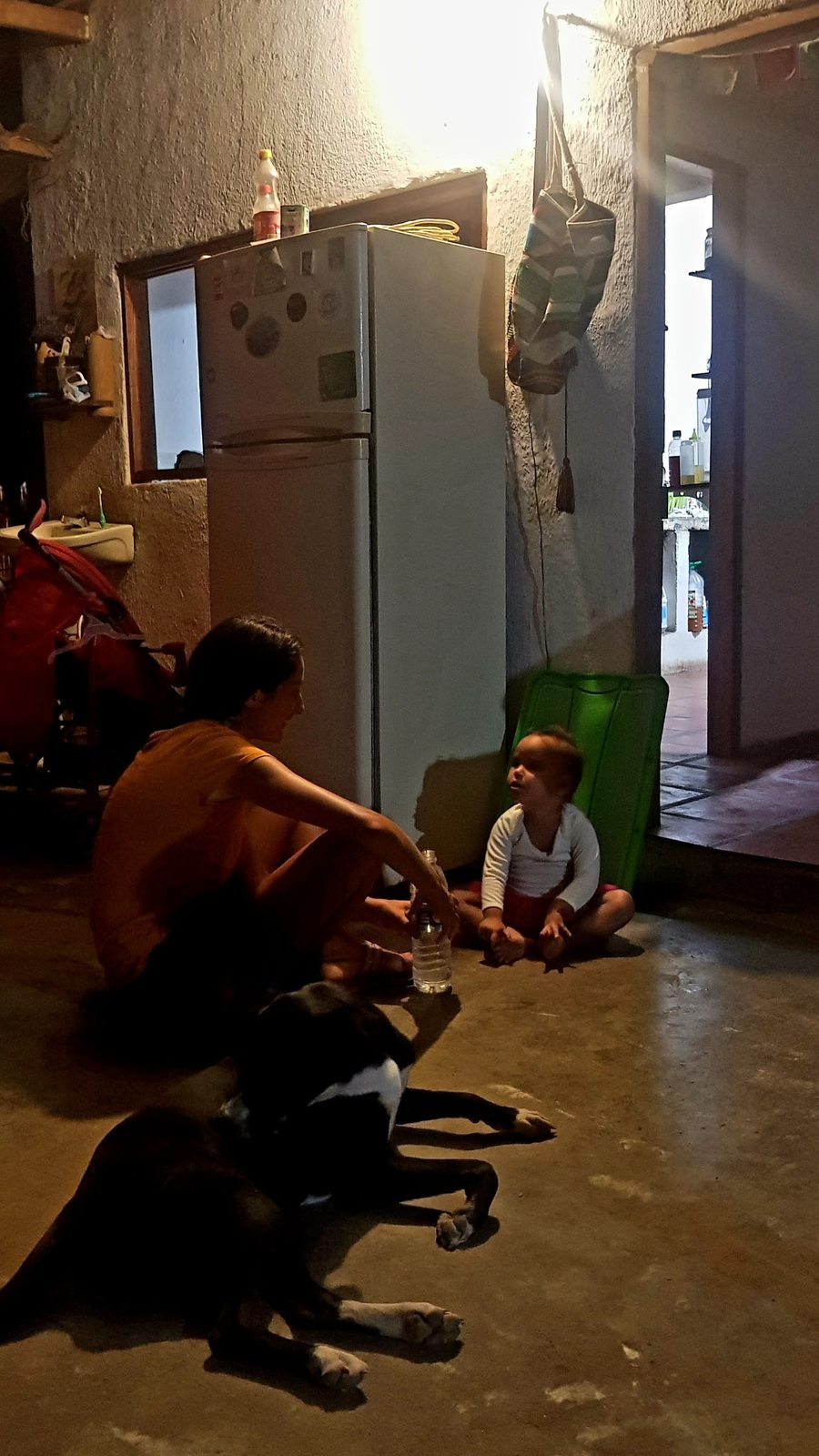
We lived with the school's headmistress. Her husband was a baker, and it was at home that he made everything he sold: bread, brioches, pastries. The whole household therefore got up at five in the morning, to the smell of baking dough. There are worse ways to wake up. The headmistress had two children, Oasis and Mapaille, who shared our daily life.
It was an isolated house, with very little electricity and no running water. To shower, you slipped under a thin trickle of water falling from a large rainwater tank. In the first few days this basic comfort surprised us. After a week, we no longer thought about it. You quickly realise how cluttered our European lives are with things we think we can't do without, and which in reality don't matter at all.
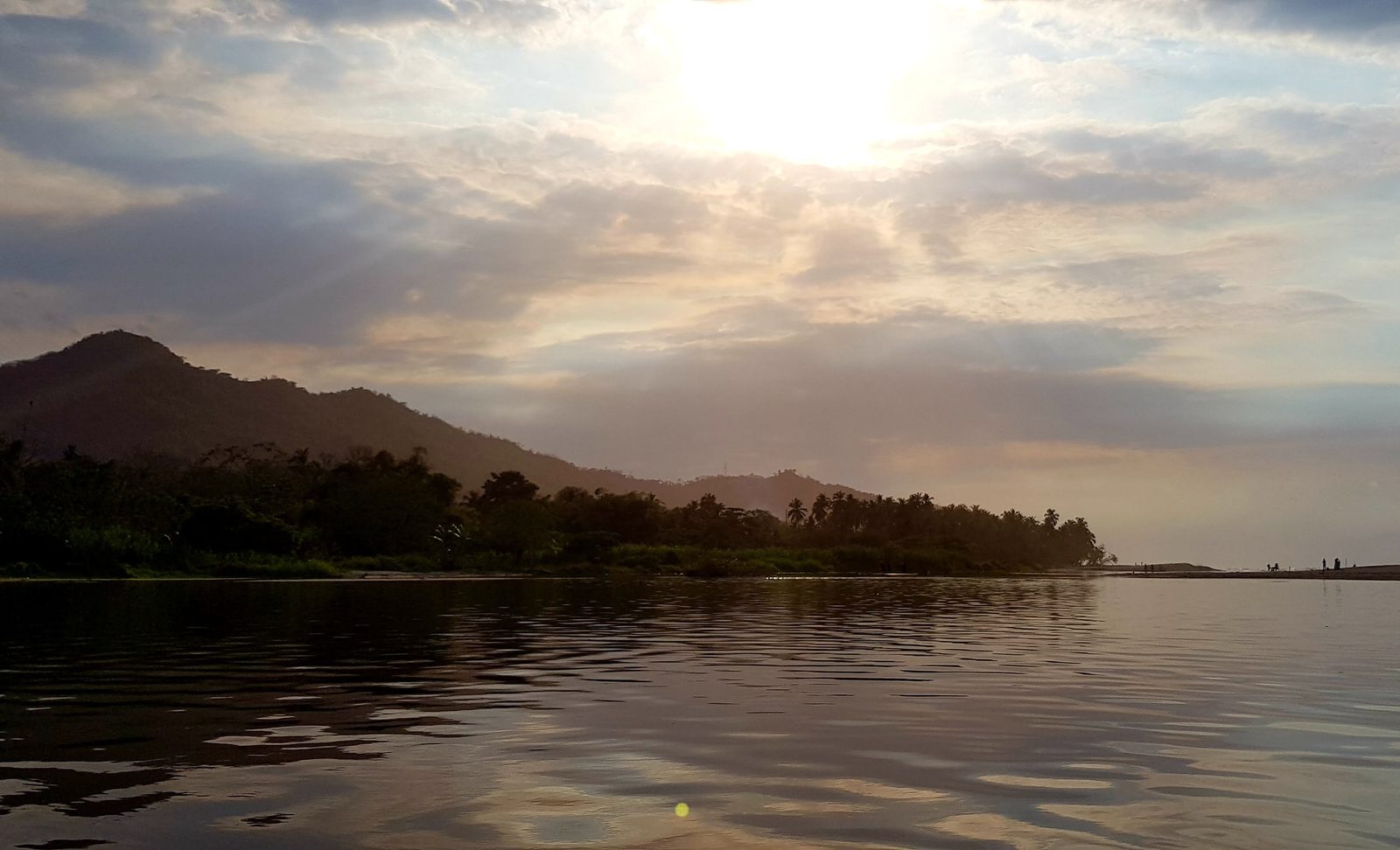
In the evening, several of us would gather, sitting on the floor of the main room, while the sun set behind the Sierra in shades of orange and purple.
Down the river
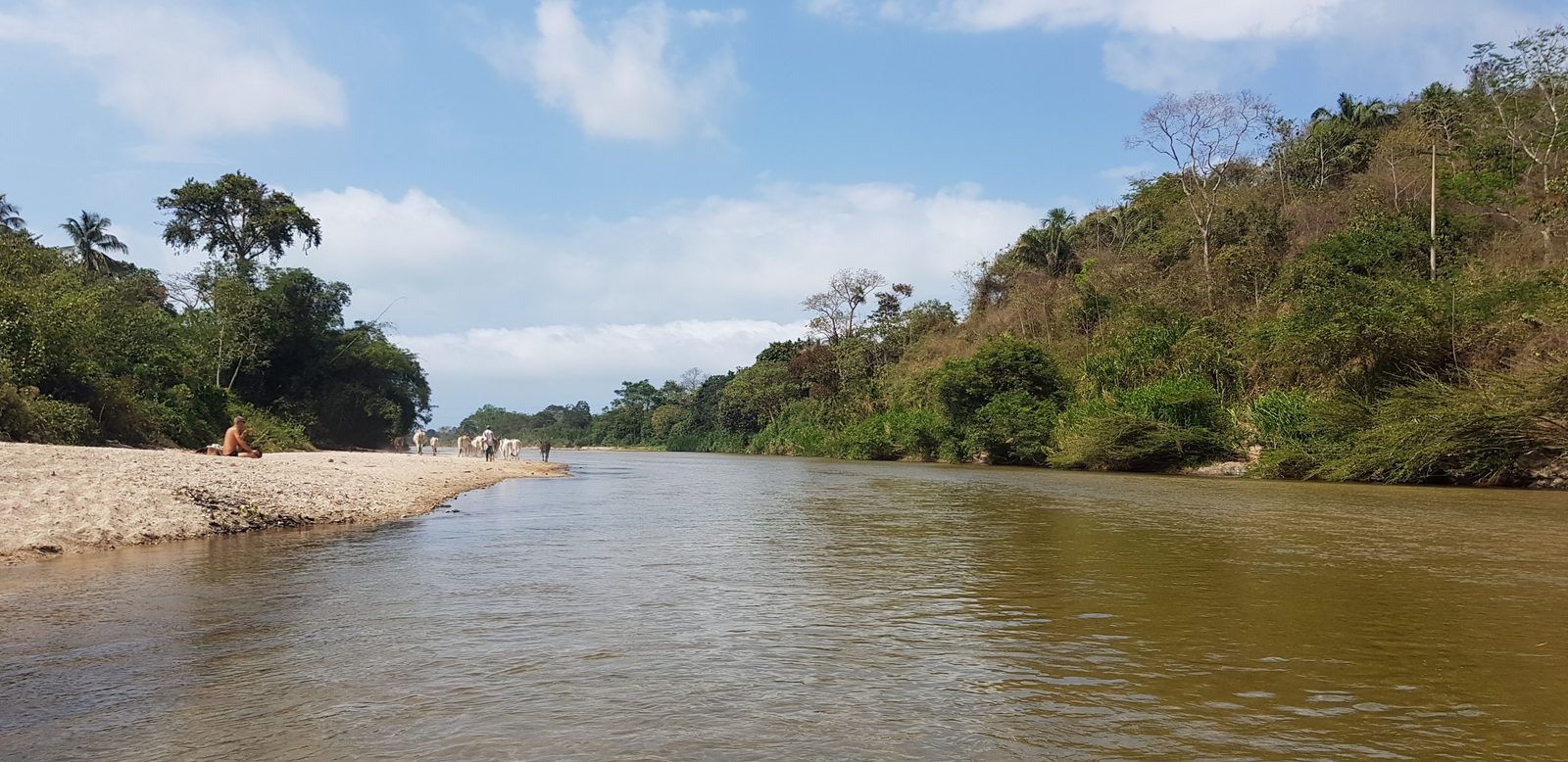
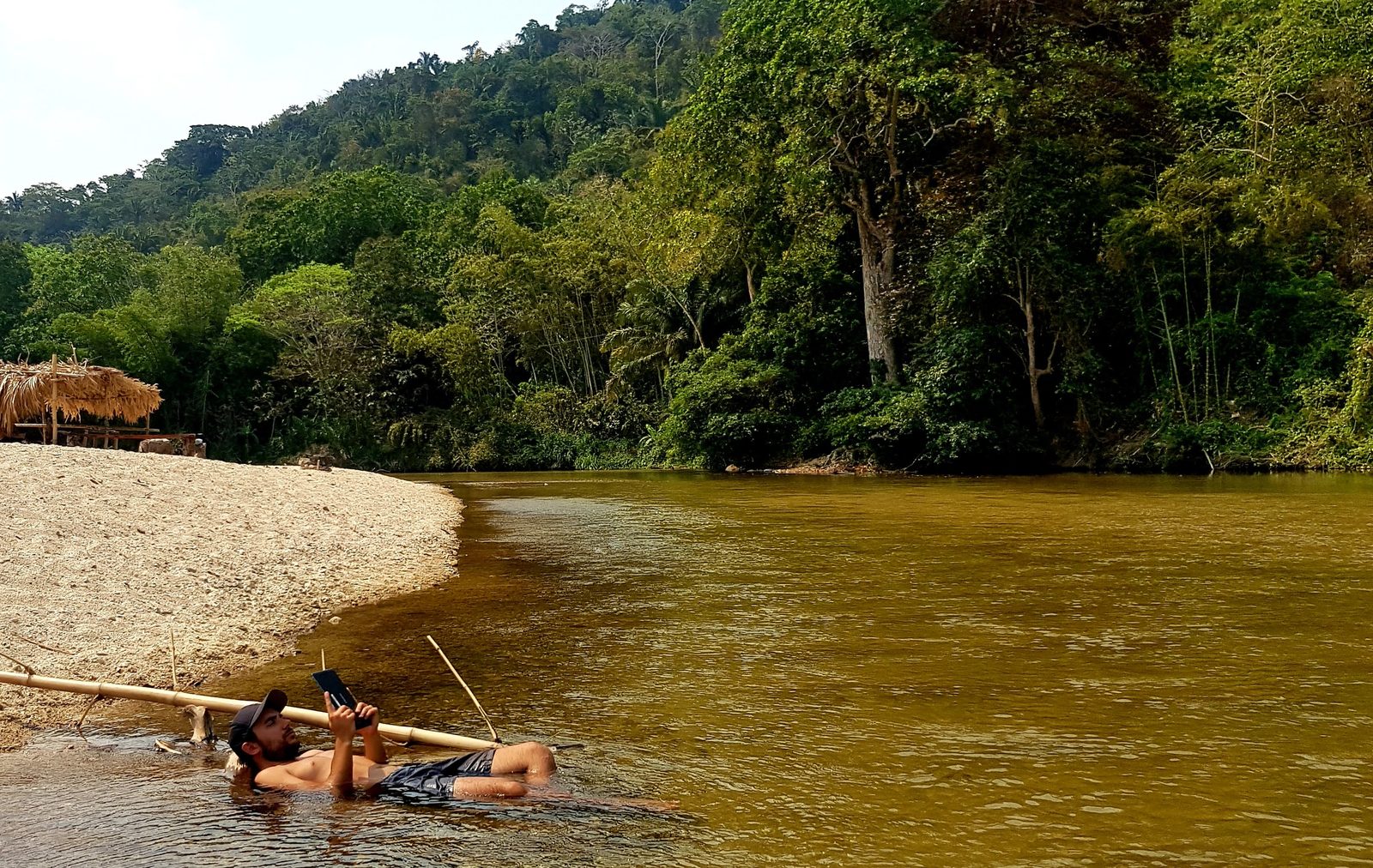
After school we often headed to the river to swim and read on the bank. Palomino's signature activity is floating down the río to the sea on an inner tube, but it was too expensive for our long-haul travellers' budget. Never mind: we swam down it, a bag on our backs, convinced it wasn't very deep. In reality it was enormously deep. We had been well and truly fooled, kicking our legs while holding the bag above the water, but it was very, very funny. The sea, on the other hand, is for looking at rather than swimming in: the currents are dangerous and the flags often red.
By the river and along the paths we often came across Kogis, one of the indigenous peoples of the Sierra Nevada, recognisable by their long white clothes. They consider themselves the “elder brothers” of humanity, guardians of the world's balance, and call us the “younger brothers”, those who have forgotten how to look after the Earth. Watching them walk by, silent and barefoot, we thought they might not be entirely wrong.