 ← PreviousMinca, above the clouds
22 April
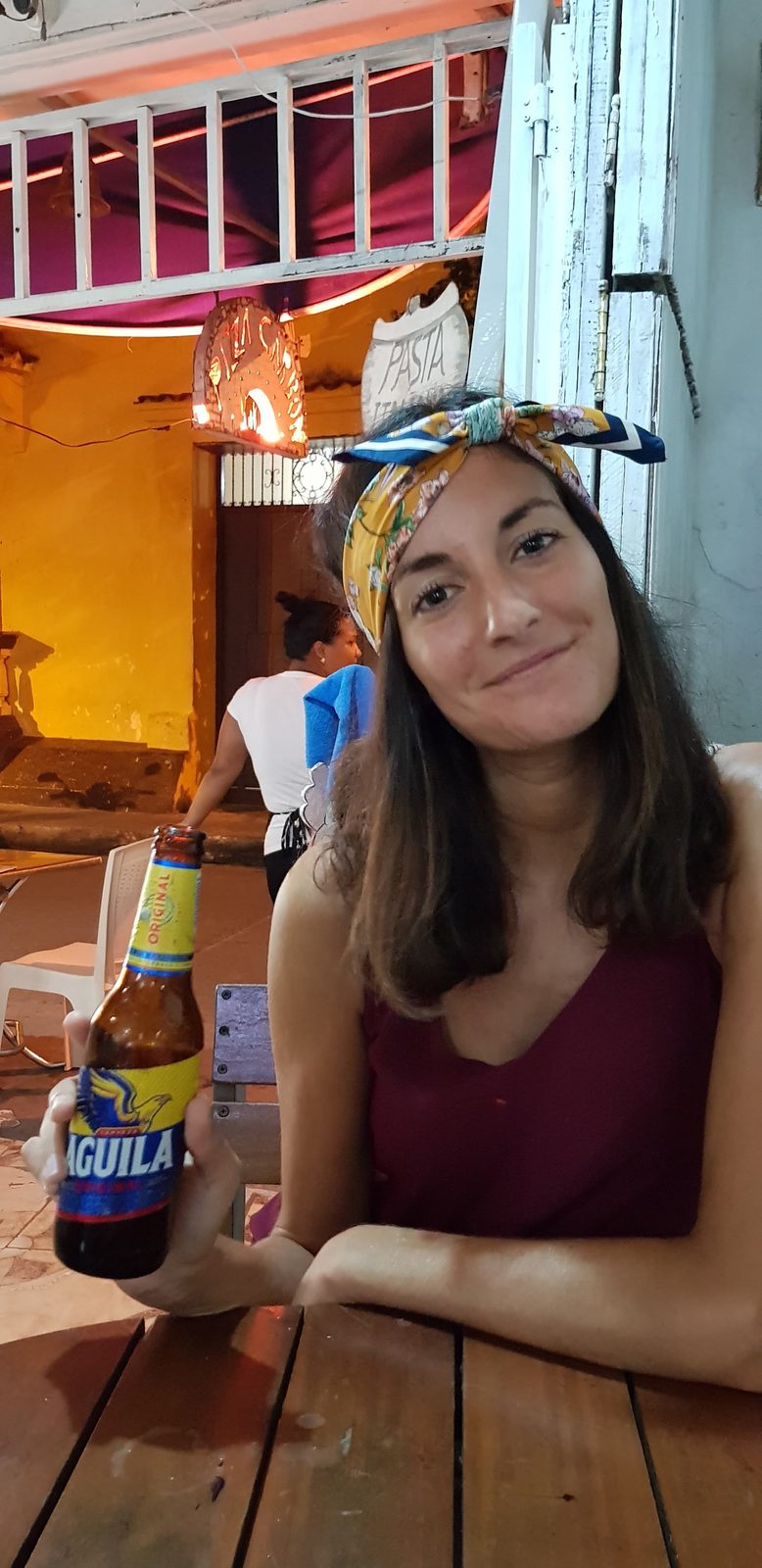
Once again it was by bus that we reached Cartagena, on a Monday evening. Cartagena de Indias, the pearl of the Caribbean, the city everyone had described to us as the jewel of Colombia. Expectations were high. Our first memory of it is a terrace, two ice-cold beers and walls painted in every colour. After the Easter saga and the impossible buses, it was a very respectable start.
We were staying a little outside the city, and that daily journey showed us the other side of the picture. In a few minutes you went from the wealth of the historic centre, its luxury boutiques and hotels set in former convents, to run-down, frankly shabby outskirts where a large part of the population lives. Rarely had we seen such a gap over such a short distance. Tourists who never leave the walls probably never see this other city.
Getsemaní and the old town
The next morning we set off on foot into Getsemaní, the old working-class district that stretches out at the foot of the ramparts. Long considered dodgy, in just a few years it has become the trendy neighbourhood, with all that implies in hip bars and rising rents. Its lanes are covered in murals, bunting and umbrellas hanging above the cobbles, and bougainvillea spills from the balconies.
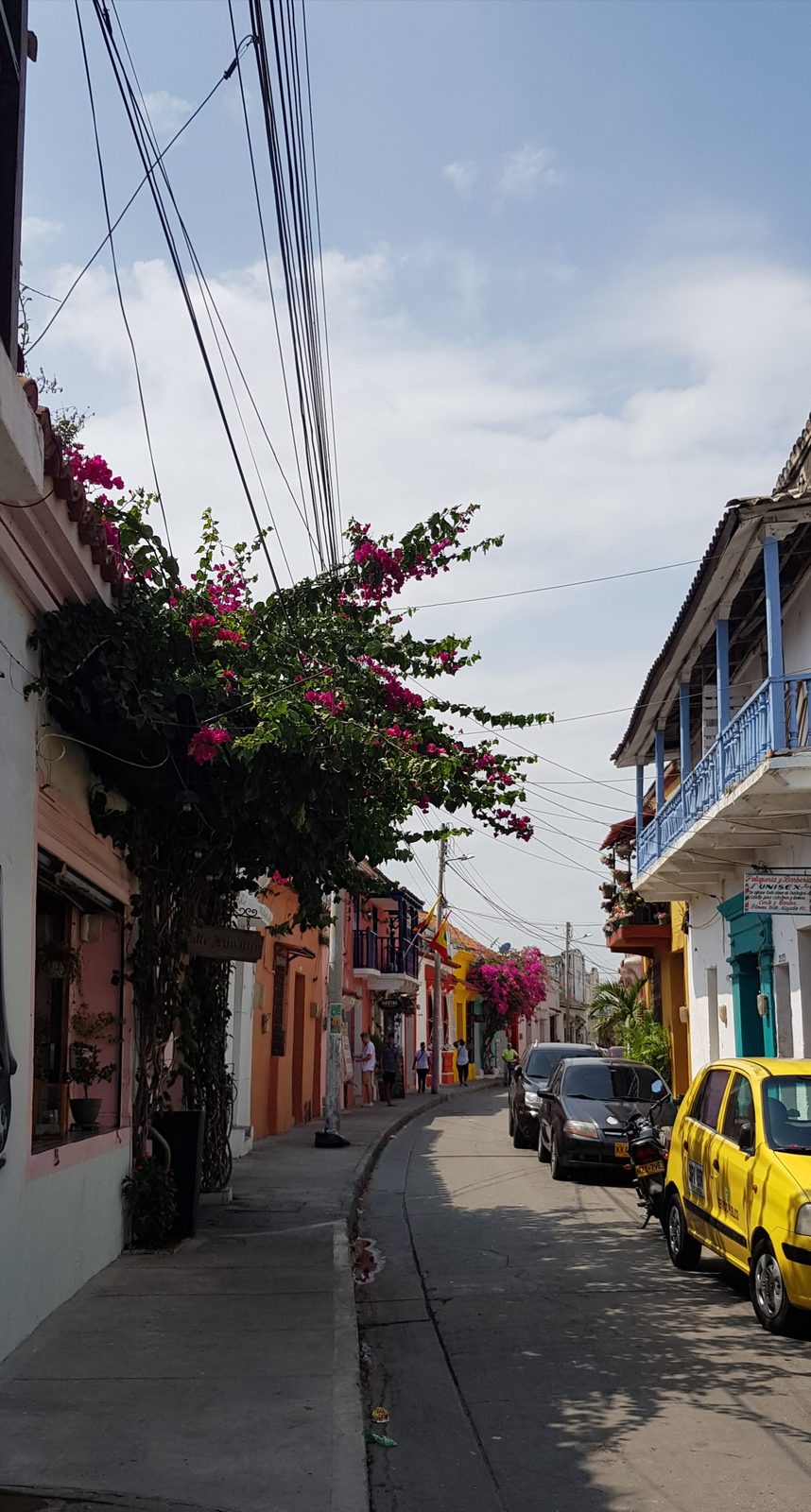
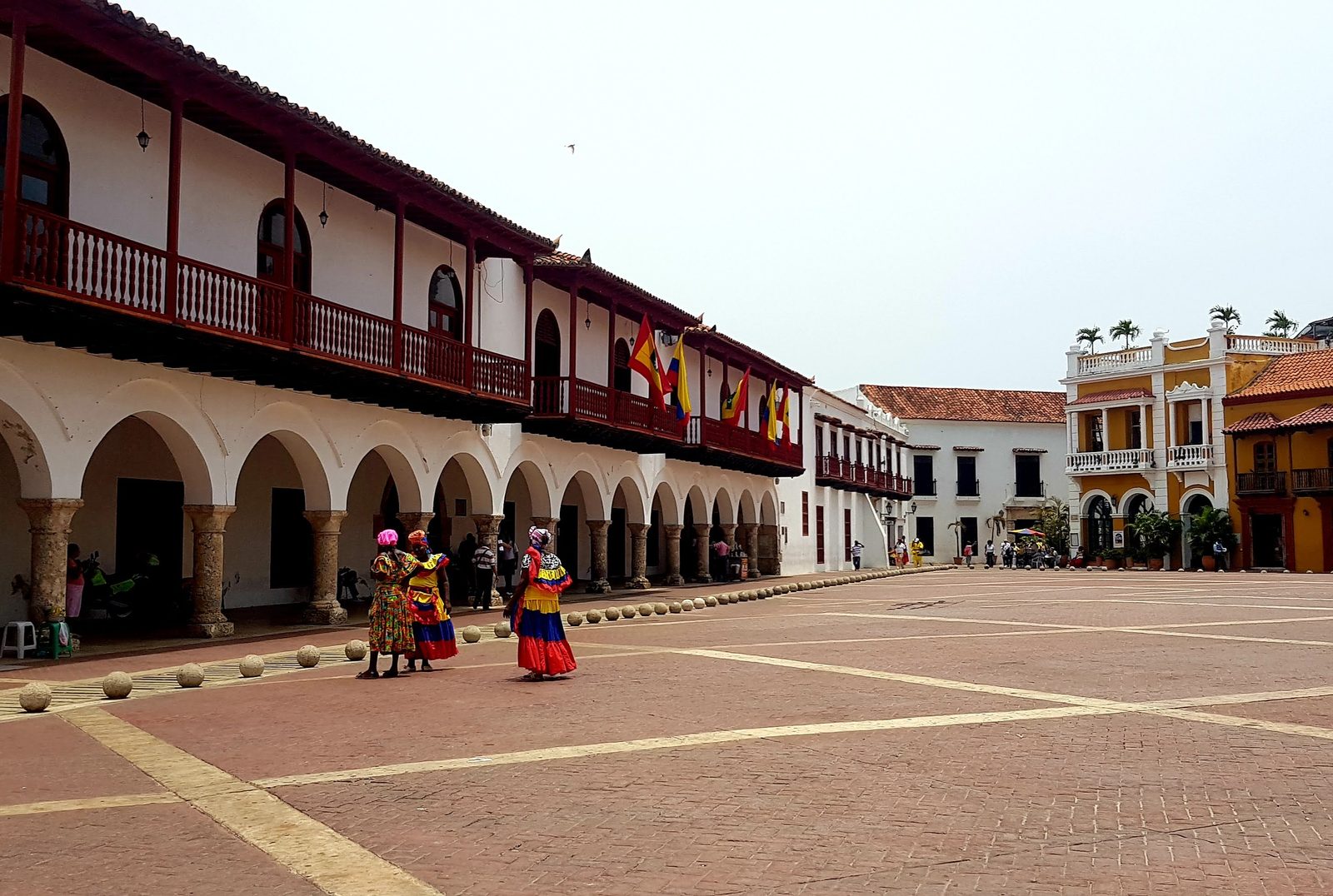
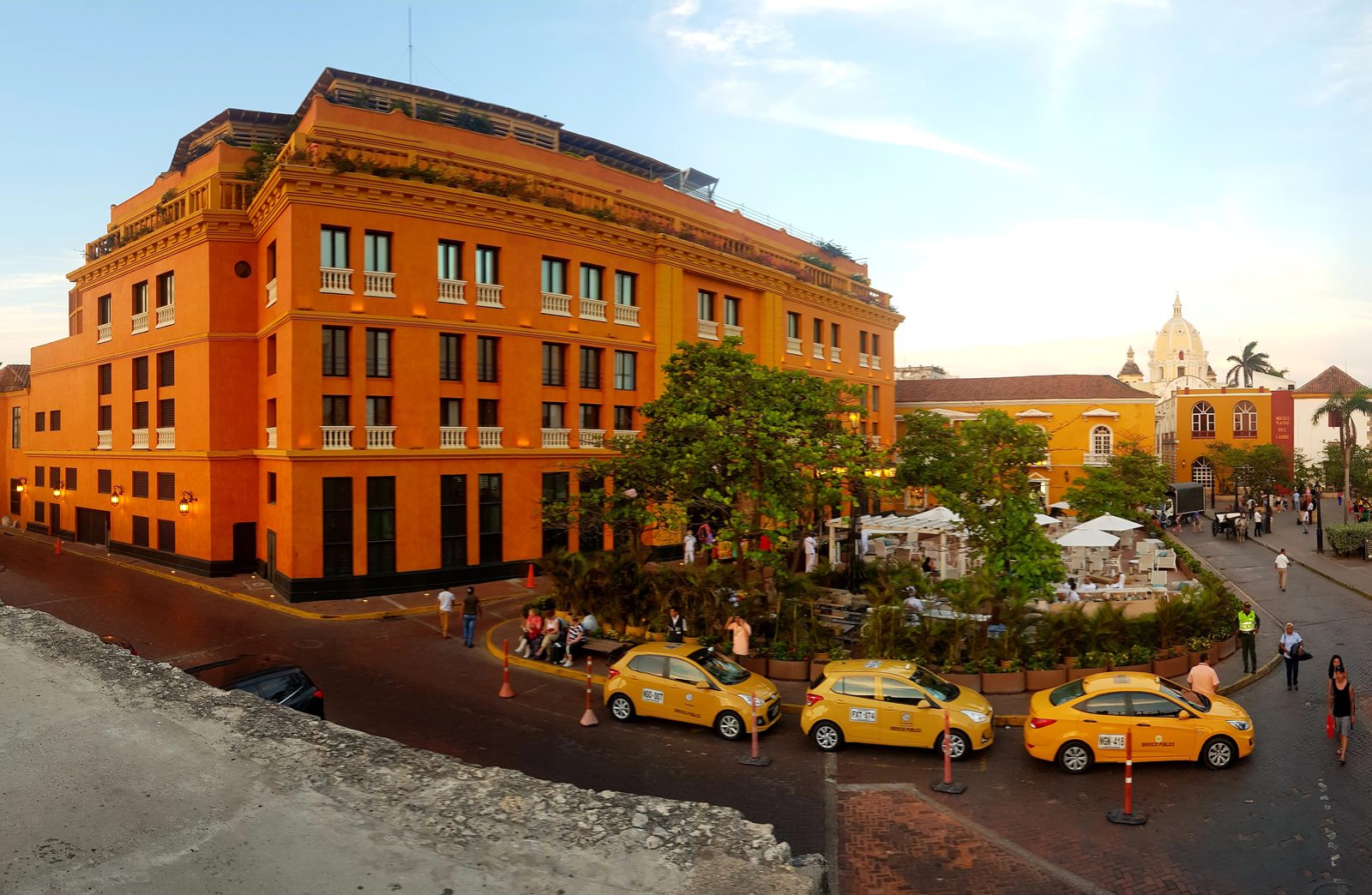
Then we went through the Clock Tower gate into the walled city. Just behind it, the Plaza de los Coches, with its arcades and sweet sellers, was once the city's slave market, one of the most important in the Americas. Once again this history caught up with us, a few weeks after the Louisiana plantations. The rest is a succession of yellow, orange or blue colonial houses, wooden balconies laden with flowers and shady squares, listed by Unesco as a World Heritage Site in 1984.
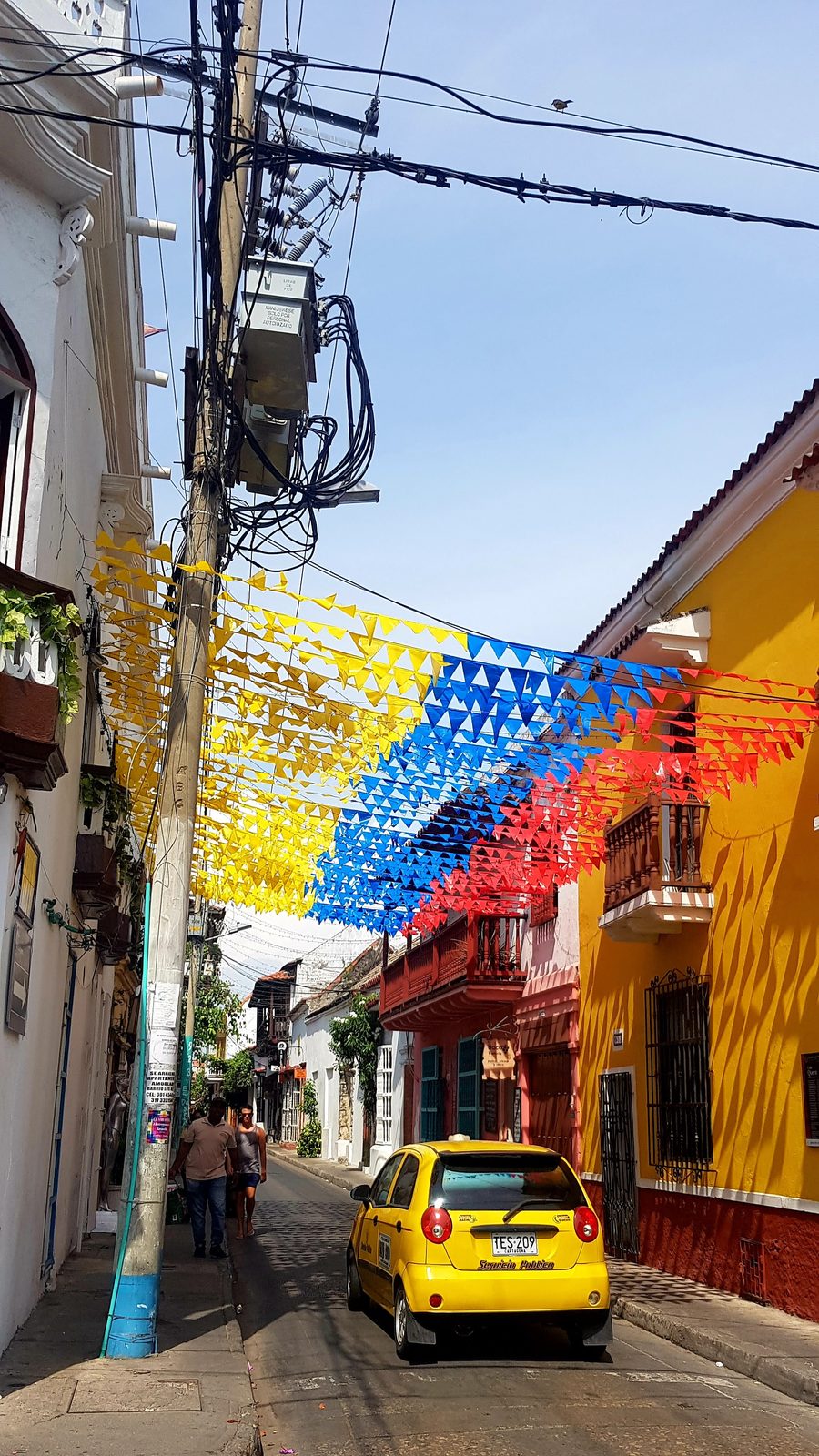
To be honest, Cartagena wasn't our favourite. Everything is beautiful there, but with a cardboard-cutout beauty, like a set put up for visitors, and first and foremost for the Americans stepping off cruise ships. Prices are Miami prices, waiters speak English and hat sellers follow you for a hundred metres. After weeks in the Colombia of villages, buses and street vendors, the city felt too different from the rest of the country for us to feel really at ease there. That's the problem with places that are too famous: by dint of showing themselves off, they end up forgetting to simply be.
Sunsets on the city walls
Cartagena is surrounded by nearly eleven kilometres of ramparts, built from the sixteenth to the eighteenth century after the pirates came through, including Francis Drake, who sacked the city in 1586. In the evening everyone climbs up to watch the sun drop into the Caribbean Sea. We went up too, to watch the sky turn from pink to purple above the sea. We have to admit that, at that hour, Cartagena won us back a little.
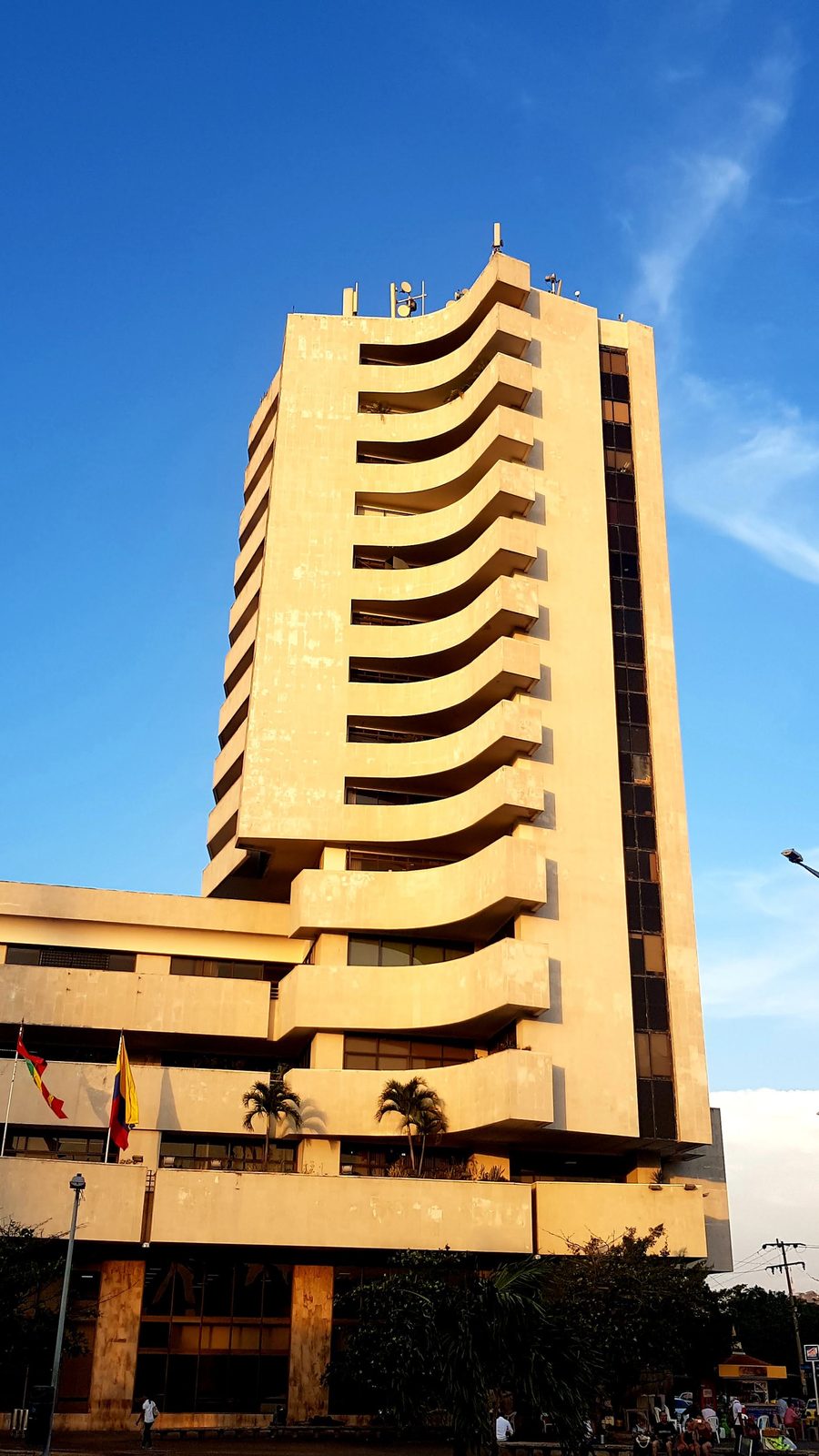
Rincón del Mar, far from everything
26 April
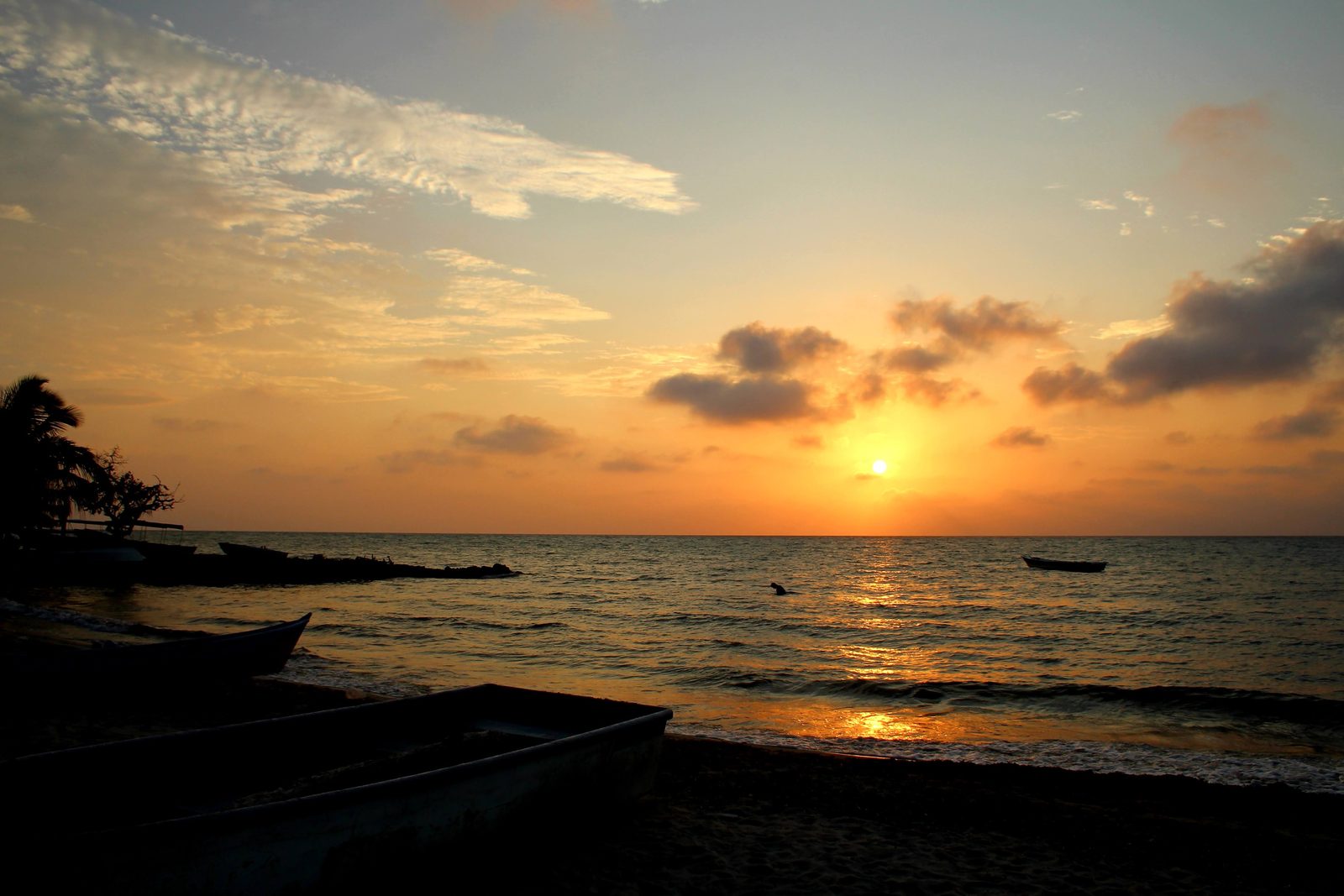
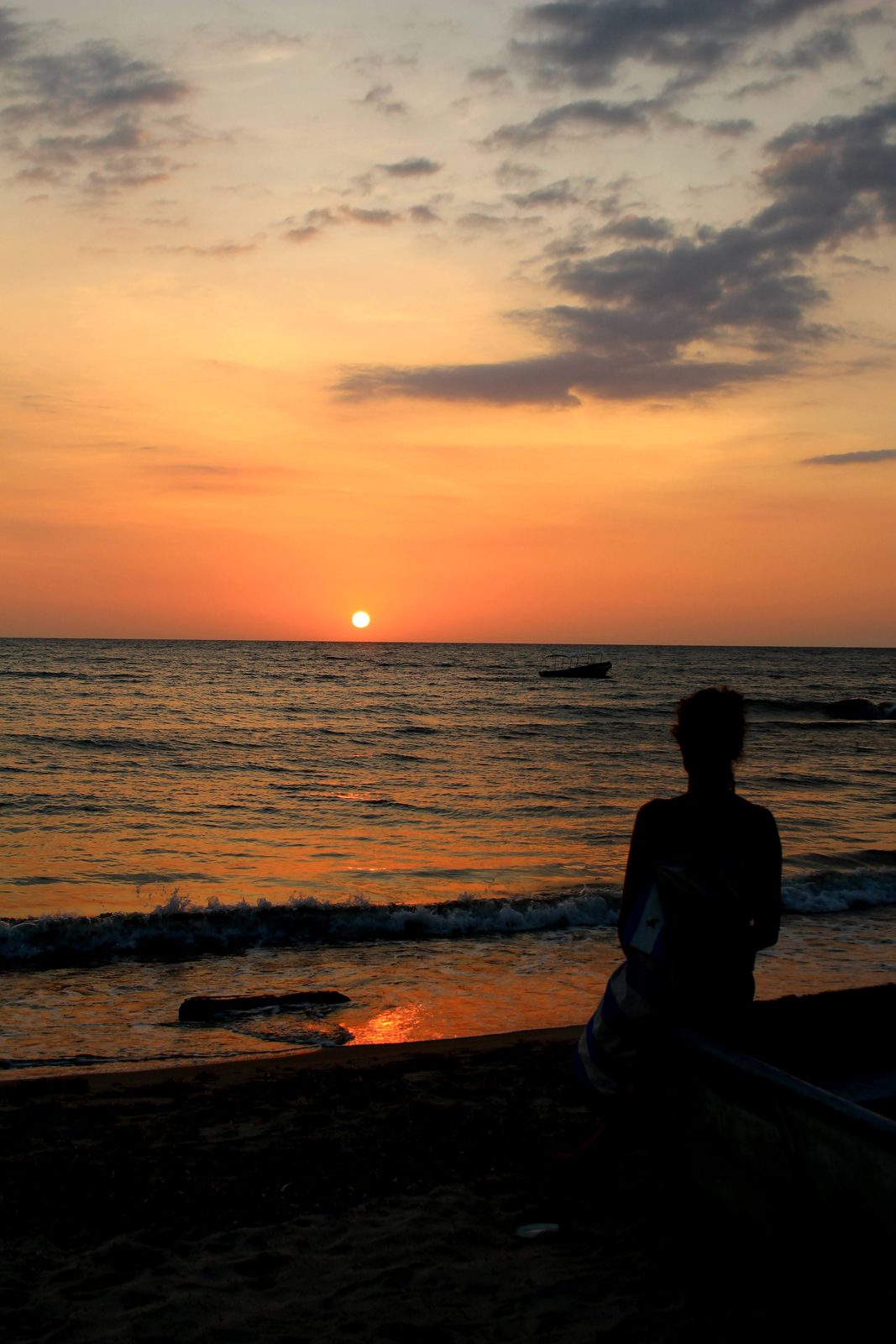
For our last days on the coast we headed south, to Rincón del Mar. This tiny fishing village on the Gulf of Morrosquillo has to be earned: a bus to the main road, then a jeep taxi down a track to the water's edge. A few hotels set on the sand, fishing boats pulled up on the beach, palm trees, and above all no phone signal. After the stage set of Cartagena, it was exactly what we needed. It was extremely restful, and every evening the sun set into the sea, right in front of us.
One more thing, true here as everywhere in the country: Colombians love noise. Music is everywhere, all the time and always at full volume, in buses, shops, houses, right down to the beach of the smallest village. Vallenato, reggaeton, champeta, the style doesn't matter as long as the speakers are maxed out. Even at the end of a remote track, with no signal and next to nothing, there is always someone ready to bring out a giant speaker. We had ended up getting used to it, and almost finding it charming.