 ← PreviousGuadalupe and the red pools of Las Gachas
25 March
San Gil calls itself the Colombian capital of adventure sports, and it lets nobody forget it. Rafting on the Río Fonce and the Río Suárez, paragliding over the Chicamocha canyon, caving, bungee jumping: everything can be booked from the agencies lining the square, where touts hand you leaflets as soon as you look like you're carrying a backpack. It's the paradox of these towns that have become unmissable stops on the backpacker circuit: you come for adventure, and mostly find a well-oiled industry.
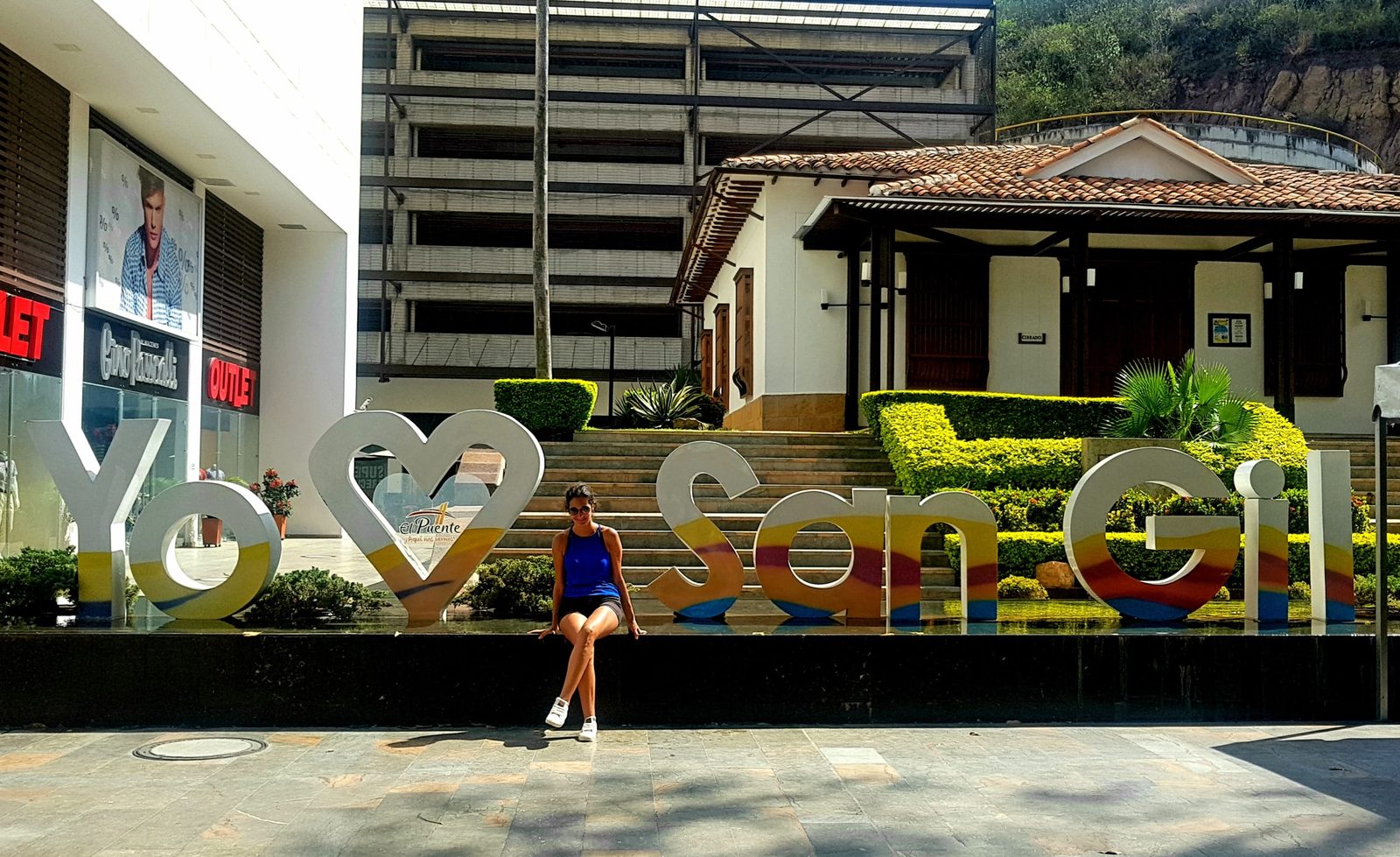
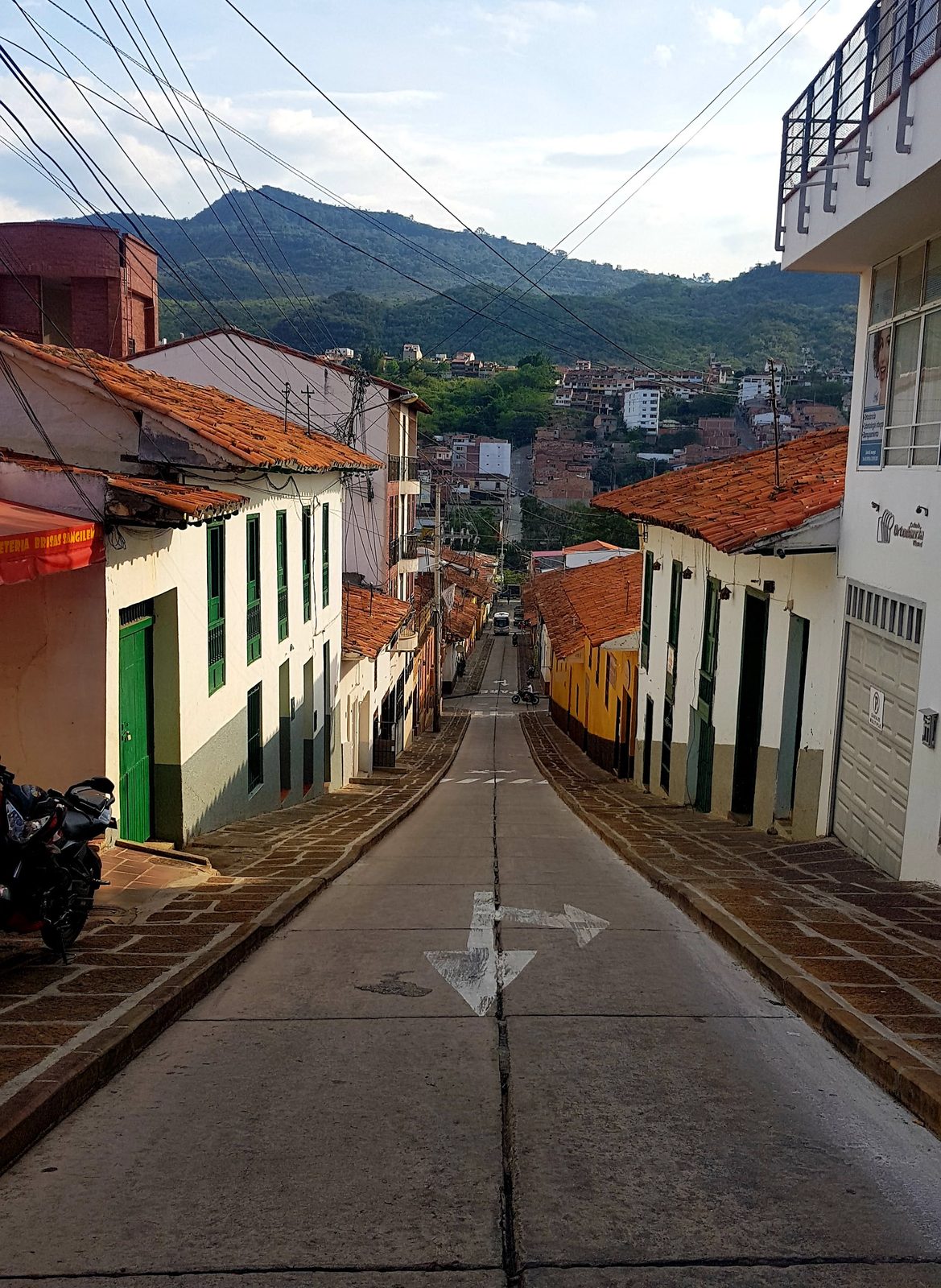
The town itself is more modest than you might imagine, a jumble of tiled roofs and sloping streets where motorbike taxis weave through at full speed, under the big “Yo ♥ San Gil” where everyone has their photo taken. We didn't escape it. Once the tourists have gone back to their hostels, San Gil becomes an ordinary small Santander town again, with its grocery shops, fruit juice sellers and old men sitting on the square.
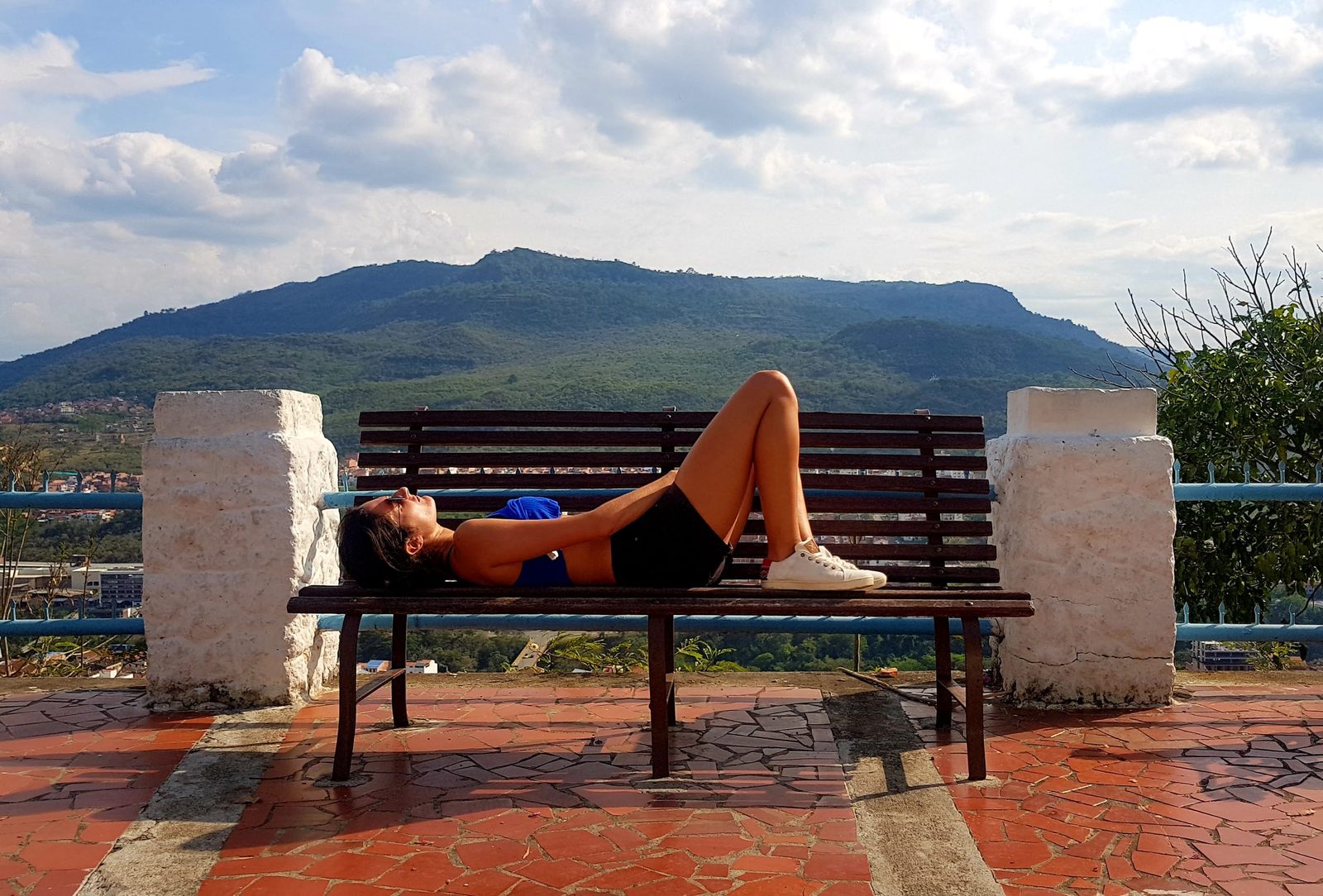
In the late afternoon, from a bench perched on the edge of the drop, we watched the clouds catch on the mountains surrounding the valley. Santander has a particular light at the end of the day, golden and a little dusty, that makes you never want to move again. That's what we did, for a long time, without saying a word.
Barichara, the most beautiful village in Colombia
26 March
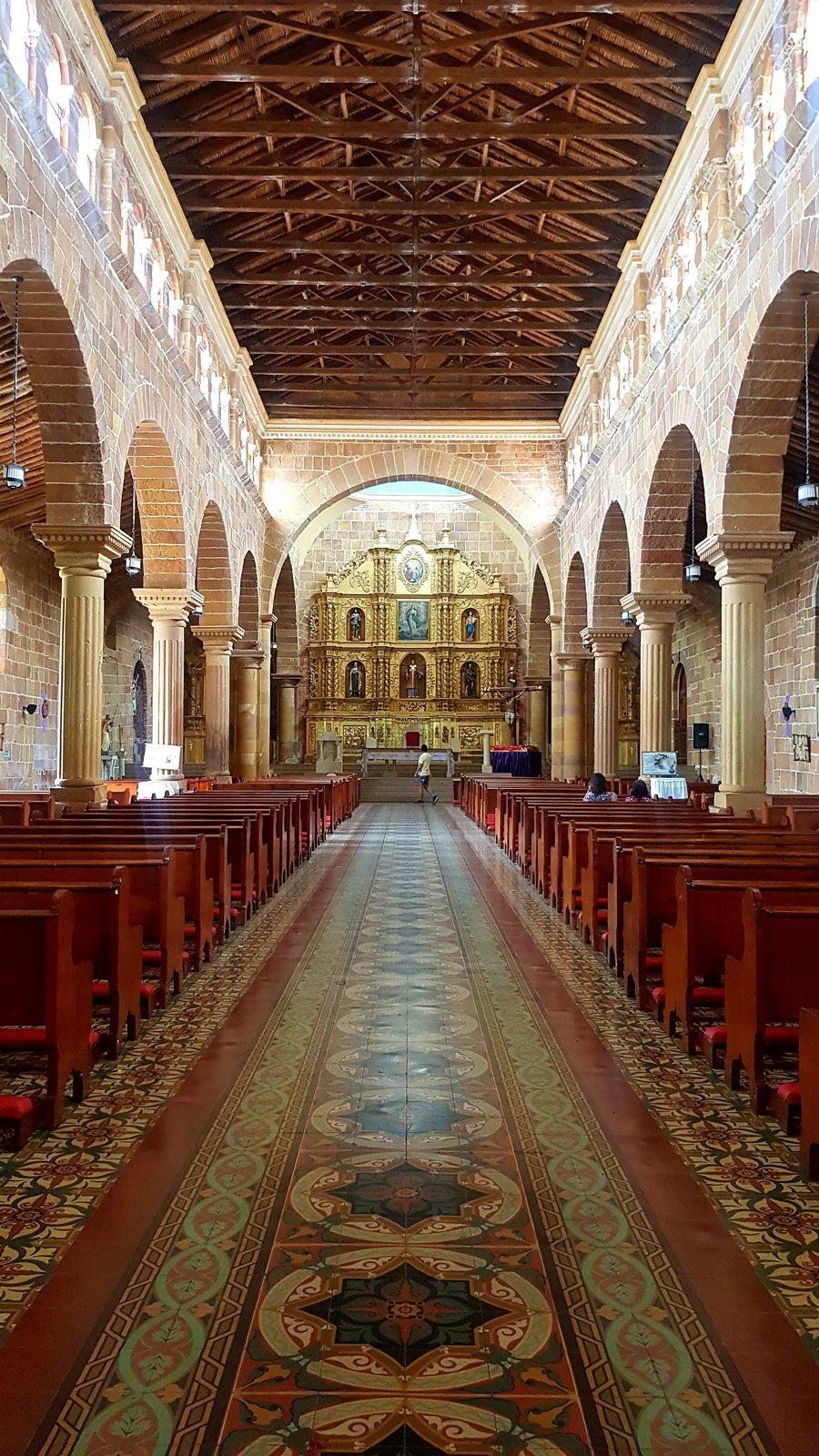
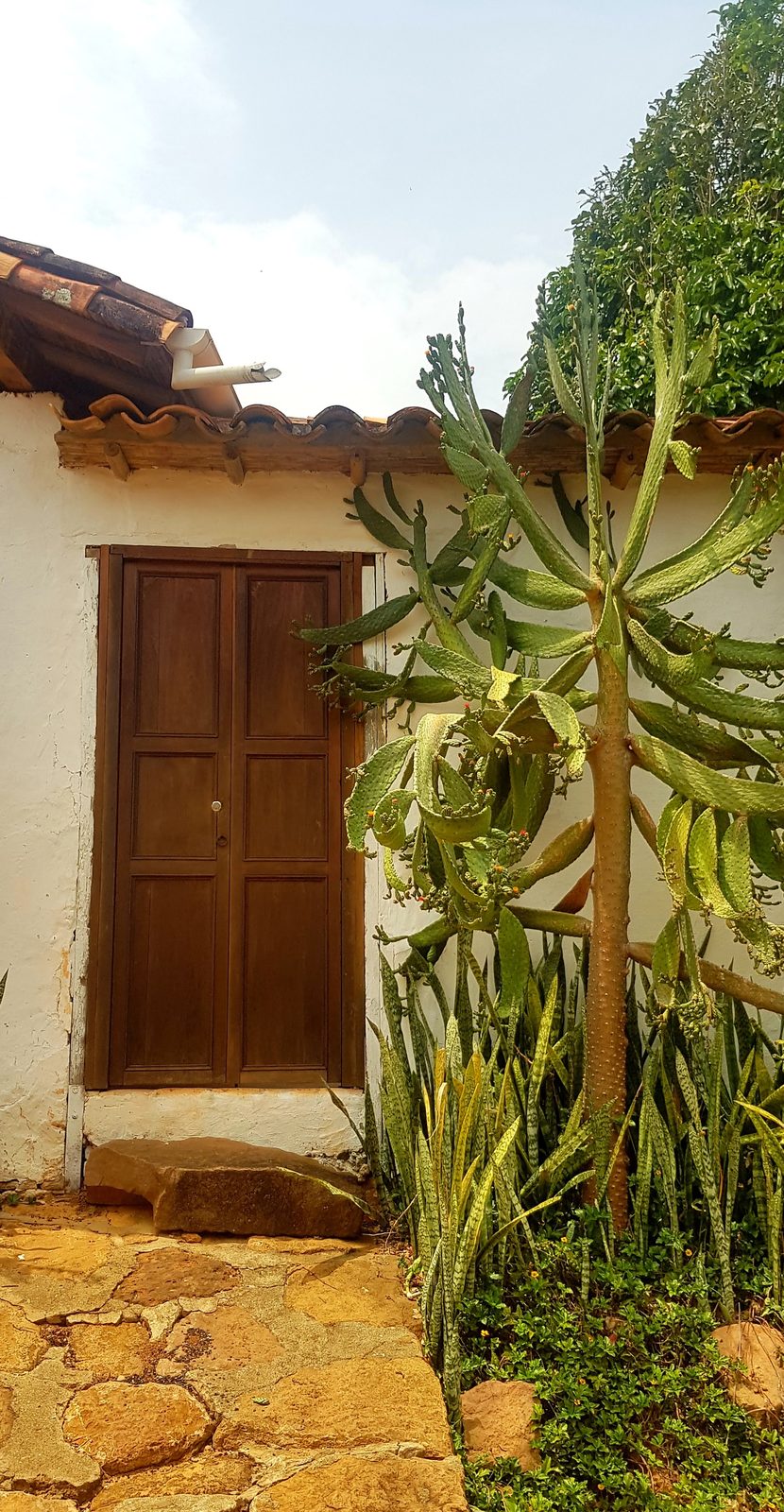
The next day a small bus took us up to Barichara, often called the most beautiful village in the country. That kind of title usually makes us wary, but you understand why very quickly when you arrive: streets entirely paved with large sandstone slabs, white houses with doors and windows painted green, blue or red, tiled roofs and cacti spilling over low walls. Time seems to have stopped there in the eighteenth century, and several films and telenovelas have been shot there.
Here everything is built with local stone and earth, and craftsmen keep alive the technique of tapia pisada, walls of rammed earth that stay cool despite the heat. We wandered without a map, at random through the lanes, trying to guess the colour of the next door. The village is so quiet that you can hear your own footsteps echo on the flagstones.
From Barichara starts the Camino Real, an old indigenous path paved in the nineteenth century by the German engineer Geo von Lengerke, which descends in about two hours to the hamlet of Guane. This Lengerke is a character straight out of a novel: having arrived in Colombia after, so the story goes, an unfortunate duel in Germany, he spent his life building roads through these mountains to move tobacco and quinine.
Heading north
On 28 March we hit the road again towards Bucaramanga, the big city of Santander, the first step towards the Caribbean coast. We were about to leave the mountains, the ponchos and the cool mornings for the humid heat of the coast. We would only see the sea again at the beginning of April, in Palomino.