
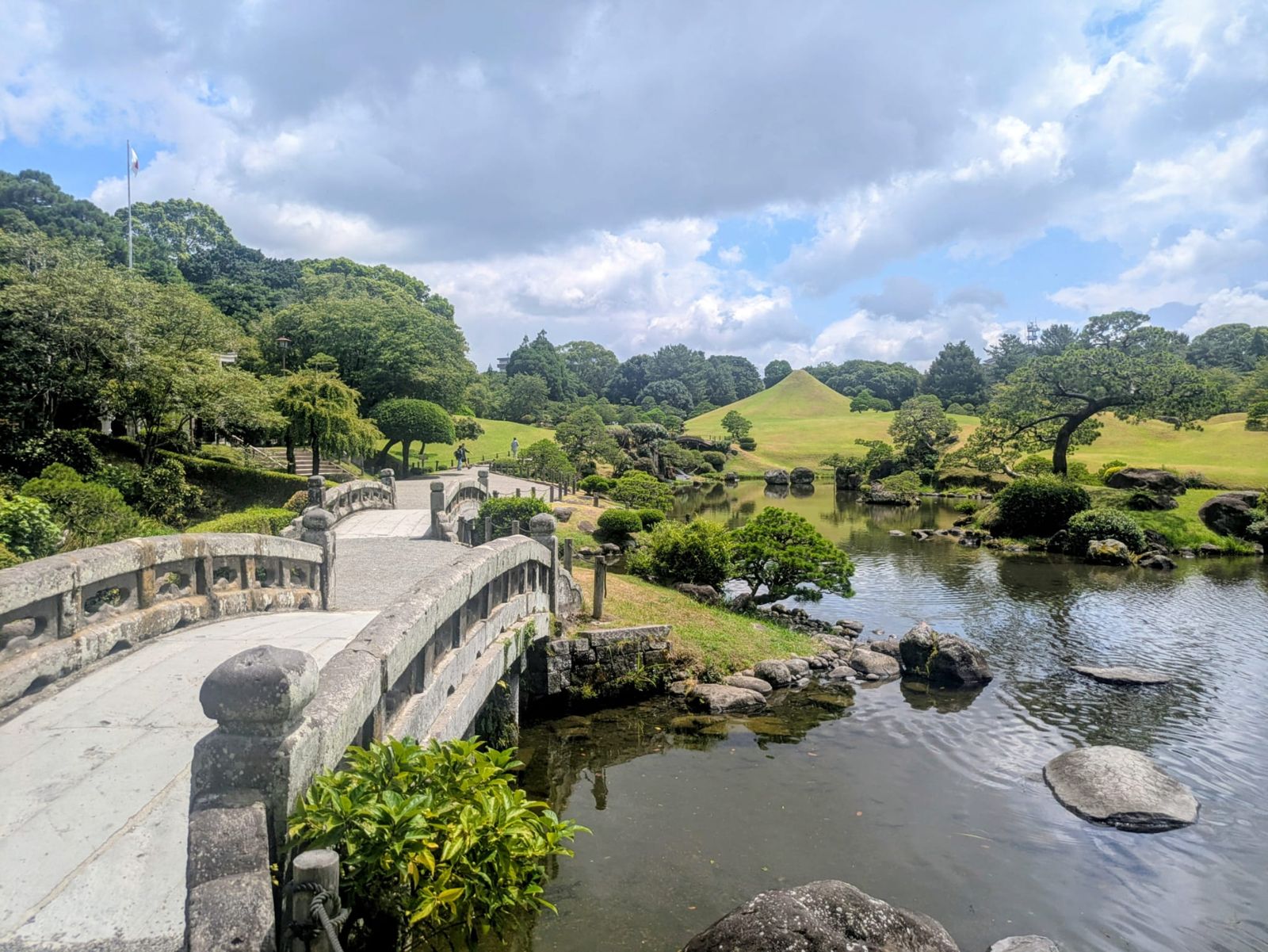
 ← PreviousKumamoto, city of Kumamon and One Piece
Human beings tend to notice only their bad luck. We're often aware of negative events but rarely of the positive. This morning at breakfast, though, we have to admit we've been very lucky. On TV, the country's news channels are talking only about the floods in Kagoshima and Kirishima, where we were three days ago. The authorities have even triggered an alert level never reached before, the black alert. It's translated, no joke, as "survive by any means possible". On the news, the presenter shows a photo of a house, urging people to take refuge on upper floors. She points this out on a picture with a stick with a red ball on the end, very 1990s, which makes us laugh a lot. Joking aside, torrential rain has hit the region, completely cutting off roads and railways, and landslides have swamped villages. Needless to say, we're glad to be quietly drinking coffee in safety in front of the TV with our daughter.
Still, we have to leave the hotel and make our way gently to Fukuoka, where we take the boat in a few days. Once the bags are ready, Stéphane fetches the bikes from the garage, pays the 900 yen, and we're off. The road between Kumamoto and Yamaga is almost unique in Japan, as it has a cycle path separated from the cars. And it's wonderfully pleasant to ride without the stress and noise of traffic. On the other hand, the path was clearly designed by people who don't cycle.

There are barriers everywhere and big hoops at every crossing with cars. We often have to get off to get the trailer through. The pièce de résistance comes at the foot of a climb. Facing us is a staircase with a ramp in the middle, but to make things harder they've put posts every twenty metres. Impossible to get up with the trailer: we have to push each bike through and then carry the trailer up the stairs. A perfect illustration of the respect Kyushu has for bicycles.
We still enjoy ourselves and calmly finish our ride, arriving in Yamaga around 1 pm. A small spa town on the Kikuchi River, it's known for its natural onsen hot springs and its traditional folk crafts, including the famous Yamaga lanterns, celebrated in a spectacular summer festival. Running through its centre is a very pretty traditional street, Buzen Kaido, lined with onsen, galleries, sake breweries, cafés and restaurants.
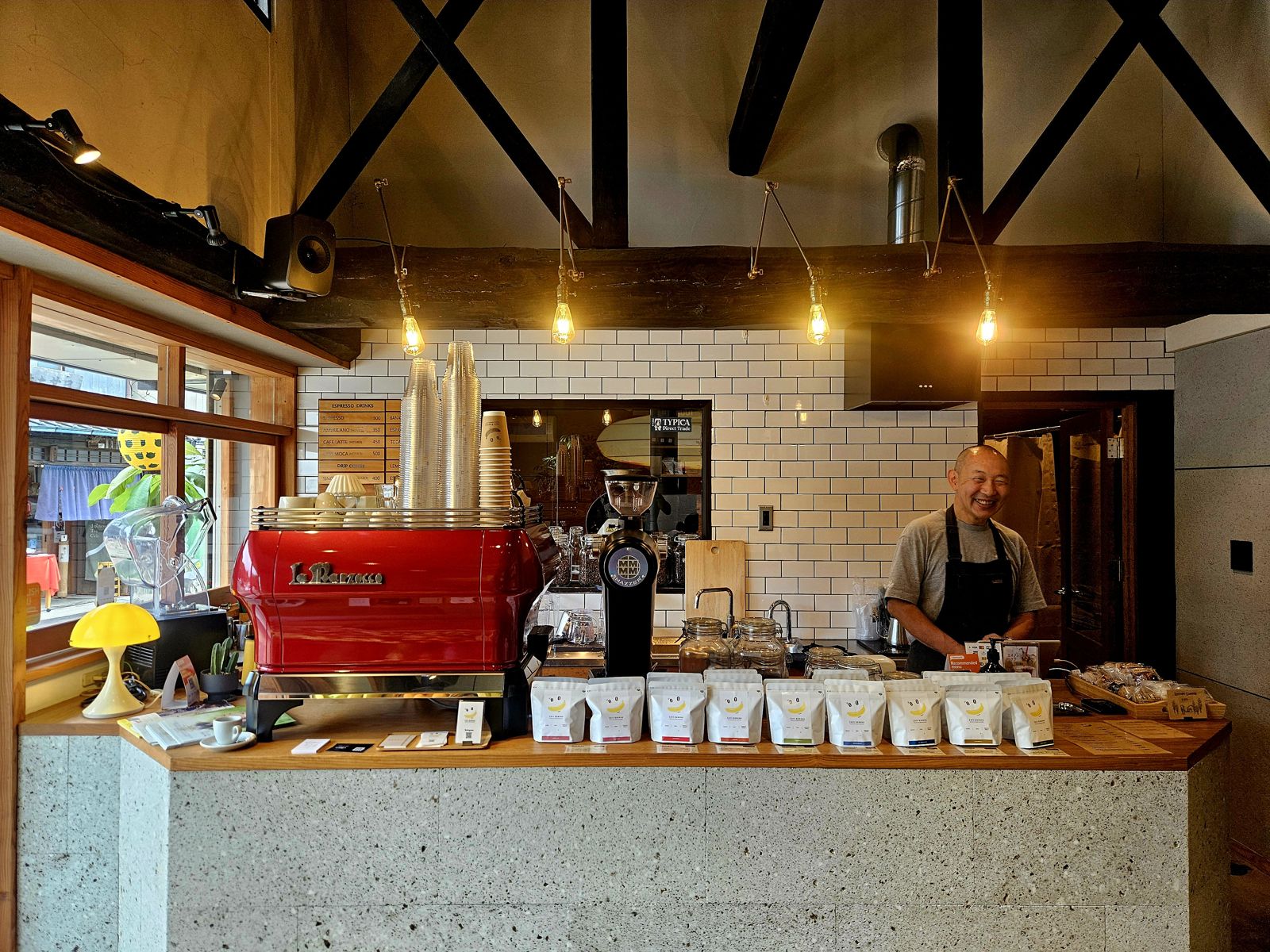
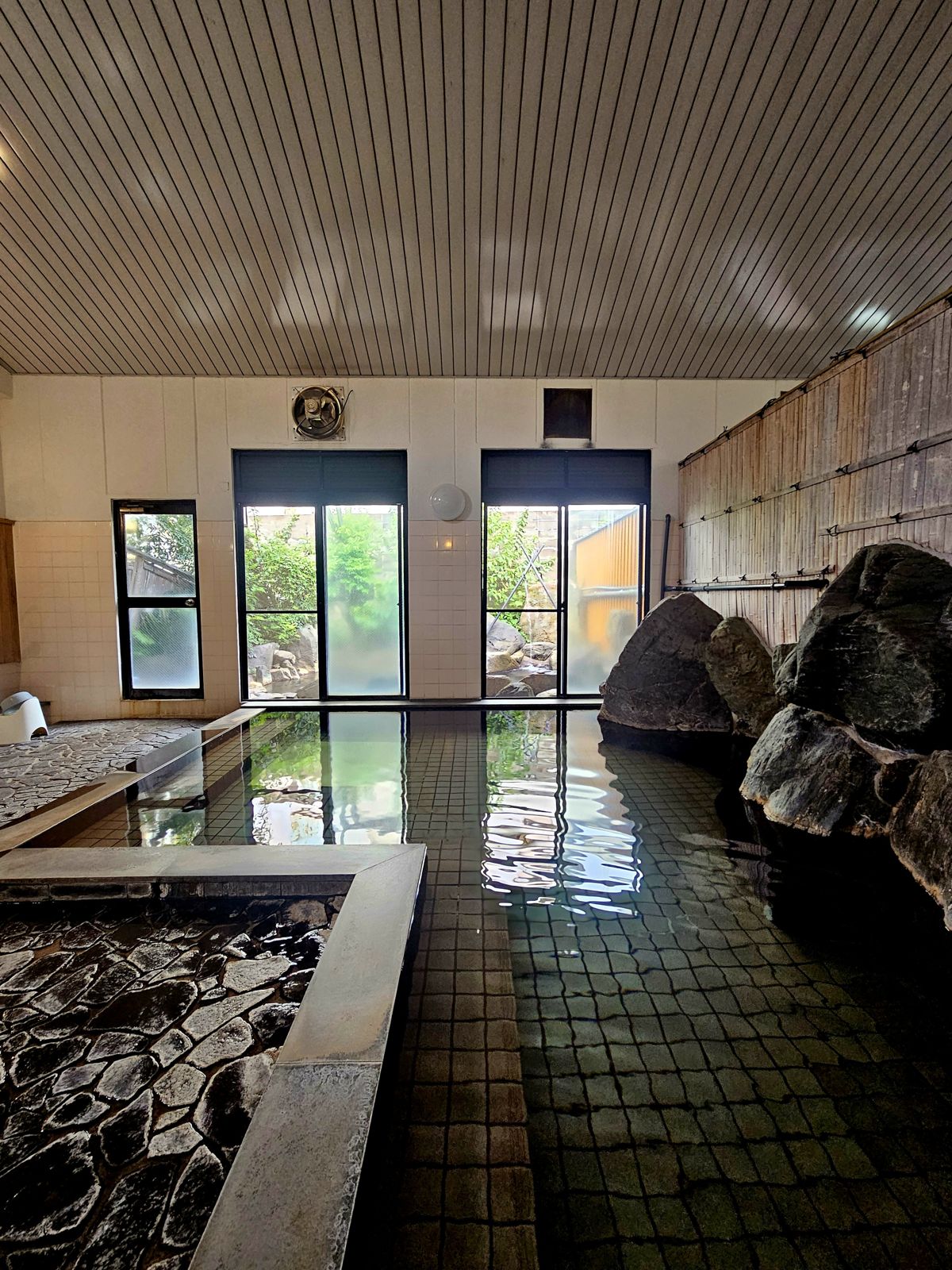
We have a hot drink in a small café specialising in bananas, where the owners are adorable. A customer even gives Clémence a whole bunch of bananas, and she's delighted. We then eat at an "Italian" restaurant, meaning one that serves (unremarkable) pasta and pizza. After a foot bath, we check into the hotel just before 4 pm. As everywhere in Japan, it has its own onsen, and it's splendid. Men and women are separated, but we can still hear each other over the high wall between us. Known as Bijin-yu, Yamaga's water is famous for its alkaline properties and makes skin soft and silky. The bath water has an almost oily consistency, which feels very pleasant on the skin.
After a trip to the local playground and a quick supermarket dinner, we spend the evening trying to work out a route for tomorrow. The day looks dreadful, and we know in advance we won't escape the rain. It doesn't bother us, but we keep an eye on the Japan Meteorological Agency website. The country is hit by so many kinds of disasters that its forecasts are among the most precise in the world. There are typhoon, tsunami, snowstorm and torrential-rain alerts. We follow the rain cloud hour by hour with a very precise tool, and it doesn't look good. We'll find out tomorrow morning what's in store for us.
Saturday 9 August
As forecast, the drizzle has already started when we surface around 8:30. Last night's plan was to see a bit of Yamaga this morning and leave after lunch, as the rain should ease around noon. We stick to the plan, since it's bucketing down at 10, when we have to hand back the hotel keys. The lady at our onsen inn kindly agrees to look after our bikes and luggage for the morning while we go sightseeing.
We plan to visit the museum of the lantern craft that has made the town famous throughout Japan. Housed in a former 1920s bank, it tells the story of the precious "tōrō" that are the pride of the locals. Jewels of local craftsmanship, Yamaga lanterns were first made of wood, then metal, and finally paper. The artisans (only seven today) use just a few dots of glue to hold together a structure made mainly of cut, folded and slotted paper. Making a lantern takes great precision and patience. The pieces, shaped like temples, castles and other monuments, are absolutely incredible; it's hard to believe they're made of paper. For a single artisan to make one takes 300 hours of work, two whole months!
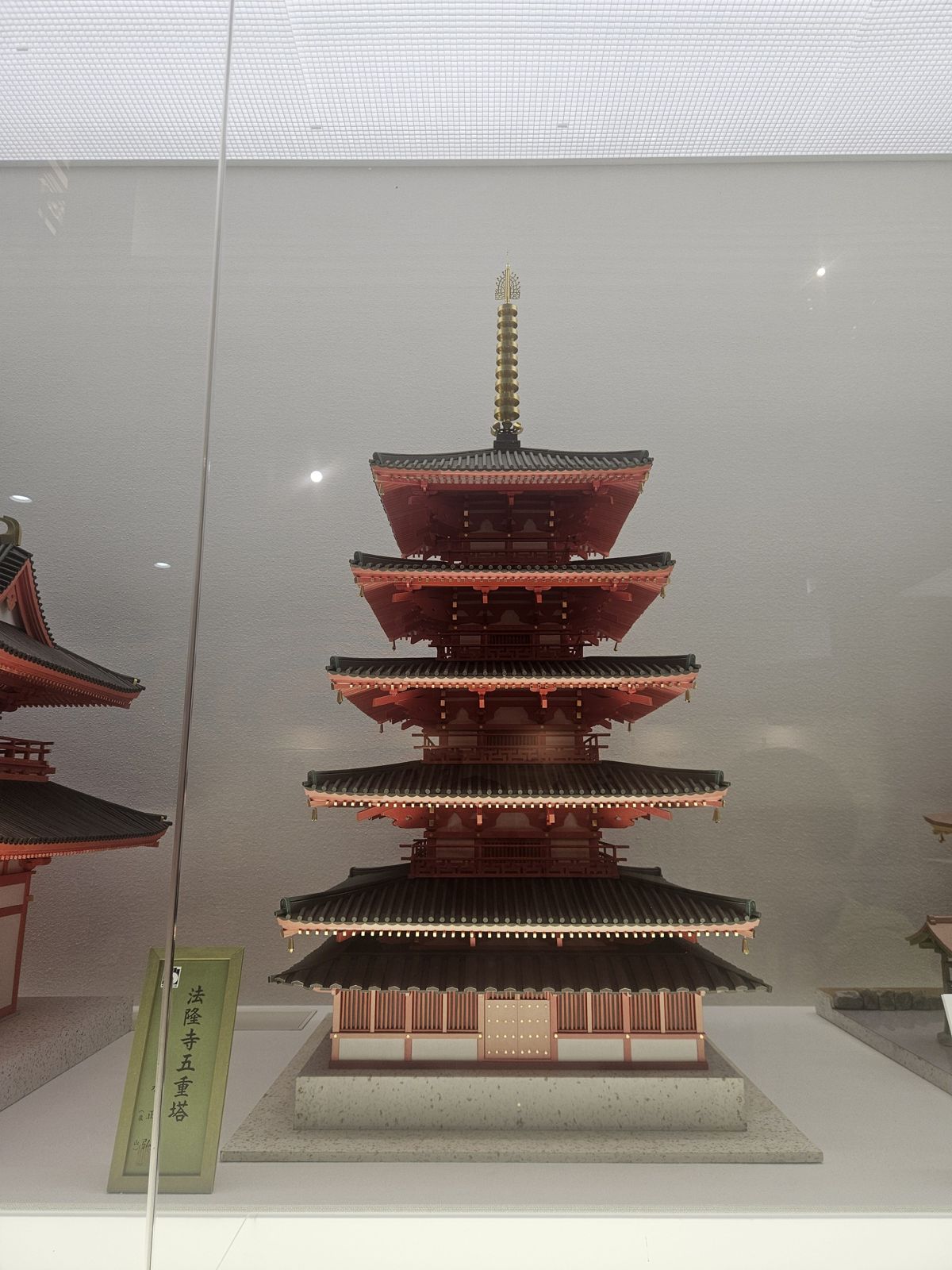
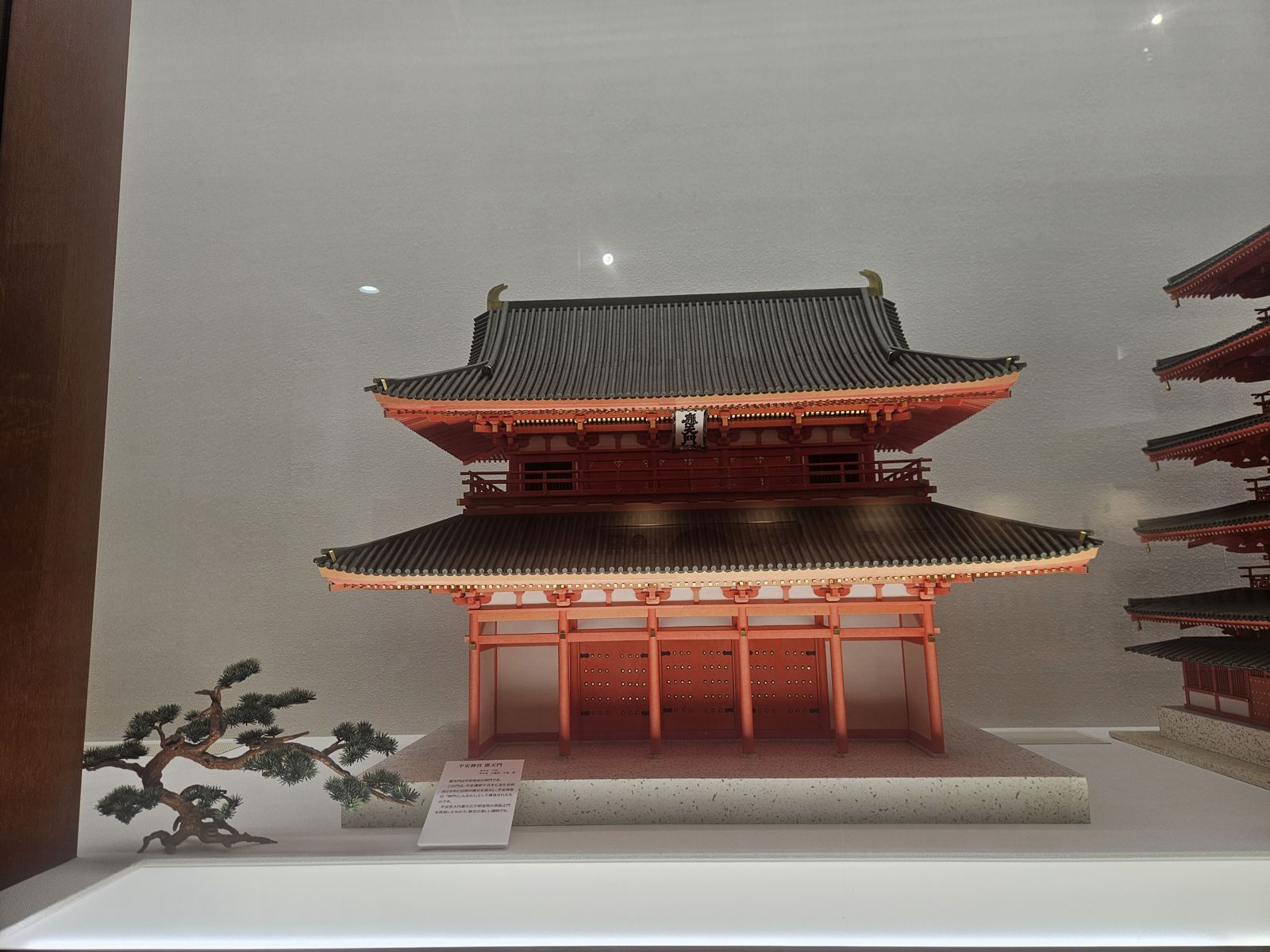
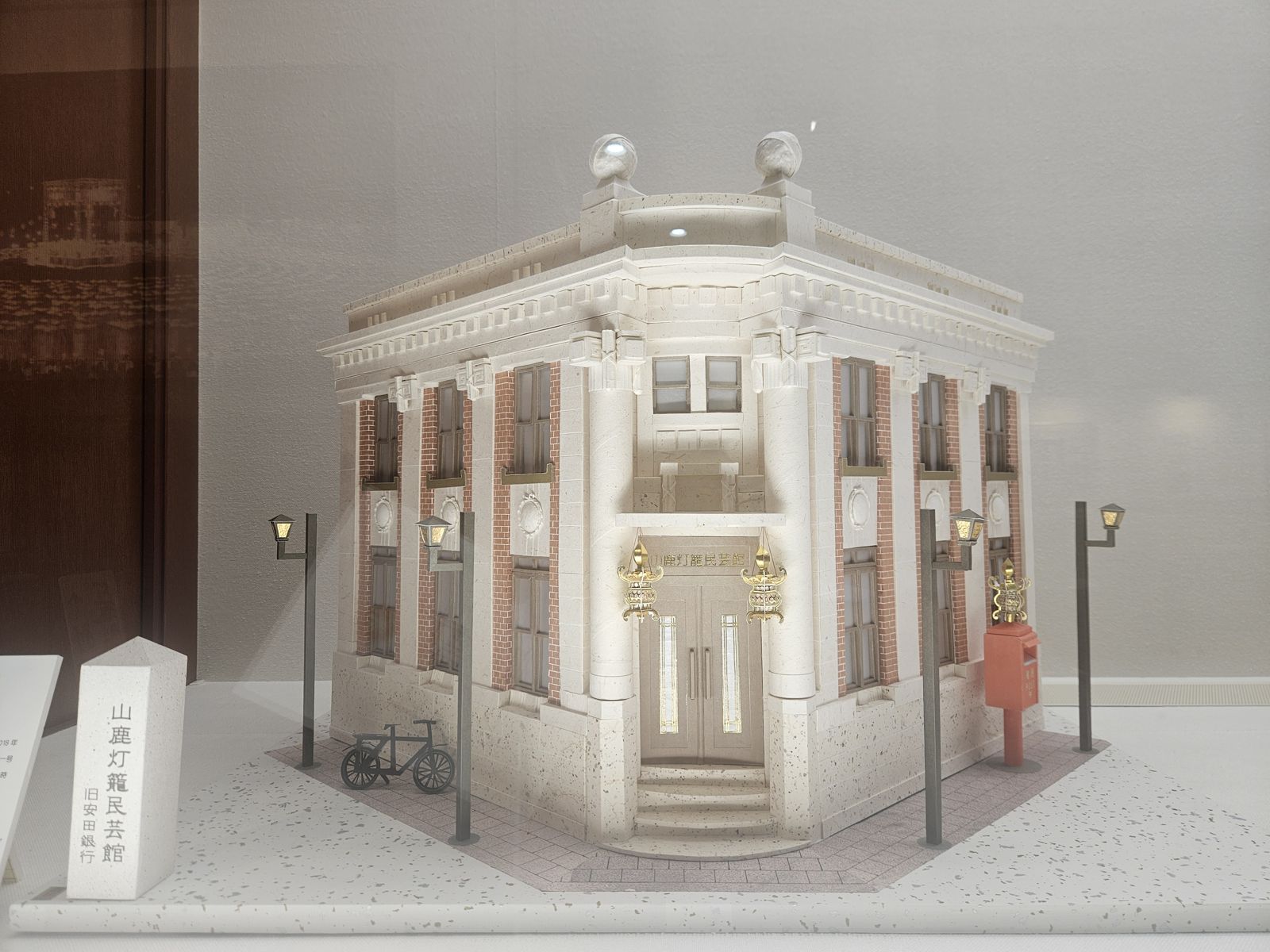
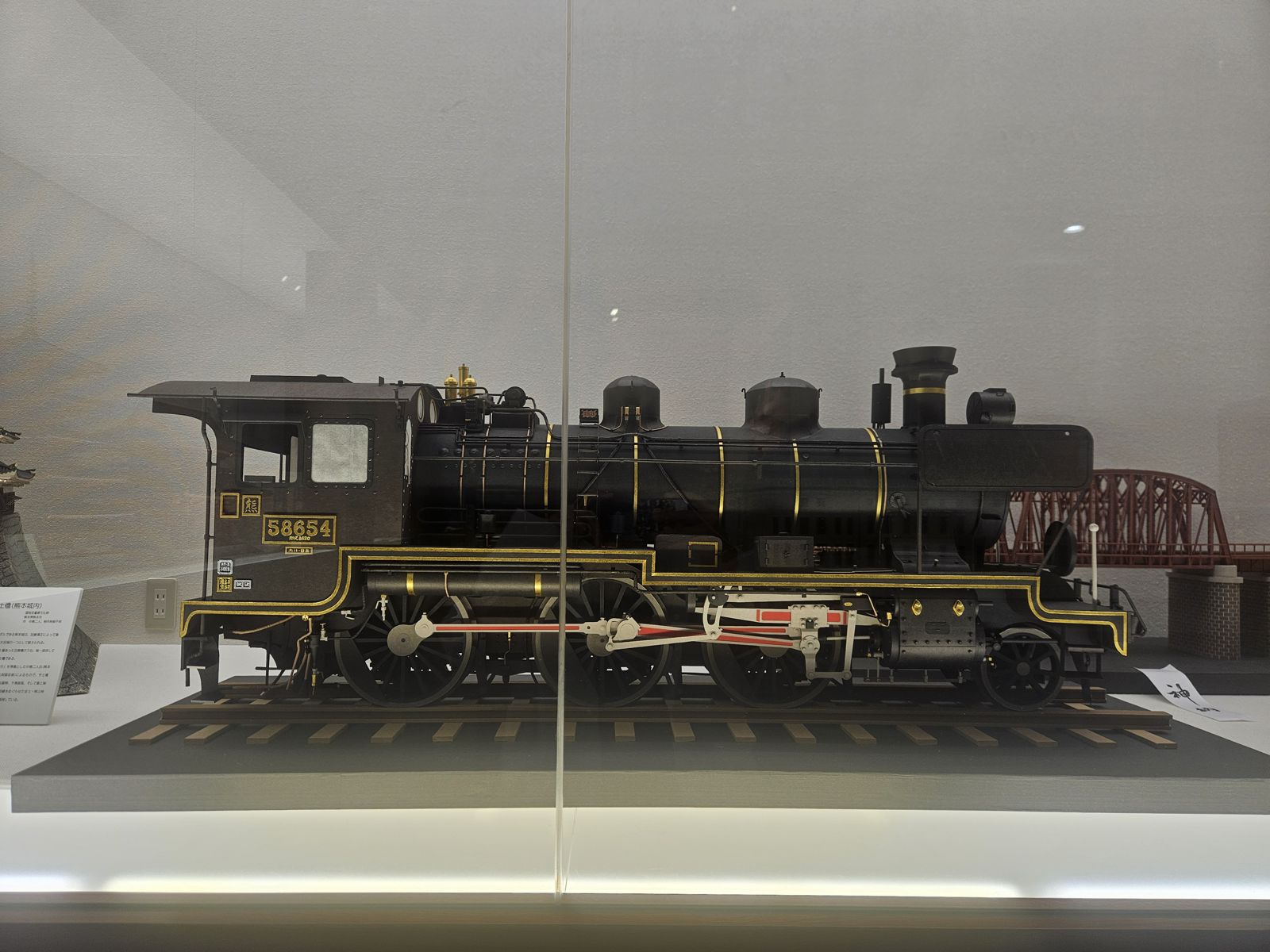
The museum is tiny, and we're accompanied by an adorable old man who's a volunteer guide in his spare time. With what little English he has, he tries to explain the history of the lanterns and the "Tōrō Matsuri" festival devoted to them. It takes place over two days every summer, on 15 and 16 August, and opens with the Sennin Tōrō Odori: a circle dance by a thousand women in pale yukata and red obi sashes, each with a lantern on her head. They celebrate part of the town's legend, when the inhabitants, carrying lit torches, are said to have helped Emperor Keikō and his men find their way without getting lost in the mist.
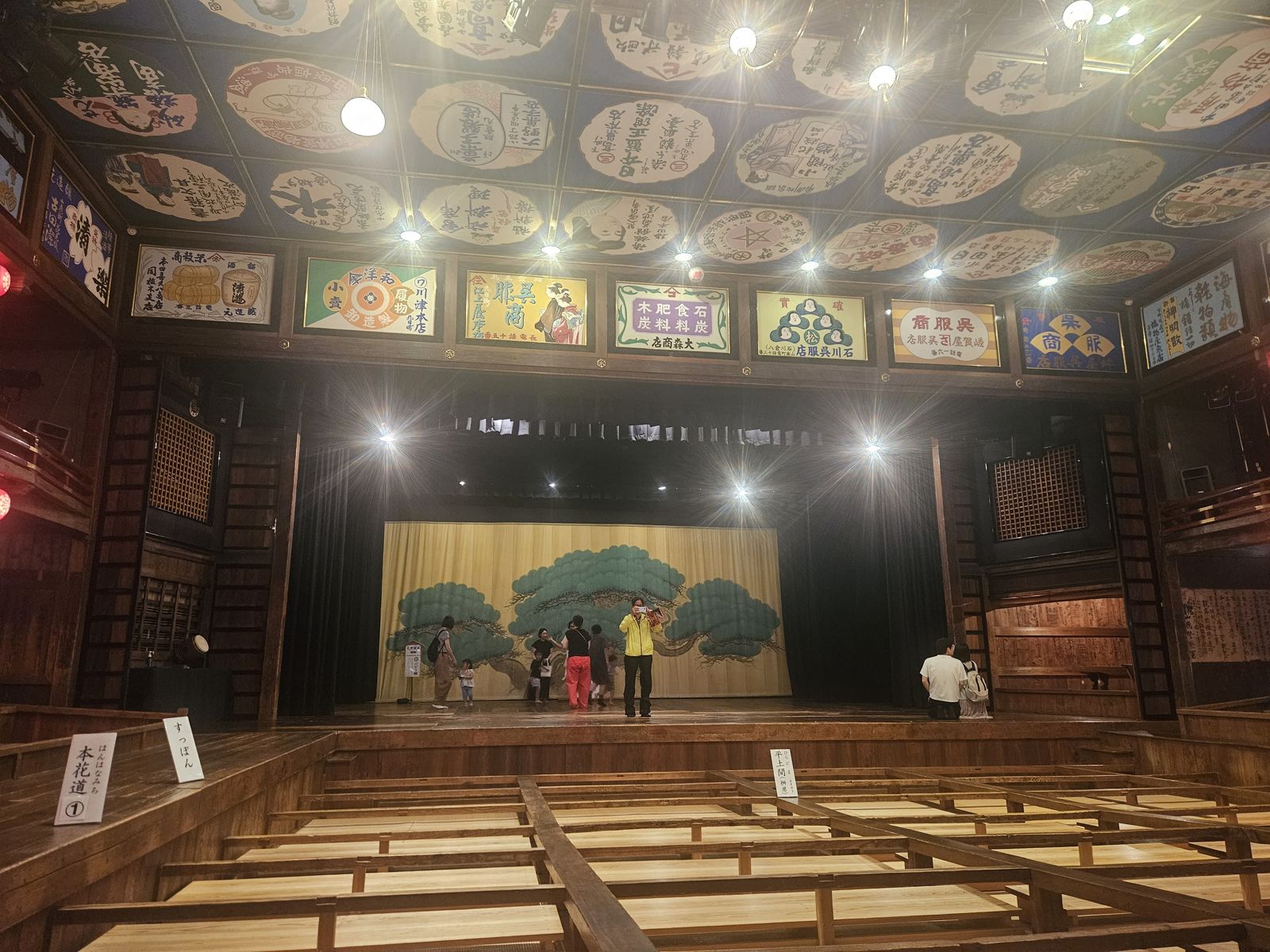
The guide is a fan of France, which he has visited twice, and we take several photos together before parting. A few metres away, we come to the Yachiyo-za theatre, which is open to visitors. Seating 700, the playhouse was built in 1910 by a wealthy Yamaga merchant in the style of the Kabuki theatres of the Edo period (17th–19th centuries). Yachiyo-za has some special features, such as a private box, two walkways on either side of the stage and underground passages that were ingenious for the time. In the 1970s attendance dropped and the theatre began to fall into ruin. Local people rallied to restore it completely and have it listed as an Important Cultural Property of Japan in 1988. The result lives up to the effort: a splendid, very colourful setting with a warm, muted atmosphere, a perfect stage to showcase Yamaga's traditional craftsmanship and know-how.
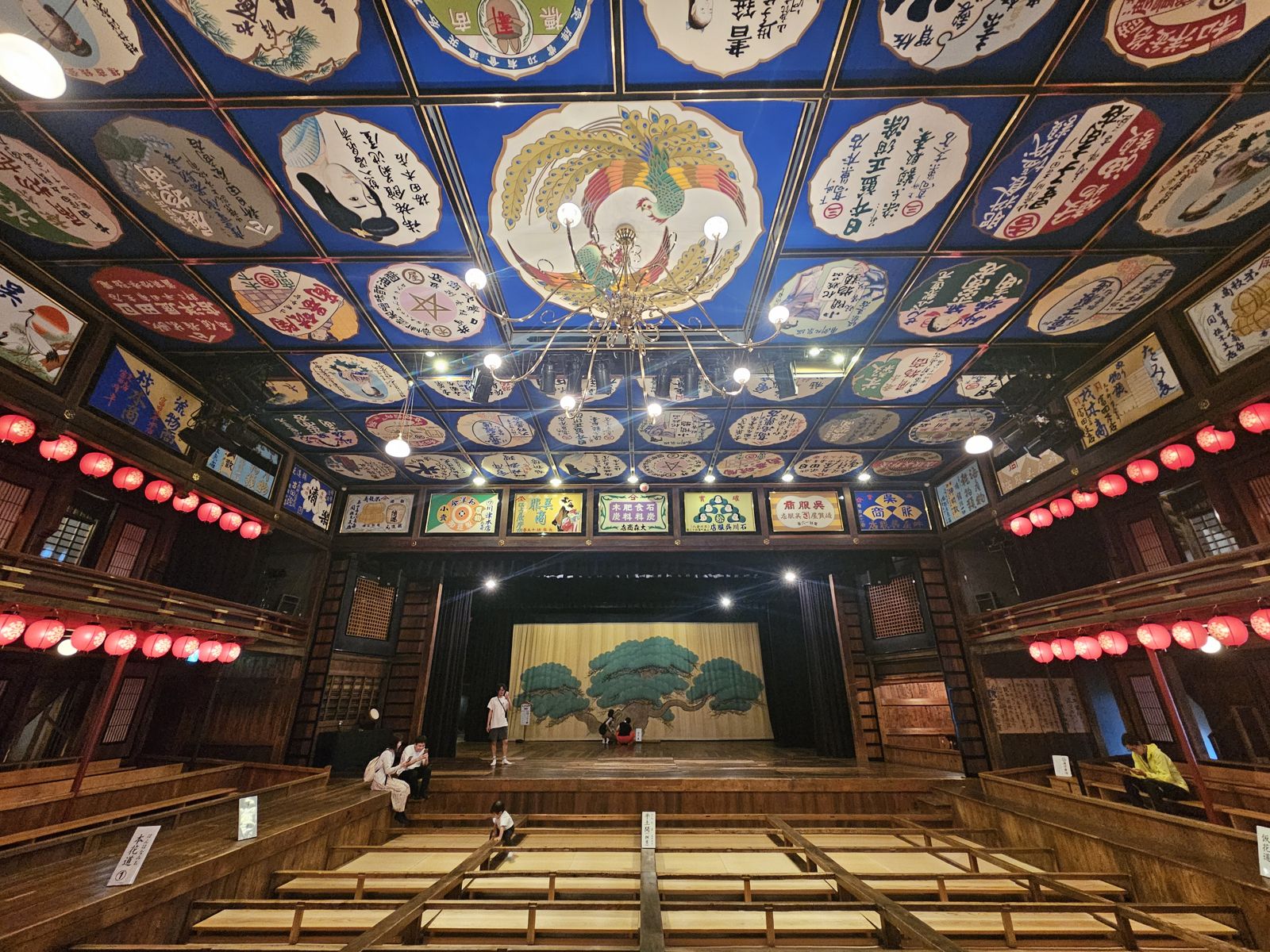
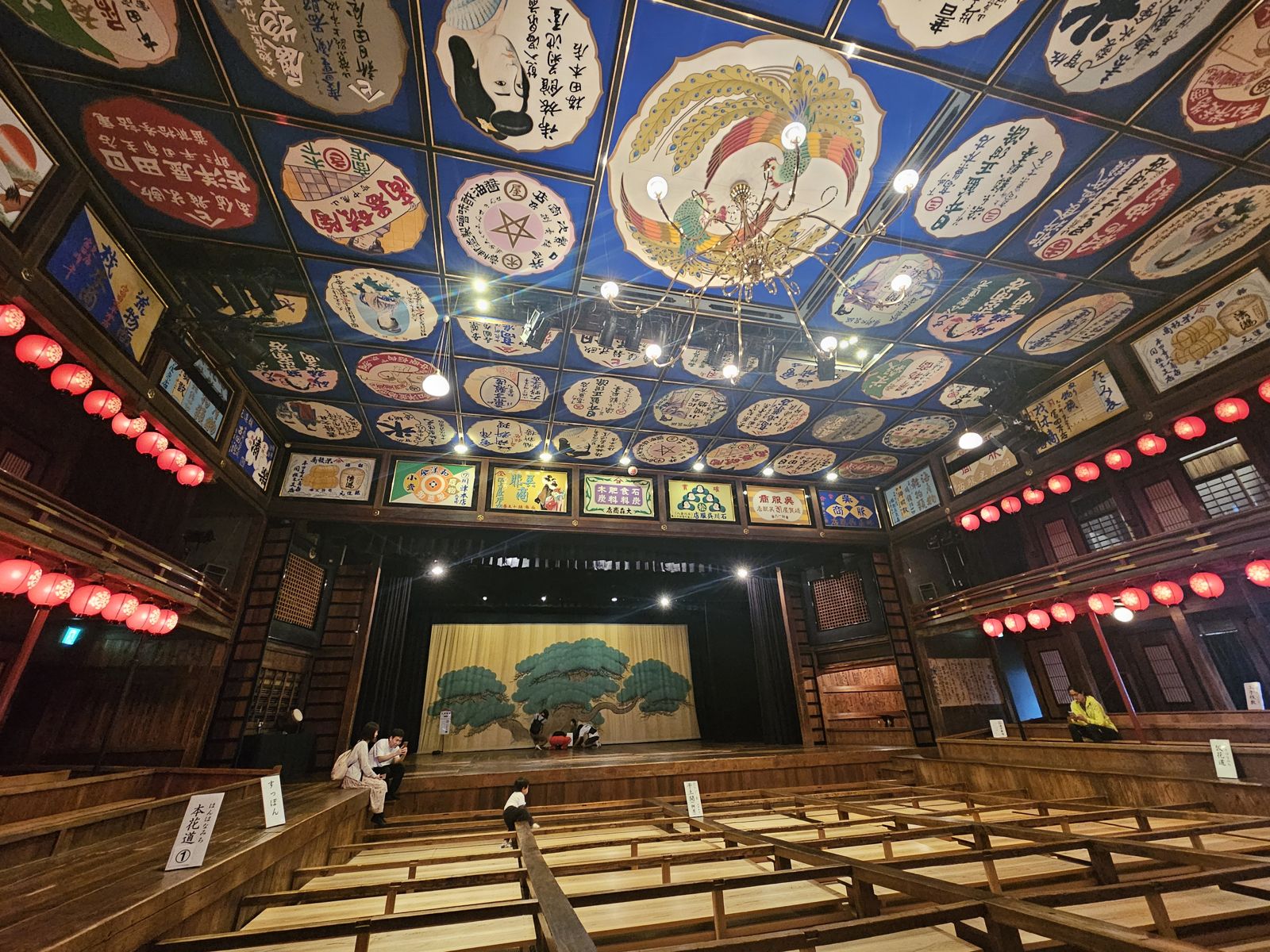
When we come out of the theatre, it has almost stopped raining, and after a restaurant break in the town centre we go back to our inn to collect our bags and bikes and hitch everything up. It's cloudy when we set off, but there's no rain on the horizon, so we choose to ride as far as we can while it's dry. 53 kilometres separate us from Kurume, today's destination. The first hour goes by peacefully without rain on very quiet country roads. After a short climb, we sense the sky has darkened a bit, and sure enough it starts to rain, lightly at first, then harder and harder, forcing us to stop under the shelter of a shopfront (and thank goodness it was there). The downpour lasts a good ten minutes and we're very glad not to have been caught in it.
There are still thirty-odd kilometres to go, and as soon as the shower eases we set off again. We ride at a good pace the whole way. Apart from one stretch on a very busy trunk road, the roads Komoot suggests are very quiet and the kilometres fly by. We don't have many chances to stop, as we're crossing very rural areas. There are only 5 kilometres left when we finally reach a 7-Eleven. We have a quick snack before polishing off the last kilometres. In the end we escape the rain for most of the ride, which was far from a given looking at the forecast. It takes us three and a half hours, breaks included, to reach our destination, when we'd expected to have to shelter and wait much more often. The end of the day passes quietly in the hotel room, and after a quick trip to the playground and some shopping, we head back to the hotel.
Sunday 10 August
The huge rain cloud doesn't seem to want to leave the Kyushu peninsula and clings stubbornly to our route. That's why we decide to stay an extra day in Kurume. Our trip in Japan has already been full of obstacles; we don't want to add hours of cycling in the rain. There's no rush anyway, as we only have forty kilometres left to do in two days. Our hotel still has rooms available, but we have to leave our room and move to another in the afternoon.
We've spotted several activities, including a big science museum. It turns out to be a good call. We go in a light drizzle and discover where all the town's children are: in the queue. The process is fairly quick and we discover everything the museum has to offer. Playrooms, experiments galore and even a show about the properties of air. A middle-aged woman, vaguely reminiscent of Einstein, does amazing tricks with cubes she adds air to or removes air from. She manages to lift a bowling ball up a tube with a simple vacuum cleaner.
The place also has a big playground, and Clémence finally gets over her fears and plays happily with little Japanese children. We notice that the older ones are very caring towards the younger ones. It's cultural: children walk to school on their own from a very young age, and the older ones are responsible for accompanying the little ones. At six, Japanese children can walk to school by themselves. It's an essential part of their way of life. It would obviously be impossible in France, as we'd be too scared of drivers, but here in town they're extremely respectful of pedestrians.
One of the little boys takes Clémence under his wing and makes magnetic shapes for her, which she proudly comes to show us. To make up for her isolation from other children, we play with her all the time, so we're delighted she's naturally going towards others and playing with them. The point of a trip like this is also to develop sociability and curiosity, two qualities Clémence has mastered beautifully. In the park where the museum is, there's a solid-wood café with big picture windows, and we discover it has lots of board games free to use. The rain doubles in intensity, so we spend the afternoon there. Far from depressing, it's a lovely time when we have nothing to do but live in the moment.
The low pressure shows no sign of easing, and we head back to the hotel in drizzle that gradually turns into a deluge. The storm joins the party with deafening thunder and lightning lighting up the clouds. For the first time on our trip in Kyushu, we receive alerts on our phones. Level 4 alerts (on a scale of 1 to 5) with evacuation orders are issued for Kurume, the city we're in, and more widely for the whole prefecture. We're not affected, as we're on the ninth floor of a hotel, but it's still not reassuring. We stay on high alert.
Monday 11 August
According to several studies, rain on the windows is one of the most relaxing sounds in the world. It drummed on the panes all night, but it didn't relax us. Because when you travel by bike, you face the elements in the most basic way. There's no escaping them, especially in a country like Japan, where you can't take buses or trains with your bikes unless they're dismantled and bagged.
At 10 we have to resign ourselves to leaving. We have a small window when the rain turns to drizzle. We put on our waterproof jackets and rain trousers with waterproof overshoes, wrap the backpack holding the electronics in a bin bag, make sure the trailer is well protected and set off. We've barely gone 500 metres when Cassandre, trying to check the route on Komoot, drops her phone, which lands violently flat on the ground. Of course the screen is cracked all over, which doesn't bode well with the humidity forecast all day. After eight kilometres, the rain is so violent that we shelter under the tiny awning of a convenience store. Our bikes are barely protected and we go inside to take cover. It rains literal torrents for the 20 minutes we're there.
Following the weather radar, we spot a thirty-minute window when we can try to make progress. It works for 4 kilometres, but we're forced to stop again, this time at a bigger shop with a shelter running the length of its front, as the rain comes back harder than ever. We still have 26 kilometres to go and don't know if we'll make it. Cassandre discovers that rubber is coming off her rear tyre, a very worrying sign of wear meaning it could give out at any moment. To top it all, Stéphane's front tyre is already weakened and he has to pump it up every five kilometres. With water seeping out everywhere, you can clearly see it's riddled with tiny holes.
We grab a quick lunch here while waiting for the rain to stop or at least ease. Cassandre's phone has taken in too much water; the screen is starting to darken and fill with multicoloured lines. It doesn't look good at all, so we switch it off to let it dry for at least 24 hours. After almost an hour of patience, the rain runs out of steam around 1 pm and we don't miss the chance to move on. We manage to dodge the drops for 13 kilometres, the hilliest of the route. We then stop at a bike shop on a big trunk road to buy two new tyres. Thinking about it, the two tyres failing almost at the same time are identical. We bought them together and they've done at least 10,000 kilometres with us in two years. The shop is big, but we're surprised to see the mechanics working without a repair stand.
When we ask whether they can change the tyres for us straight away, a dialogue of the deaf ensues. We can't understand what they're saying to each other, when the answer should be simple: yes or no. They finally tell us they can change one but not the other. This exchange is dragging on too long, so we simply ask them to sell us the tyres and inner tubes and we'll deal with it ourselves. Because time is ticking, and we know the storm will catch up with us soon.
However fast we ride, we can't escape it. We're barely 7 kilometres from the finish when curtains of rain come down on us. We start by sheltering under a bridge to wait for it to pass, but the sky looks really dark, and we think 6 kilometres, even in the rain, can be done quickly rather than waiting endlessly under cover. So we throw ourselves headlong into aqua-biking. The saying goes that there's no such thing as bad weather, only bad clothing, but the proverb has its limits. Our clothes are soaked, water is streaming down our faces, we've had enough, and we stop at every red light so as not to get any wetter. The last five kilometres are endless, and we've never been so happy to see a hotel. In the evening we learn that three million people have been told to evacuate in Kyushu, that several people have died or are missing, and that towns are completely underwater. So in the end, our little misadventures don't amount to much on that scale.
On the road