
 ← PreviousOur not-so-successful WWOOFing experience
The town of Pentland was five hours' drive from where we were, and we arrived there on Sunday late afternoon to start work the next day. On arrival we met a very friendly young German called Bastian. He'd arrived an hour or two before us and had had the chance to look around. We were housed in an insanitary house made of age-worn wood, cracking all over.
The bathtub was blackened by rust in many places and the doors barely shut. The icing on the cake: mice that came scampering about at night. For the modest sum of eighty dollars each a week, we had the luxury of a hovel. We didn't plan to stay more than a month anyway, so we put up with it.
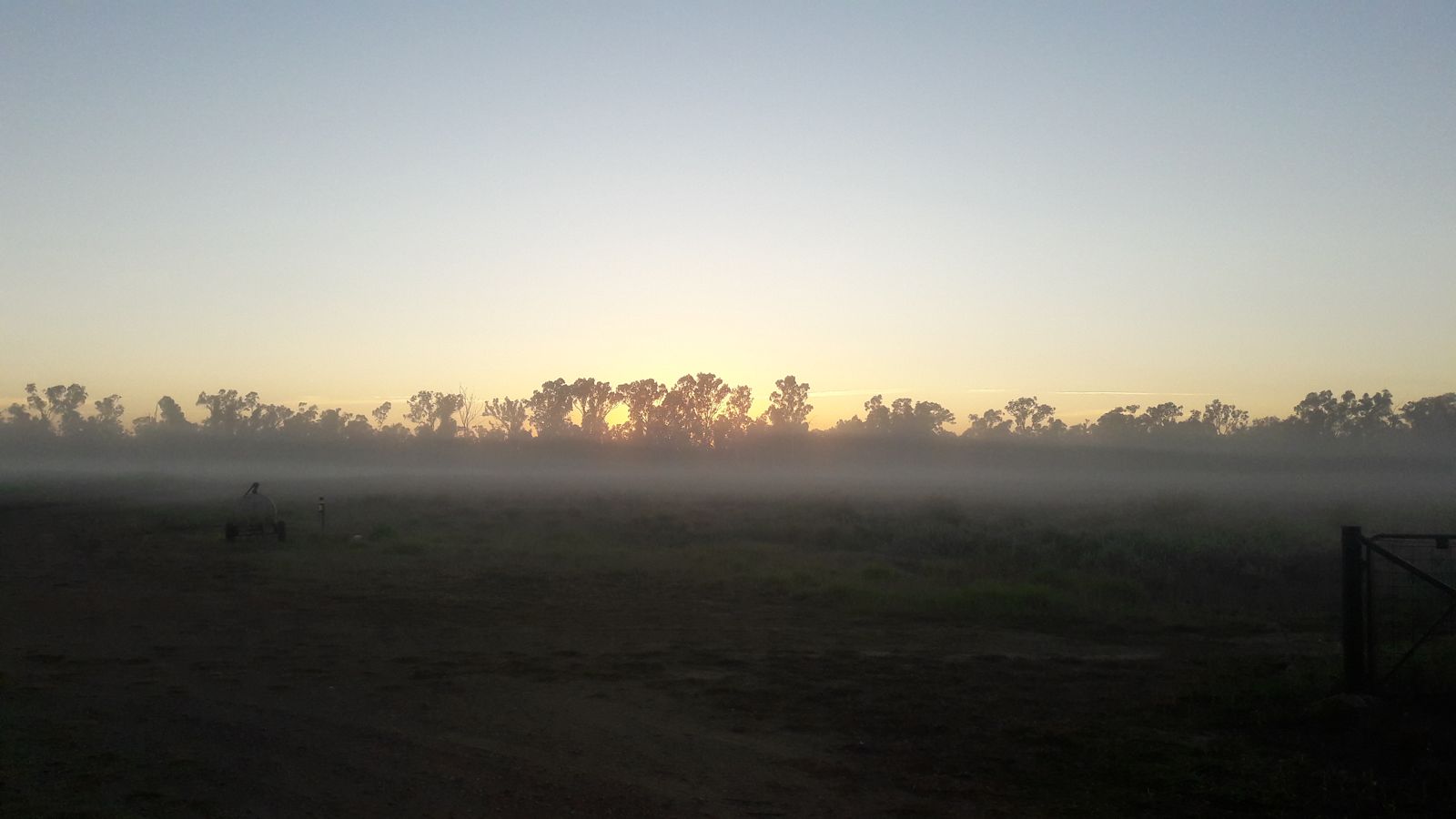
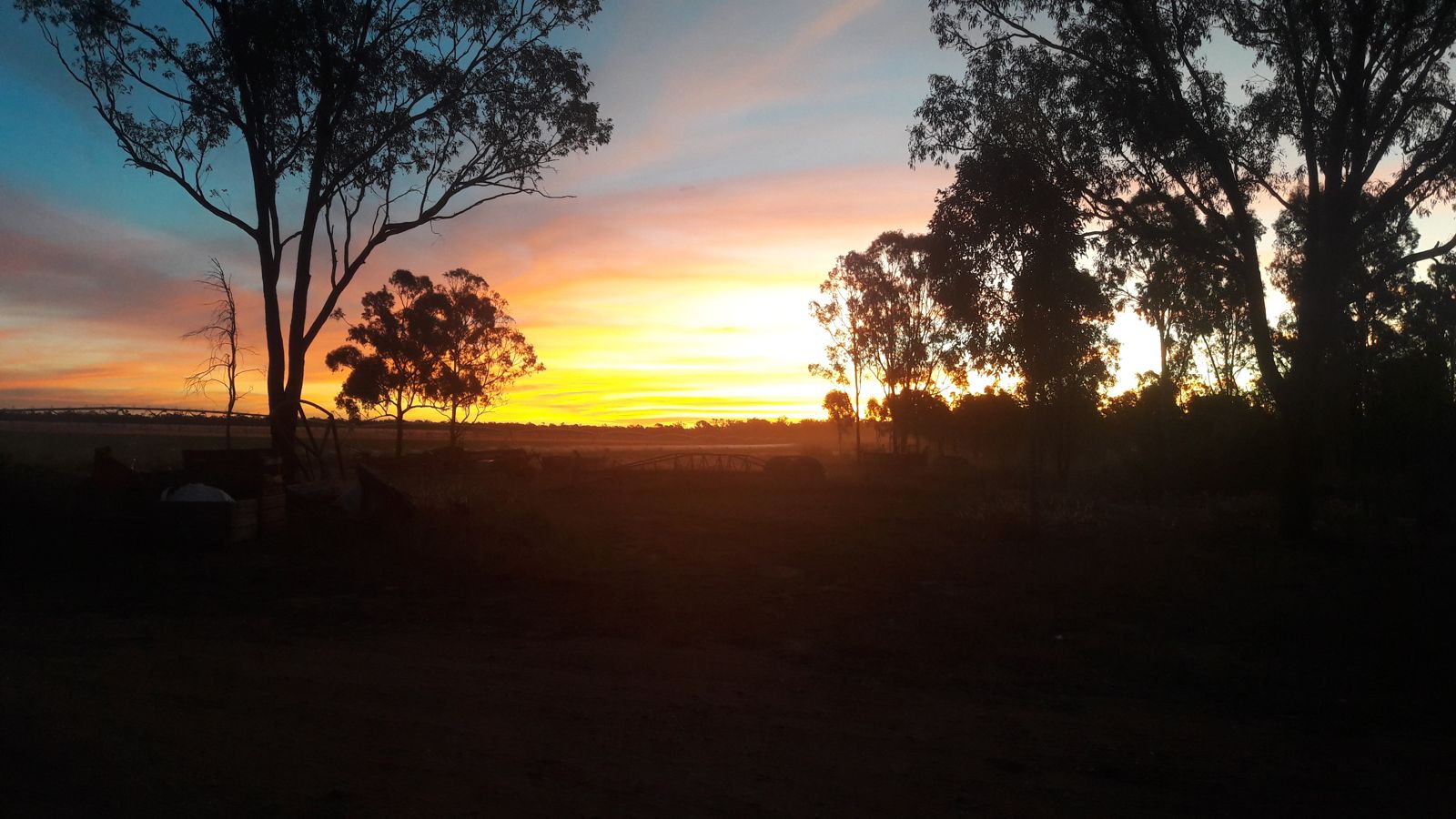
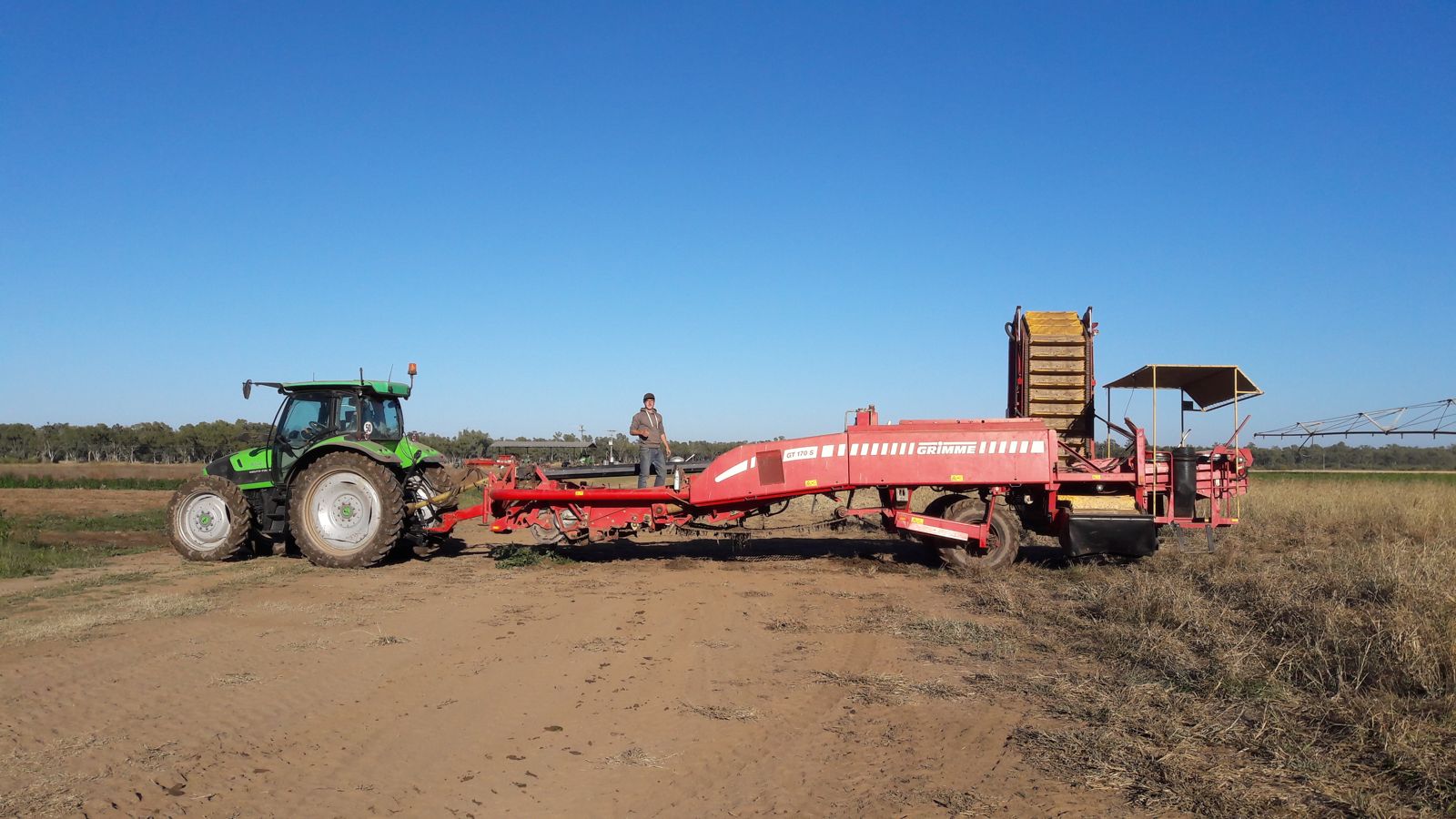
The work itself wasn't that complicated. We got up every morning at 6:15 to start at 7. We drove our car across Dominic's property to a place they called the "shed", a sort of barn open to the four winds. There, Cassandre and I went our separate ways. She stayed there while I jumped on the harvester, a gigantic tractor used to turn over the soil to bring up the potatoes.
Our jobs were almost identical: we had to remove the seed potatoes. They stood out by being a much darker brown than usual. Well, that was the theory, because on the tractor Parmentier's beloved tubers were often covered in mud, so it was hard to tell them apart. And most of the time I had my hands full with all the mud, plants and stones. So my part of the job was physically tougher than Cassandre's.
But at the end of each row — every fifteen minutes or so — I could rest for two or three minutes while the tractor lined up on a new row. A truck followed us, collecting the potatoes we'd sorted. Each time it was full, it went to the shed to unload, which gave us about ten minutes' respite. I'd clean the tractor, admittedly, but it still made a change from the monotony of sorting.
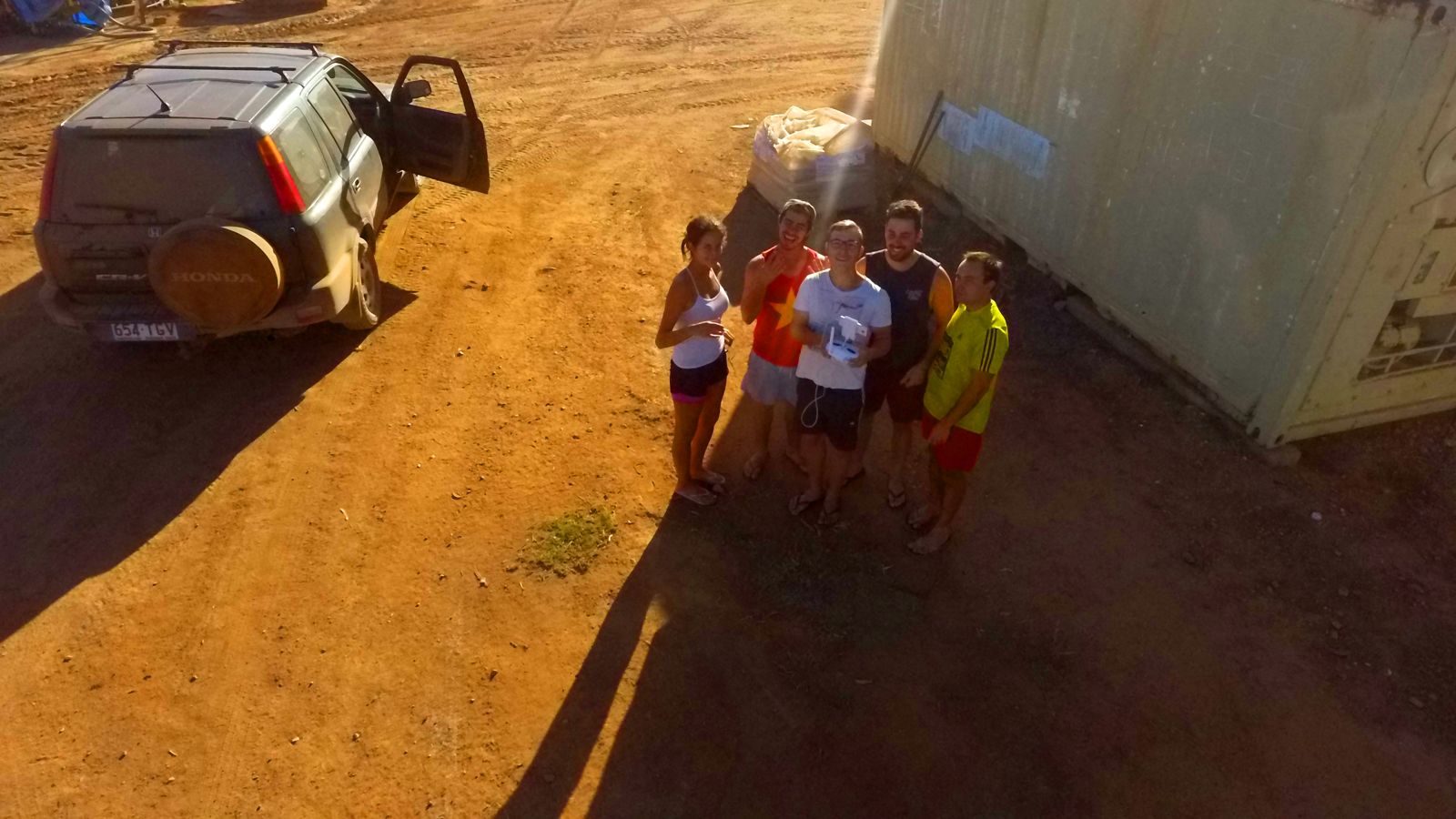
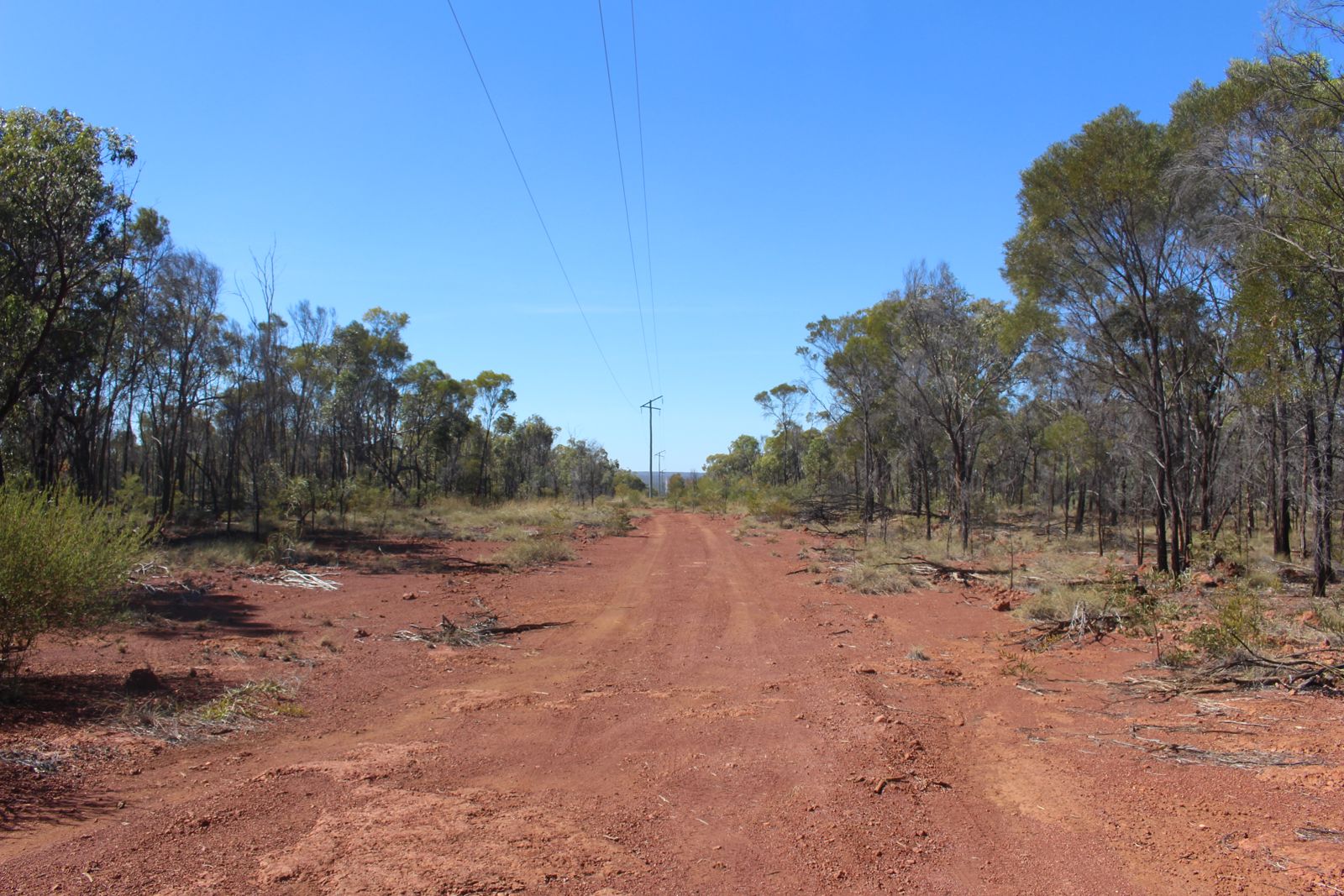
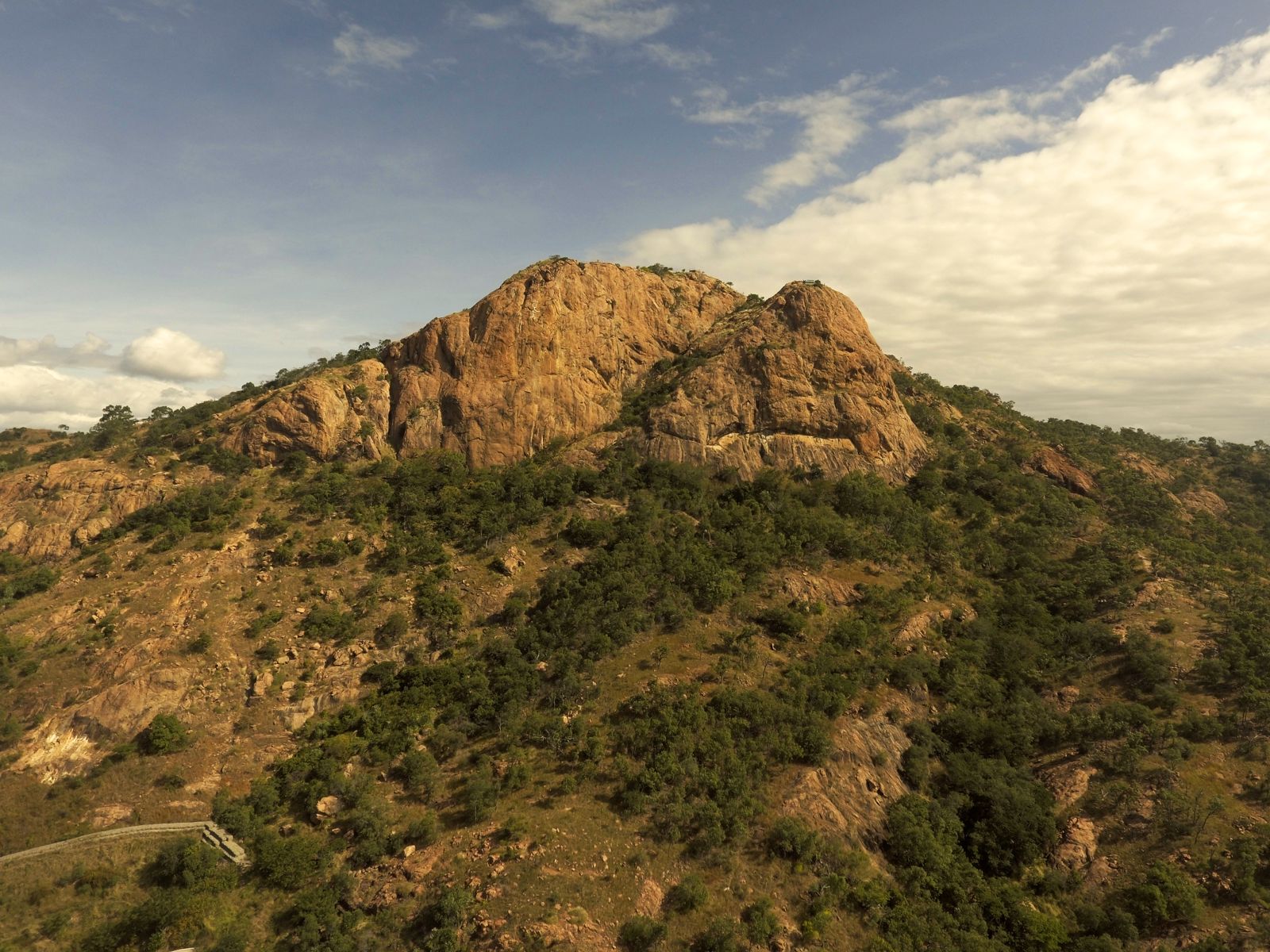
And I was lucky enough to spend most of the time with Bastian and one of the Chileans who'd arrived in the meantime. We couldn't talk much, but I had moral support. Cassandre, for her part, had a less physically demanding job. It meant standing at a table sorting everything that had got past us on the tractor. It was a psychological ordeal. As well as passing in front of her, the potatoes spun round. Every time the table stopped, you felt as if the whole world kept spinning.
While I had a break every fifteen minutes, for her it was fifty minutes without interruption. As for colleagues, it wasn't exactly bliss. Coral, who worked with her at the table, wasn't a fount of conversation. As for the shed boss, Tracy, when she climbed onto her forklift she looked like Bowser from Mario, which should give you a good enough idea of the character's friendliness.
When Pato and Chico, the two Chileans, arrived, we'd had to put their beds in the living room. There was one room left, but it was full of junk the farmer's wife didn't want to move. She'd even come and put up a "no entry" sign when they went to ask permission to move in. That summed up the general atmosphere. We worked from 7 am to 2 pm, so the days were long once work was over. We played cards or watched Breaking Bad. When our days off came, we happily went to spend the day in the nearest town, Charters Towers: an hour and ten minutes in a straight line to a very average-sized town, but one with a supermarket and a McDonald's, the supreme sign of civilisation.
The farm's owner, Dominic, was nice at first, but his manner was often offensive. He was never unpleasant to me, but he'd clearly taken a dislike to our German friend. On the tractor he always found something to say to him. It was often in a joking tone, but I sensed there was a considerable grain of truth in it. He and his wife were sometimes a bit limited intellectually. He placed Chile in Central America, while Mary was surprised not to find Uruguay on the map, until we realised she was looking in Africa.
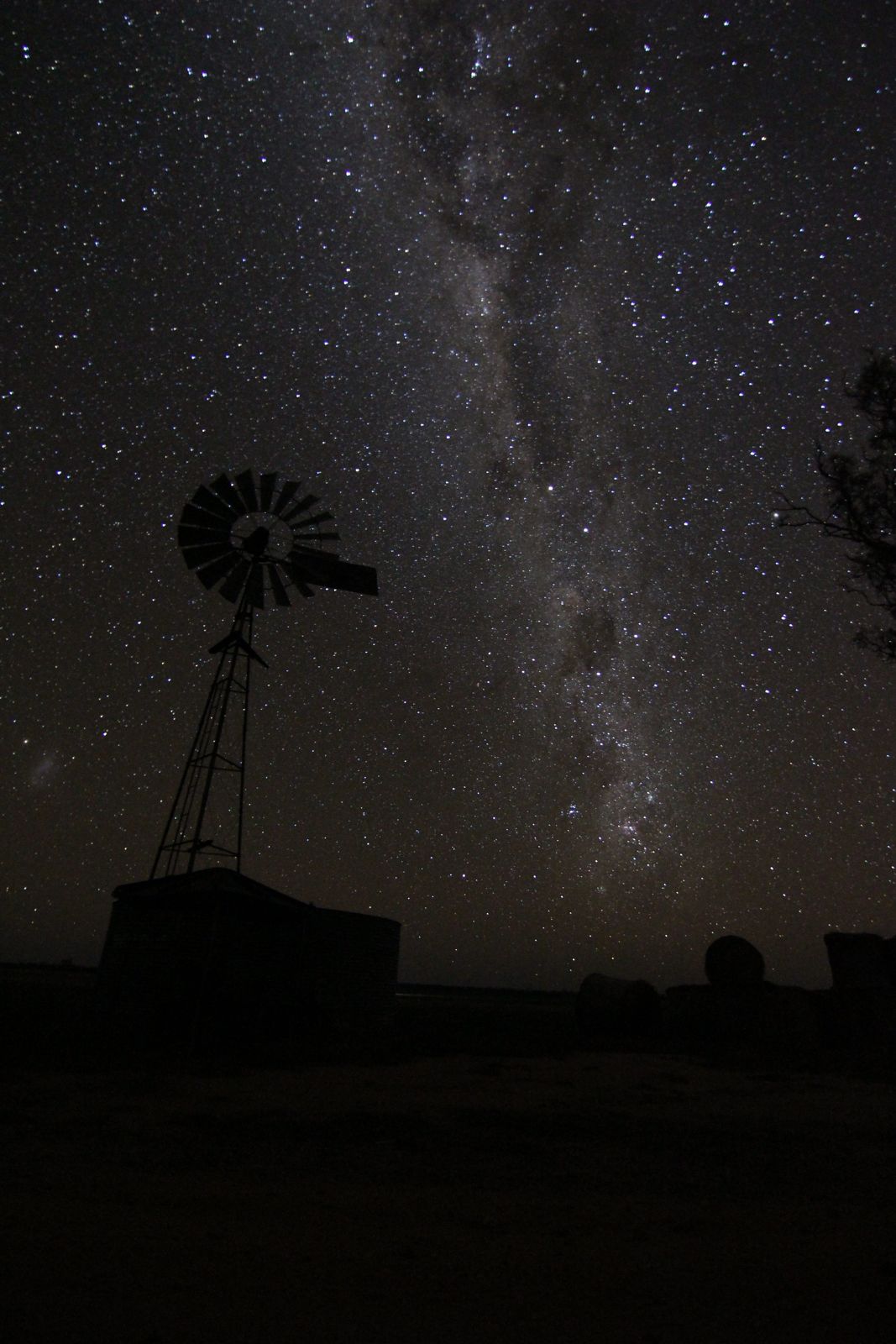
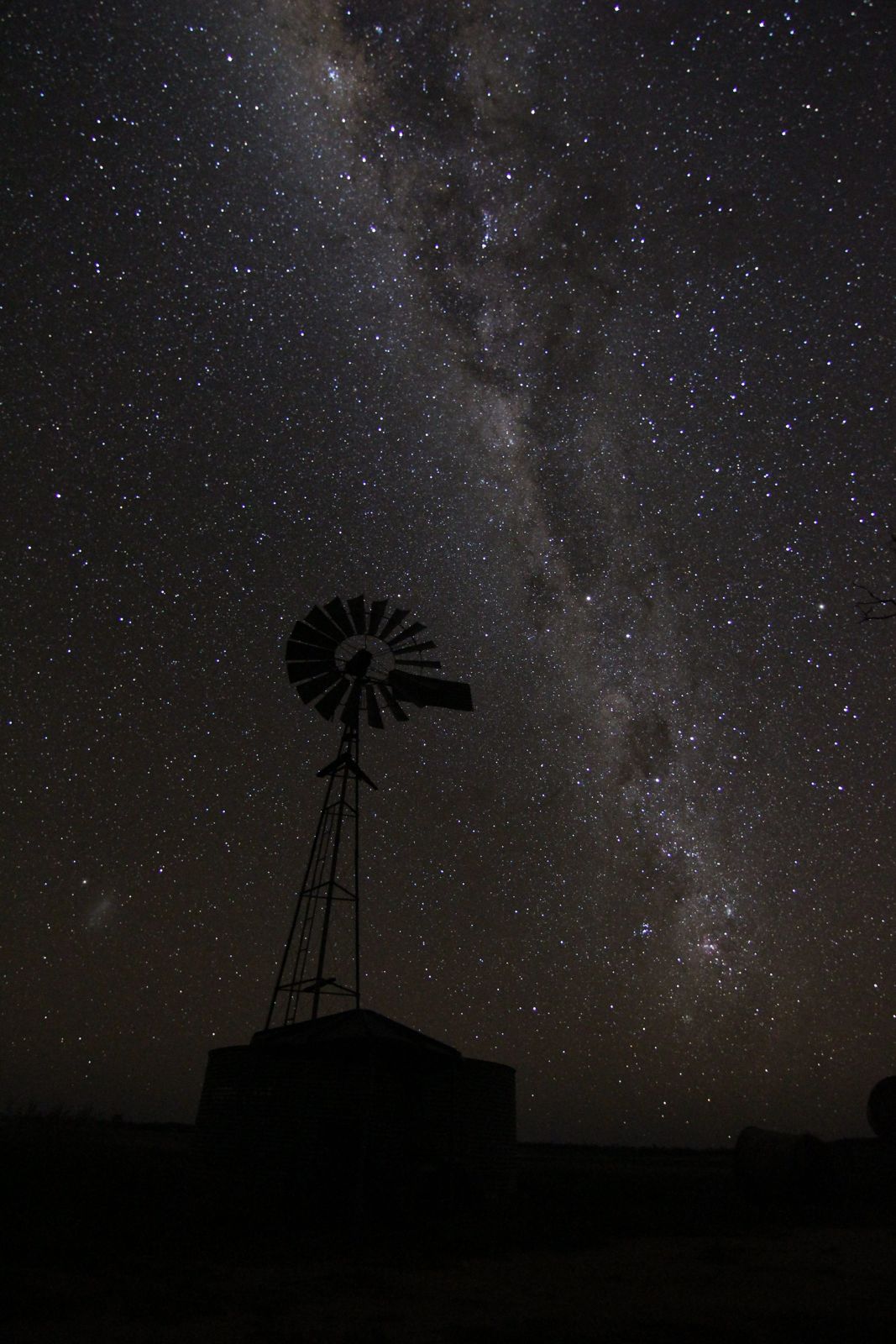
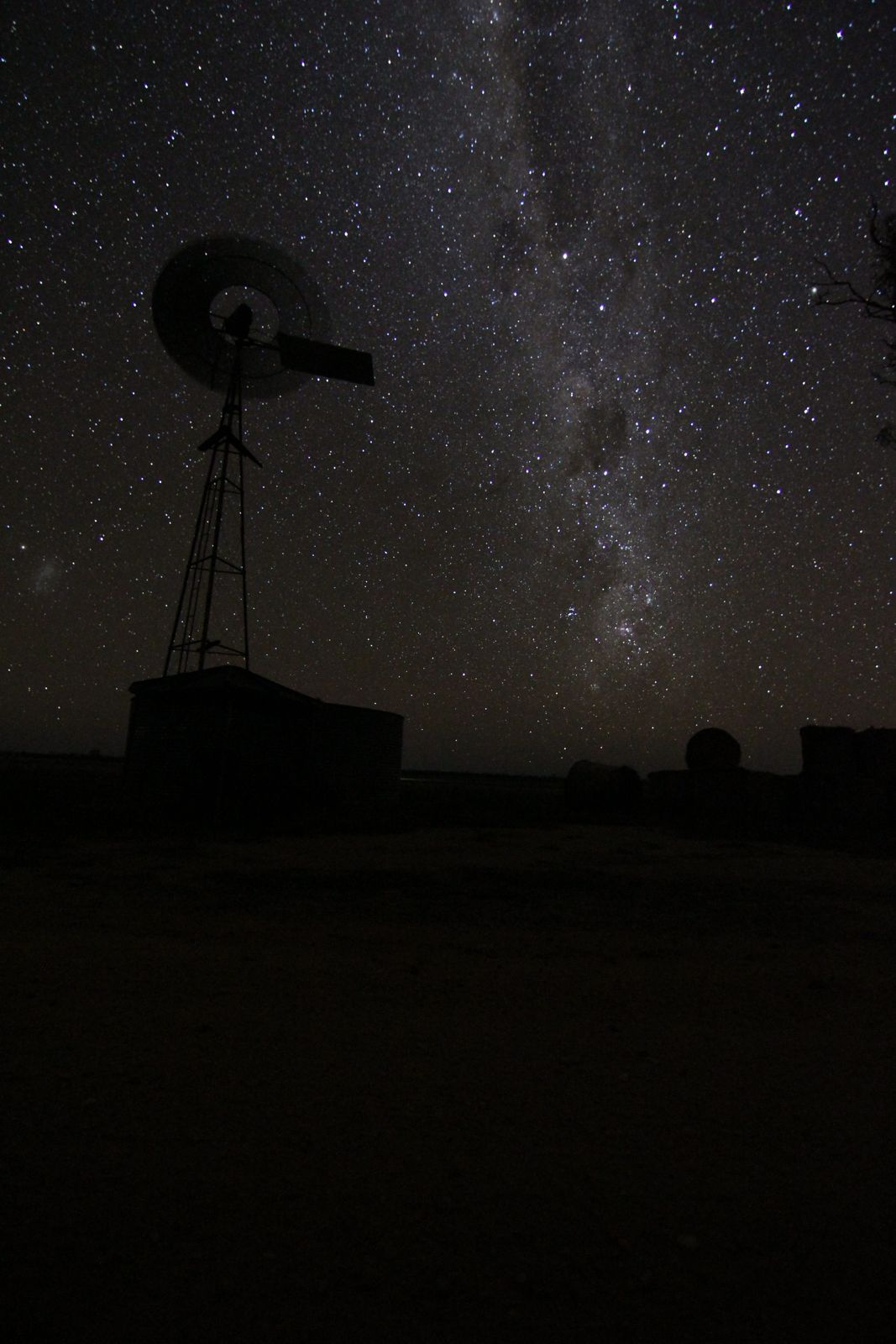
One day, when the conversation turned to ecology, Dominic proudly announced that Australians were saving the world. We didn't want to get into that debate, but we couldn't help wondering. Rubbish was thrown into a huge pit before being burned right next to the potato fields. "Don't worry, the smoke goes up and then it comes back down," he declared when he saw our puzzled looks.
That's exactly what bothered us: that these emissions fell back onto potato fields destined to be eaten. And that was nothing compared with what they burned just by leaving vehicle engines idling. We saw drivers leave their trucks purring for the whole loading time, which amounted to four or five hours.
You have to taste total isolation to get an idea of the psychological state it puts you in. One bar of phone signal in a few specific spots and complete physical remoteness. You had to drive twenty minutes on a dirt track to reach the tarmac road. Paradoxically, we spent afternoons full of laughter and evenings full of joy there. The only unpleasant moments were, of course, at work.
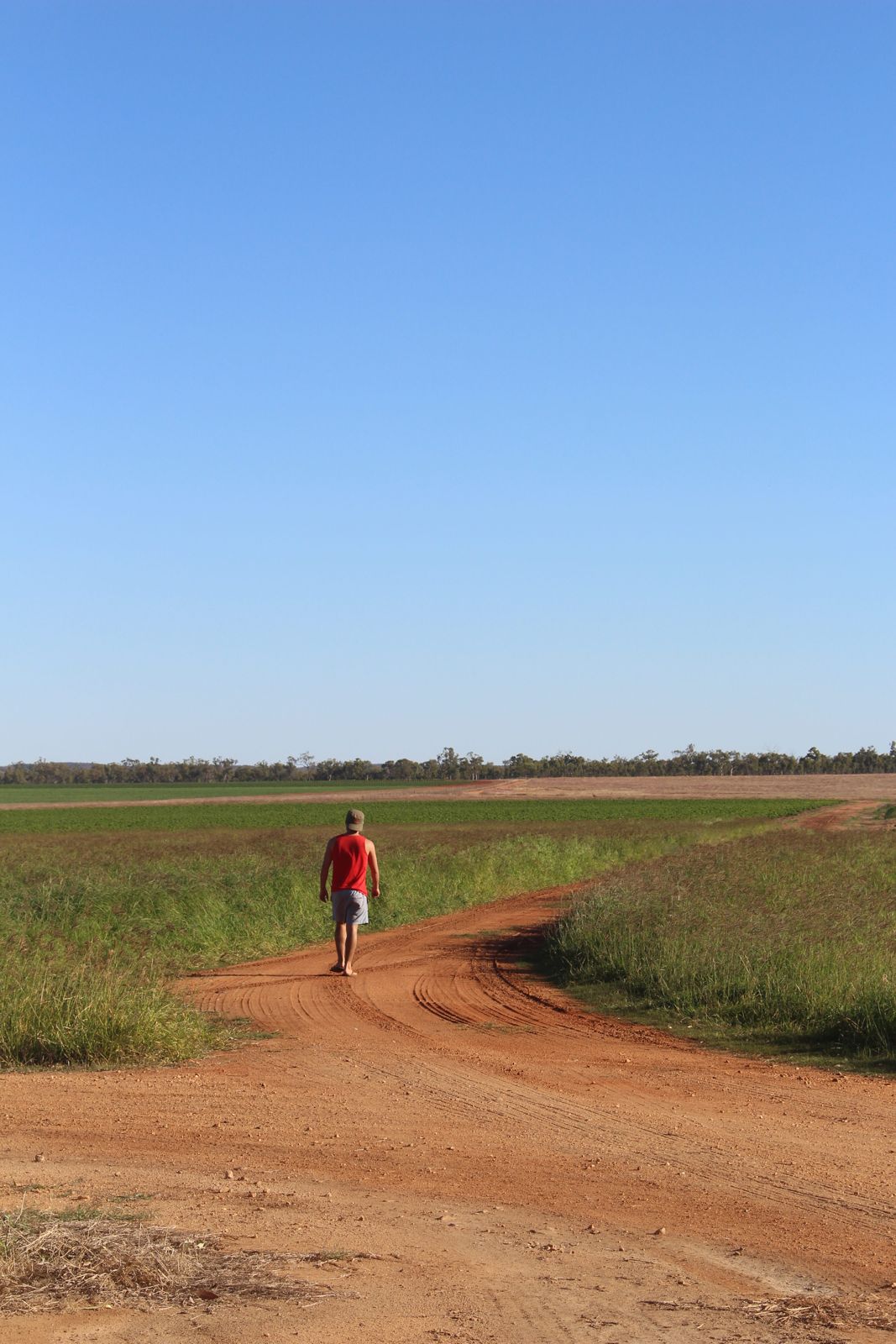
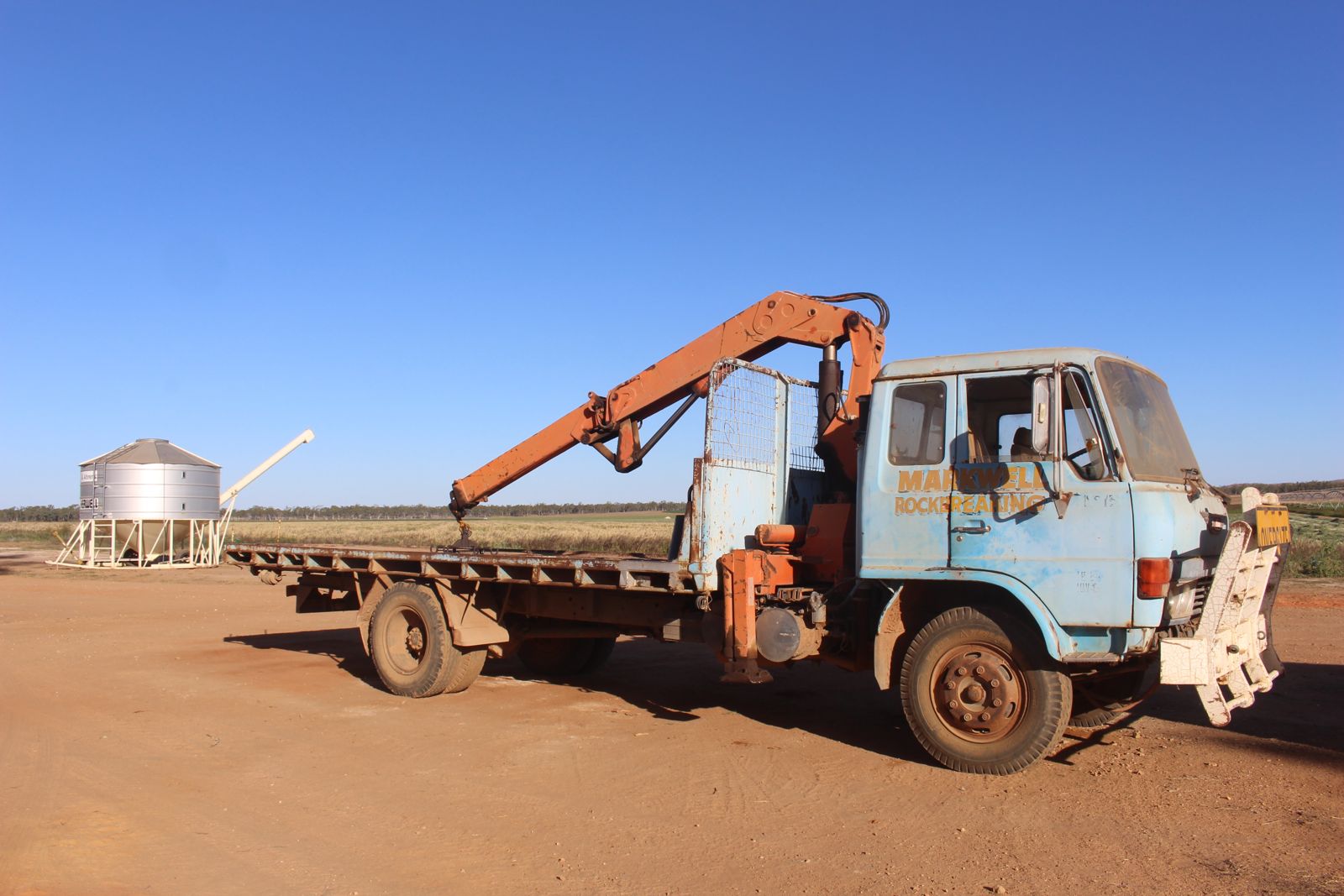
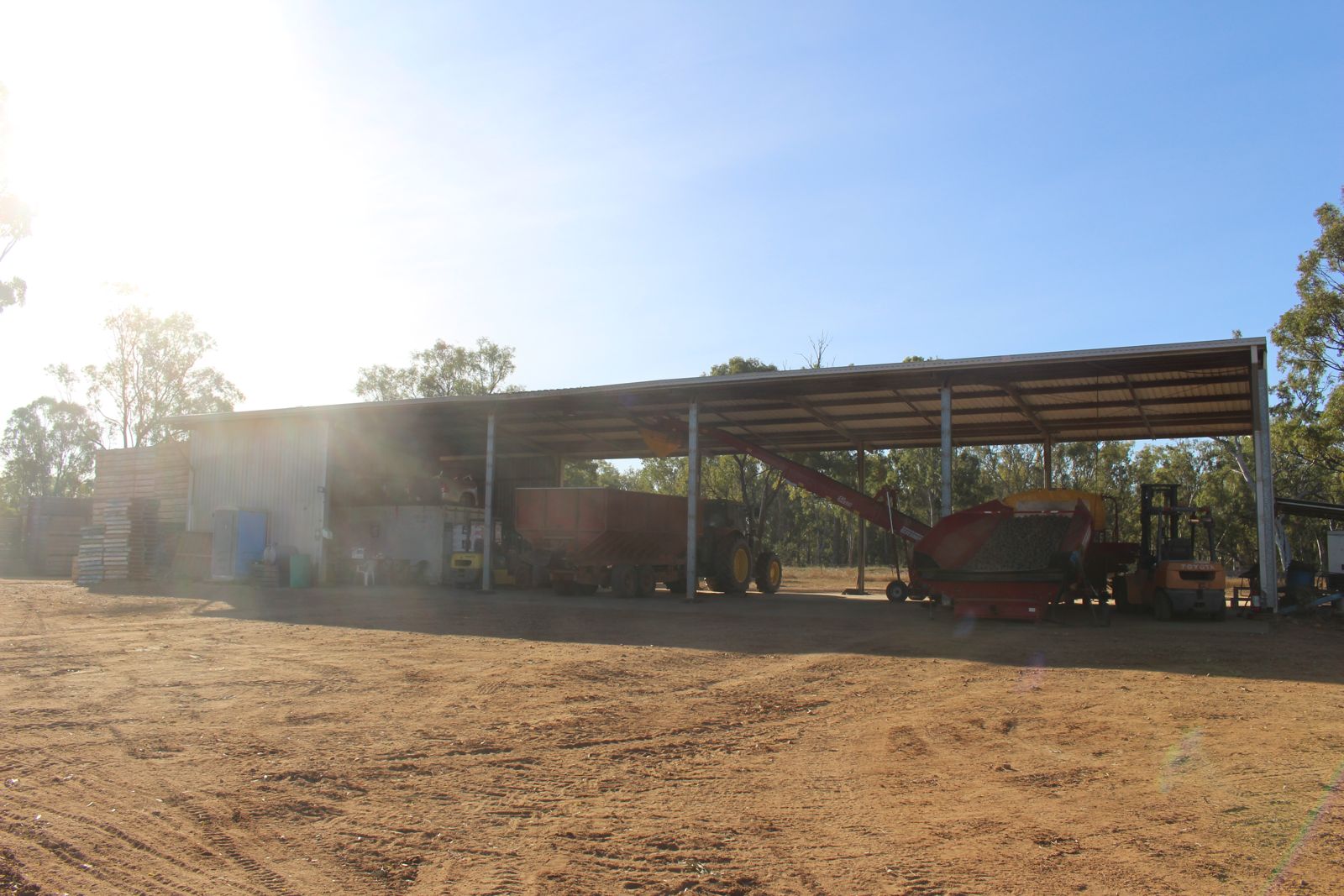
One afternoon the sky broke loose and torrential rain fell on the fields. In barely an hour, everything was flooded. The next morning we got up and went to the meeting point as we did every morning. But something seemed different: no noise, no dust from vehicles, not a living soul. We waited fifteen minutes in the shed before deciding to go back and ask Dominic, who lived literally fifty metres from us. He confirmed, all innocence, that the day had been cancelled because of the rain. Of course, he'd never have come to tell us himself.
The same thing happened the next day, but, wary this time, we decided to wait until we saw a car go by before moving. Hearing nothing coming, the Chileans went to knock on the boss's door to find out what was going on. He confirmed we wouldn't work that day either, and that was the last straw for our two friends, who decided to leave the very next day.
As for us, we gave ourselves a week before packing up to hit the road again, and nothing could sum up that month on the farm better than the anecdote of the last day. As I was loading the bags into the car, about to leave, Dominic and his wife walked past us without even turning their heads, and there's no way they didn't see us.