
 ← PreviousHeart-wrenching goodbyes: the start of life abroad
We'd decided to go via China because it was the cheapest ticket of all. For €420 each, we'd reach Sydney via Xi'an in 34 hours, with a ten-hour stopover in that city. Time was no longer a scarce commodity in our situation, and we'd figured that since we were leaving for at least a year, we'd have plenty of time to recover from such a gruelling journey. We spent the first part of the flight chatting and watching a series on our laptop. I was really fragile psychologically, and the slightest thought that took me back to France brought uncontrollable tears to my eyes. Cassandre handled her emotions much better, and soon we were arriving in Xi'an.
If you drew a line through the middle of China, you'd only have to go a little north of it to find this city. It's world-famous for its army of terracotta warriors discovered in the 1970s. We'd very seriously considered visiting the site during our ten-hour wait, until we checked the temperature and learned it was around 0°C. Our suitcase was full of summer clothes, as it was the height of summer in Sydney, which forced us, without much regret, to drop the idea.
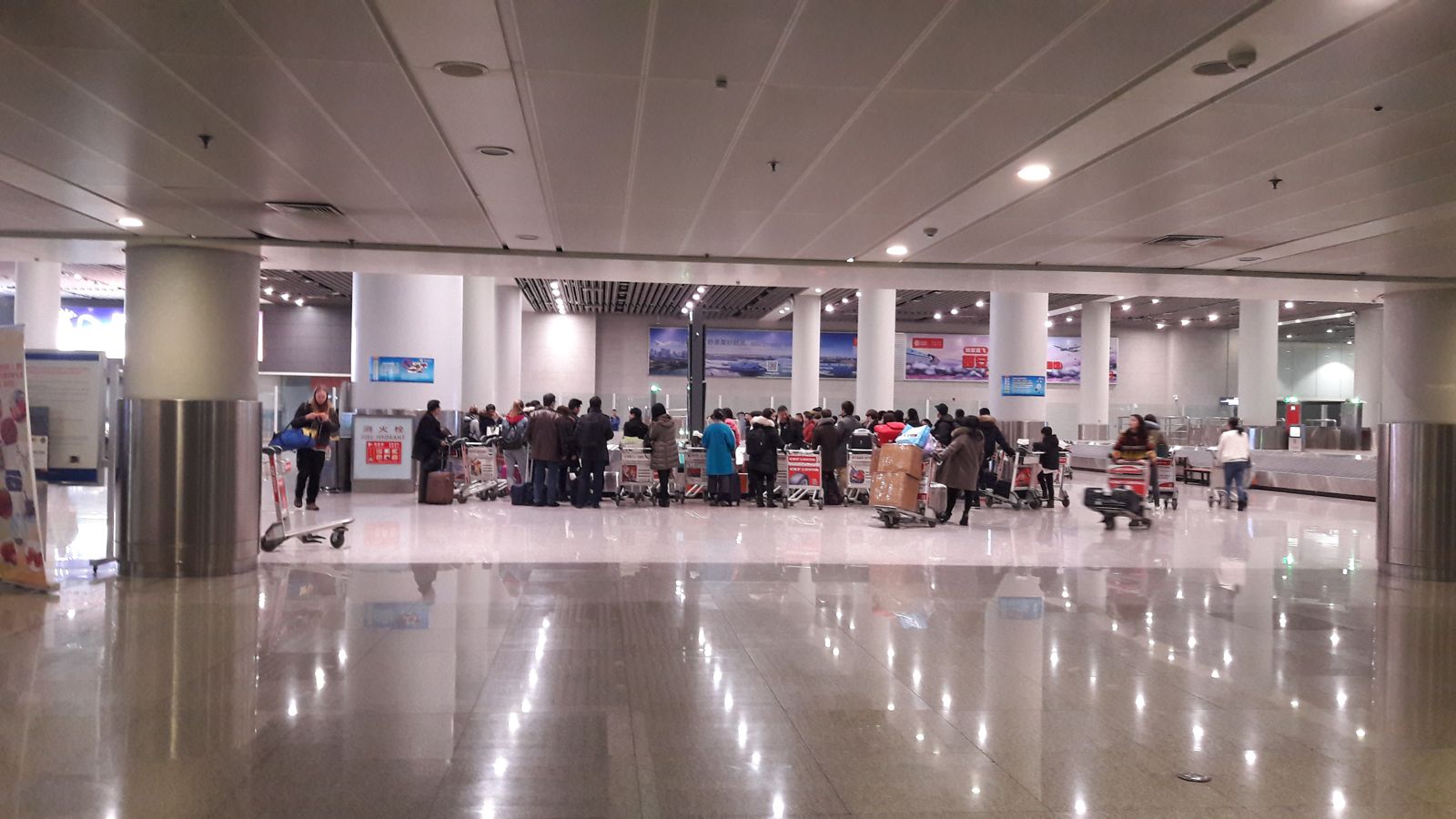
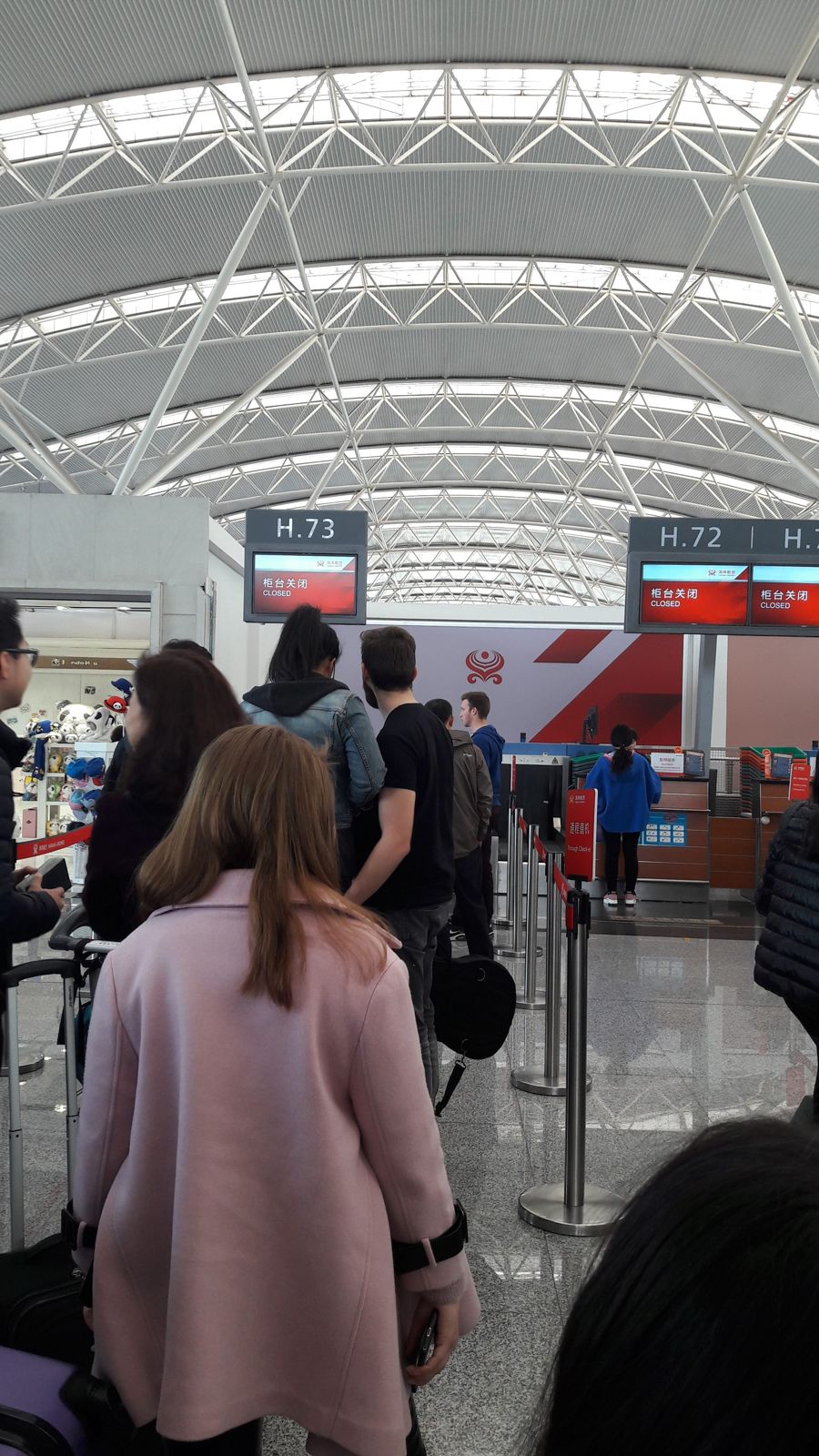
I was setting foot in China for the first time and already realising I was going to experience an incredible number of firsts on this adventure. Although we were obviously not the only ones to emigrate, I was probably one of the first in my family to do so, perhaps breaking a glass ceiling along the way. I was going to live through unusual moments for someone approaching thirty. I'd love to tell you we got through customs quickly, but that wasn't the case. Cassandre and I waited in the long queue.
We tried in vain to connect to Wi-Fi to let our families know the first leg of the trip had gone well. When our turn came to go before the officer, he took my passport first. To avoid trouble, I'd had a brand-new one made just before leaving. There was literally nothing to see. The man behind the counter was called Hazan; it was written on a little badge over his heart. He wore a uniform and a small official cap. His look wasn't very friendly.
"Why is it empty?" he asked me in very textbook English, flicking through the pages of my document with his thumb. I'd resolved to take extremely good care of my passport so it wouldn't end up in the same state as the last one, and seeing him bend it like that made me sigh inwardly. "I needed a new one to go to Australia," I simply replied, as pleasantly as possible. He looked me up and down for a moment and then stamped one of the inside pages. I went and stood just behind the booth to wait for Cassandre.
It was something I did regularly, because going through customs took longer for her. Every time, her name triggered alerts, and by standing behind I could see the officers carefully scanning a whole list. But this time it was different. She'd spent a month in China four years earlier, and Hazan didn't seem to understand why, and above all why she was coming back. However much she explained that it wasn't a return and she was only passing through, nothing seemed to convince him.
We were asked to wait in a small room while our cases were examined. An older Western couple were already there, and in conversation the man thought he knew the reason for the Chinese suspicion. "They send so many spies abroad that they're suspicious of everyone who comes here. Don't worry, it'll be sorted quickly." We weren't really worried anyway, and we had so much time that we were almost glad of a bit of excitement. After a while an officer came to fetch us and explained that we absolutely mustn't stay in the country. We'd shown them our tickets to Sydney dated that same day, but they really thought we wanted to stay in China.
We assured them our aim was indeed to leave the country before evening, and we were finally allowed into the shopping area of Xi'an airport. Before leaving, we'd spotted sleeping capsules right in the middle of the airport. So we headed to the information desk to ask the way. To our great surprise, the two young Chinese women behind the counter didn't speak a word of English, and we had to mime sleeping for them to understand our request. After a big "ooooh" of understanding, they began giving us directions... in Chinese.
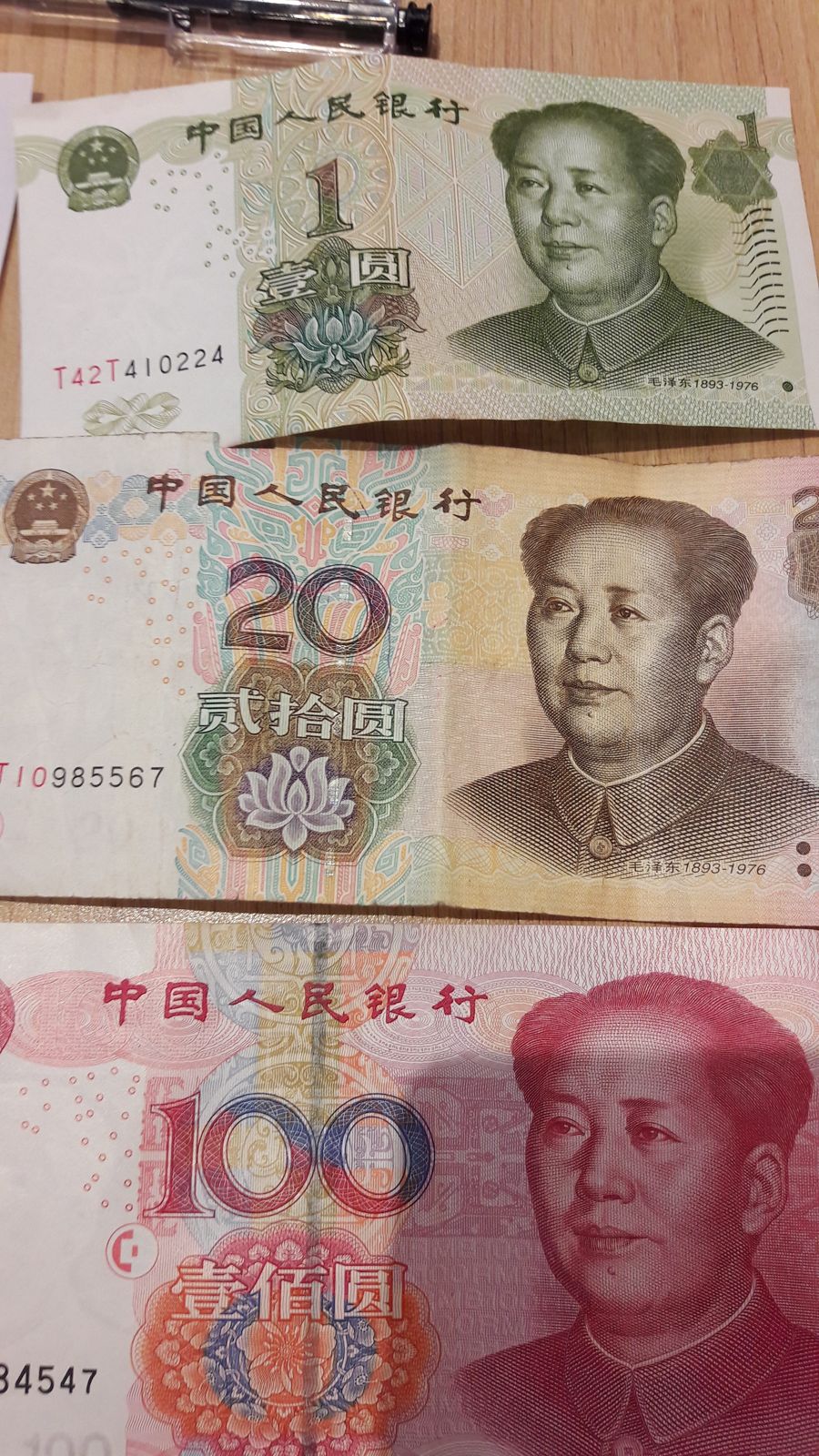
We thanked them with what little Mandarin we knew and went around the airport to try to find them ourselves. Quite quickly we discovered tiny capsules at a prohibitive price, close to €50 for four hours. Comfort would have to wait. We found an empty bench and lay down on it for a nap. Roughing it already, but we knew that to conquer the Australian desert we'd have to set aside our notions of comfort, so we might as well start straight away. After a far from restorative rest, hunger began to gnaw at our insides. We had the idea of withdrawing some yuan, as it would cost less in fees than paying directly in a restaurant with our French cards. We went to the bank hoping to find a cash machine.
A young woman with superb English approached us immediately to ask what we wanted. We explained we were looking to withdraw the equivalent of twenty euros to go and eat. She asked for Cassandre's papers and her bank card and started photocopying absolutely everything. The whole procedure took twenty minutes, without us really understanding what was going on. We came out with our yuan and looked for a restaurant. We went round and realised that of course all the menus were written in Chinese. The only one with English was Pizza Hut, so that's where we ended up, nibbling a tasteless pizza and waiting a bit longer. Our spirits had lifted. Already discovering new things and being immersed in another culture with no concessions had pushed our emotions into the background.
The day went by quickly. We wandered the airport's aisles trying to understand what was being said or written. It was far from easy, and mostly we ended up laughing at our own incapacity. At one end of the gigantic hall there was a huge picture window looking out onto a six-lane road right below us. We sat on a bench and watched Chinese drivers' chaotic driving. In less than five minutes we'd seen vehicles narrowly avoid accidents several times. No indicators, some even driving down the middle of the road, pulling out without checking the lane was clear.
We soon tired of it, and as we didn't want to witness the serious accident that was bound to happen, we decided to head to our departure gate. We had to go through another extremely thorough security check, which we were happy to do. When it was our turn at passport control, the officer asked us the purpose of our trip to China. Not yet very confident in my English, I explained as clearly as I could that we'd only had a ten-hour stopover and had stayed in the airport. This answer surprised him, and we had to explain exactly what we'd done during the whole stopover. Once the officer was satisfied with our answers, he let us through, not forgetting to cover a whole page of the passport with a Chinese stamp. We found ourselves on our plane and realised it was the same one that had brought us from Paris.
After watching a few episodes of the series we'd started, we fell asleep and woke up over Australia. The excitement was building, and when we were an hour from landing, my neighbour on the right started a conversation. We were separated by the aisle. He was French, probably six feet tall, with huge dreadlocks that must have reached his backside.
"What are you going to do when you arrive?" he asked me.
"We're going to settle in Sydney for three months before heading north, following the sun," I explained.
He seemed surprised by my answer. He told me that he and his friends were going down to Victoria to work on farms to do the 88 days needed to get a second-year visa. The holy grail of everyone known as backpackers was the famous 88 days.
The Australian government had been clever enough to take advantage of the country's appeal so that several of its sectors could use the international labour flooding into the country. For your "days" to count, they had to be done in certain parts of the continent and in specific sectors depending on the area. So around big cities like Sydney and Melbourne, you had to go a long way to find places that met the criteria. The system encouraged travellers to leave the cities and let isolated areas find workers. It seemed a win-win for everyone, but we'd soon see it had its share of flaws. This was absolutely not the moment for such cynical thoughts, and as the plane landed, we looked at each other thinking the same thing: we're in Australia!