
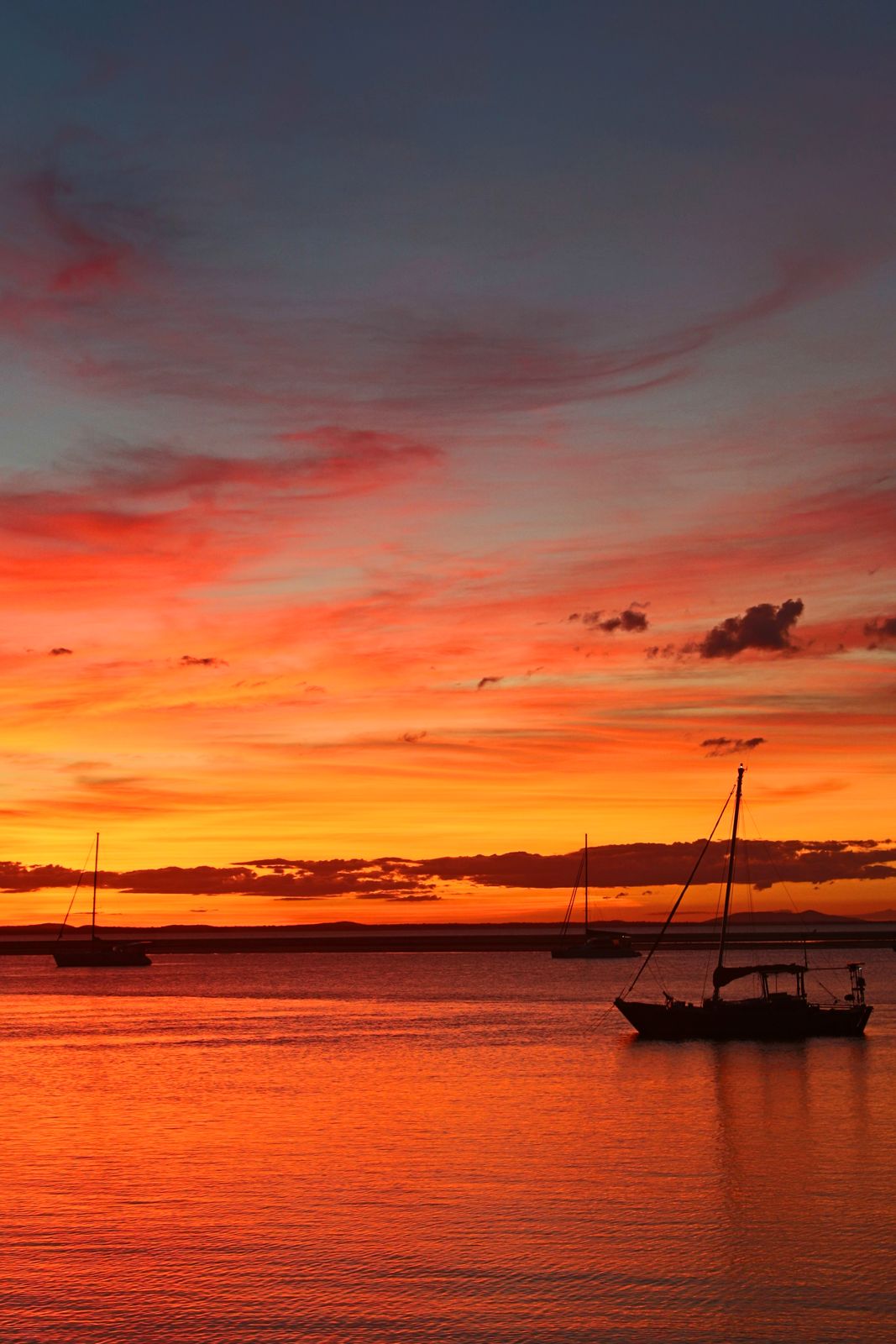
 ← PreviousSunsets and freedom: between Texas and Agnes Water
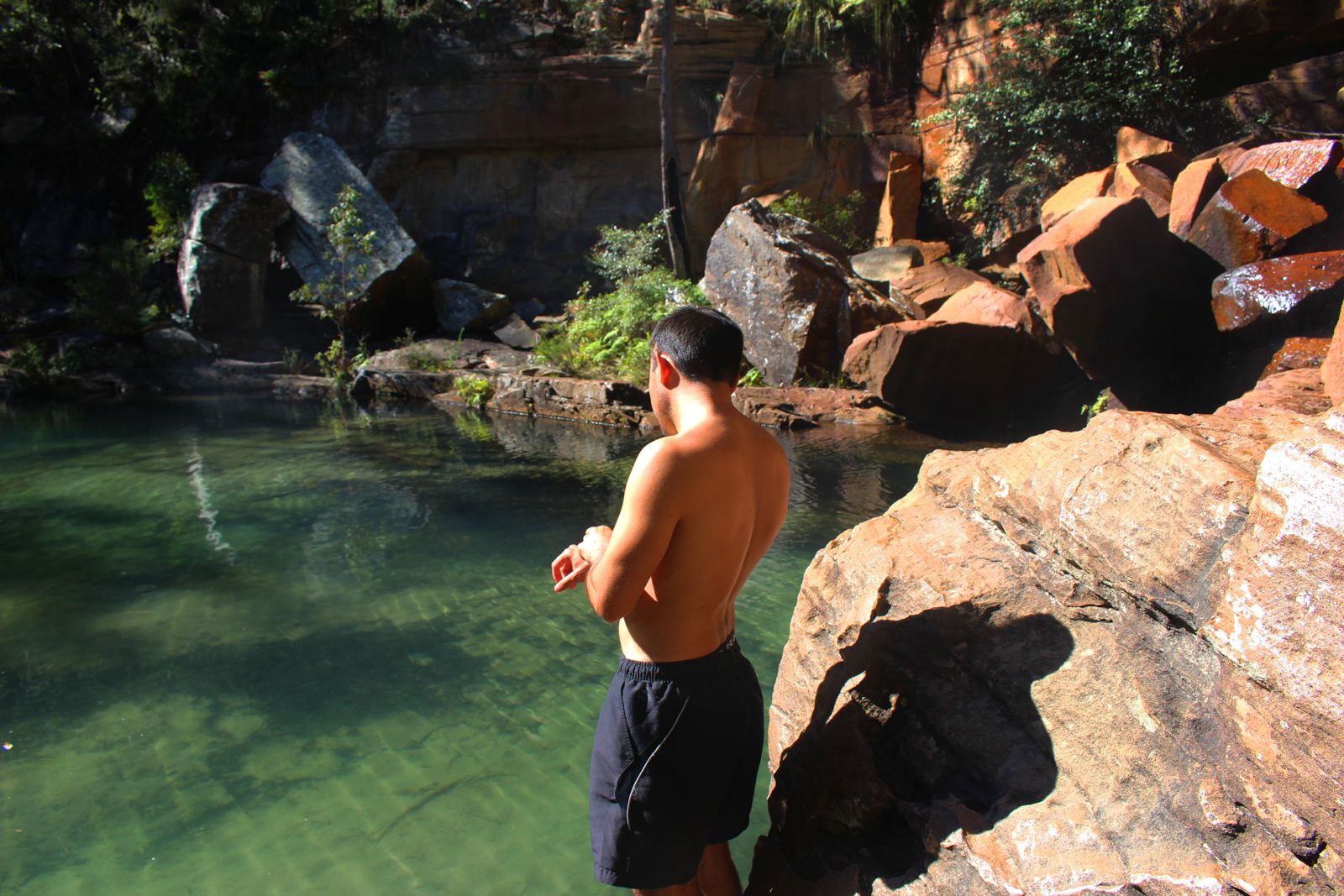
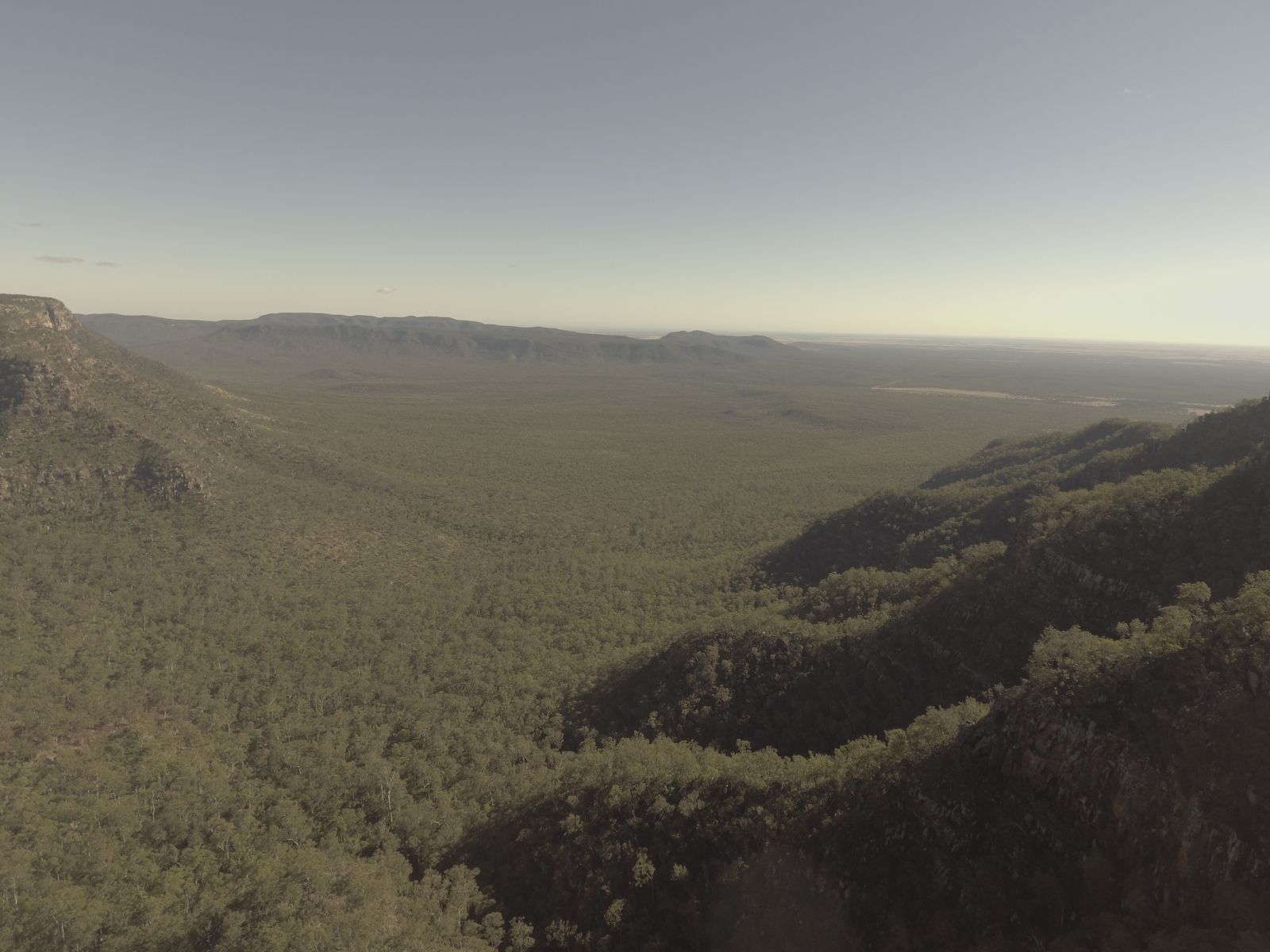
We visited Keppel Island and Blackdown Tableland National Park and drove through towns that became more and more insignificant. Outside the south-east coast — it's no legend — Australia was underpopulated. We passed small towns with barely a supermarket but always a pub holding out against modernity and with the good taste to always be full. Even if we didn't always talk to the customers, we enjoyed seeing other faces, as life on the road was sometimes lonely.
Although we were travelling as a pair, there were inevitably times when topics of conversation ran thin. We didn't mind silence, but we sometimes looked forward eagerly to these moments to recharge our batteries, electronic and social. The road took us to Airlie Beach, where a sailing boat awaited to take us to the Whitsunday Islands.
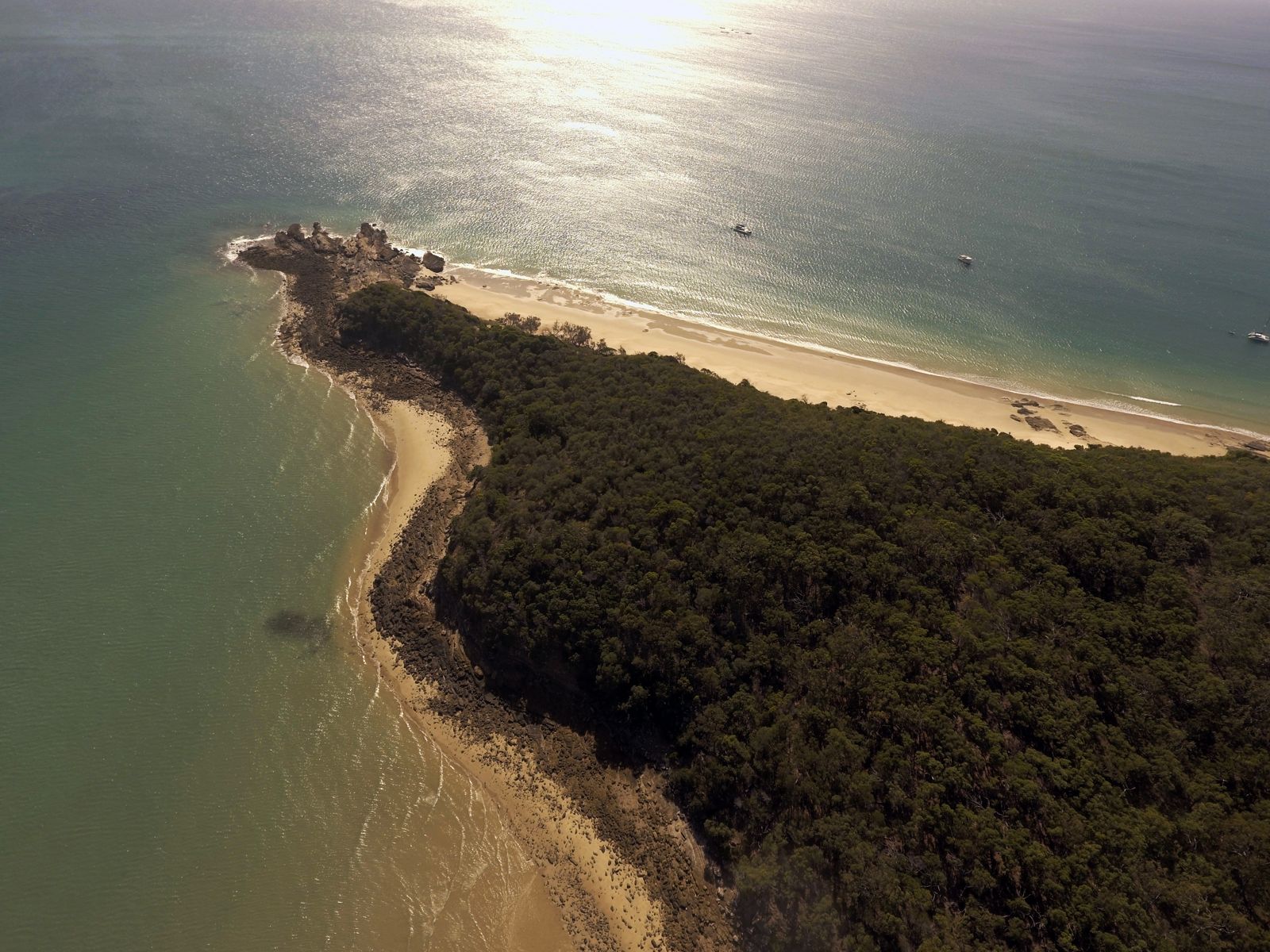
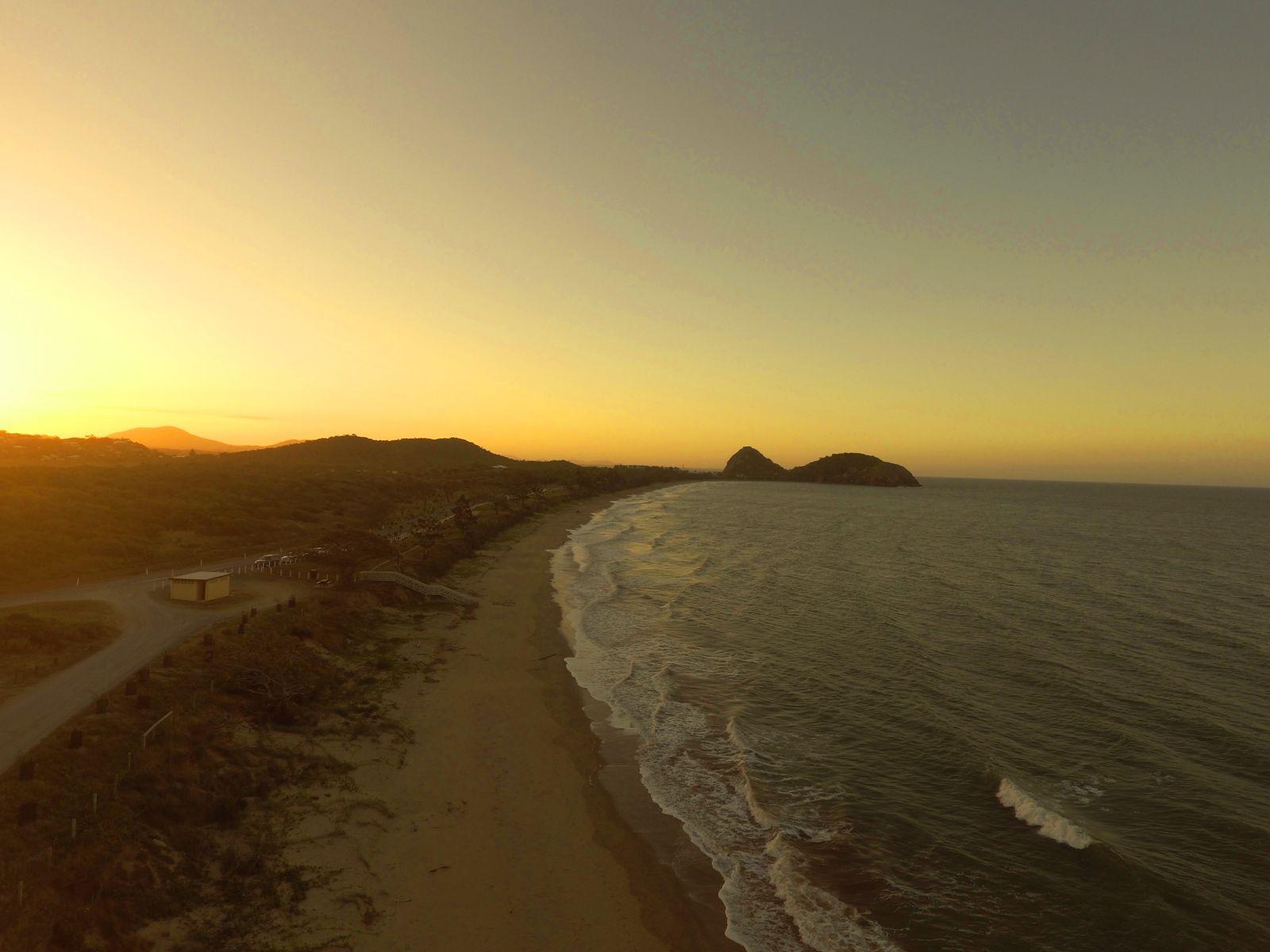
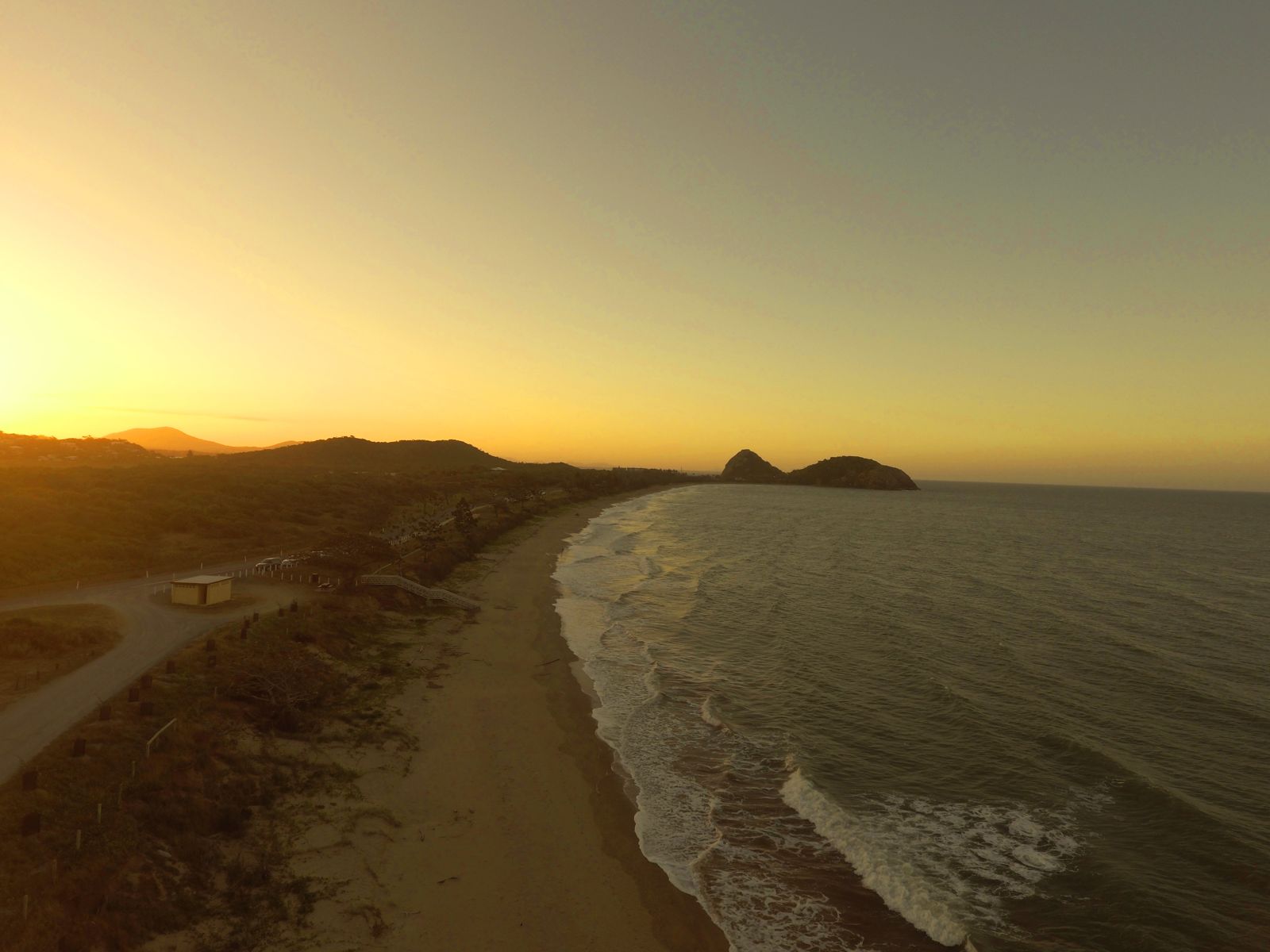
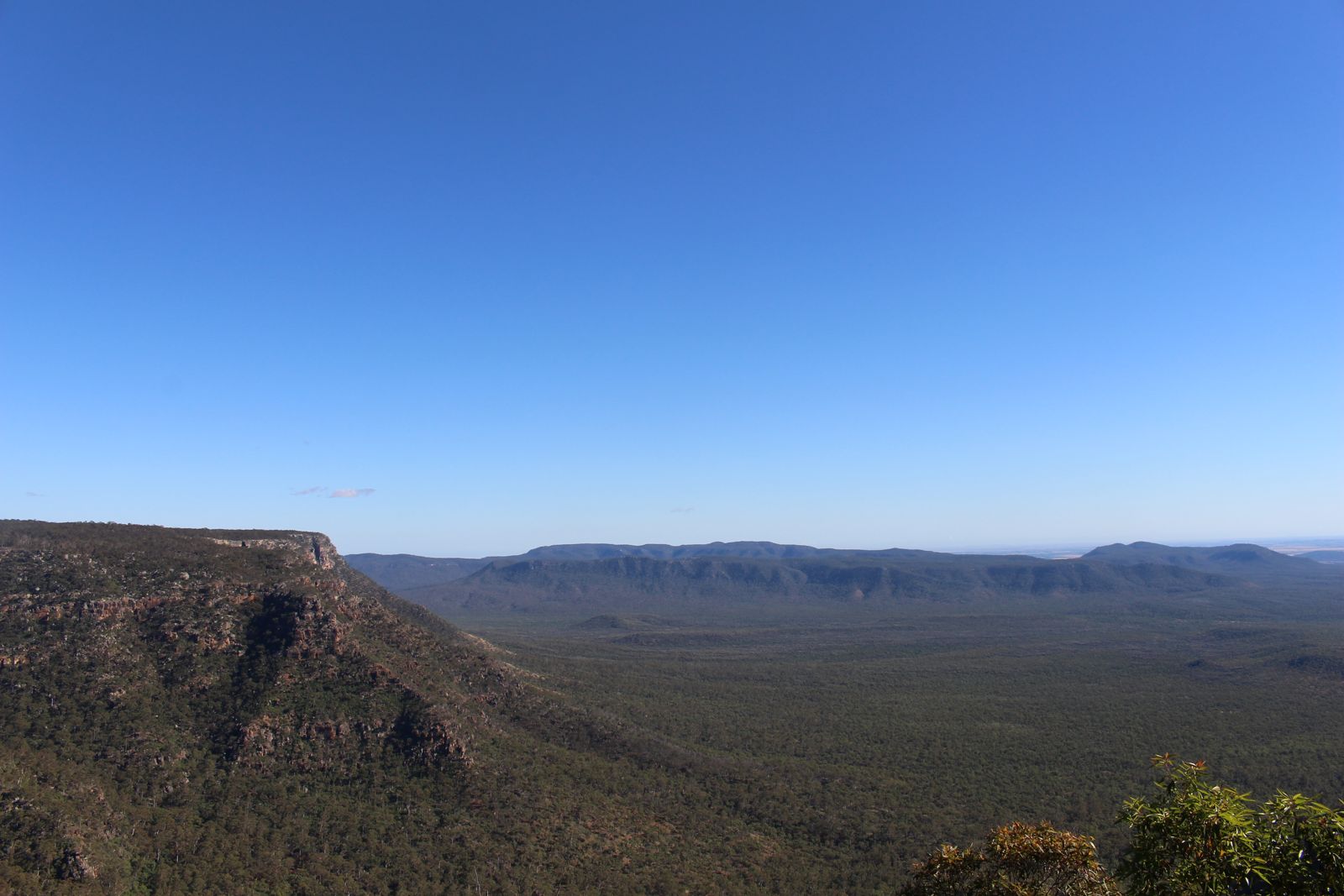
For anyone without sea legs, a two-day, one-night trip on a small boat can be an ordeal. Our sailing boat was sleek and long and had an unfortunate tendency to roll enormously. After the first meal I threw up everything in the toilet, and a couple from Brittany literally saved my adventure by giving me a strip of seasickness pills. The boat sailed inexorably out to sea until it reached the first snorkelling spot.
It was 23 June, winter in the southern half of the planet. The water wasn't especially warm, and when Cassandre asked, "Are there sharks around here?", the guide's nonchalant answer really surprised us. She shrugged and casually replied, "It's the sea…". We thought it was a joke to scare us, but barely a year later we learned of a wave of shark attacks in exactly that spot.
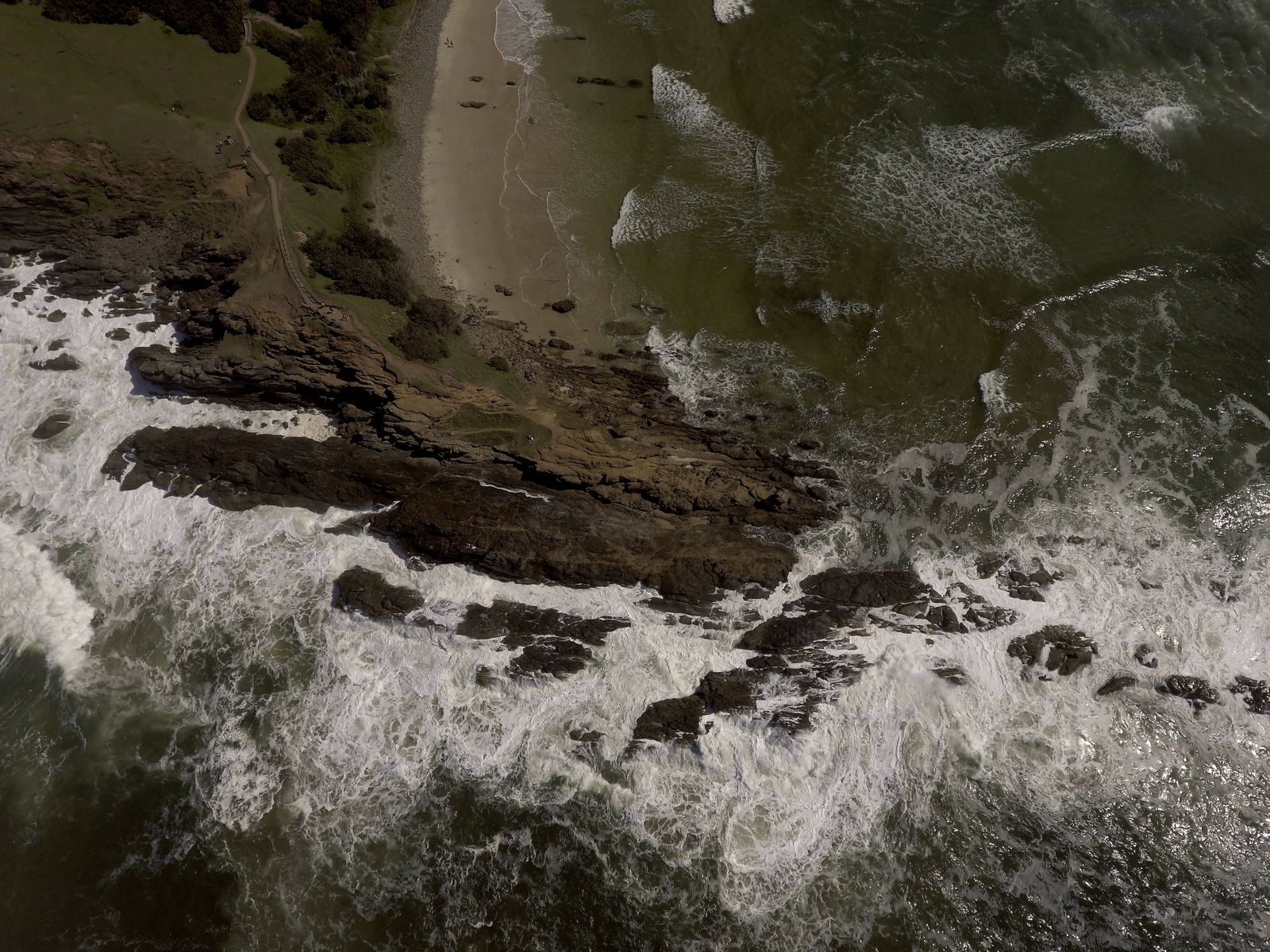
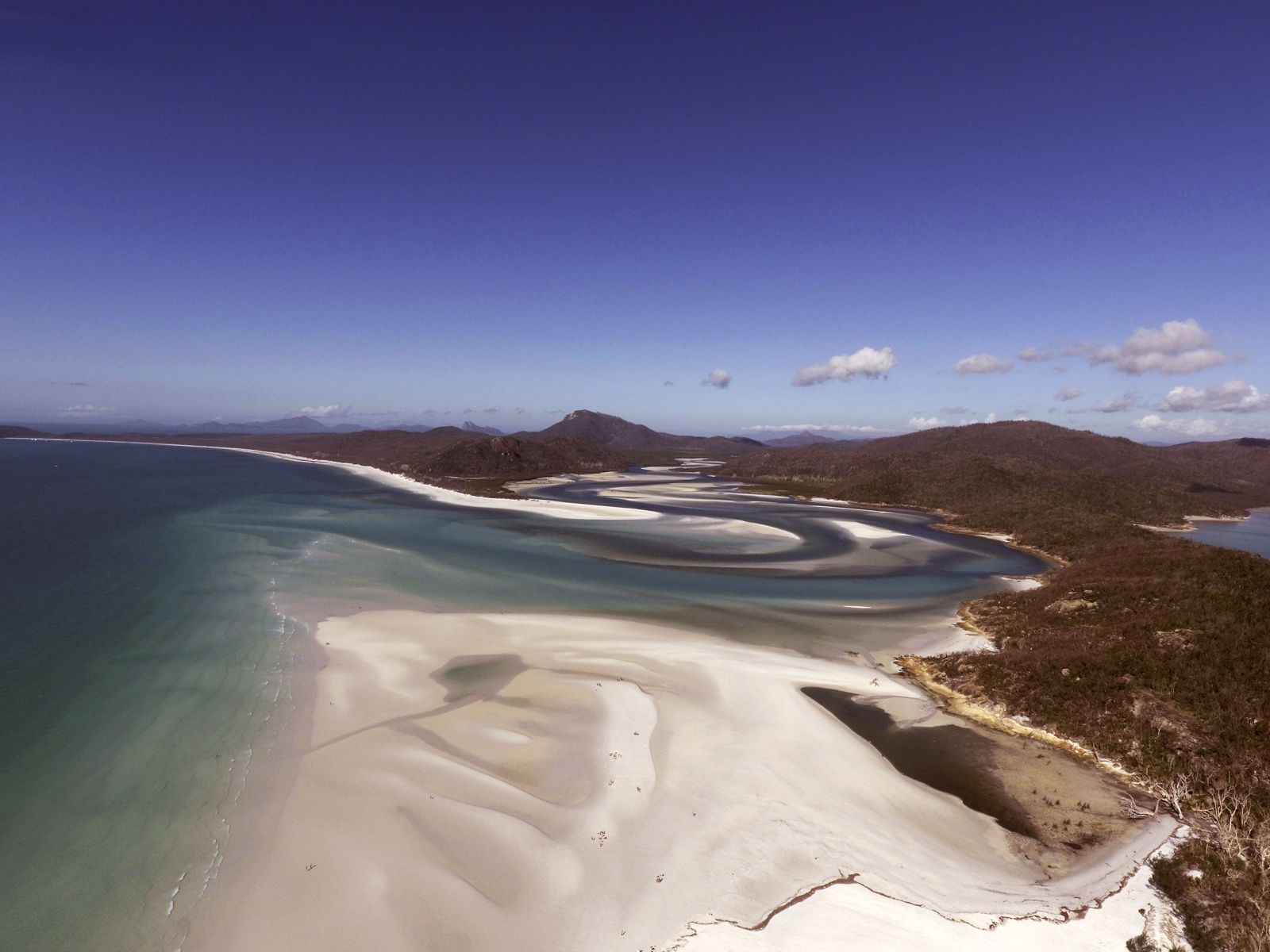
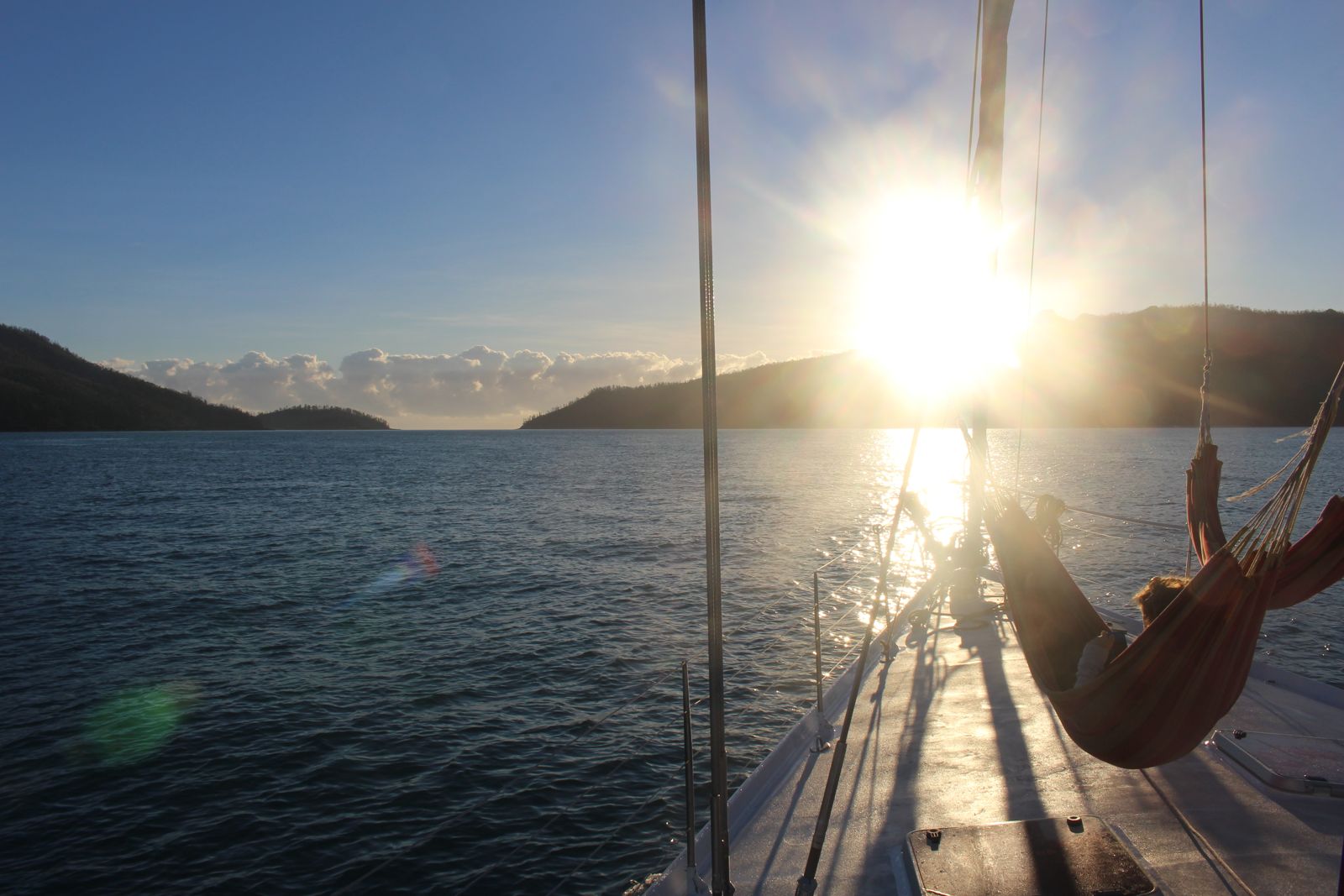
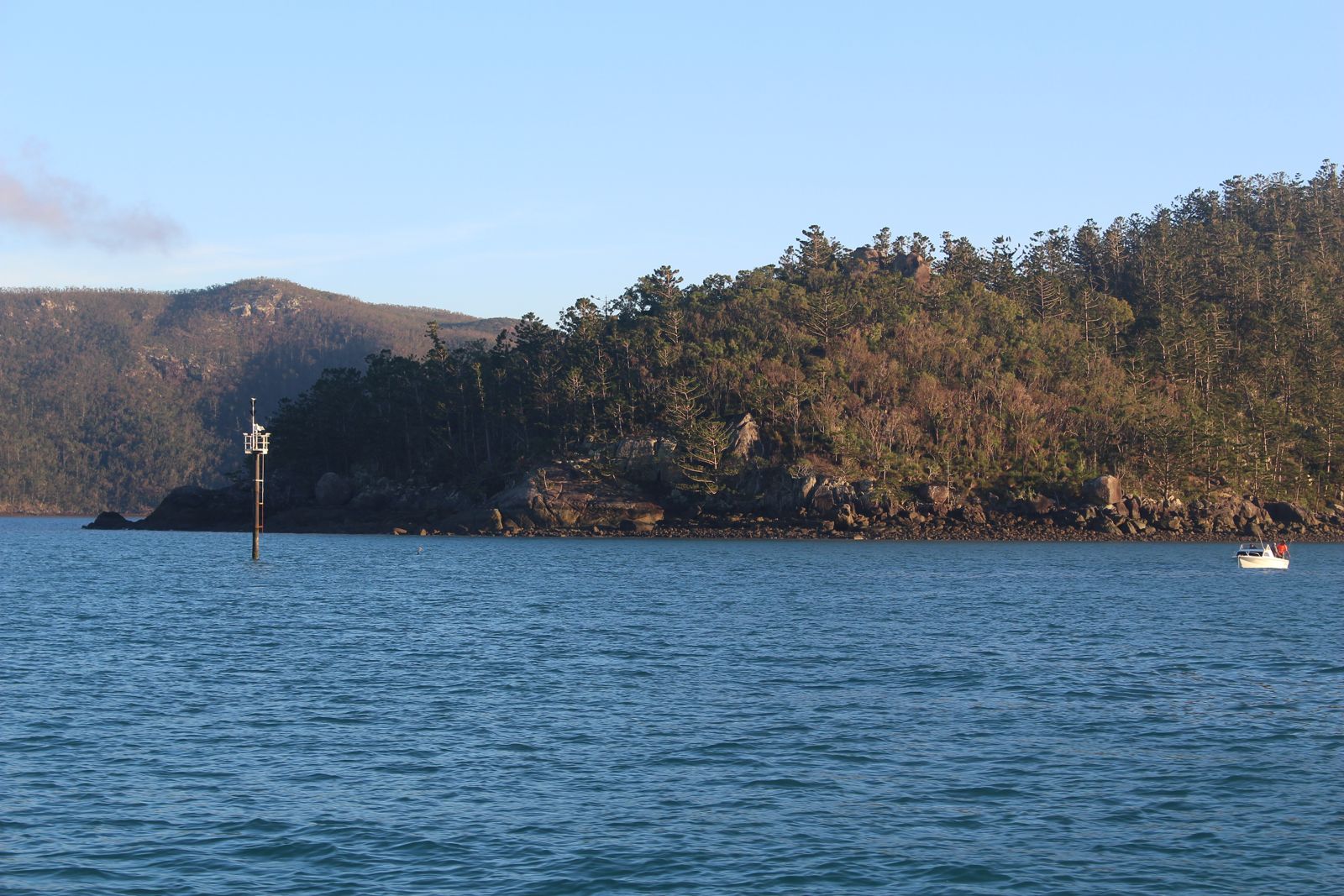
Still carefree, we wandered about underwater, but the seabed wasn't exceptional and we didn't swim for long. We climbed back on board and discovered lush green islands rising out of the sea, landscapes you'd expect in Asia but not particularly in Australia, which suffers from its stock image as a red country. The boat moored alongside an island in a sort of cove so we could spend the night there. Each couple had their own tiny cabin, and not being very tall was an advantage at that point. The sea rocked us gently from side to side and we slept peacefully. When we got up, we were already approaching our goal: Whitehaven Beach.
A motorboat came to pick us up from the side of the boat, and a guide introduced himself to our group. A short walking circuit was designed to take you to the famous view over the beach. Plaques along the way told of the life of the Aboriginal people whose home the islands were. Cassandre mischievously asked what had become of them, and the guide shrugged awkwardly. It was something we'd observe all over this gigantic country.
Australia was quick to showcase Aboriginal people and their culture, as long as the idea faded into a distant past. Everywhere there were rock-art trails or plaques saying "the XXX tribe lived here", but never any explanation of their disappearance. The nation absolved itself completely and acted as if it were a dead culture, when nearly a million Aboriginal people still lived on their ancestors' original lands.
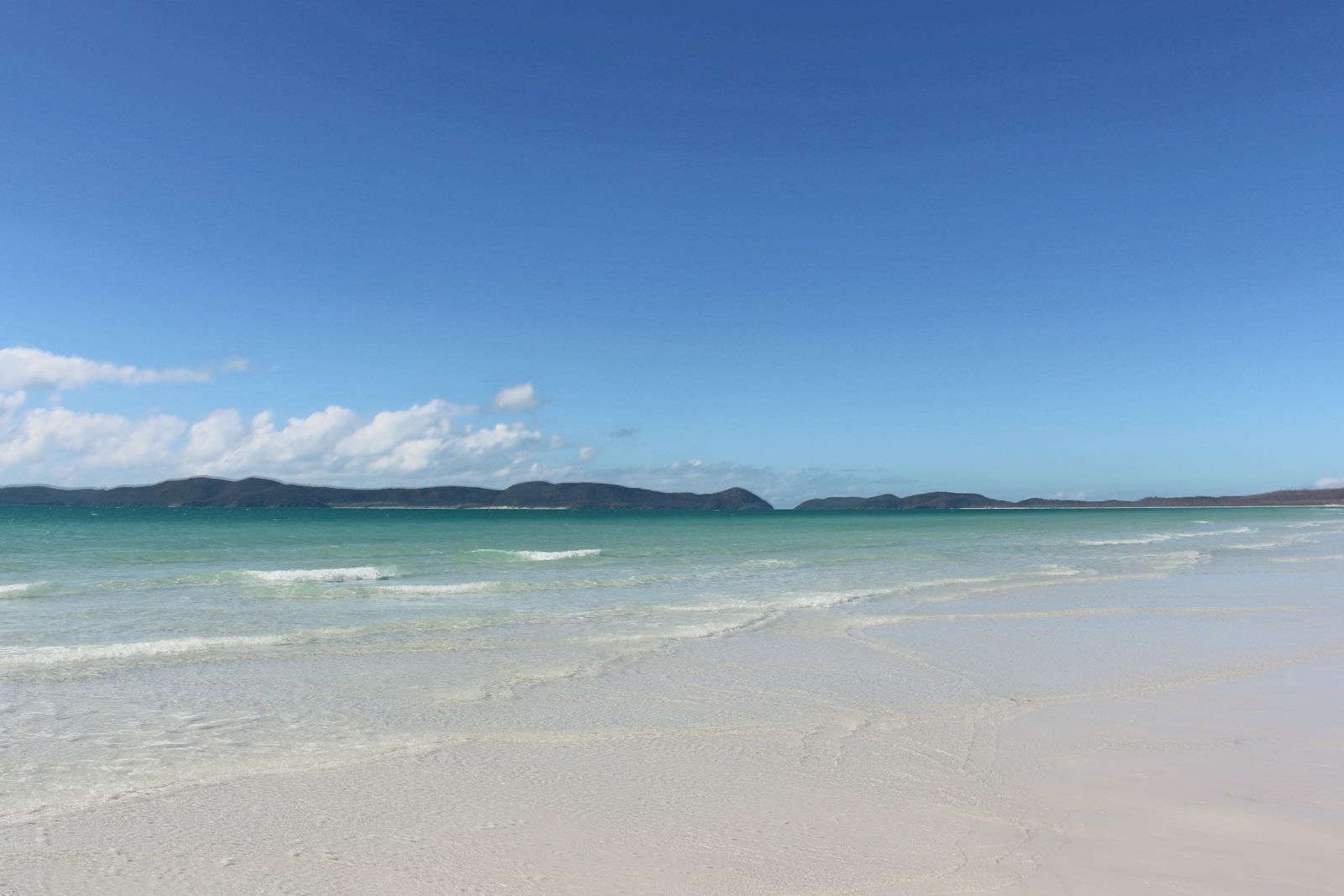
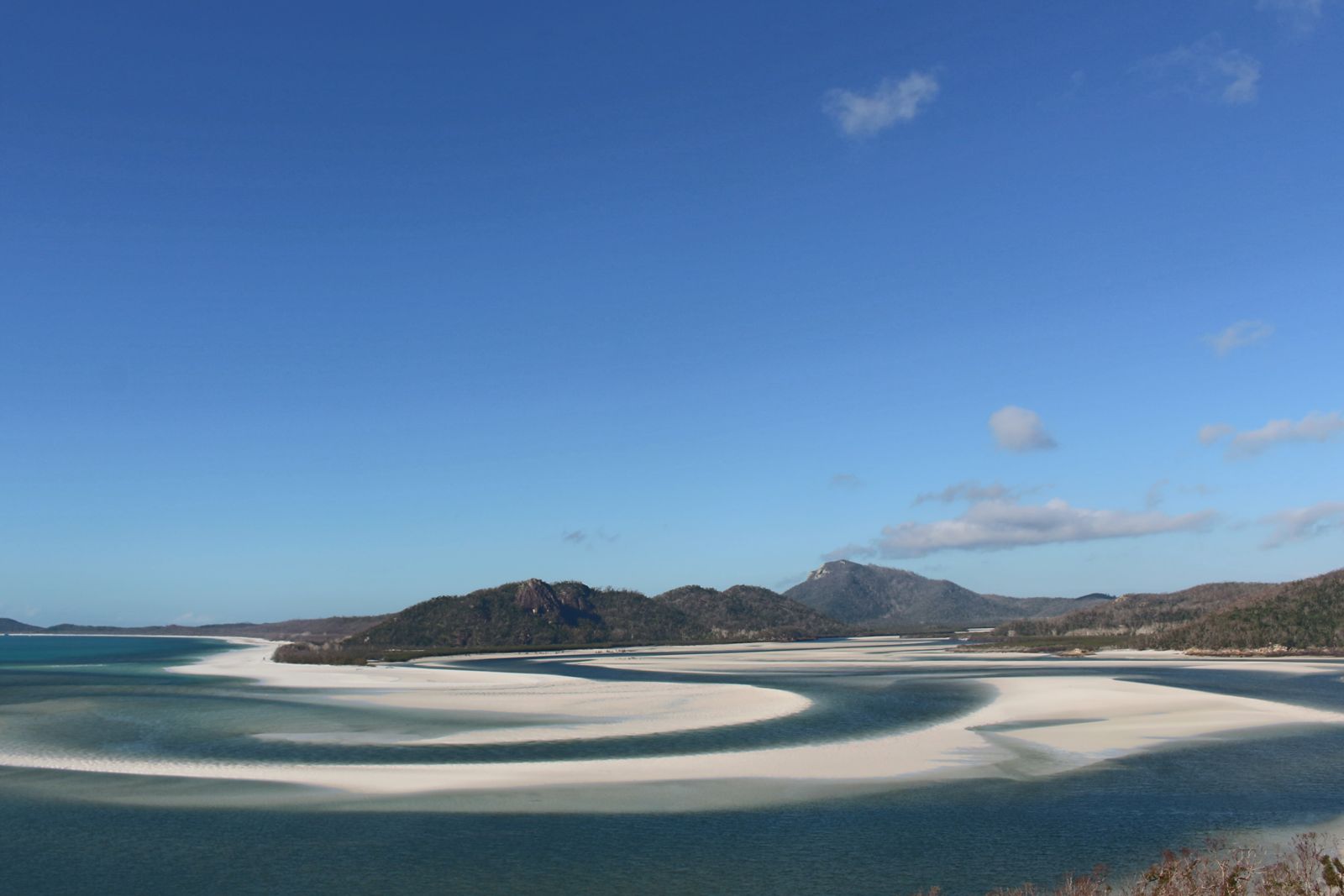
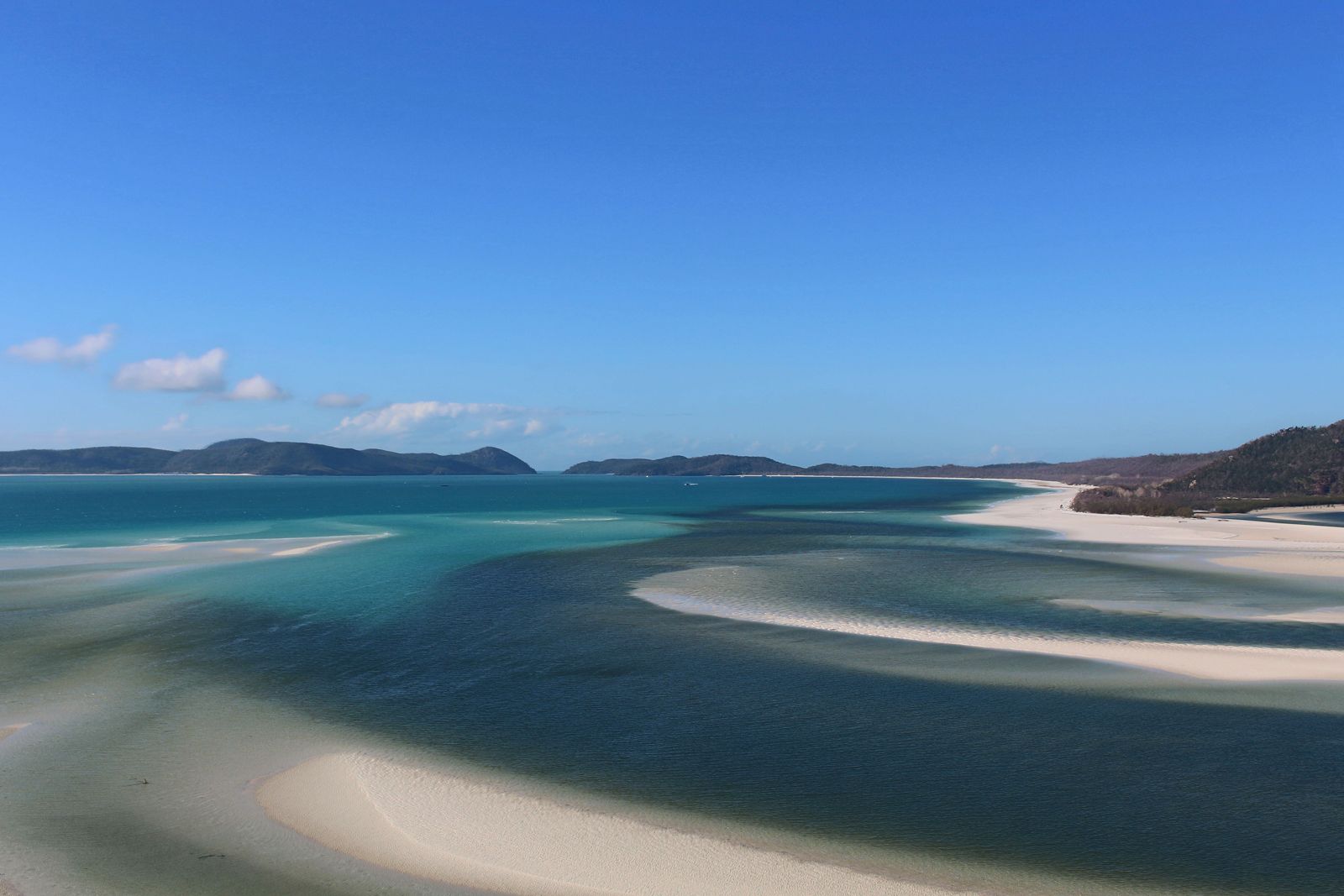
The path finally led us to the view over the most beautiful beach in the world. Its sand is so fine that it was used by NASA for the Hubble telescope. To this day it's the only commercial use of this precious resource, and our guide briefed us on the importance of taking as few grains of sand away as possible. The tininess of each grain was a danger to all electronics and you had to take precautions, but even if you were careful, they got in everywhere.
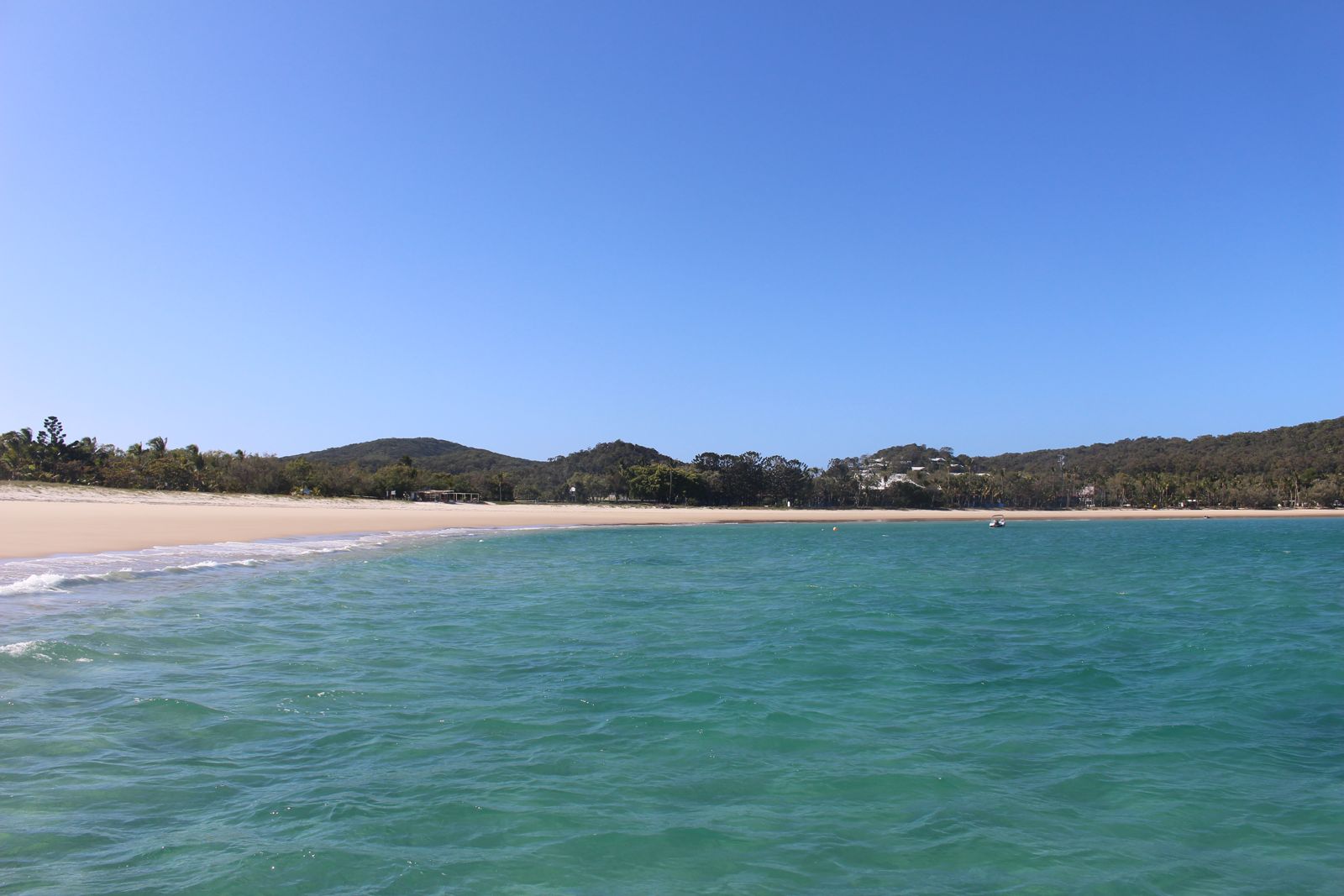
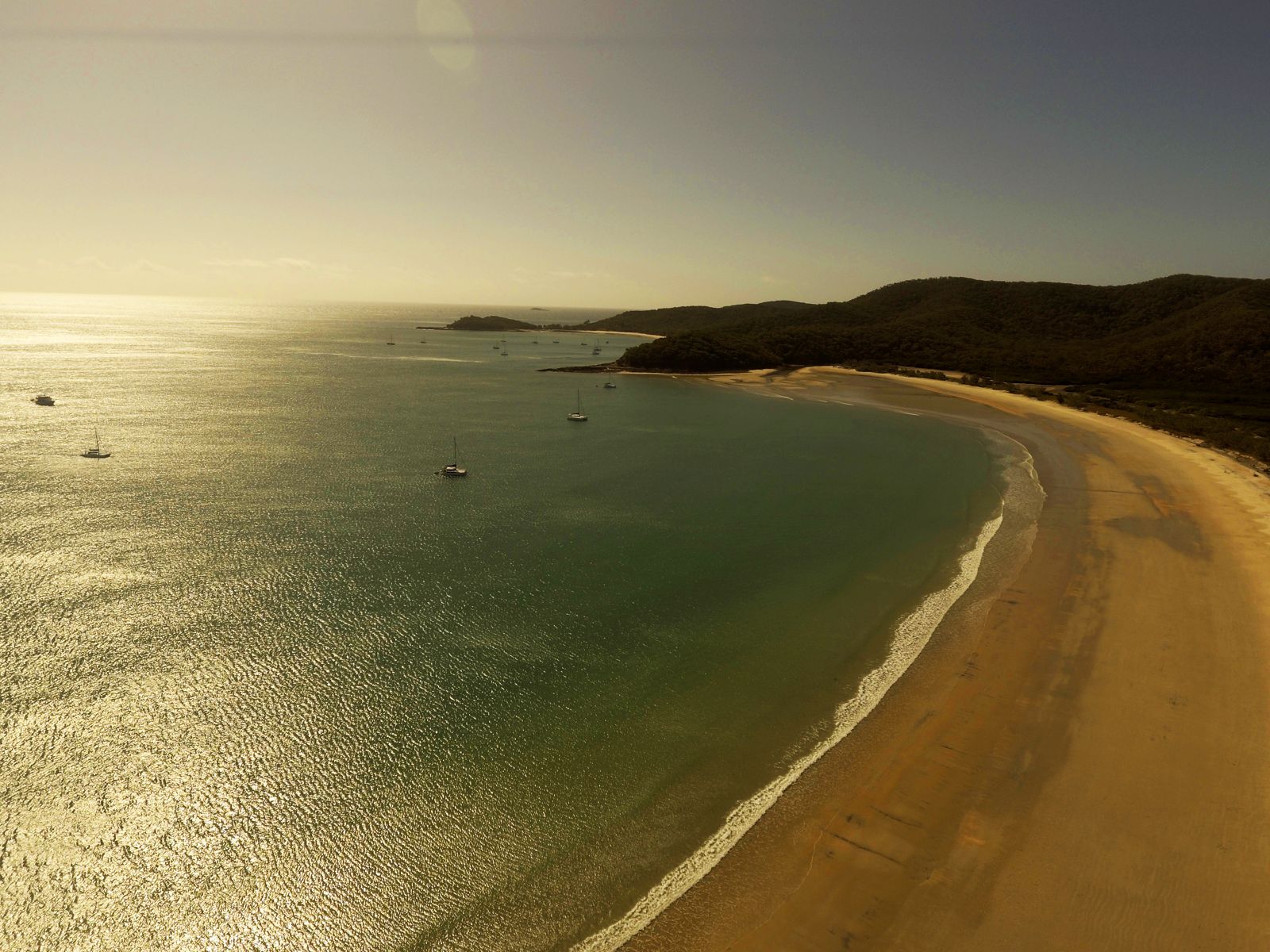
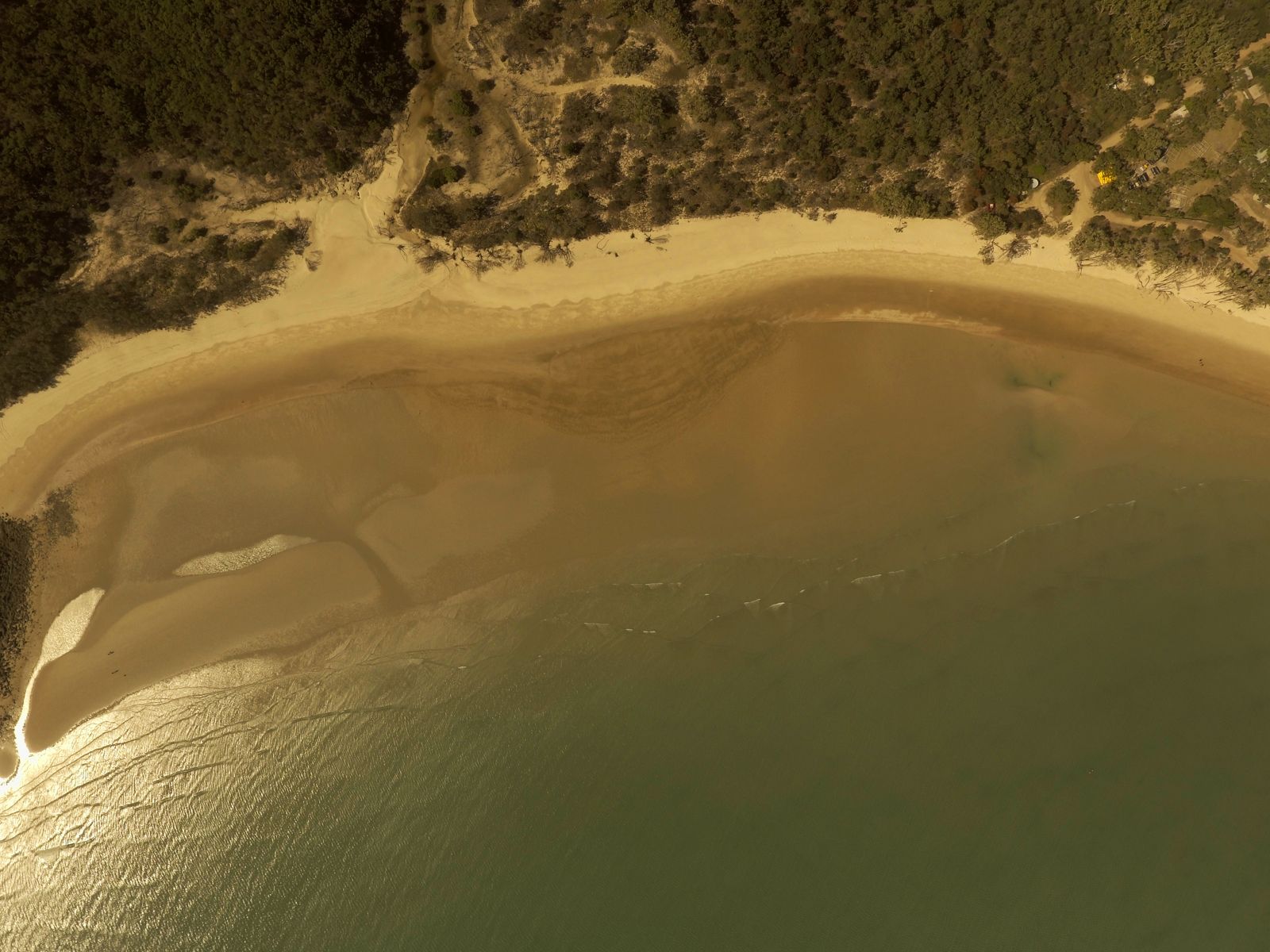
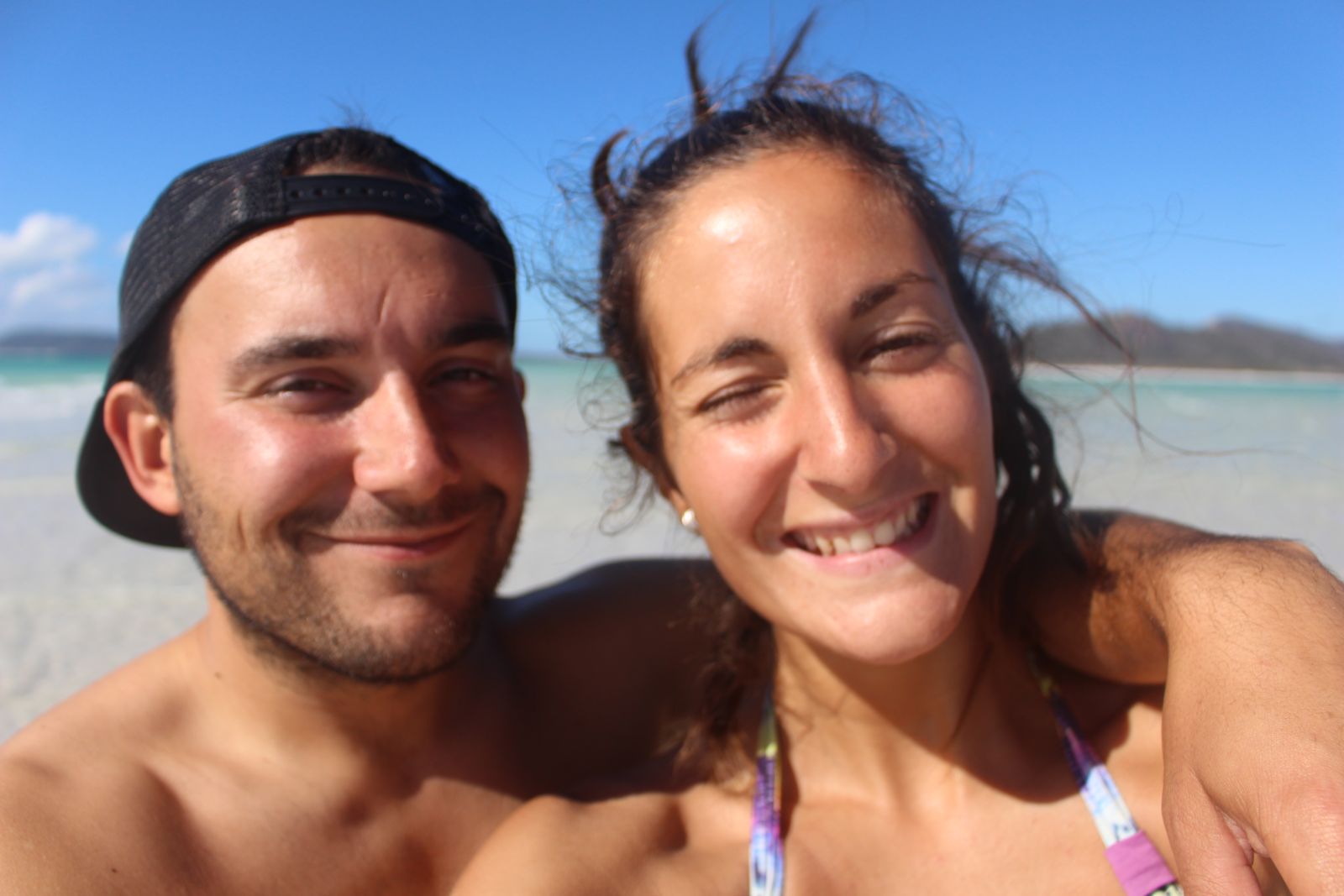
The strip of sand was incredible, and sometimes words can't live up to images. With the tides and waves, ribbons of water wound through this little bay where one of the Pirates of the Caribbean films was shot. The water was a crystal-clear blue, and the contrast with the bright white sand leapt out at you. We were lucky, as the sun was shining with all its might, and we didn't miss the chance to paddle in the shallow sea. I got the drone out and captured astonishing images from the sky. From above you could really see the purity of the place, its natural, almost ancestral touch, the idea of a world where humans had not yet left their mark.
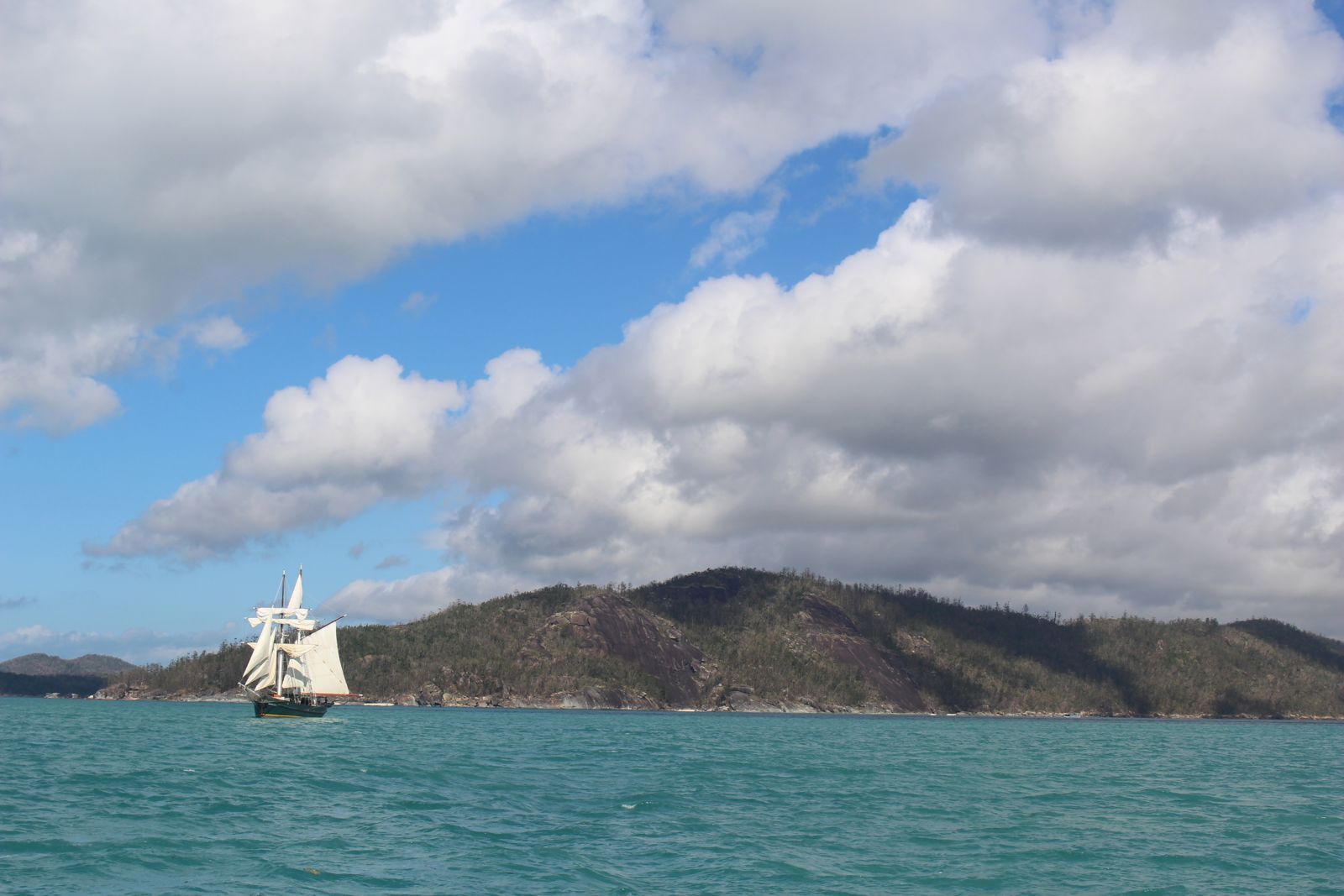
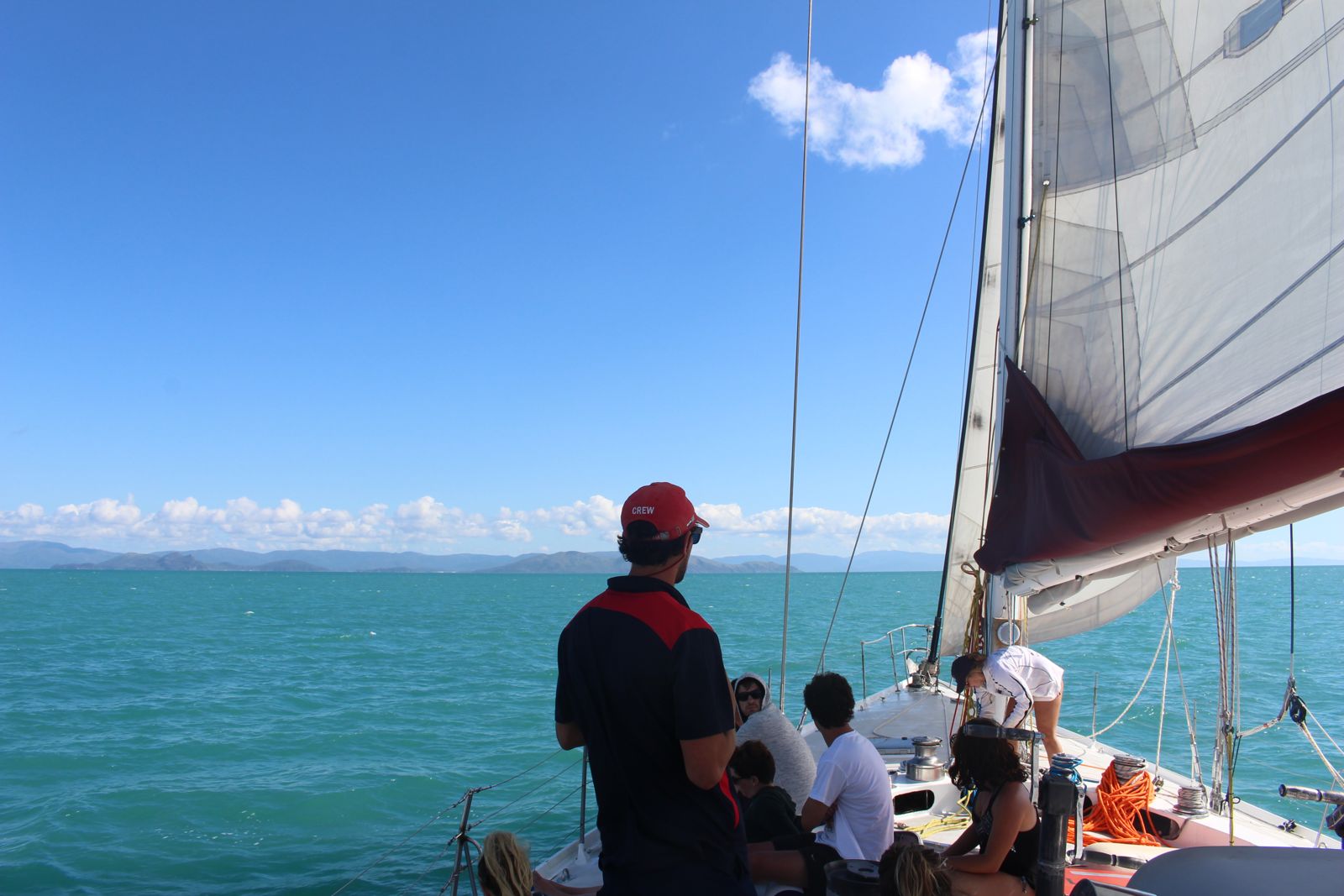
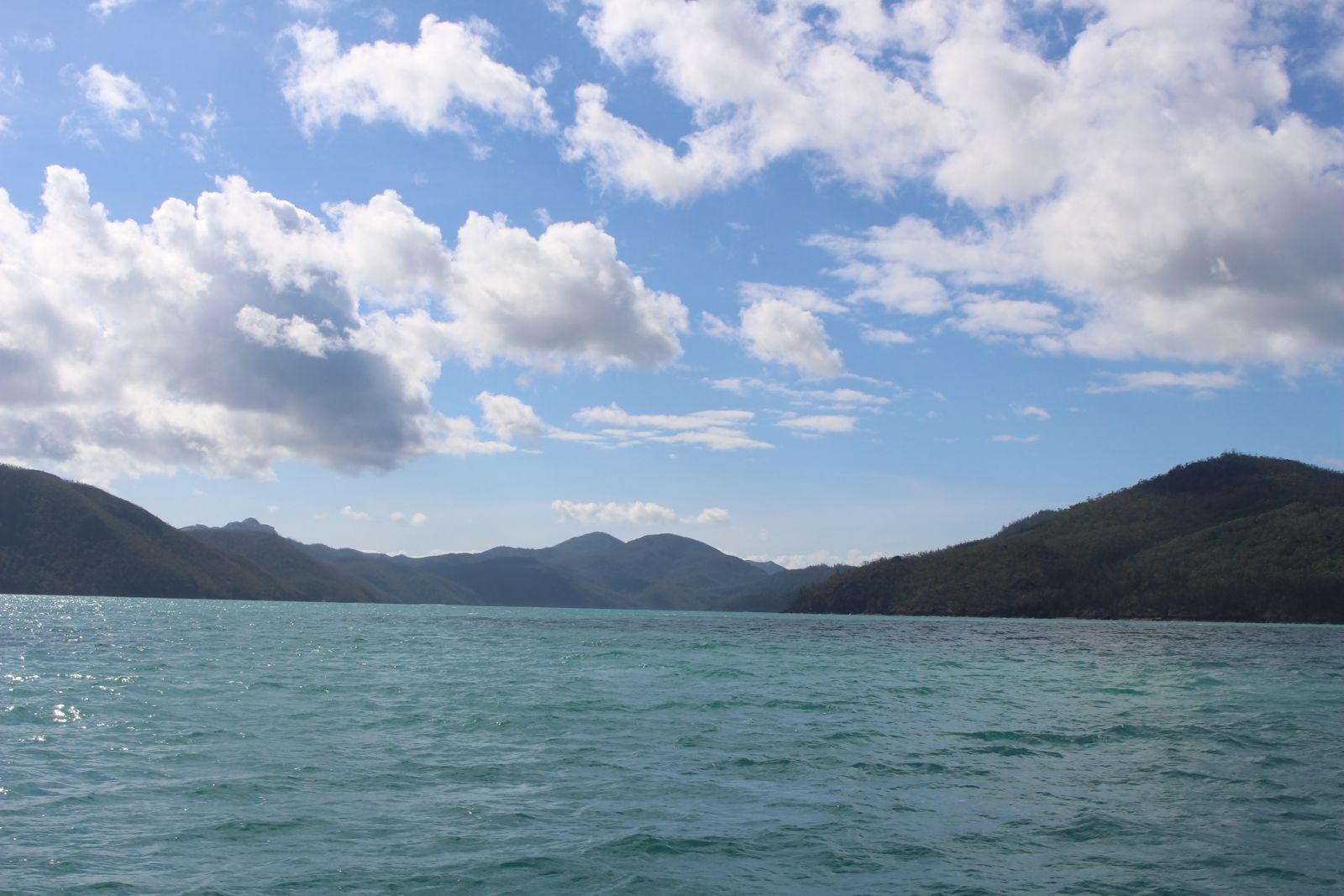
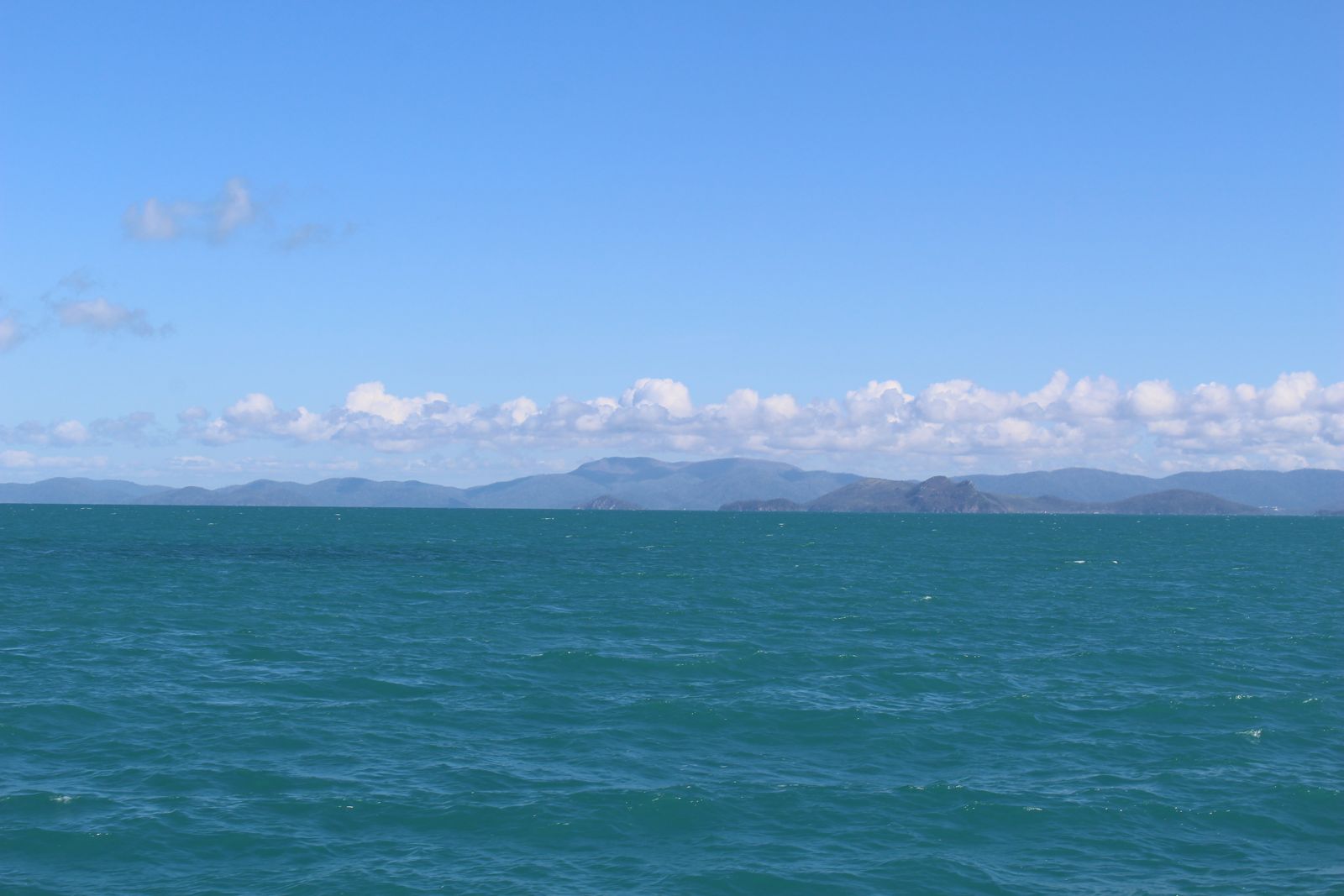
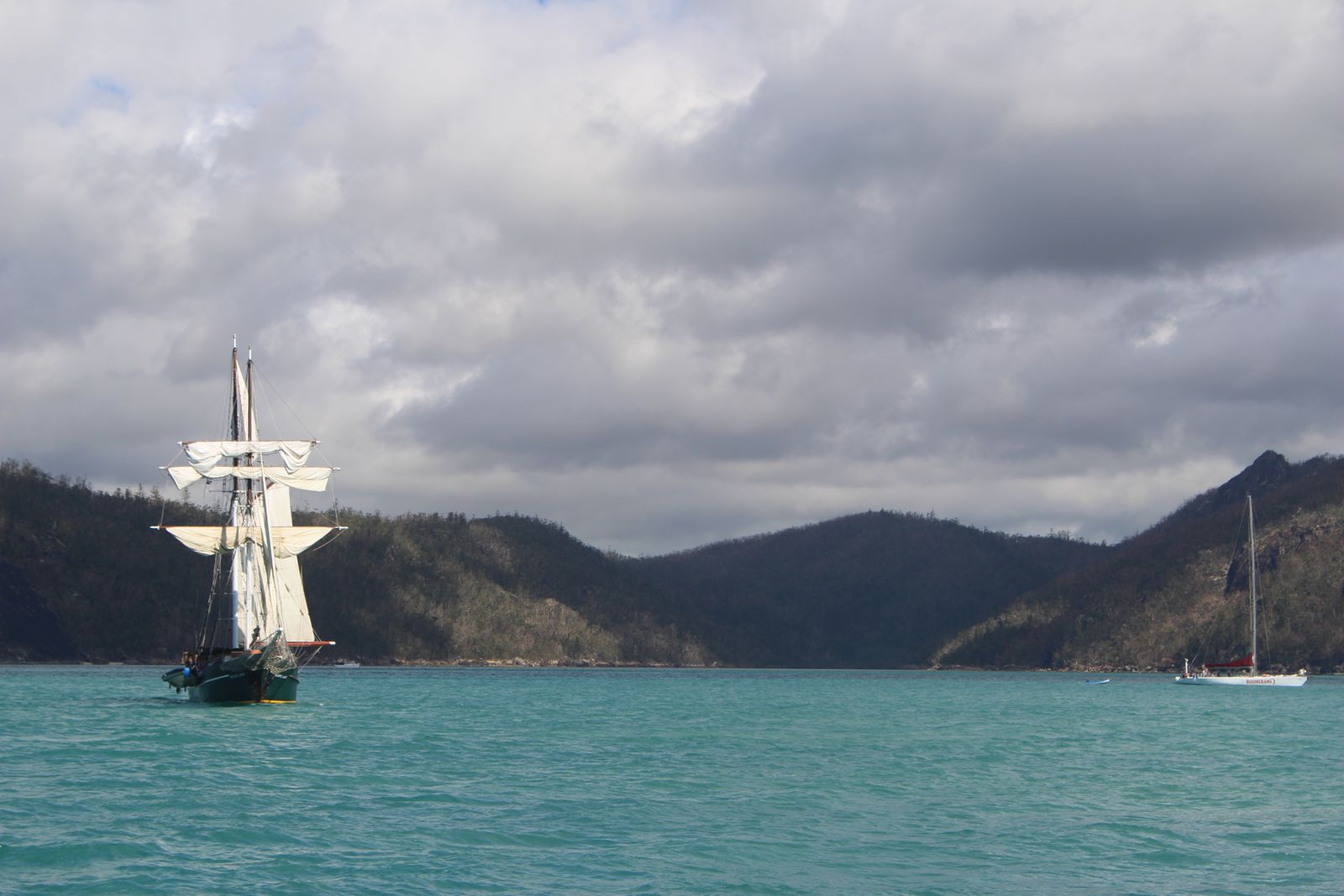
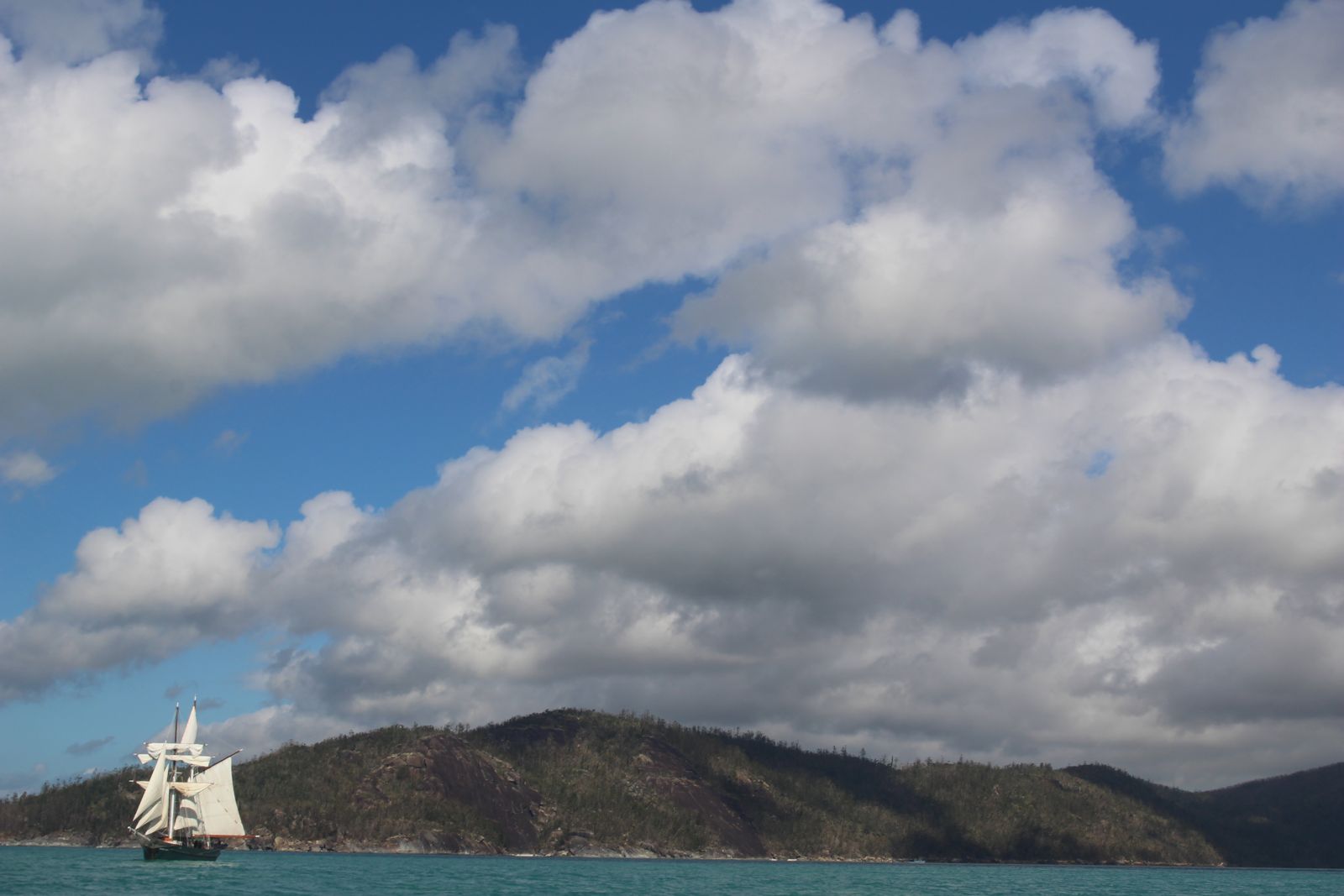
The return to Airlie Beach was on a glassy sea, and we got a taste of the joys of sailing, helping to haul the various ropes and steering at the helm. The skipper wasn't fooled about our abilities and kept a watchful eye. We arrived safely at the end of the day and set off for Townsville almost immediately. While driving, we decided to start looking for work. We had two months of specified work left to do and hoped to find a farm around Cairns. And so as not to lose money, we started looking for a WWOOFing placement.