
 ← PreviousFarm work in Australia: an unexpected experience
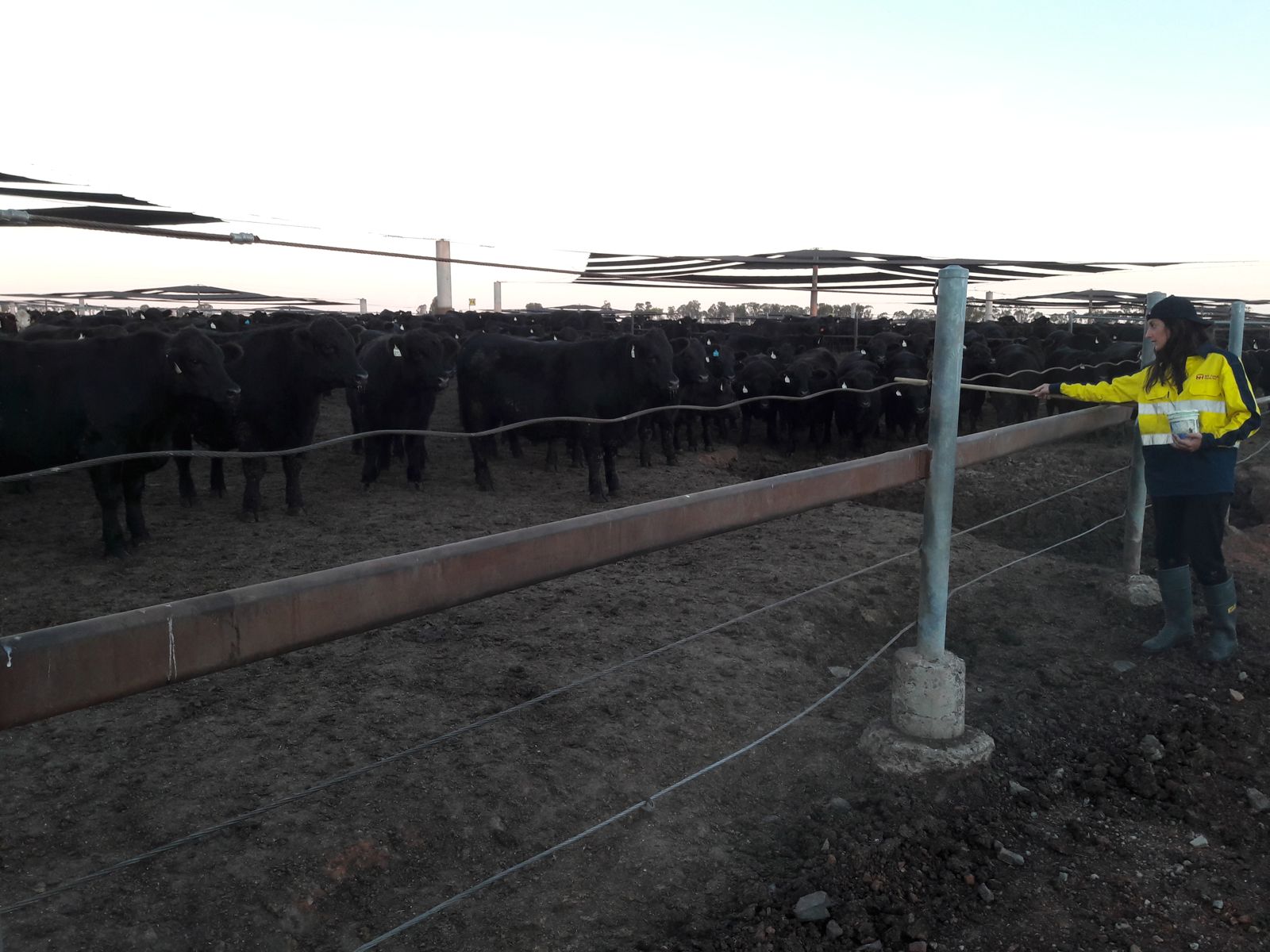
Our favourite days were the ones spent cleaning the water troughs. We'd set off on foot with our brooms, cleaning powder and backpacks. We'd spend the day crossing pens full of cattle to scrub absolutely disgusting troughs. The cattle were extremely afraid of us, and every time there was a round of sizing each other up.
First they'd run away from us, then they'd eventually understand we posed no threat. Then they'd gather around us and the trough and wait patiently for the cleaning to be finished so they could drink fresh, clean water. We went from pen to pen at an easy pace. No one supervised us, and we even wondered what would happen if we had an accident. How long would it take the staff to notice?
We'd sometimes hide away in a corner for an hour. The heat was gruelling and we took regular breaks. Our aim was to finish each day around 5 pm to earn as much money as possible, and we didn't hesitate to milk it.
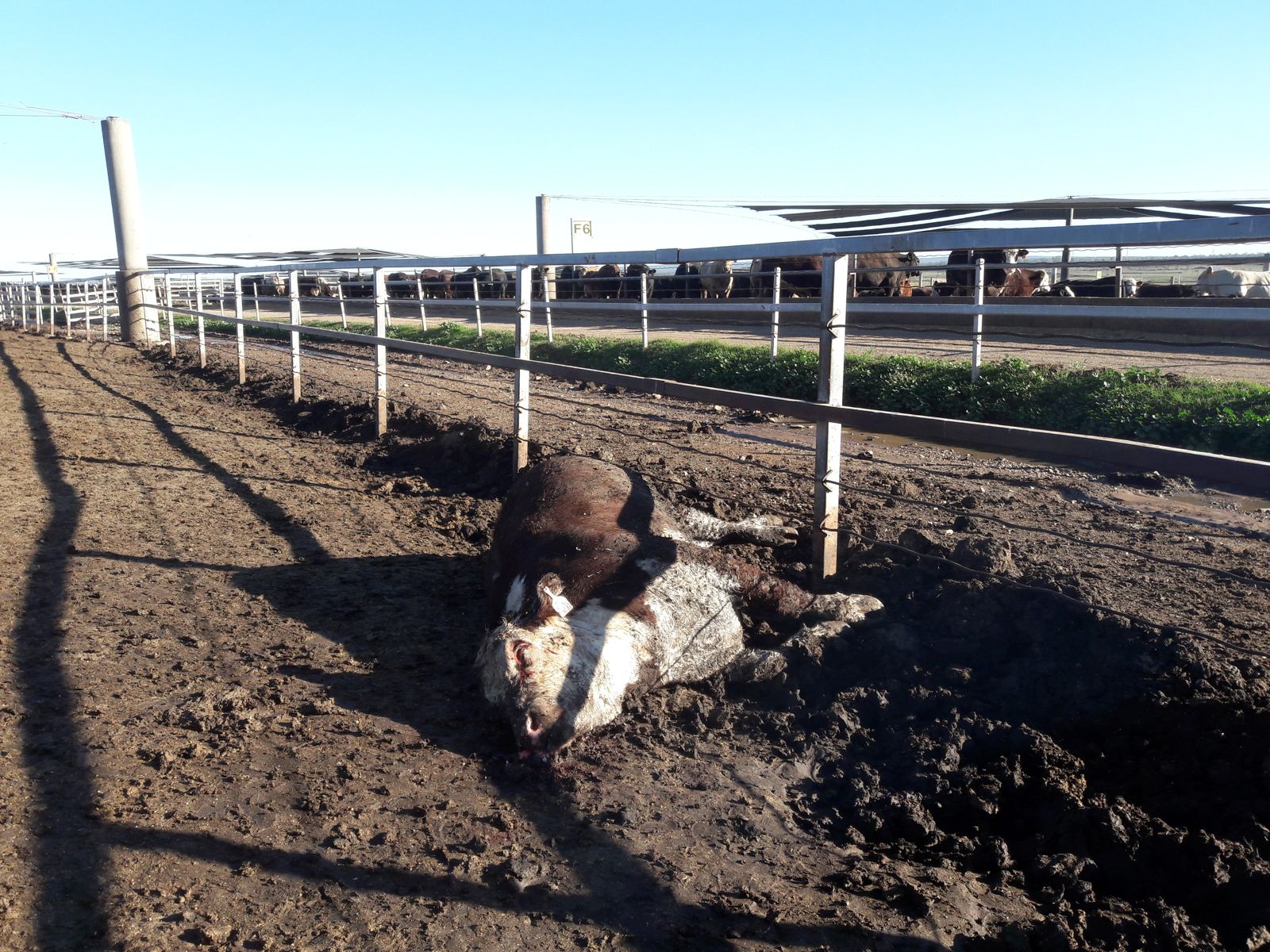
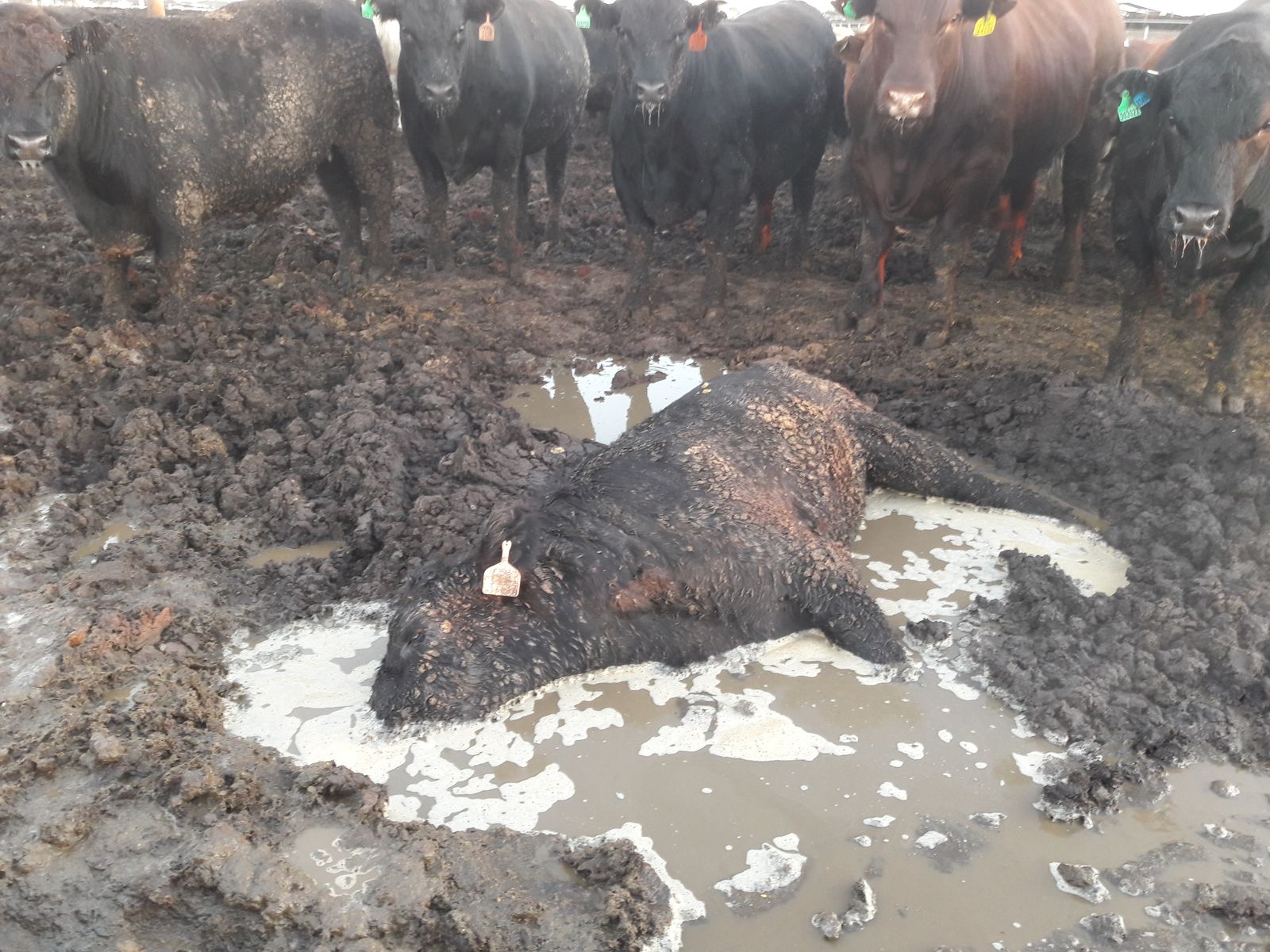
The cattle's living conditions were catastrophic, almost unspeakable. There were far too many per pen and the ground they trod was covered in their own excrement. The water they drank quickly became extremely dirty, and the feed we poured into their troughs stank for miles around. It was really not unusual to find a dead steer in the middle of a pen. One day we even witnessed the terrible sight of an animal that had died in a big puddle of water the others didn't hesitate to drink.
By poking around a bit and asking innocent questions, we learned that the meat was sold mainly abroad, notably in France and Belgium. That didn't reassure us much. Fortunately there was a "vet crew", a team of vets! It was made up of three girls barely twenty years old with no qualifications whatsoever. One fine day they came to get me to help with a task. "You're not squeamish about dead animals?" asked Becky, a young Australian. I confirmed I wasn't and set off with two of the girls in a vehicle to the other end of the farm to do autopsies. Great, I thought. It was very hot outside and I was glad of the chance to go indoors, somewhere that would probably be air-conditioned.
After driving for ten minutes, we came in sight of huge mounds of earth, and in the middle we came face to face with an endless row of dead cattle. The cloud of flies should have tipped me off before we got there, but I was stunned. Out in the full sun and lined up over two hundred metres, cattle lay dead. The autopsy consisted of looking for the cause of death by opening the throat, the spleen and then the stomach, in that specific order. To my great surprise, Becky worked without protection. She wore neither mask nor gloves. I pointed this out, and she replied confidently that it wasn't necessary.
I gathered from her tone that precautions weren't for real workers, that they were for city folk. So with her little knife she pierced the organs. Sometimes a spleen was full of pus, which spurted out as soon as she cut, hitting her in the face. She wiped herself with the automatic gesture of someone used to it and carried on working. She noted her observations in her notebook. I couldn't help reminding her that cattle can carry highly contagious diseases, but she brushed it all off with a shrug. The level of hygiene said a lot about how seriously this operation was run, even though it supplied dozens of countries with meat.
As in every workplace, there were pre-existing social dynamics. We joined them midway and tried to understand the relationships between people. It was of course a very male environment and women were in the minority. We met Danny on the very first day, a smiley young blonde who immediately put us at ease. She lived with Lucy, whose face already bore more scars. You could sense she was withdrawn and pensive despite her apparent kindness.
We soon learned that she was hated by the rest of the staff because she was trying to change attitudes and bring in more humane methods. We suspected management had brought her in specifically for that and was using her as a scapegoat. She was in constant conflict with Murray, one of the managers. Every morning we had to arrive at 5:50 for the meeting he chaired, where he assigned everyone according to needs and his whims.
We'd been on the farm for almost a month, working day after day of more than ten hours, and the atmosphere was becoming gruelling. Seeing the animals mistreated really weighed on our morale, and the feeling of helplessness didn't improve matters. It was Sunday 12 June, and we wanted to hold out until the end of our shift four days later before leaving the place for good, without regrets.
Murray separated us again; he'd clearly understood we didn't like it and probably took a slightly sadistic pleasure in it. I went to dispatch with Danny while Cassandre ended up in the shed, as usual. The atmosphere was more relaxed on my side, but the workload was heavy. We didn't stop for a second and the day flew by. I was in charge of moving the day's 600 cattle through the little maze that led them to the weighing station.