 ← PreviousOn the plantation road: Oak Alley and Laura
Tuesday 12 March
For a French person, Louisiana is somewhat unsettling. You come across street names that sound like home, bilingual signs, families called Thibodeaux, Broussard or Landry, and yet you are right in the heart of the United States, among the pick-ups and drive-ins. In our rental car we headed west, looking for the French-speaking Louisiana we had heard so much about.
Lafayette presents itself as the capital of Acadiana, the part of Louisiana where French can still be heard. Its story begins far from here, in Nova Scotia: in 1755 the British deported the Acadians who refused to swear allegiance to the Crown. This was the Grand Dérangement, a tragic saga that scattered thousands of families along the Atlantic coast. Many ended up settling in the Louisiana bayous, under Spanish rule at the time, where “Acadiens” gradually became “Cadiens”, then “Cajuns”. Their French survived for two centuries before being banned in schools at the beginning of the twentieth century. Today it is enjoying a timid revival, carried by music and a few immersion schools.
Villages of yesteryear
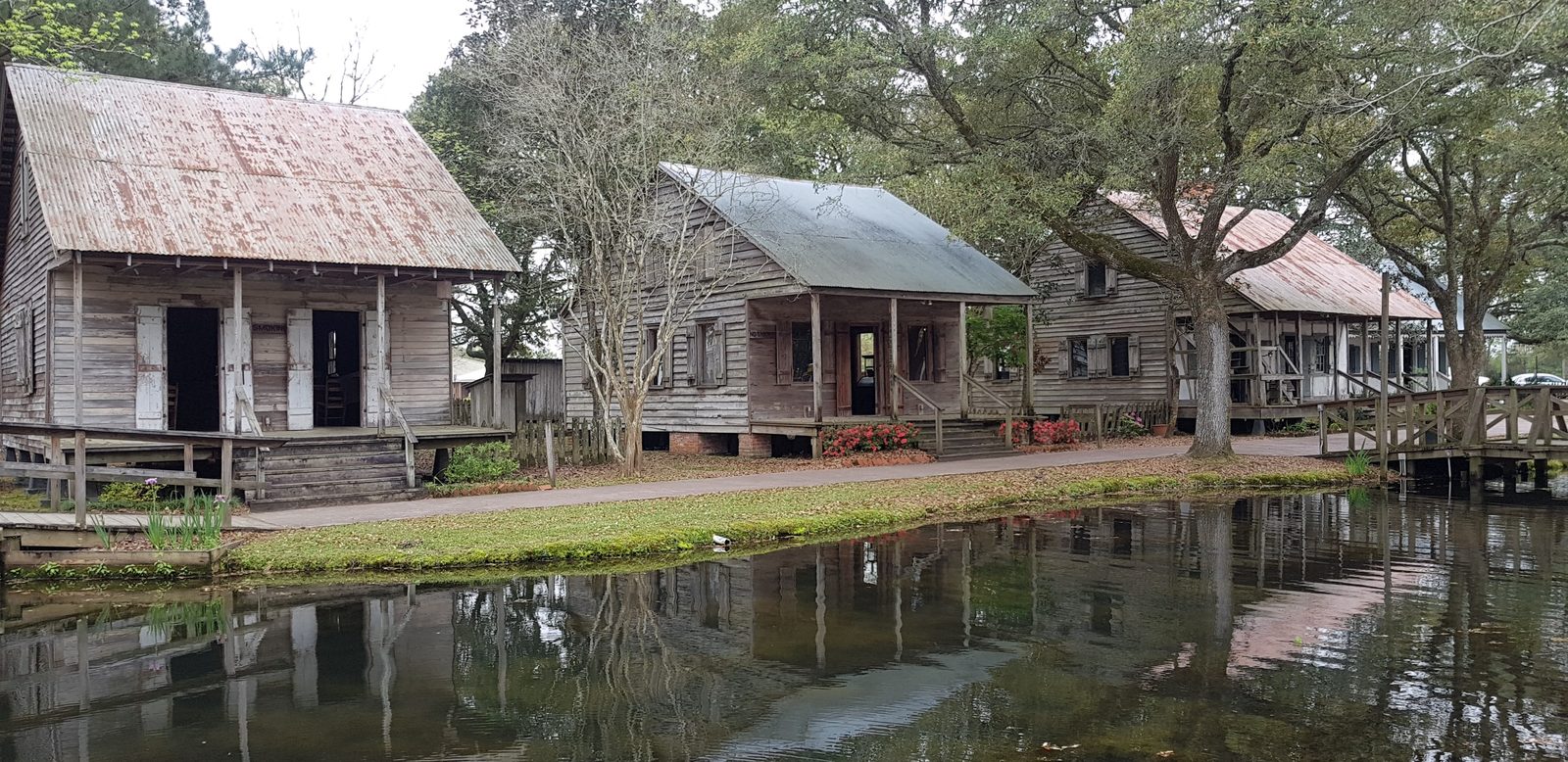
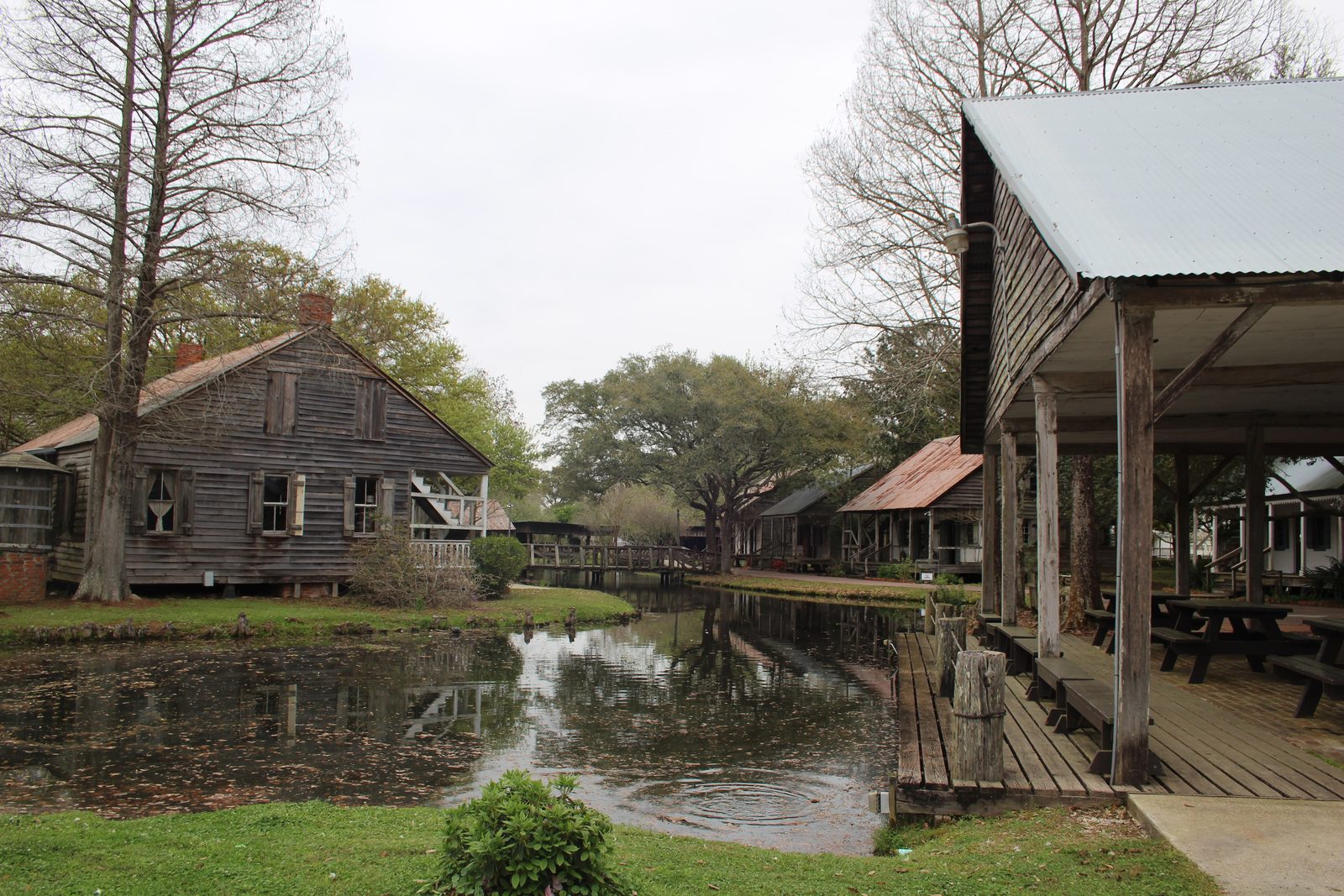
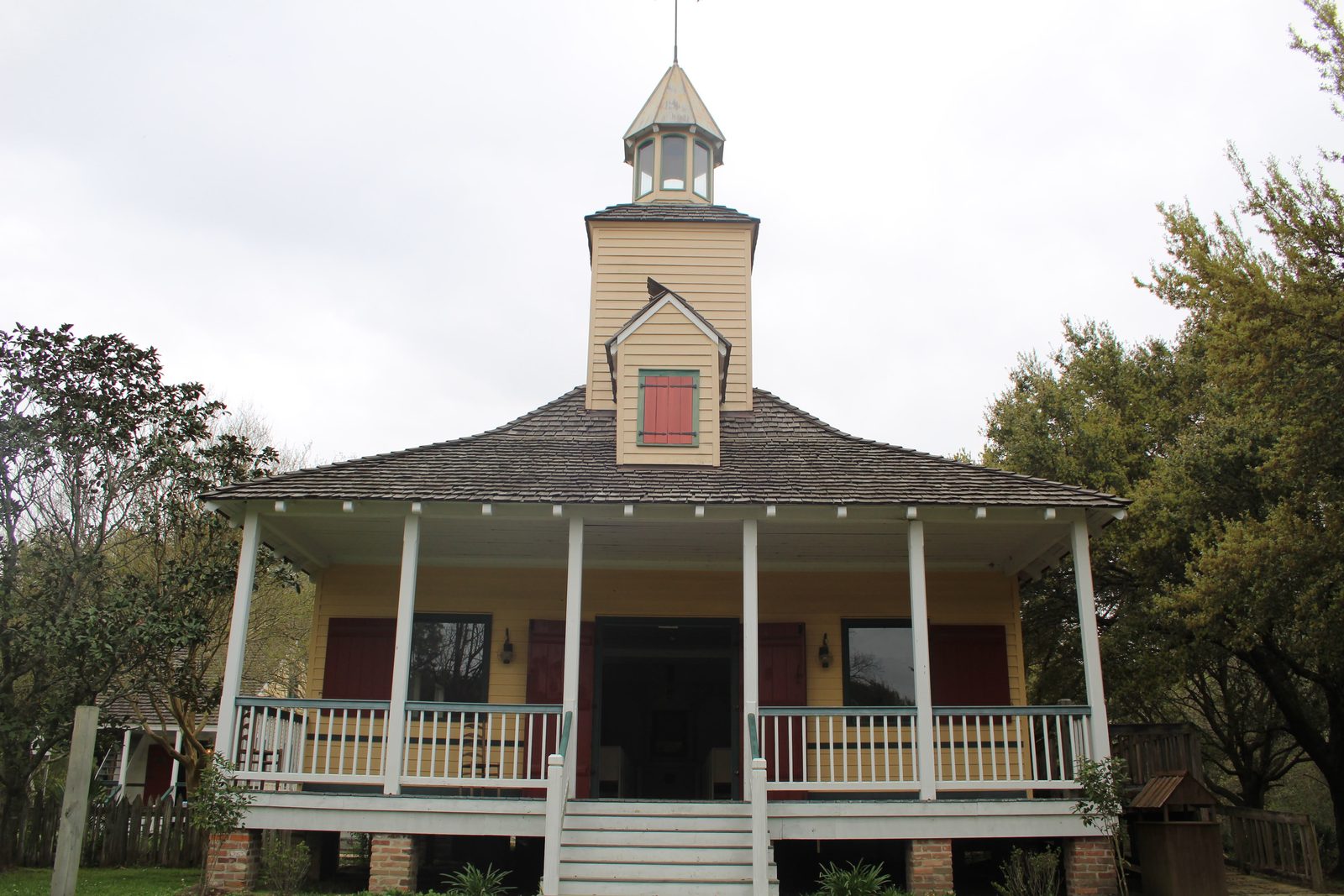
We started with the Acadian Village, a reconstructed hamlet on the edge of a small bayou, with nineteenth-century houses moved there plank by plank. Rusty tin roofs, wooden galleries, footbridges over still water reflecting the cypresses: it was easy to imagine the life of Cajun families, between fishing, cotton and Sunday mass in the little white chapel. The place was almost deserted and the silence was broken only by the creaking of the planks under our feet.
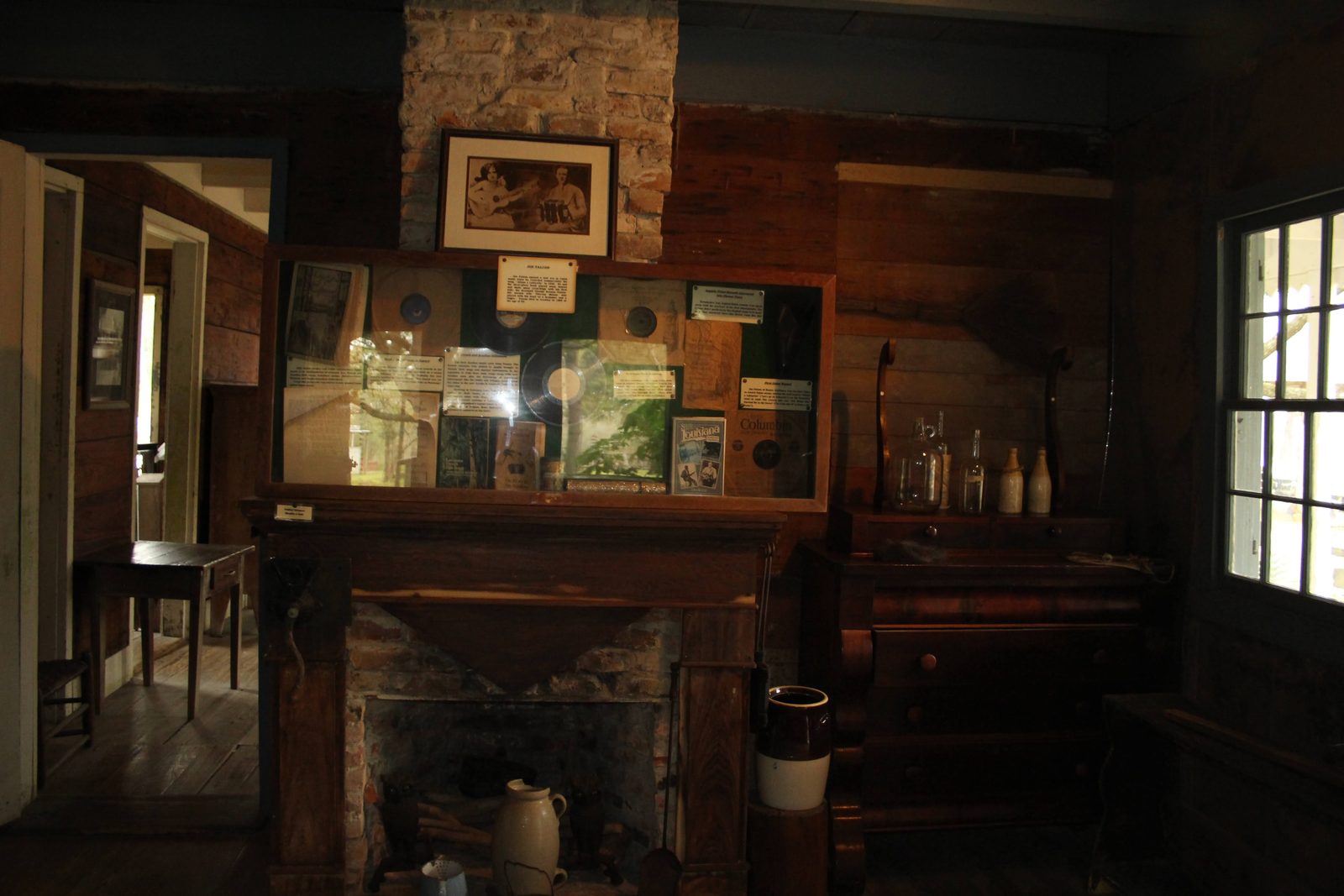
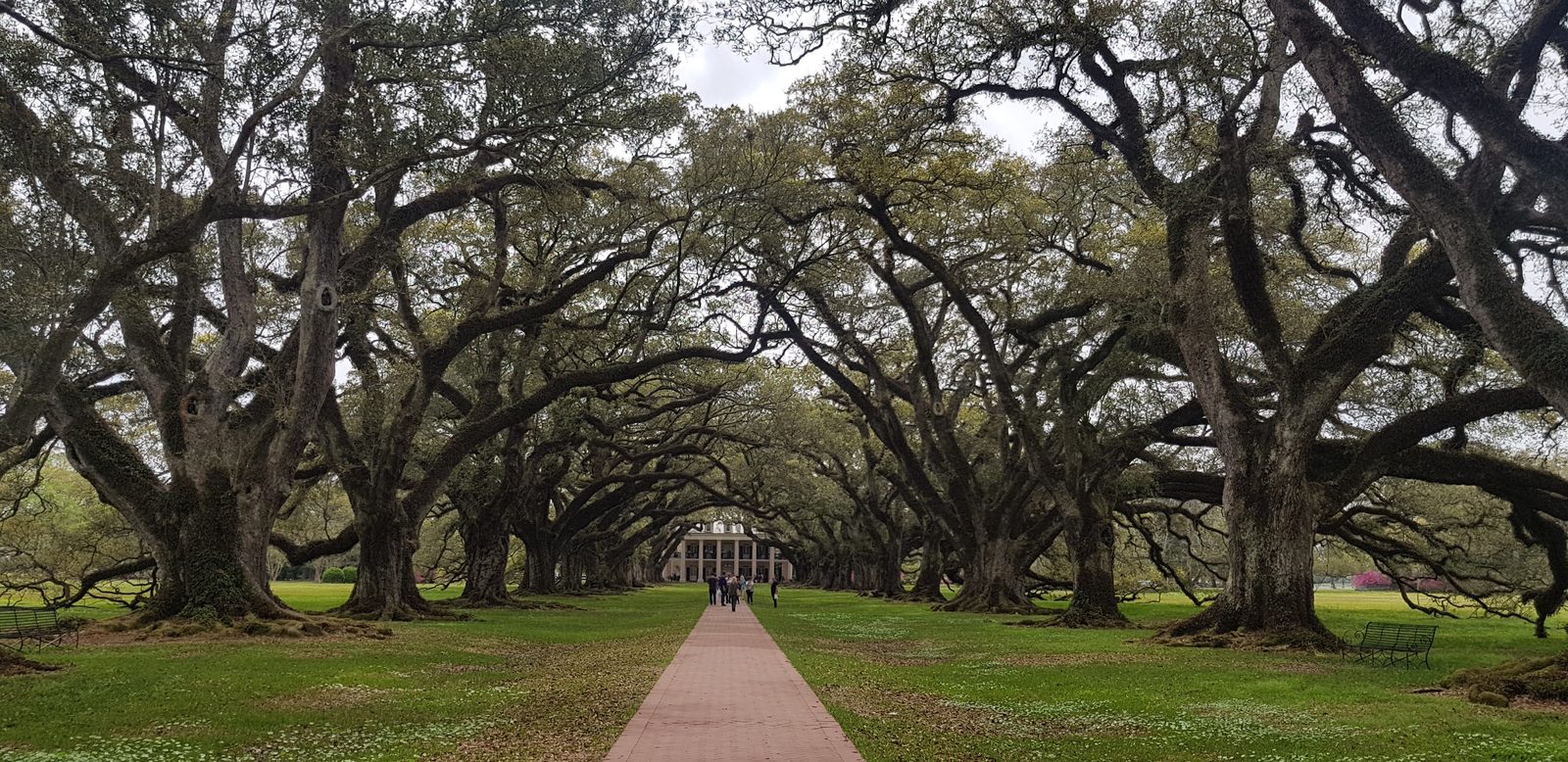
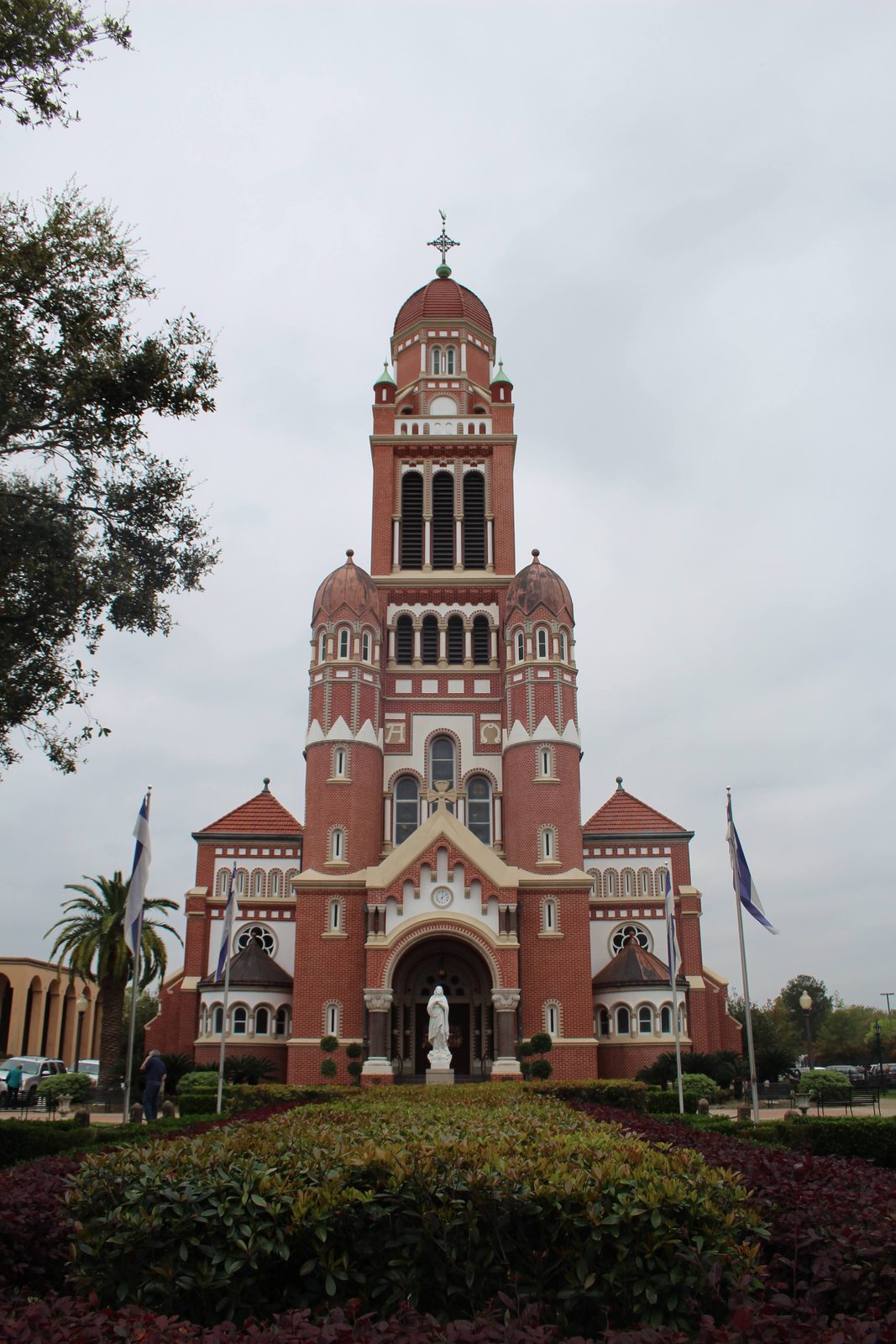
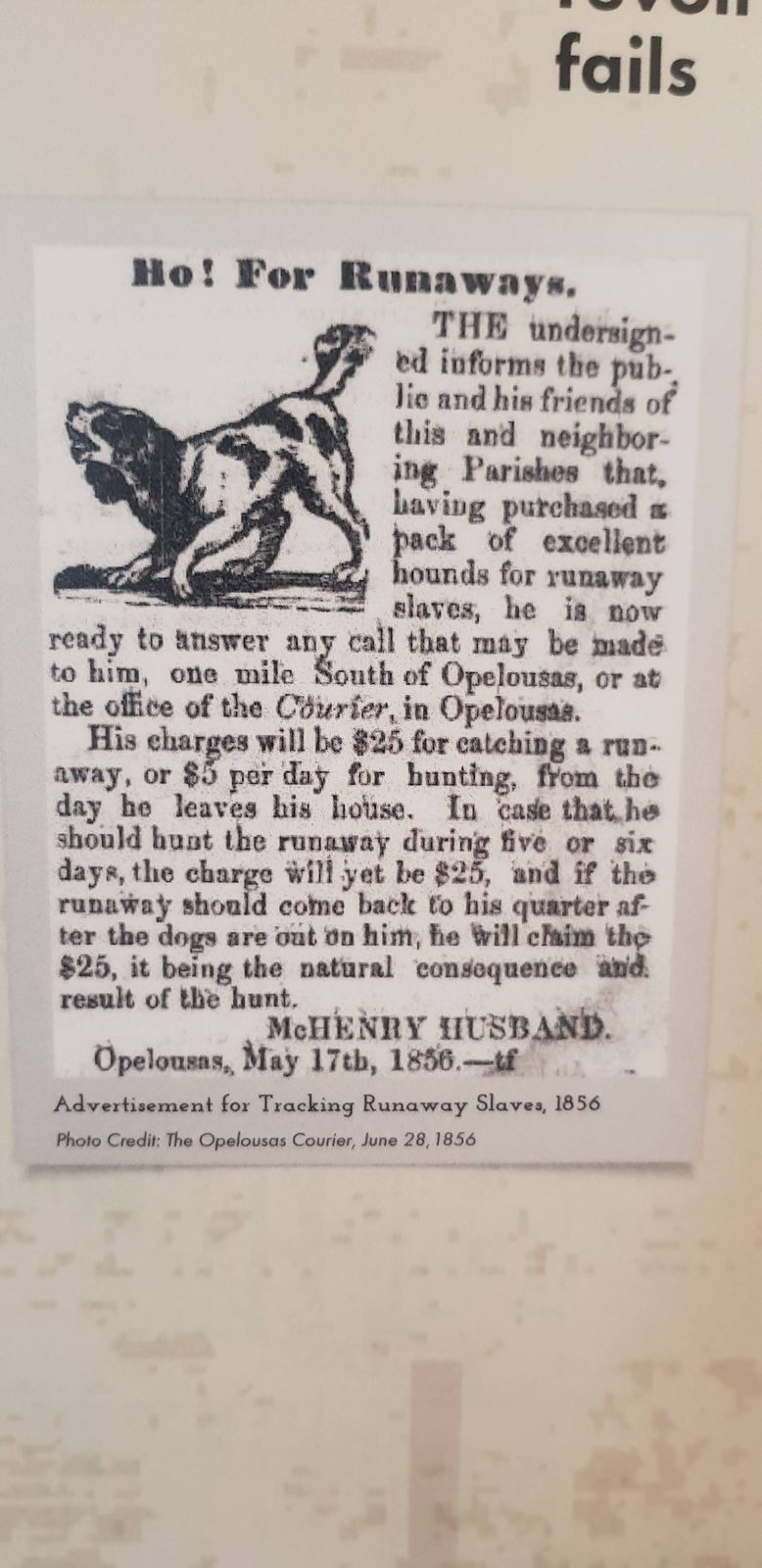
After a stop in front of St. John's Cathedral, a large red-and-white brick building, we spent the afternoon at Vermilionville, a living museum where craftspeople in costume spin wool and cook as in the days of the first Acadians, Creoles and Native Americans of the region. A poster there recalled the dark side of this history, as if to stop us idealising this bucolic past too much: an advertisement published in 1856 in the Courier of Opelousas, in which a man offered his pack of dogs to hunt down runaway slaves. Twenty-five dollars per fugitive caught, five dollars per day of hunting. The day before, at Oak Alley, we had seen the names. Here, it was the price.
The bayou by boat
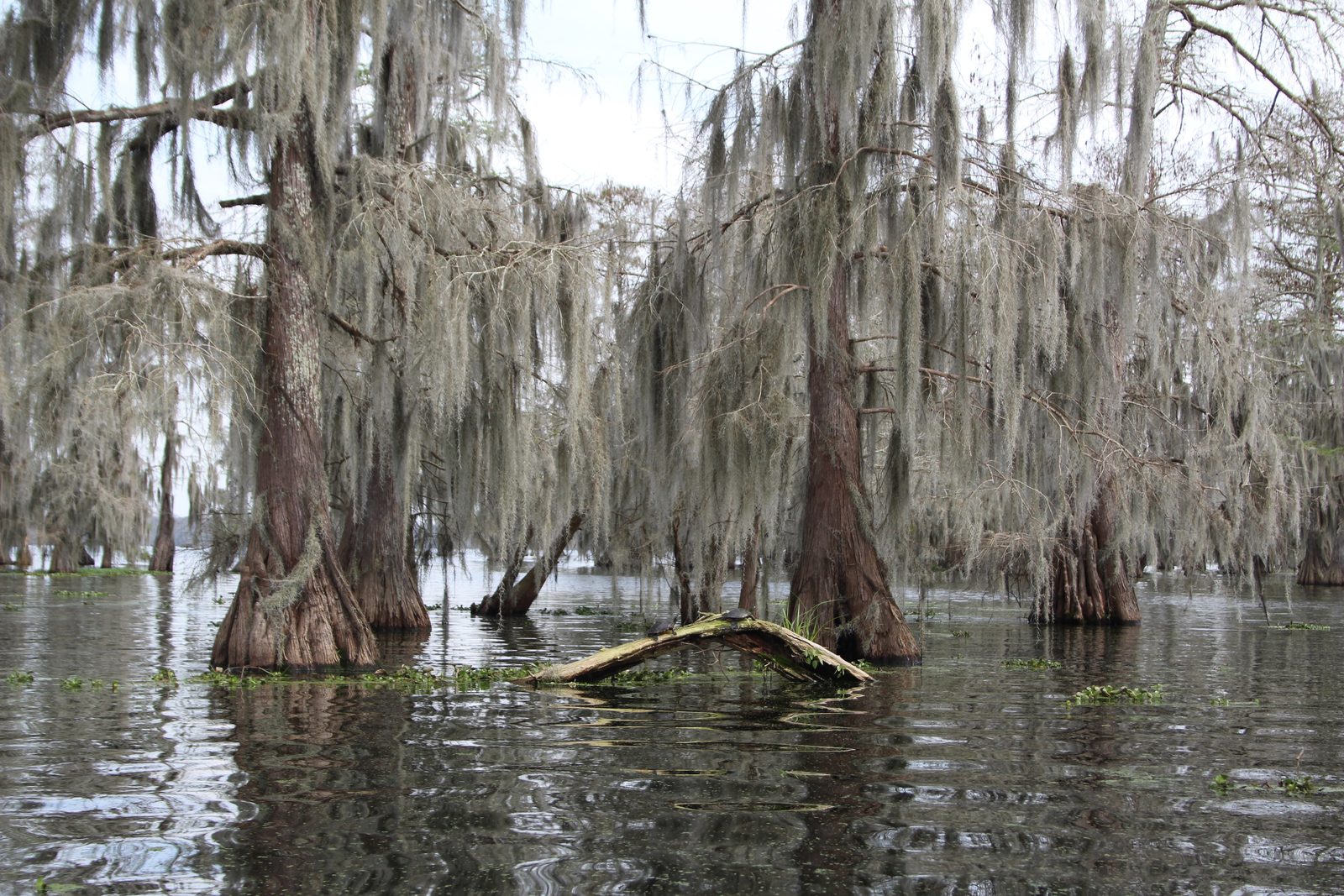
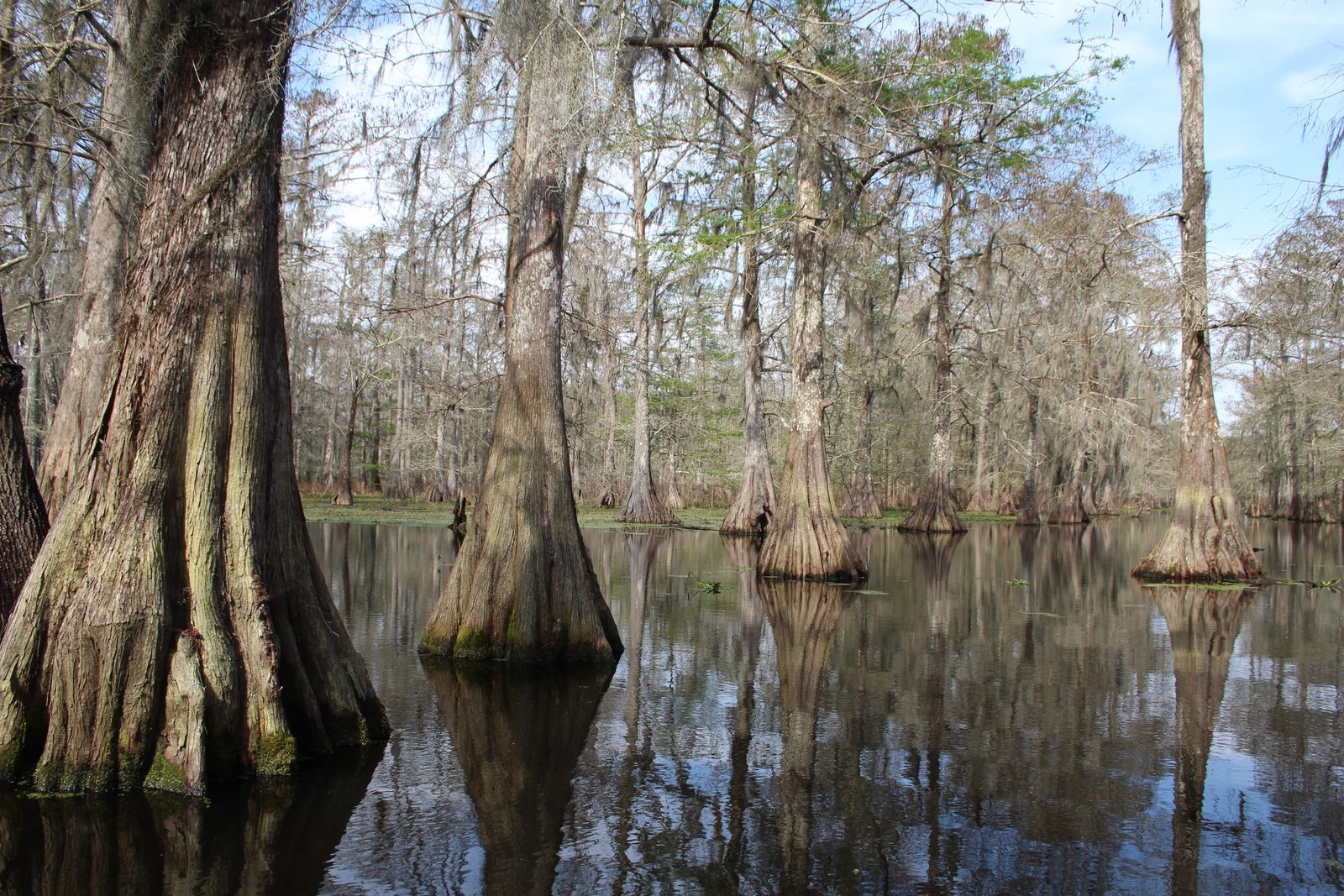
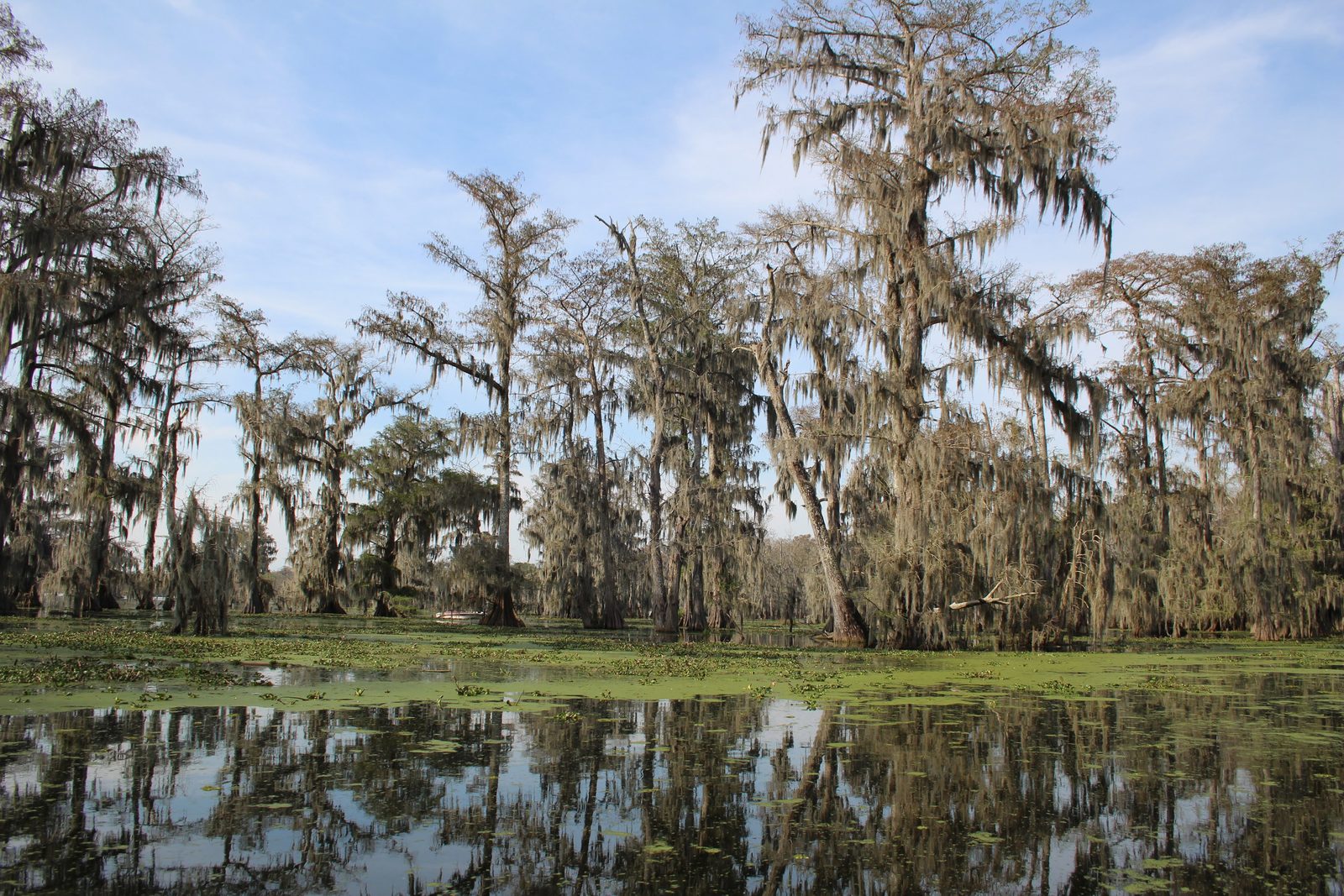
The end of the day was spent on the water. Our little boat glided between the bald cypresses, whose flared trunks plunge straight into the swamp, beneath curtains of Spanish moss. The water, covered in places by a carpet of green duckweed, reflected everything like a mirror, to the point where you no longer quite knew where the tree ended and its reflection began. An alligator was warming itself on the bank, motionless, pretending not to see us, and turtles were lined up on a fallen trunk like passengers on a station platform. The silence was broken only by the engine and the cries of the birds.
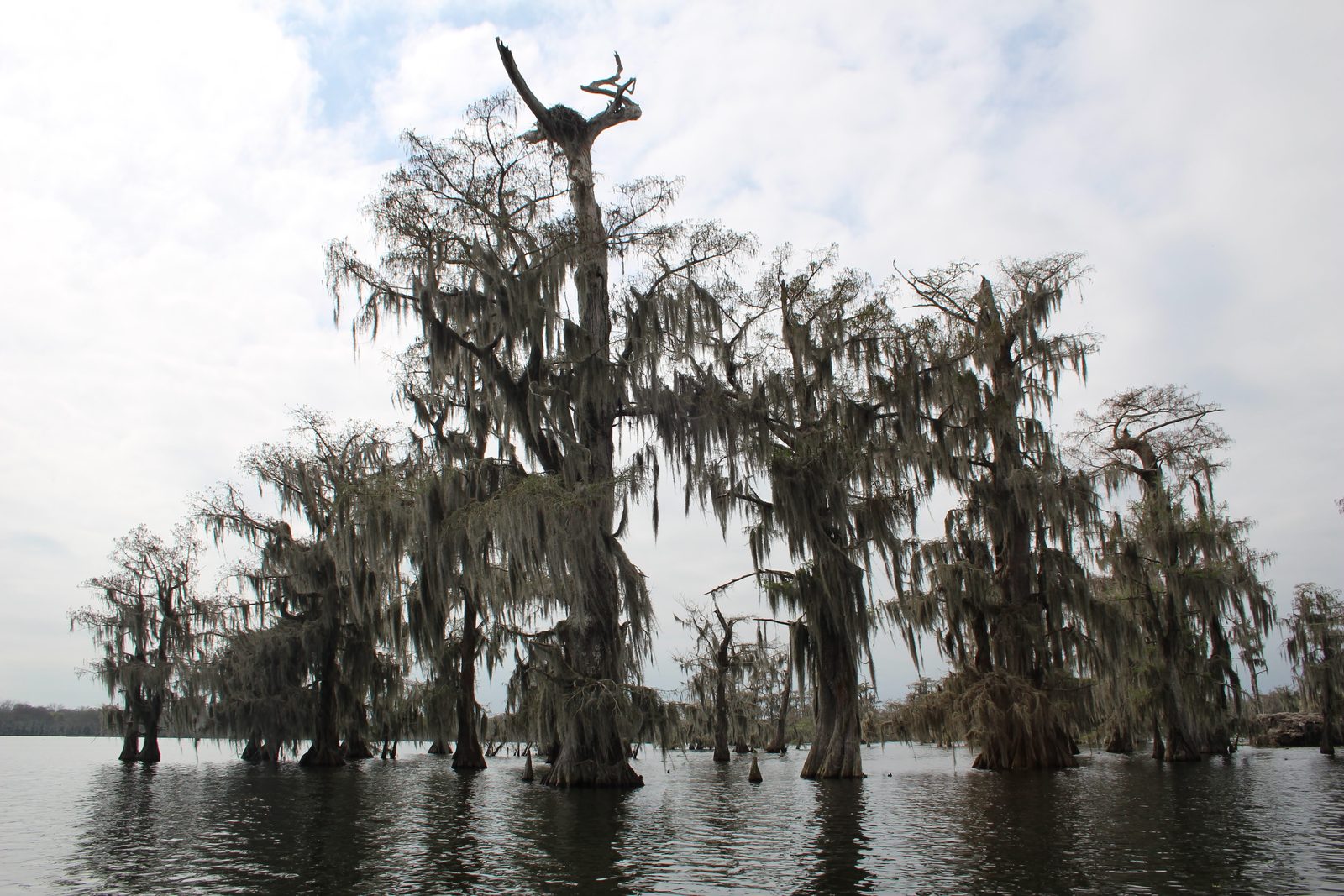
It is in places like this that you understand Louisiana better than in any museum. A land of mingled water and earth, where nothing is quite solid, where the borders between languages, peoples and eras seem as blurred as those between the swamp and the forest. We then took the road back to New Orleans, our heads full of cypresses. The next day, a plane was waiting to take us to Colombia, with a stopover in Orlando.