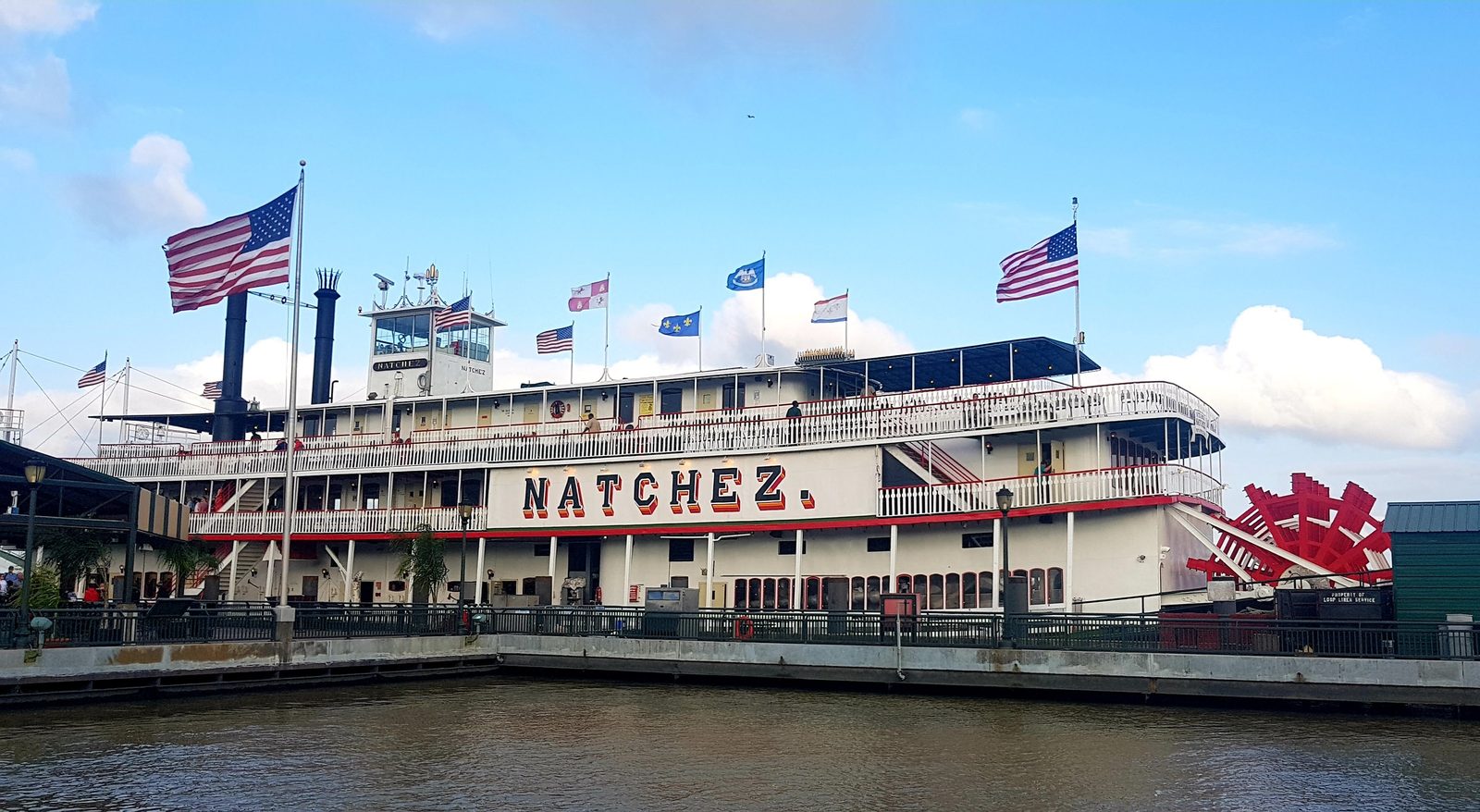
 ← PreviousBetween the oaks of City Park and the Mardi Gras floats
Monday 11 March
You can't claim to understand Louisiana without looking squarely at what it was built on. Postcards happily sell the big white columned houses, the crinoline dresses and the mint juleps on the veranda. They generally forget to mention who kept it all running. To go further, we had rented a car for several days, and at around ten in the morning we left New Orleans with one idea in mind: to visit the key sites of slavery.
Heading up the Mississippi to the west, the River Road unrolls its sugar cane fields and refineries between the levee and the bayous. The landscape is flat, almost monotonous, dotted with the chimneys of petrochemical plants that have grown where the fields used to be. It was on this strip of land that, in the nineteenth century, the great plantations lined up that made Louisiana's fortune, and the misery of those who worked on them. After the crowded buses of Jefferson, driving these straight, empty roads among a few giant pick-ups was rather restful.
The oak alley
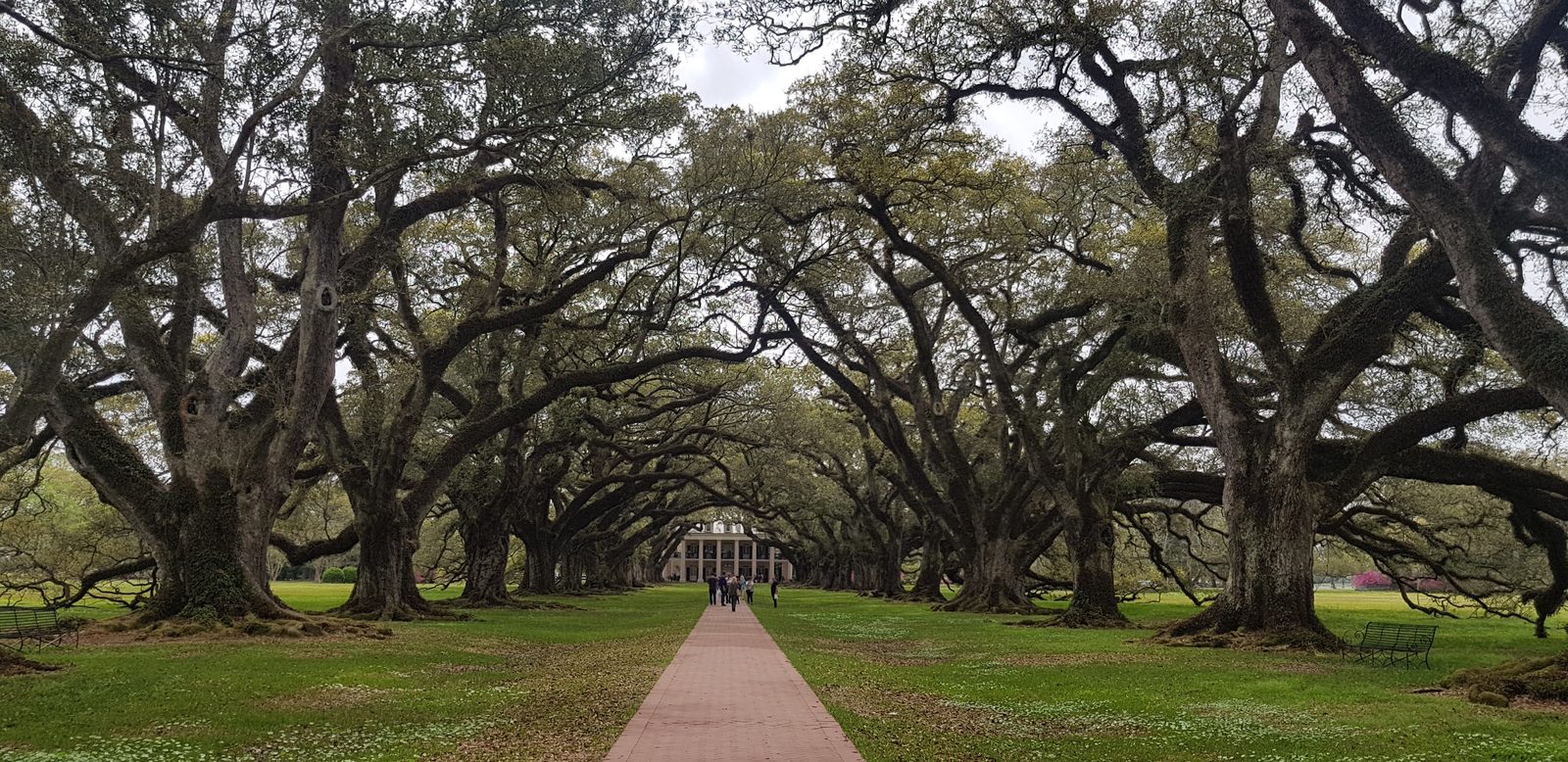
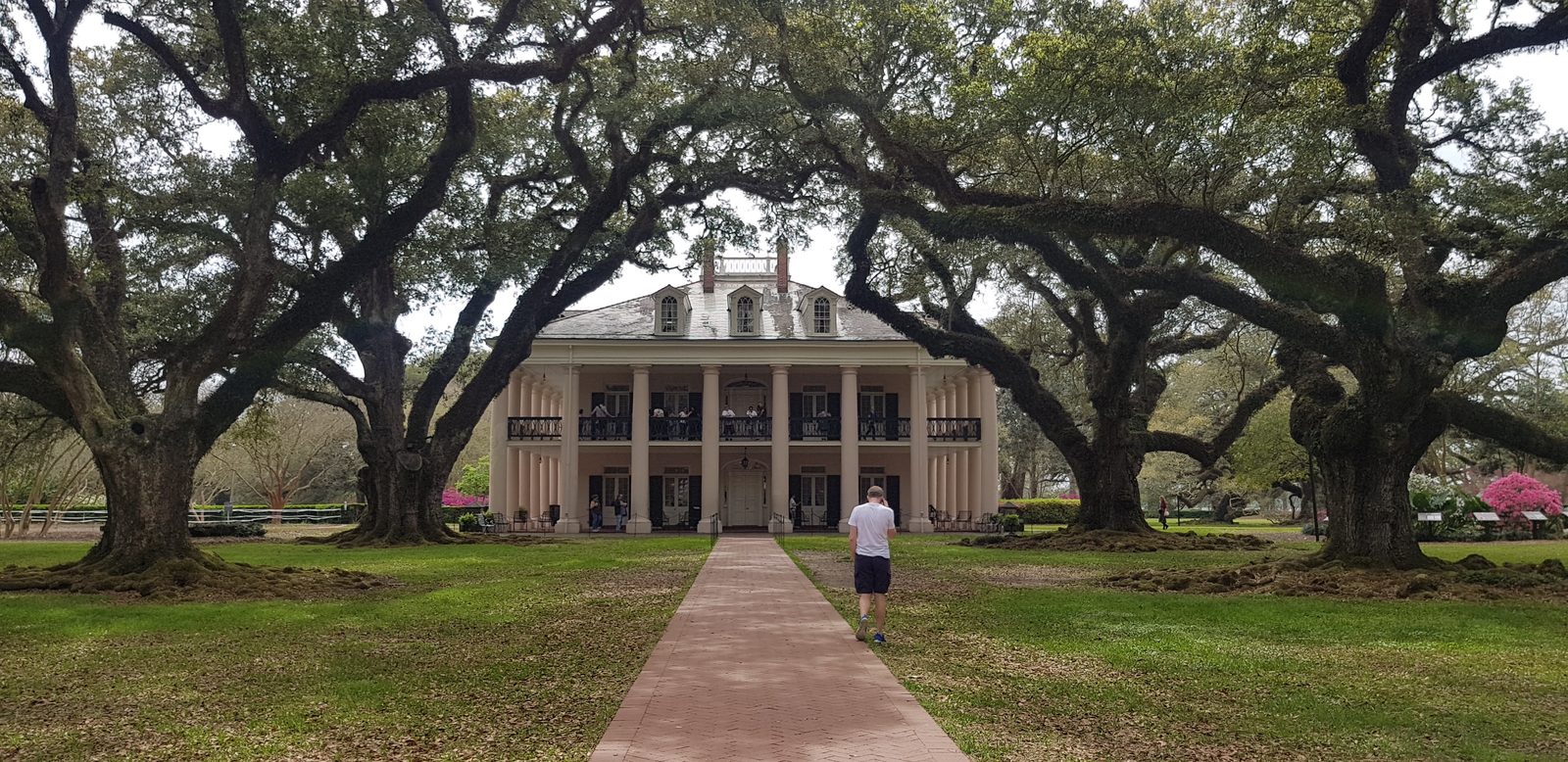
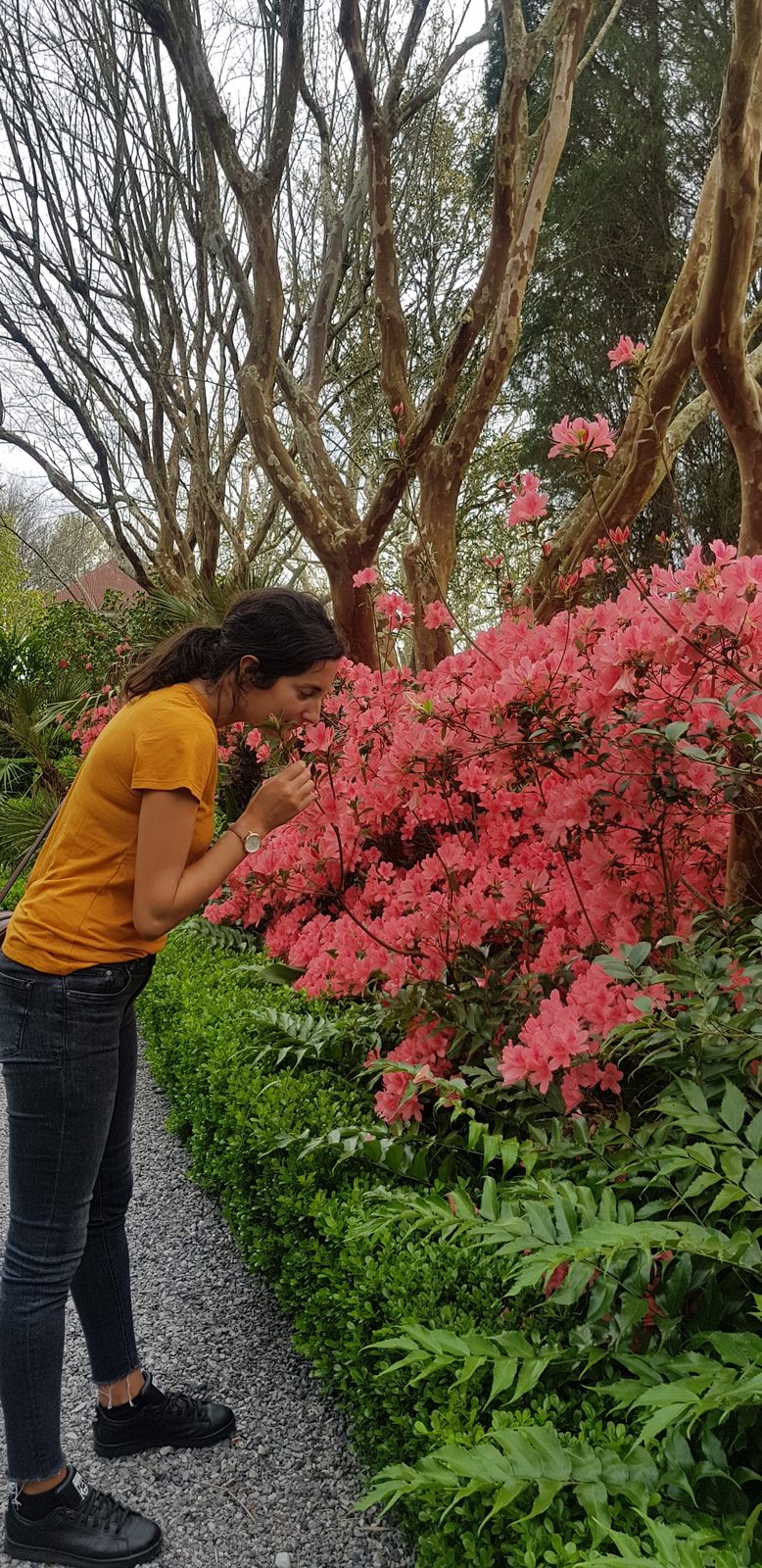
At Oak Alley, everything begins with the alley. Twenty-eight live oaks, planted in the early eighteenth century, long before the house, form a vault nearly four hundred metres long leading to the columned mansion built in 1839. Nobody really knows who planted them or why, and perhaps that mystery is what makes them so fascinating. You walk along the brick path looking up at the twisted branches, and the house slowly grows at the end of the green tunnel, exactly as in the films shot there. The azaleas were in bloom, an almost unreal pink under the grey sky, and Cassandre stopped to breathe in their scent.
But the beauty of the place doesn't make you forget what it was, and it is to the plantation's credit that it hasn't hidden it. Behind the house, reconstructed cabins tell the story of the estate's enslaved people, their endless days in the cane fields, the families split apart by sales. A wooden wall bears their names, handwritten: Françoise, Victorine, Adélaïde, Pierre, Jean Louis… Hundreds of first names, often French, reminding us that this history was not only American. As in Bogotá a few days later, we were going to learn far from home things that people prefer to keep quiet about in France.
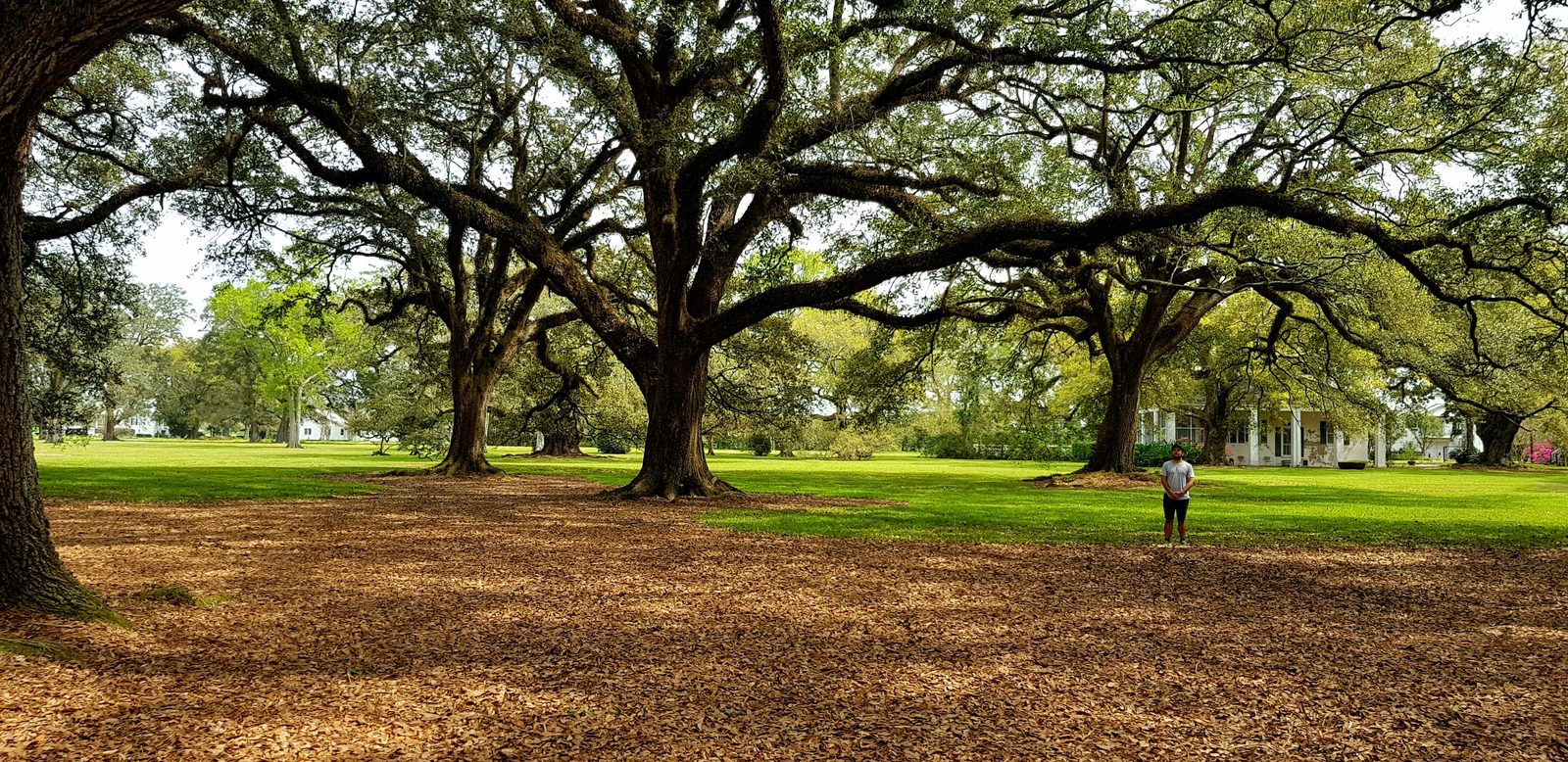
The visit was very surprising, fascinating even, but the context had something stifling about it. You don't stroll around a place like this as you would an ordinary garden. There was a strange gap between the softness of the setting, the flowers, the birds, the filtered light under the oaks, and the violence of what had happened there. We came out a little silent, feeling as though we had walked through a film set whose backstage had finally been revealed.
Laura, the Creole plantation
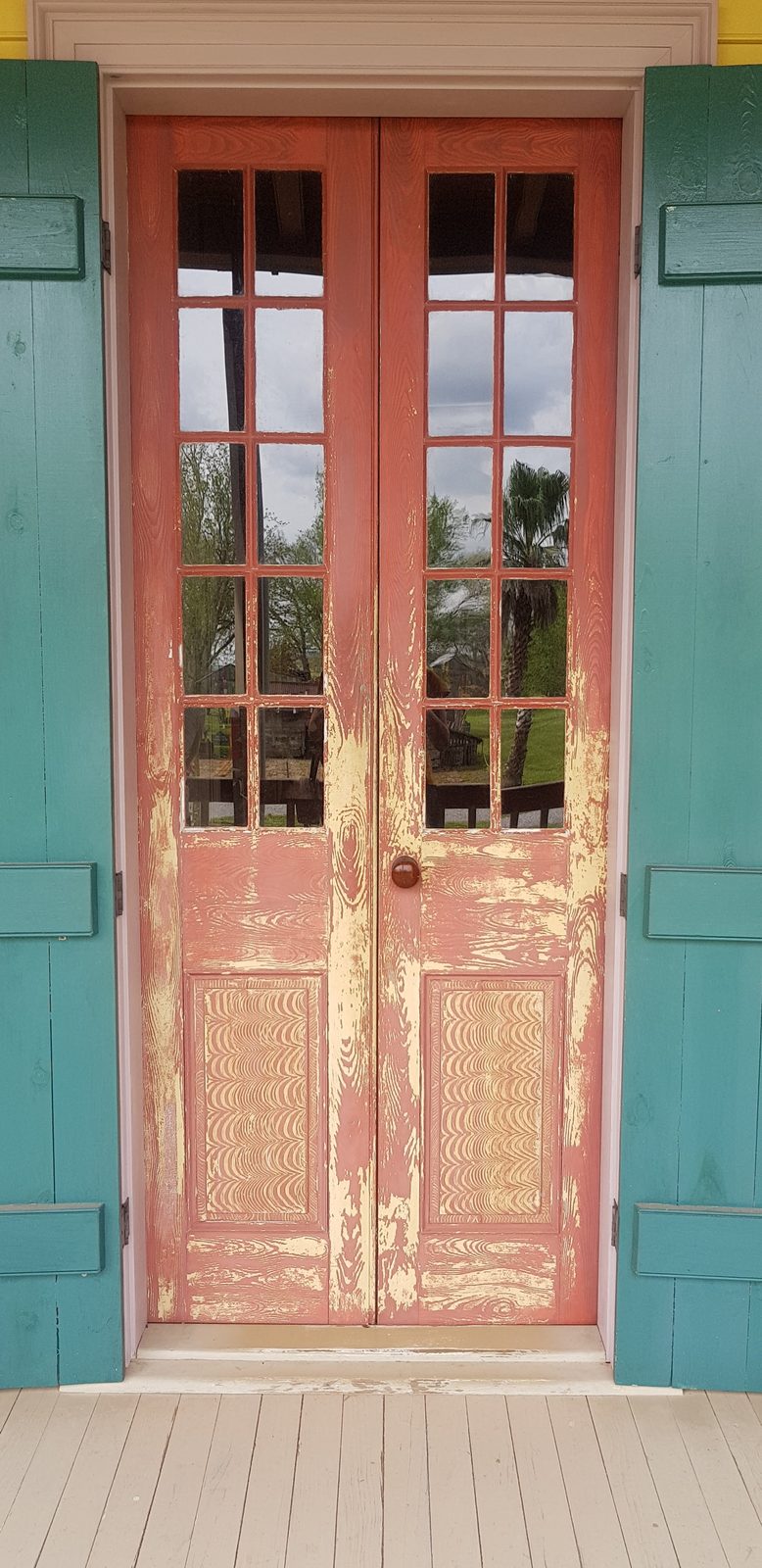
A few kilometres further on, the scenery changed completely. With its yellow facade, red doors and pale green shutters, the house at Laura looks nothing like the white columns of Oak Alley. It is a Creole plantation, run for four generations by women, including Laura Locoul, who told its story in her memoirs. French was spoken there long after Louisiana was sold to the United States, and the Creoles looked down on the Americans who had arrived after them.
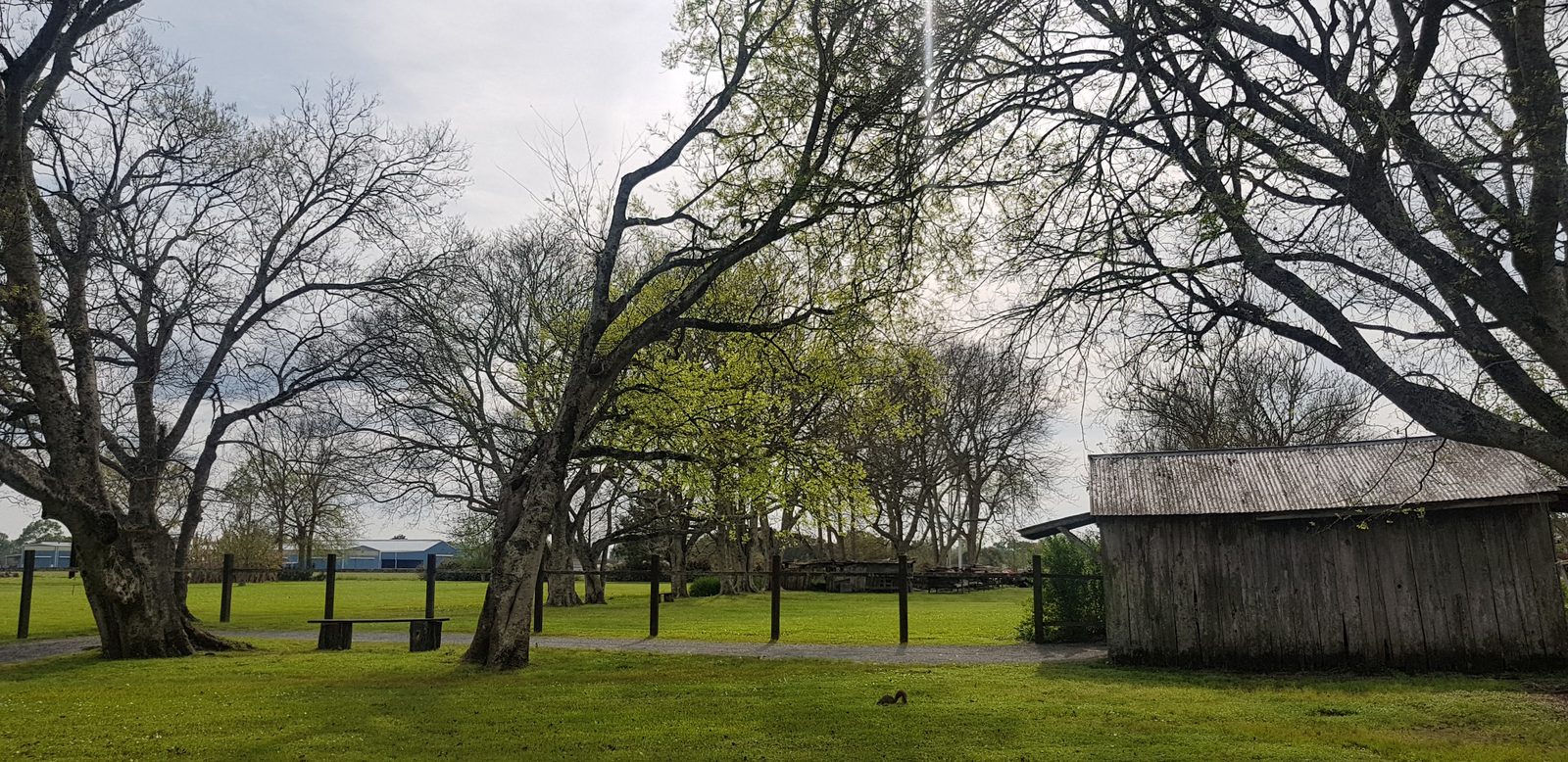
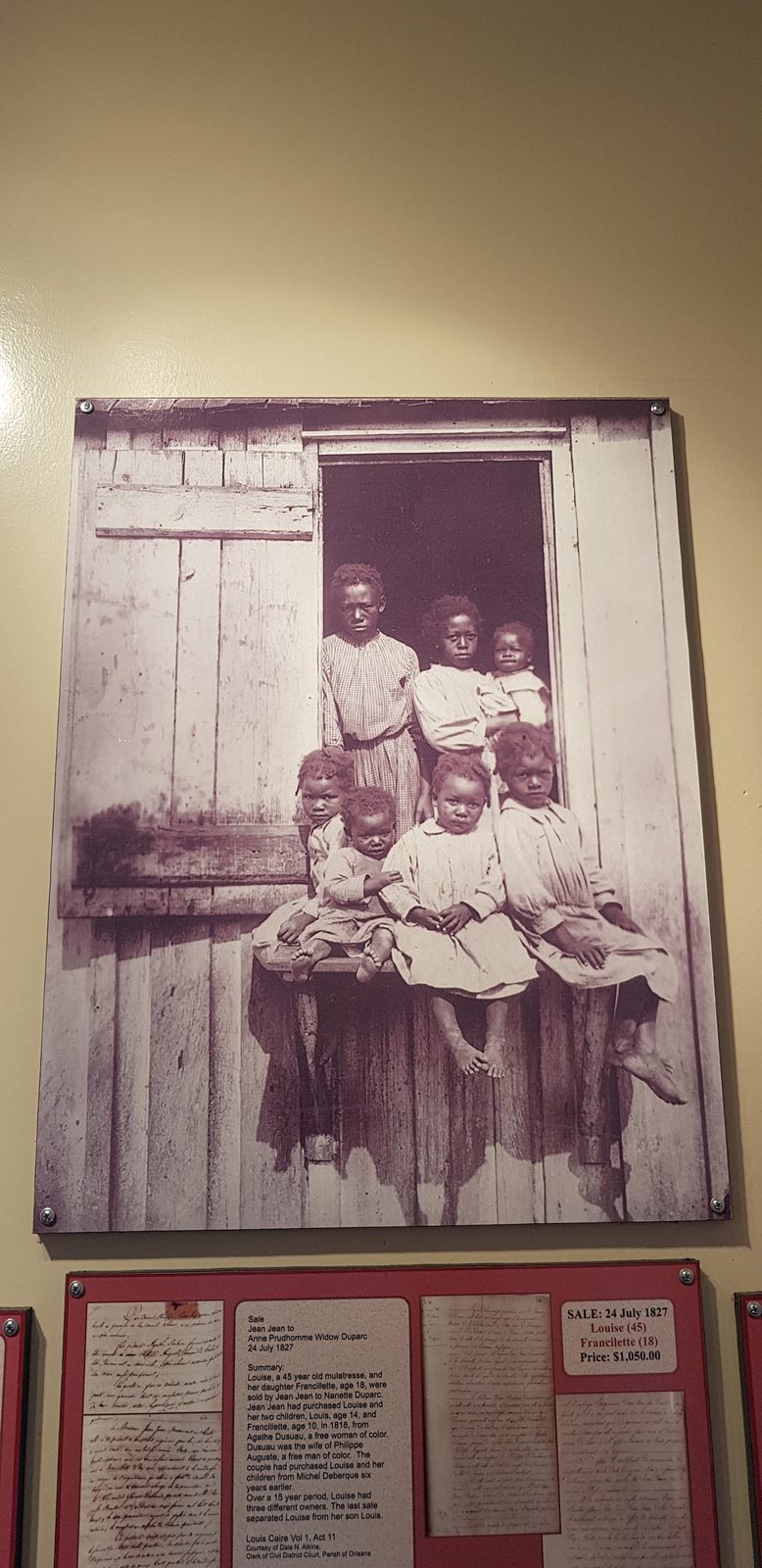
It was also here that, at the end of the nineteenth century, the tales of Compair Lapin were collected, brought from West Africa by enslaved people and later turned into Br'er Rabbit, which Disney then popularised without dwelling too much on their origins. At the far end of the estate, under trees still bare, the slave cabins are still standing, and old photographs show the children who grew up in them, long after abolition, in conditions that had not changed much. Those faces stared at us from their frames and it was hard to hold their gaze.
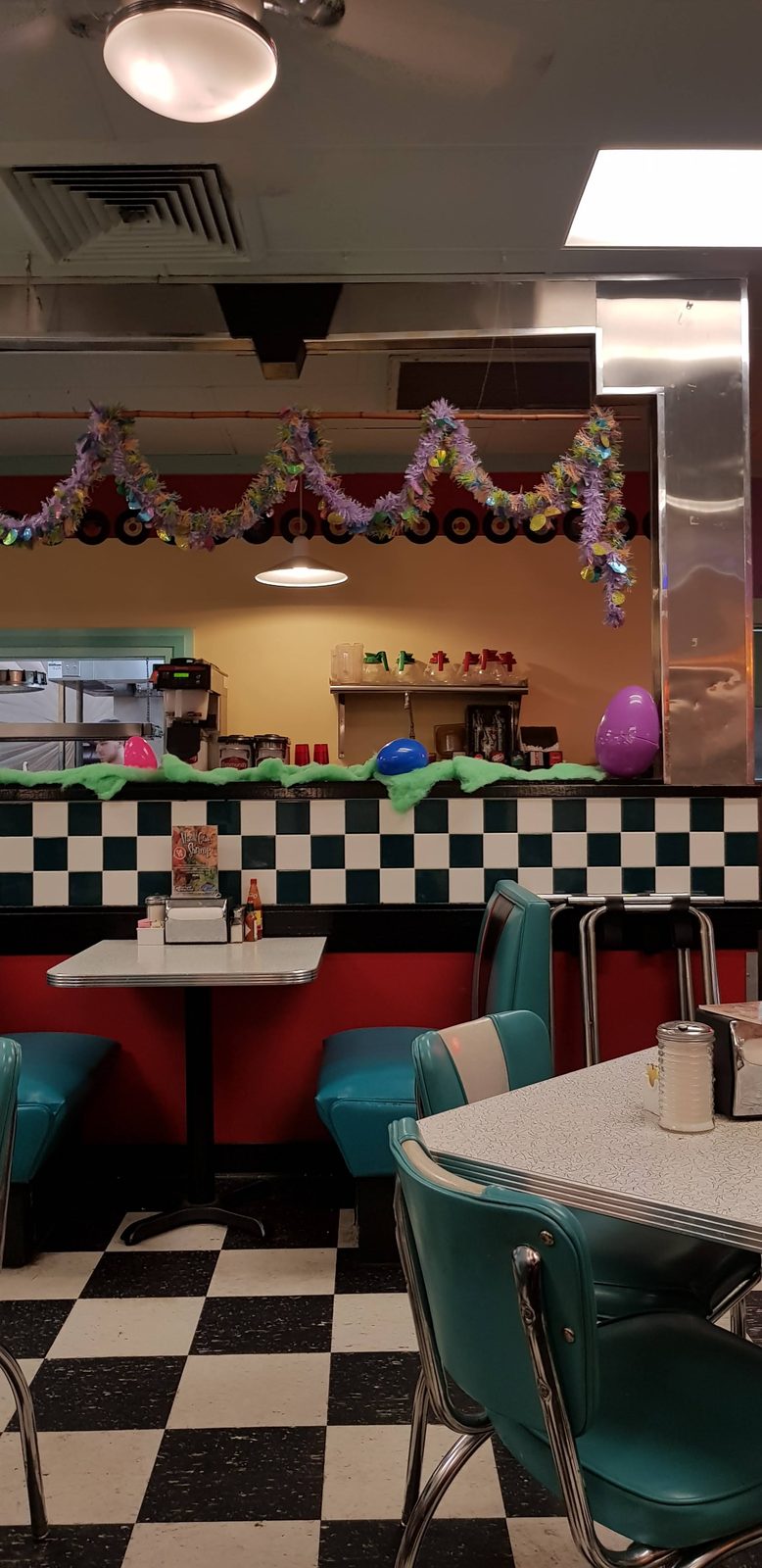
In the evening we ate in a diner with turquoise booths and a checkerboard floor, like something out of a fifties film. After such a day, this backdrop of carefree America felt a little ironic. For the night we went to an Airbnb, as we did for almost our entire stay in Louisiana.