 ← PreviousA trip to New Orleans: local culture and authenticity
Saturday 9 March
Some cities you discover by rushing from one monument to the next, and others force you to slow down. New Orleans clearly belonged to the second kind. As on the previous days, we set off from Jefferson, our suburb with no particular charm but full of life, and took the bus then the streetcar among people heading to work or to do their shopping. We loved these rides. Half an hour with your nose against the window taught you more about a city than a whole day of organised visits.
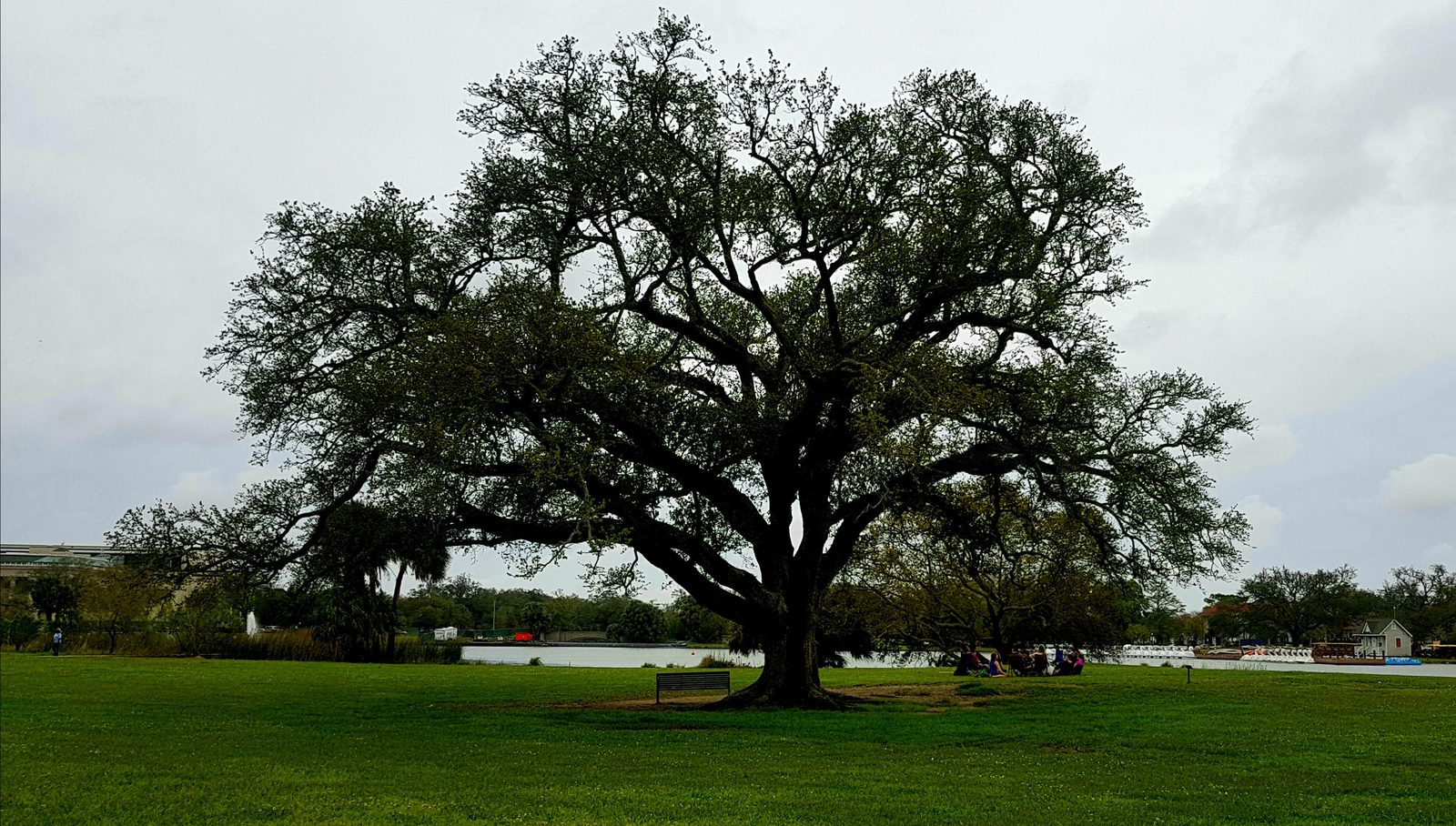
Our first stop was City Park. The park covers more than five hundred hectares, more than Central Park in New York, as locals never fail to point out with a certain pride. Above all it is home to one of the largest collections of live oaks in the world, some of them several centuries old. Their branches spread out horizontally, so heavy that they end up touching the grass before heading back up to the sky, and the Spanish moss hanging in grey garlands gives them the look of old sages who have seen it all. Under the overcast sky, the place felt suspended, as if time passed more slowly there than elsewhere. We wandered with no particular aim, looking up at each new tree, always more twisted than the last.
To the rhythm of the paddlewheel
In the afternoon we made our way to the banks of the Mississippi. When you grew up with Mark Twain's novels, the name rings like a promise of adventure, and the river does not disappoint: it is wide, brown and powerful, carrying the soil of a whole continent towards the Gulf of Mexico. You can barely make out the far bank, in Algiers. Moored at the quay, the Natchez was waiting for its passengers. It is one of the last genuine steam-powered paddle boats on the river, with its big red wheel at the stern and its American flags snapping in the wind. On the promenade, a man dressed all in white hurried past, as if he had stepped out of another century so as not to miss the departure.
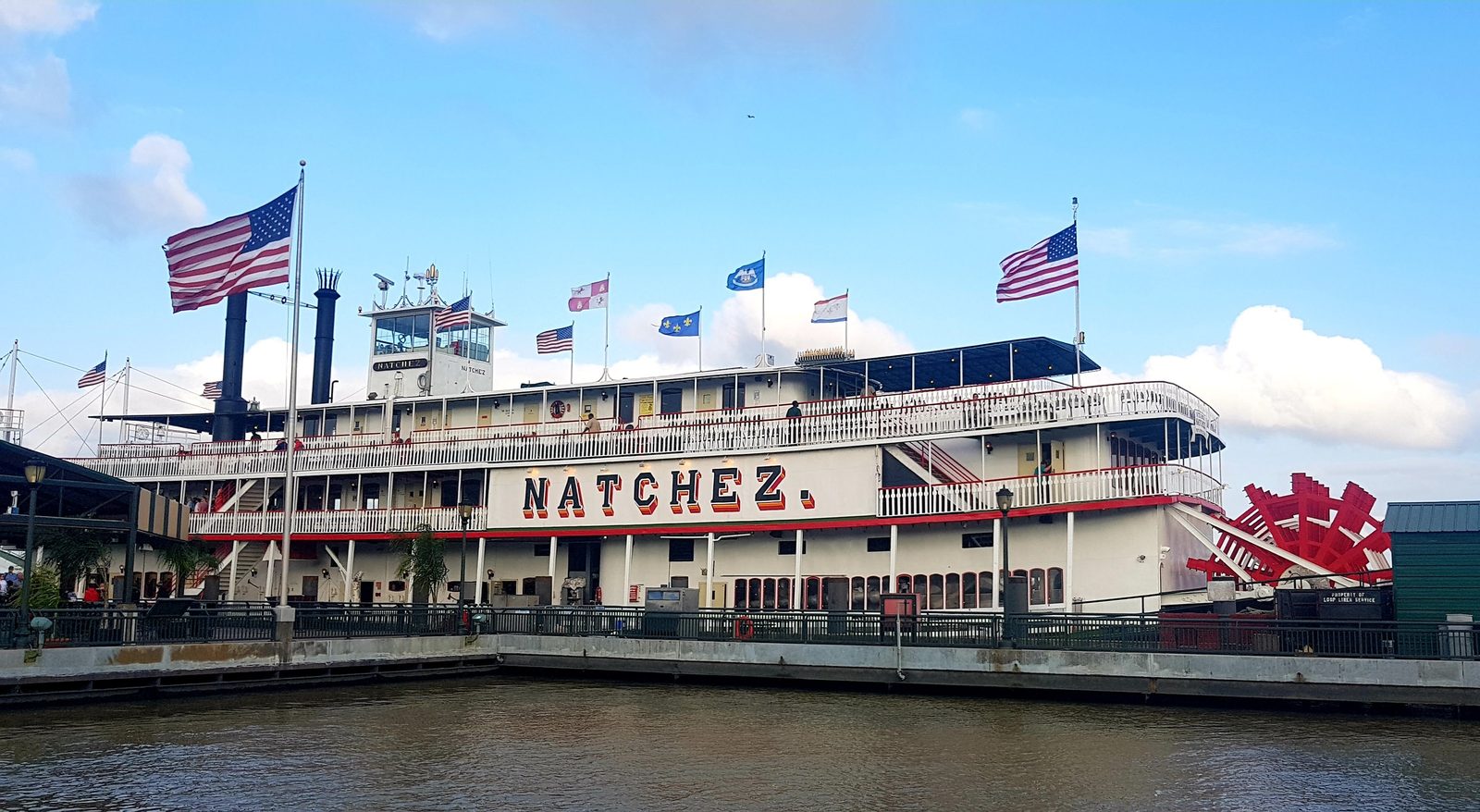
We went aboard too. Settled on the deck, to the gentle rhythm of the big wheel beating the water, we watched the city go by from the river: glass towers on one side, old brick warehouses and harbour cranes on the other. It was a very gentle moment, far from the bustle of the streets, the kind that doesn't tell much of a story but stays with you for a long time. The Mississippi has seen fortunes, wars and thousands of enslaved people sold on its quays. Seen from here, calm and slow, it seemed to have forgotten everything.
Night in the French Quarter
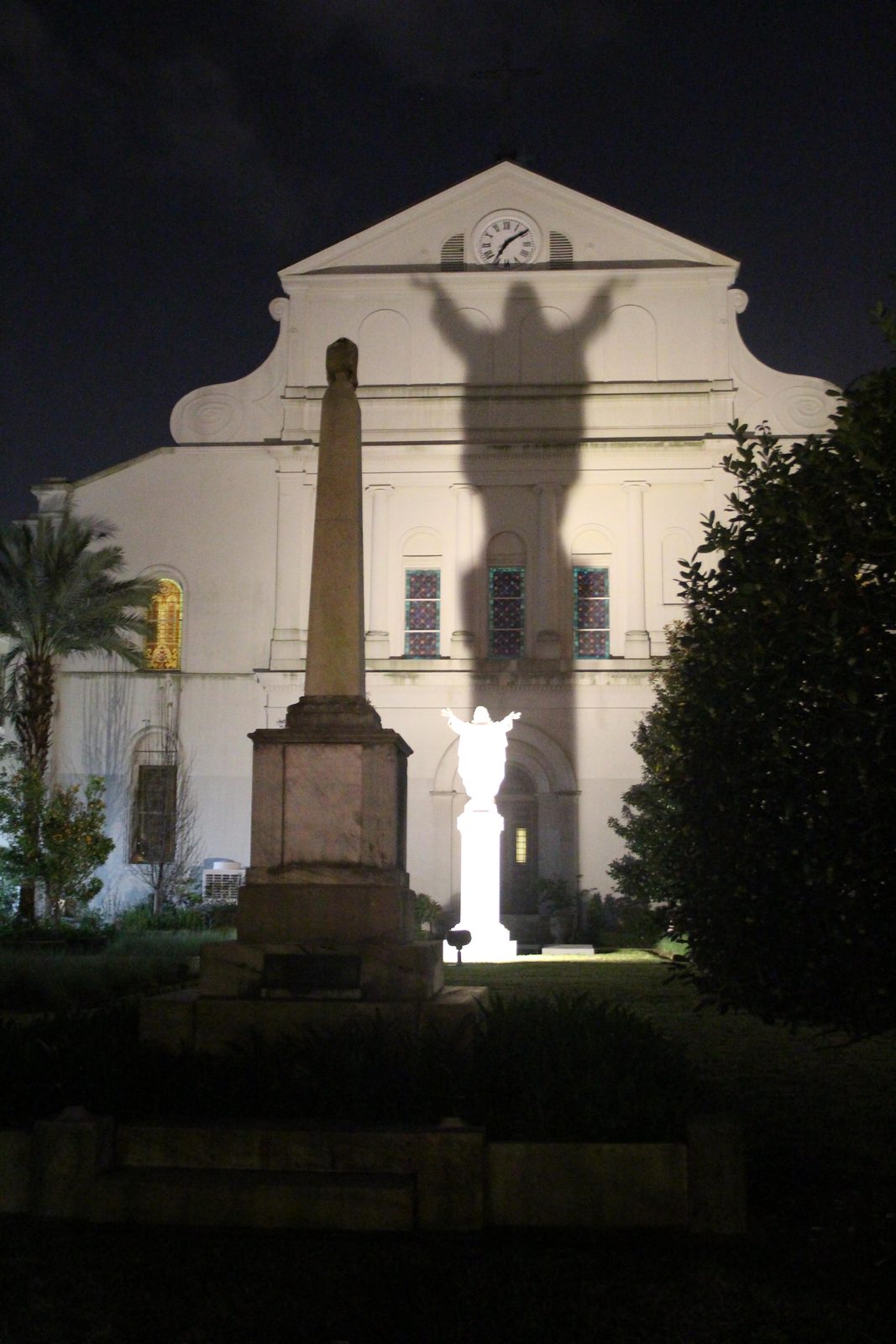
When evening came, the French Quarter changed face. Behind St. Louis Cathedral, a statue of Christ lit from the garden casts a huge shadow on the facade, arms raised, which locals have humorously nicknamed “Touchdown Jesus”, as if he were celebrating a score in American football. That was just what was needed to bless what was going on a few streets away.
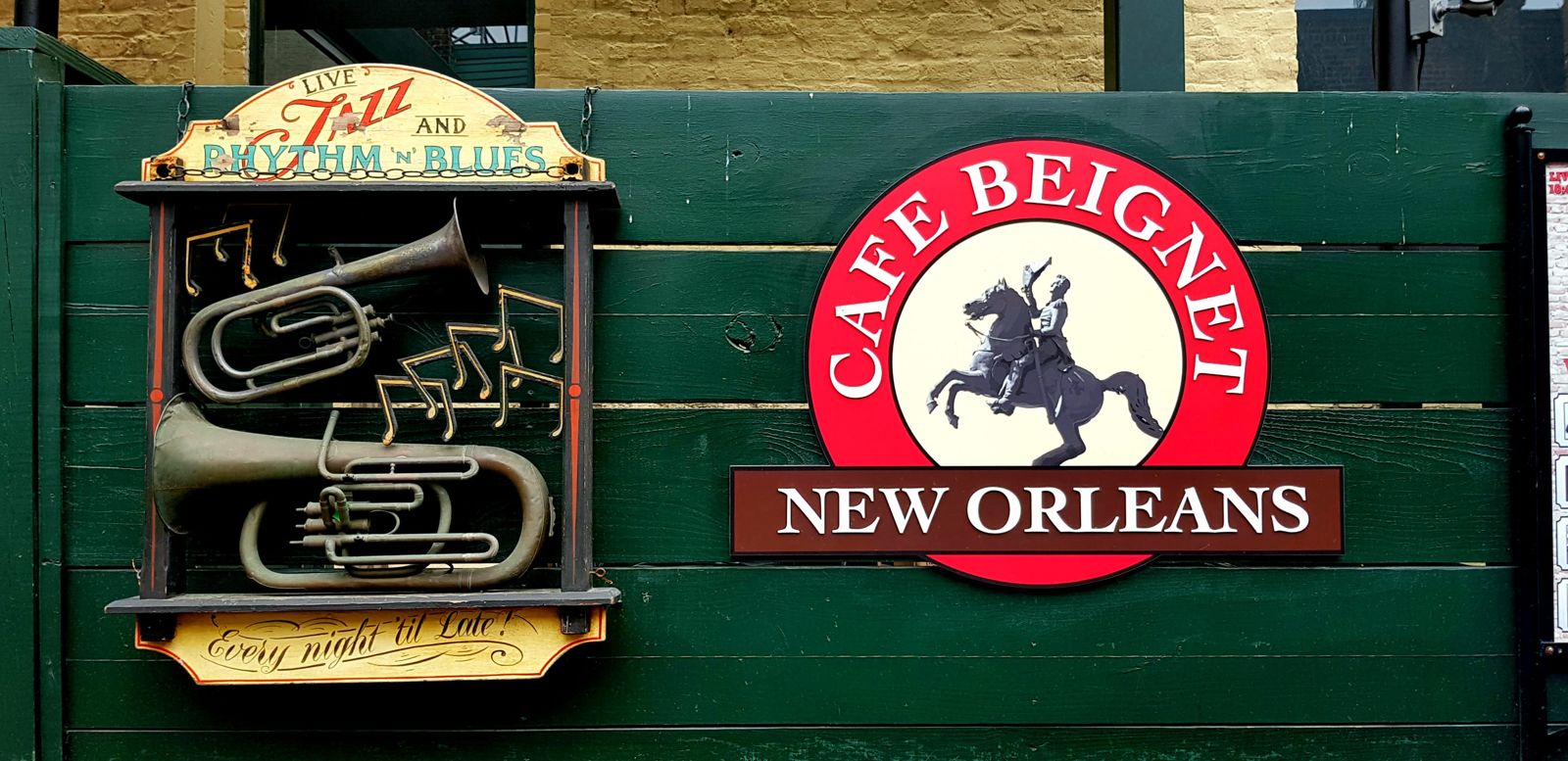
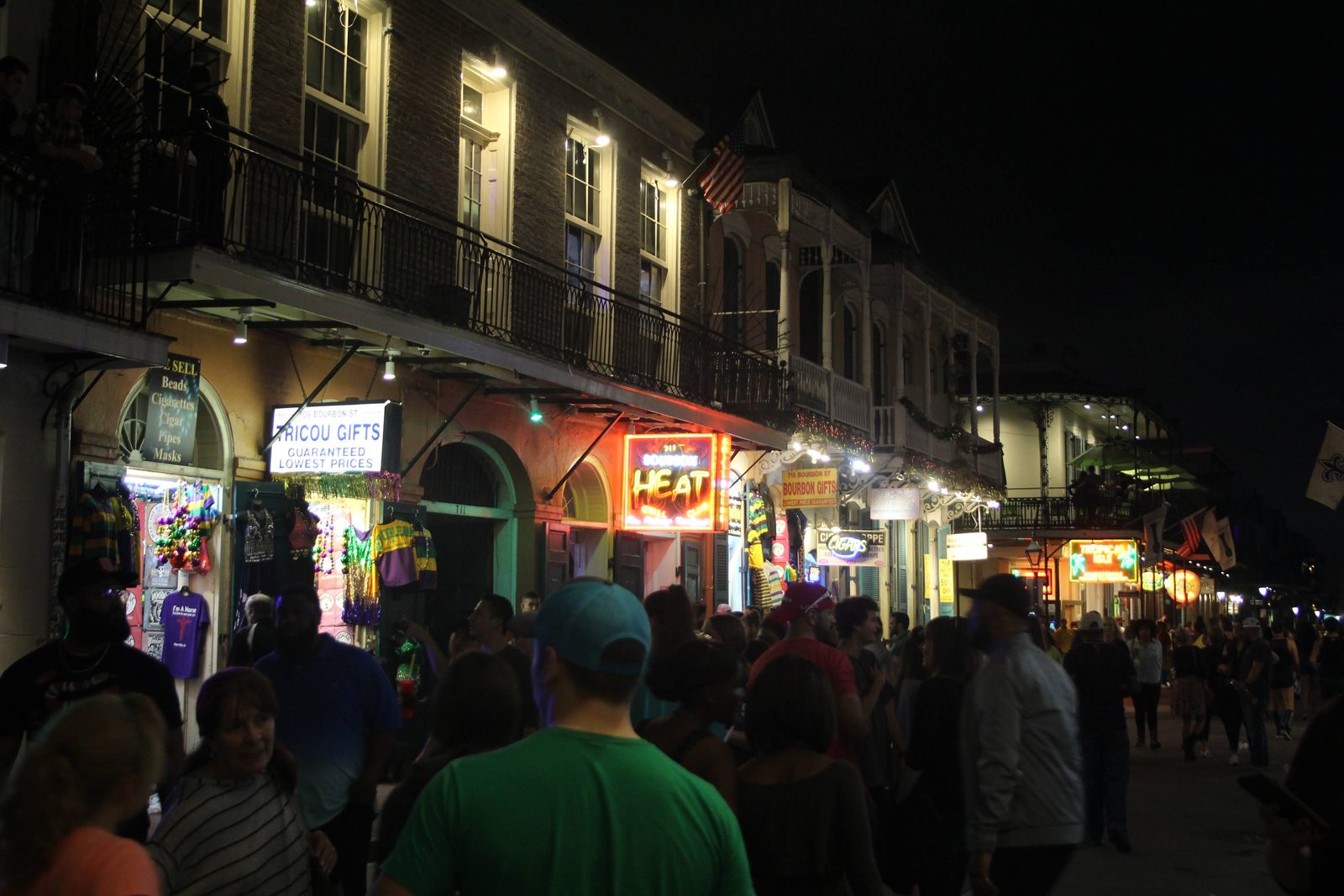
Bourbon Street was packed. There were bachelor parties, couples out on the town, slightly lost families and regulars who no longer even looked up. We went in wherever the doors were open, into houses, hotels and bars, and everywhere there was music: jazz here, blues there, rock or country in the bar next door. Every place had its own style, and moving from one door to the next was like turning the dial on a radio. It was really, really surprising. In any other city you would have called it a cacophony. Here, it was more like a conversation the city had been having with itself for over a century.
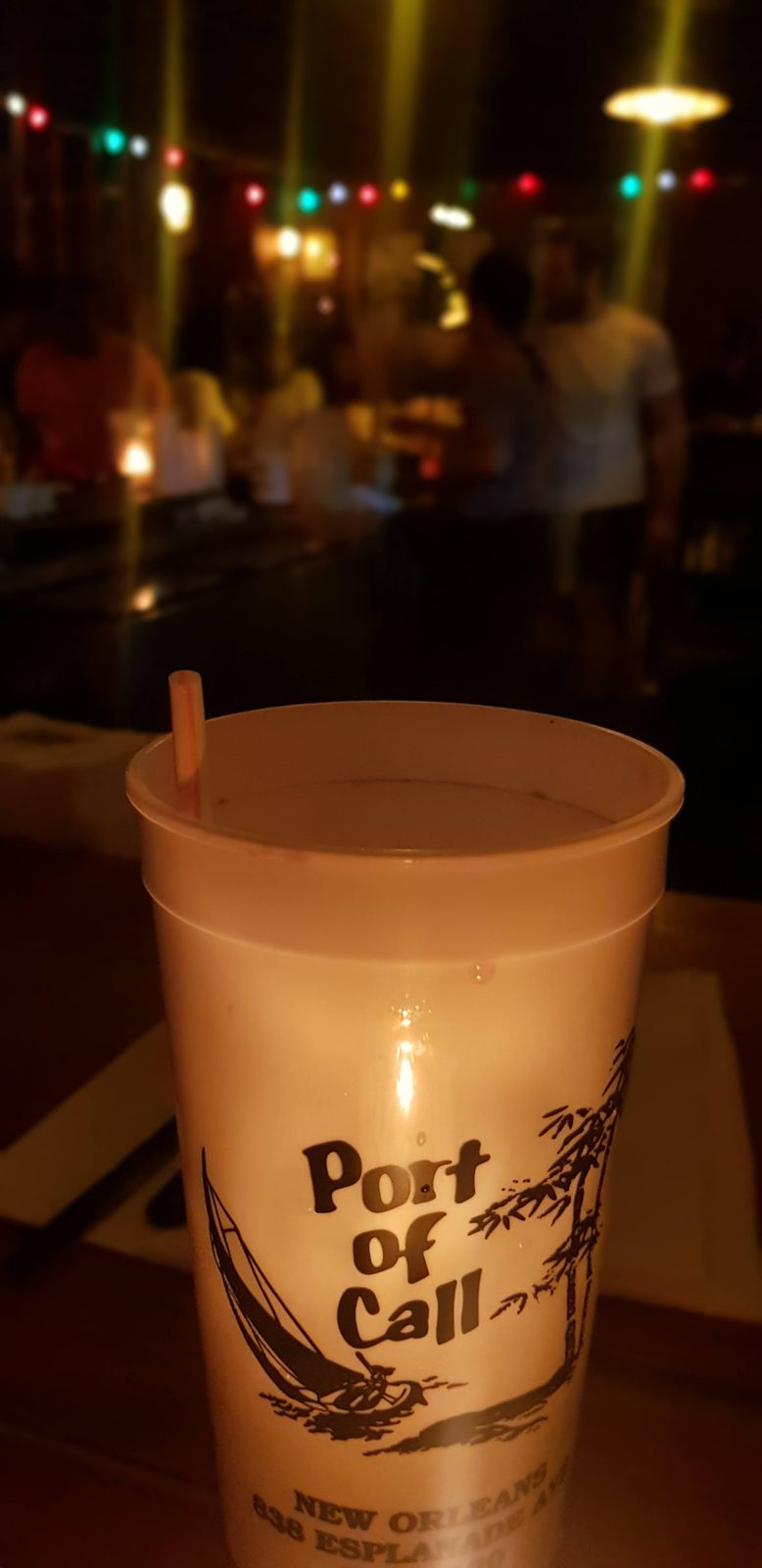
We ended up at the Port of Call, a dark bar on Esplanade Avenue known for its burgers, in front of a big plastic cup bearing the house logo. We have to admit, we drank a lot that night. New Orleans is one of the few American cities where you can walk down the street with a drink in your hand, and we had made the most of that freedom. When we came out, there wasn't a single bus or streetcar left to Jefferson. Our fine resolutions as everyday travellers stopped there: it was by taxi, very late, that we went home to bed.
Sunday 10 March
The Mardi Gras workshops
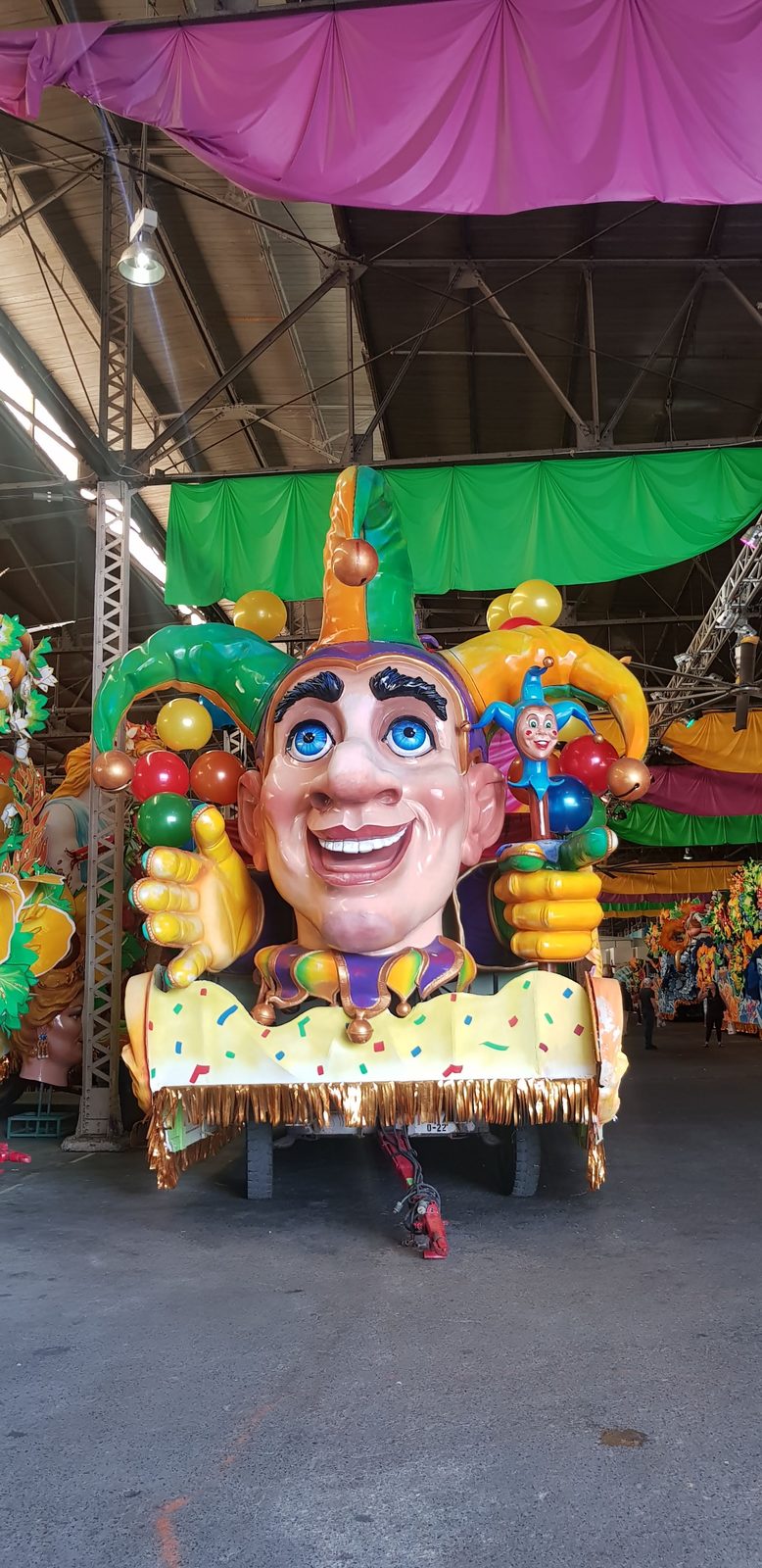
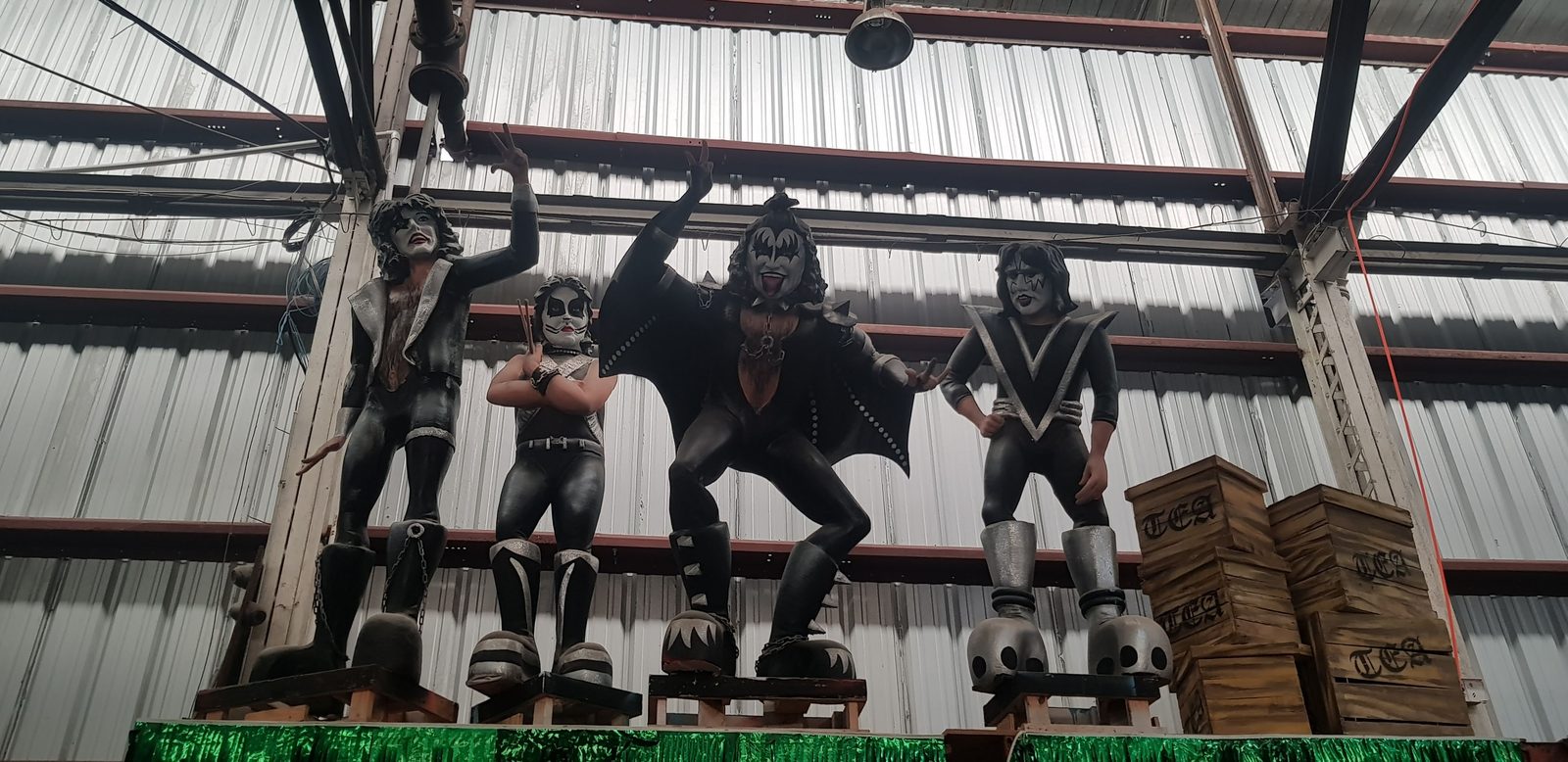
Waking up was a little difficult. To clear our heads, we walked along the river to Mardi Gras World, the huge warehouses where the Kern family has been building carnival floats since 1947. Mardi Gras had only just ended, a few days before we arrived, and the floats brought back to the depot were piled up under the metal roof trusses: giant flowers, grinning jesters, kings wearing golden crowns, and even the four members of the band Kiss in painted polystyrene, lined up on a shelf like toys forgotten by a giant child.
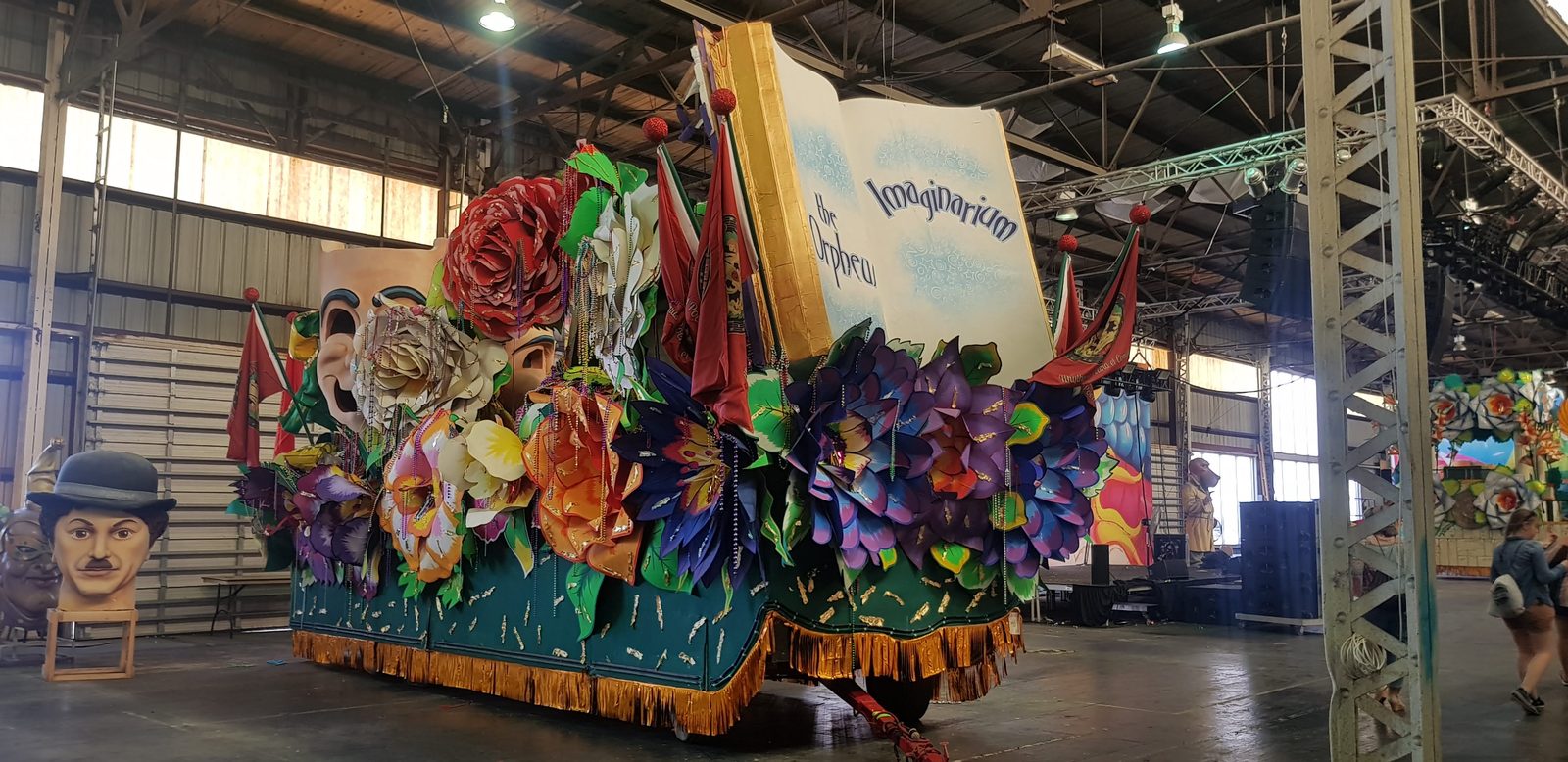
No guided tour for us: we wandered among the floats on our own, heads in the air, at our own pace. Among these giants you could measure a whole year of work for a few hours of parade. There was something a little melancholy about seeing the whole party stored away in a warehouse, waiting for the next year. After the night on Bourbon Street, it was a calmer way to taste the madness of carnival, and to understand that in this city partying is not an event but an industry, almost a reason for being.