
 ← PreviousA new chapter: discovering the United States of America
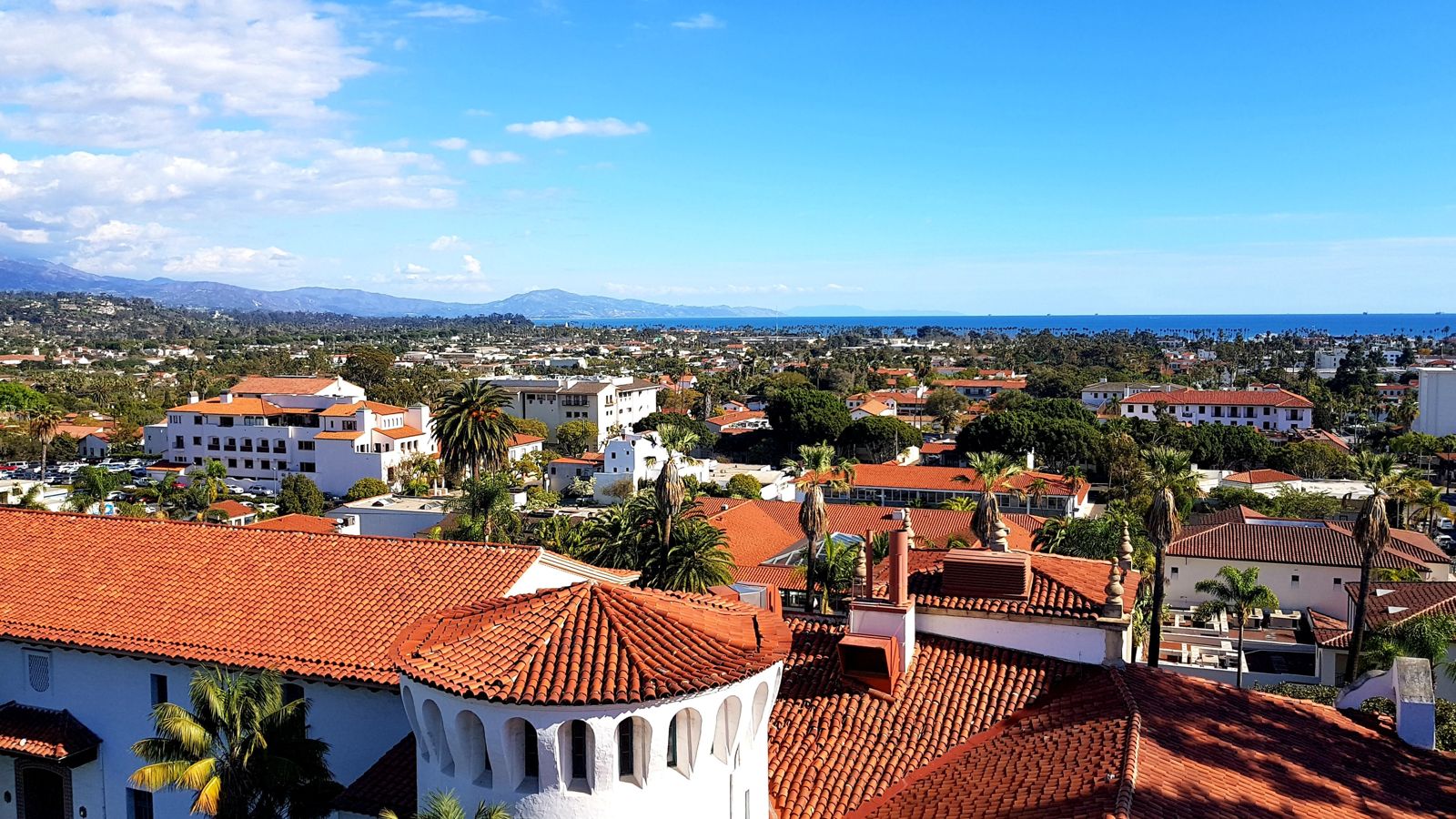
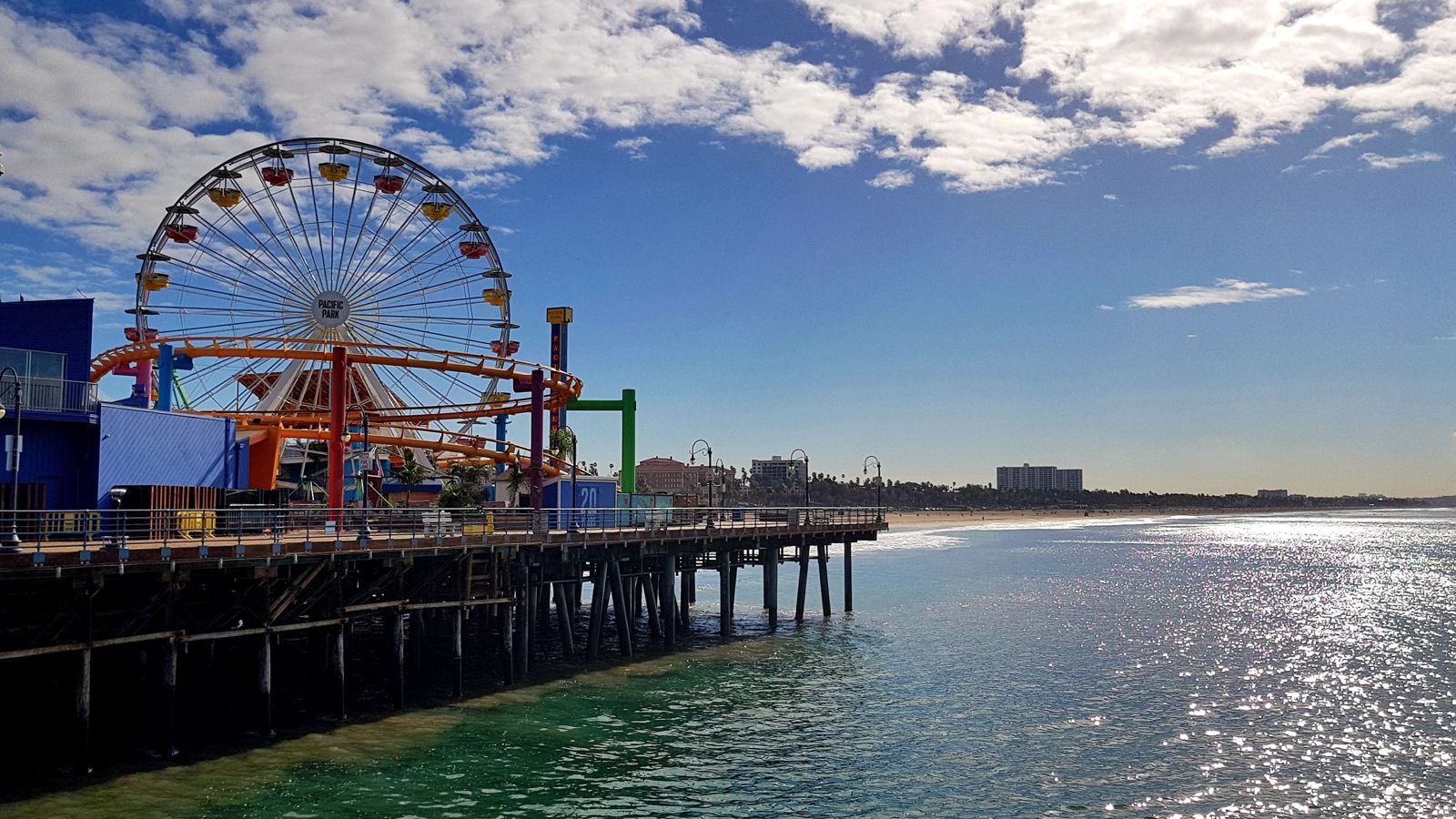
The next day we headed for Santa Barbara, well known to every French speaker thanks to the legendary TV series and its cult theme tune. So of course we were humming it as we walked the streets of this city, which we immediately liked. The architecture was Mexican-inspired and the pavements wide. It was lovely to stroll there, especially in the sunshine, which was out as usual in California. We passed young people on skateboards and older people out for a walk. On the pier, we smiled at a man taking a photo of himself with a dolphin statue. He struck up a conversation and ended up telling us he was the director of The Room, often described as the Citizen Kane of bad movies — in other words, the worst film in history. He was even played by James Franco in The Disaster Artist.
I'd read articles about him, and when I asked what it felt like to have made the worst film in history, he pretended to be offended, then laughed and said he liked the French because we weren't afraid to ask direct questions. We were clearly not starstruck, and we went on to ask him where he was in his career and what he was doing here. He was giving an interview in a few hours and was taking the chance to go for a walk, which had led to this unlikely encounter.
The great thing about the USA was that, unlike Australia and New Zealand, the choice of restaurants was endless. The United States is often reduced to fast food, but that's far too simplistic. There was really something for every palate and every budget. We stopped for pasta in a very cute little shopping arcade, but we could have picked the cuisine of any country in the world, and we soon understood that all the sweeping judgements about the country were simplistic and black and white.
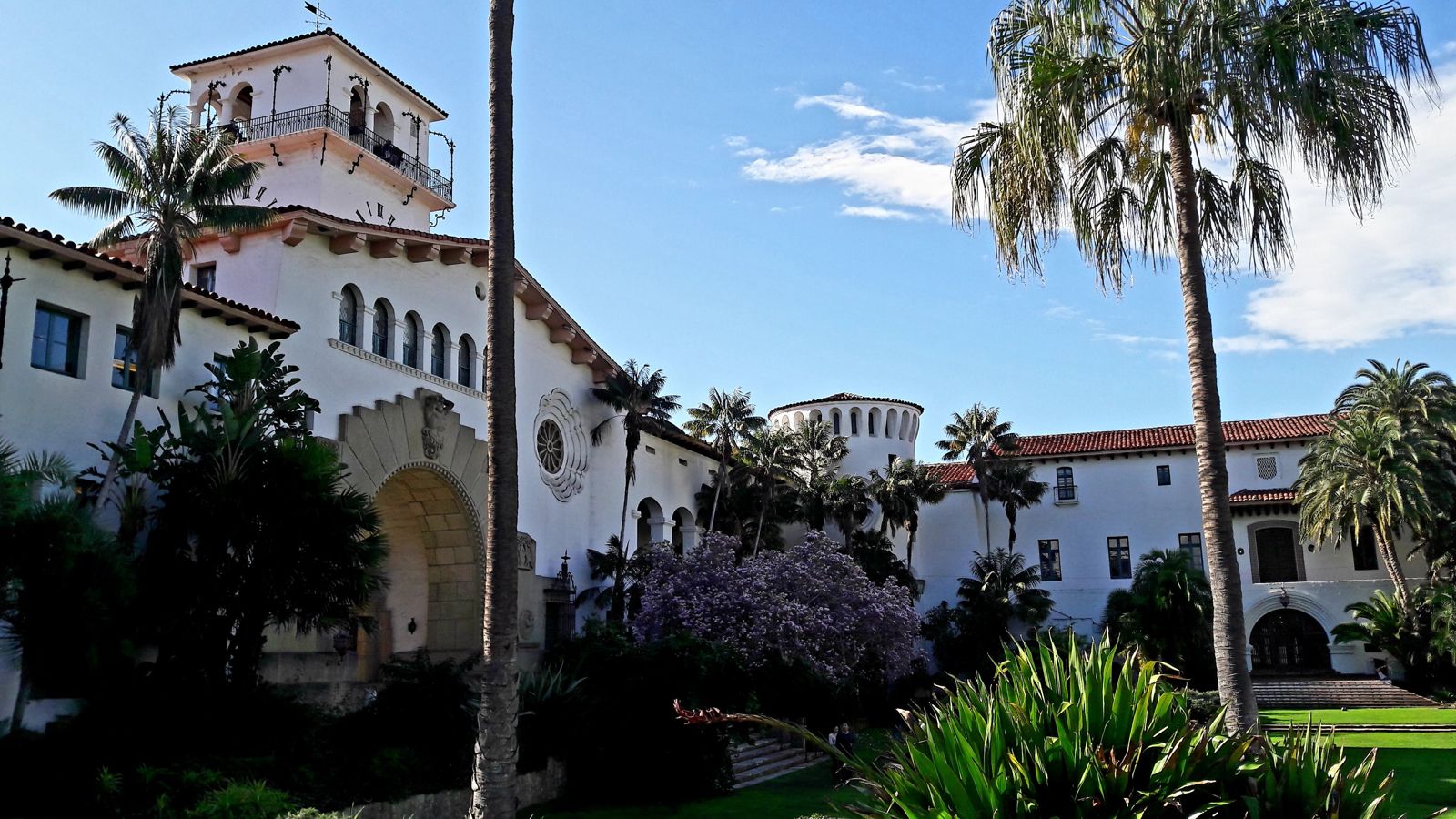
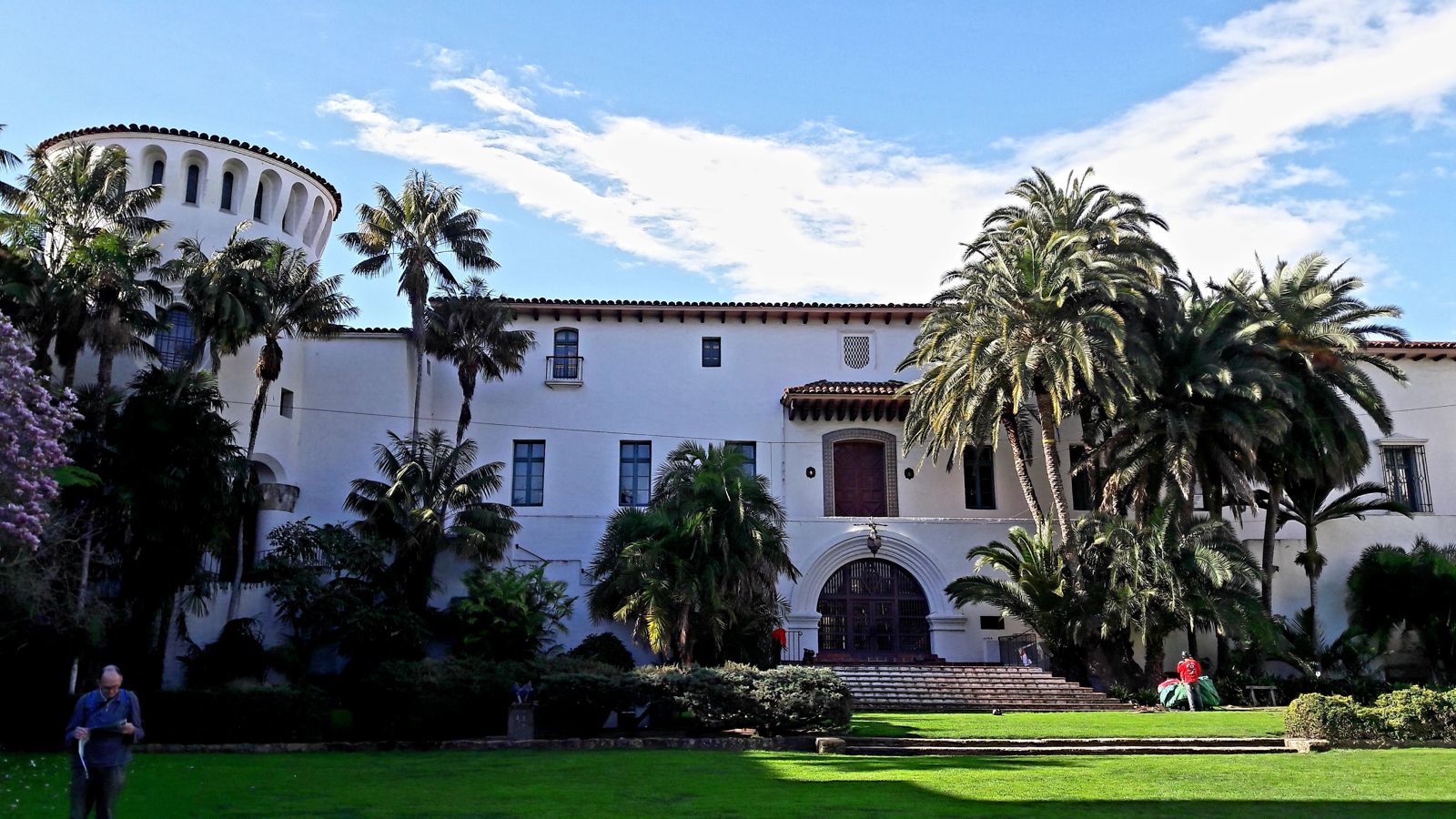
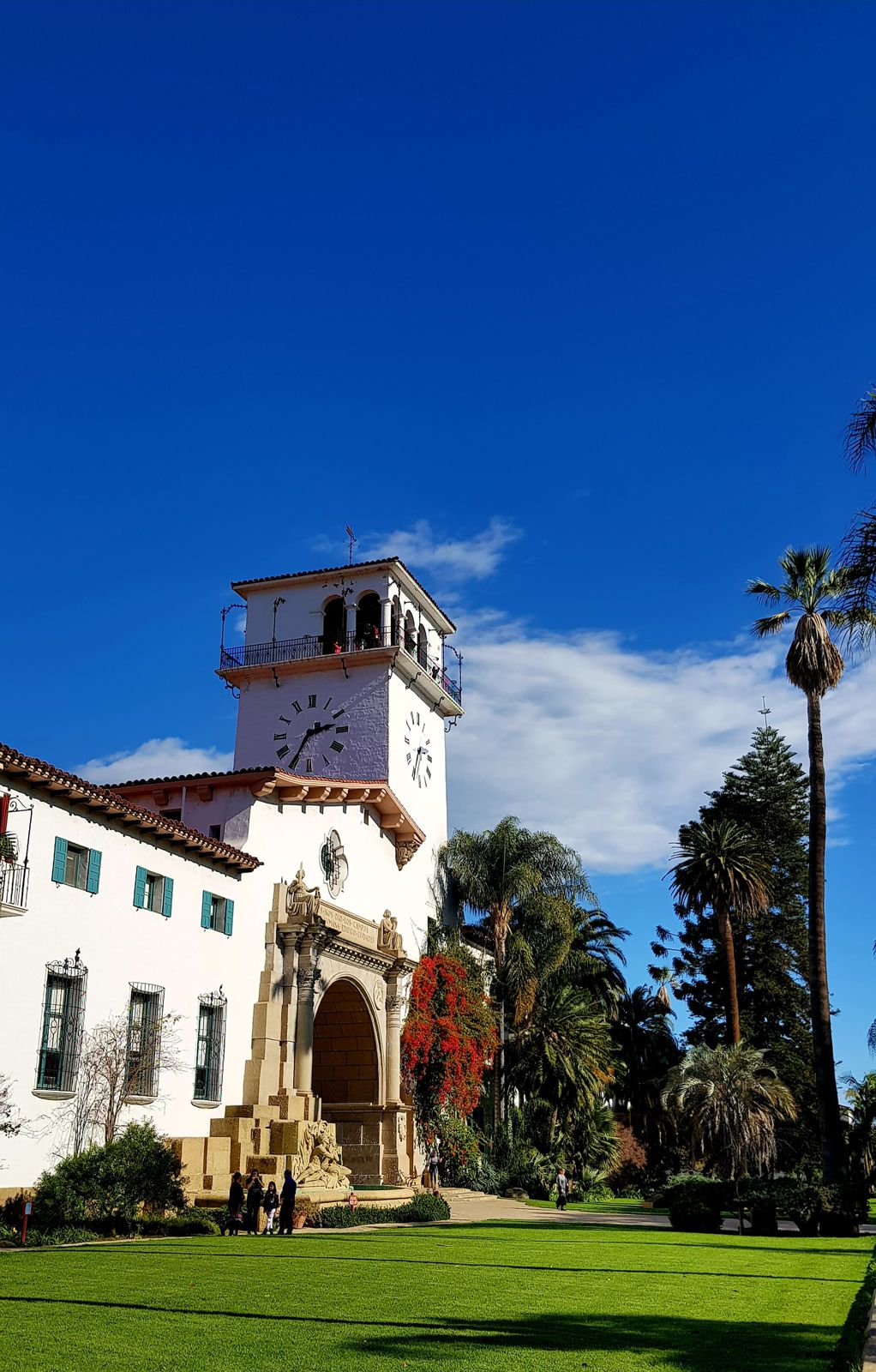
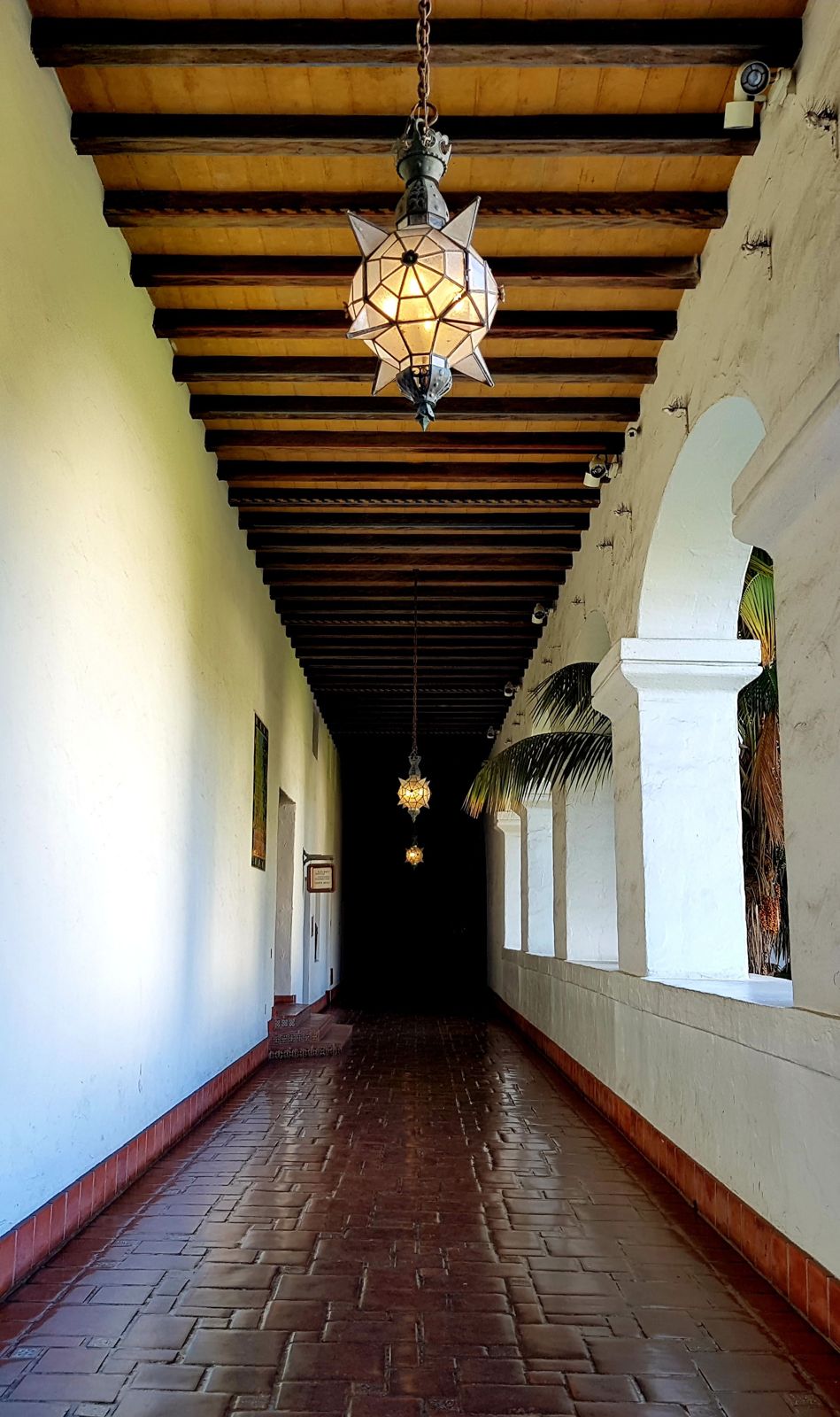
It was impossible to put this continent-sized nation in a box. We continued our visit with the city's courthouse, a tourist attraction in its own right. It reminded us of the Andalusian buildings we'd seen in southern Spain. Arches pierced the walls on all sides to let the light filter through. The paint was immaculate white. We wandered through the four floors full of historical details about trials held there. The garden was superb too, with a magnificent magnolia in bloom lighting up the outside. Even though it was a Wednesday afternoon, a wedding was taking place on the lawn, and we stopped for a moment to watch this lovely occasion.
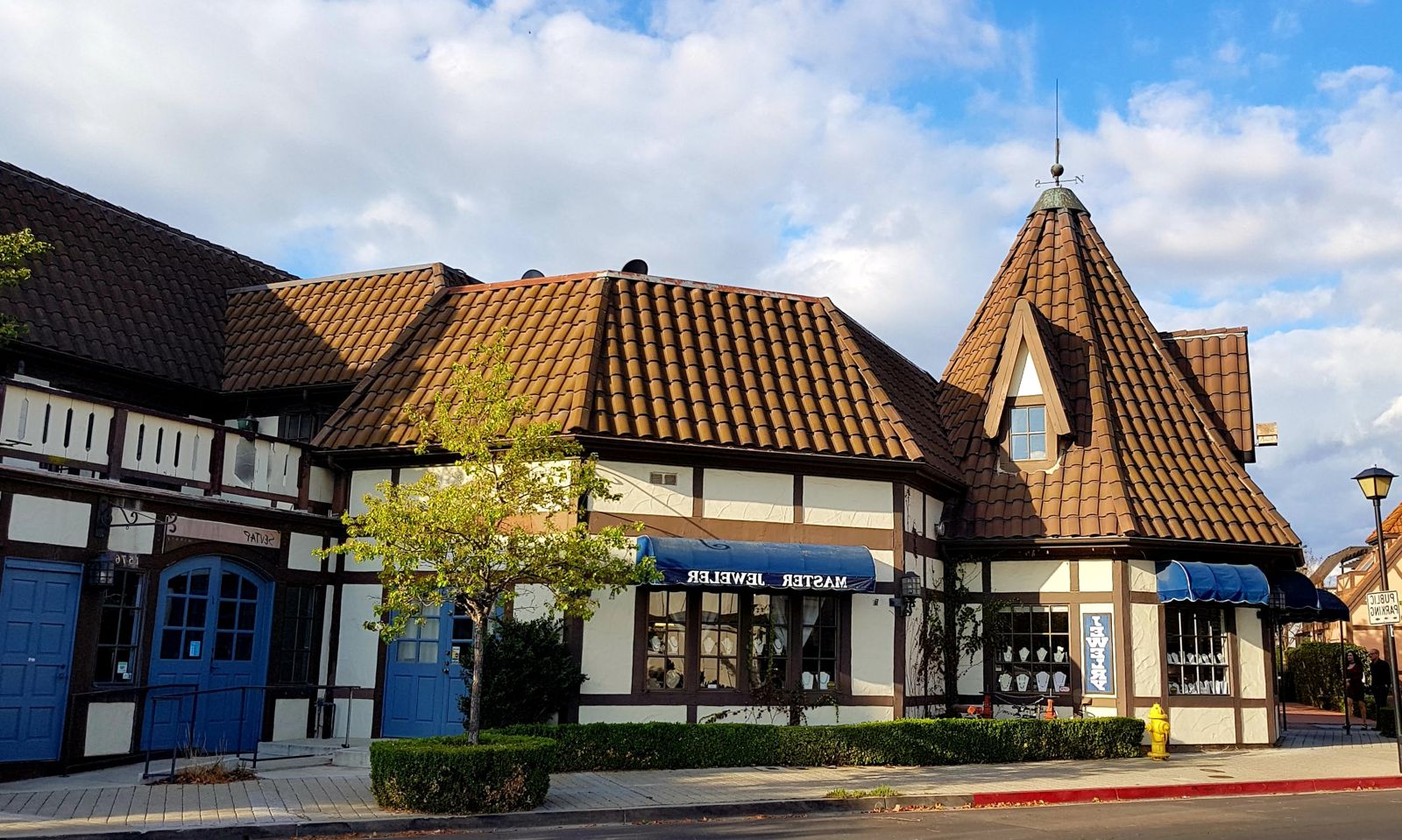
We then made a short stop in Solvang, a small Danish-inspired village. It was founded in 1911 by a group of Danish educators and really gives anyone passing through a taste of Denmark. It was completely improbable. We were driving through typically American landscapes, then at a crossroads we found ourselves with a distinctive little building on our right and a Danish bakery on our left. The whole town was the same, and we wandered the lanes for an hour, looking at the shops and restaurants with their so distinctive fronts.
There was even a copy of the famous Little Mermaid statue. We reached our hotel in San Luis Obispo around 7 pm. Like all American homes, it had no insulation, and we quickly realised we'd have to sleep with earplugs. We went out into town and enjoyed the lively streets, such a change from Oceania. We finally chose a Moroccan restaurant and discovered how tipping works.
In the United States, tipping isn't compulsory but strongly recommended. The norm was to leave 18% of the bill for service. That's the amount on which the waiter would be taxed by the government for each table served. To show your displeasure you'd leave less than 15%, because leaving nothing was an extremely rude gesture and strongly discouraged. It was better to ask to speak to a manager than to commit the affront of not tipping. Once again it was hard for us Europeans to understand, but as the saying goes, "When in Rome, do as the Romans do," so we tried to adapt to these customs as best we could.