 ← PreviousThe adventure continues: discovering New Zealand
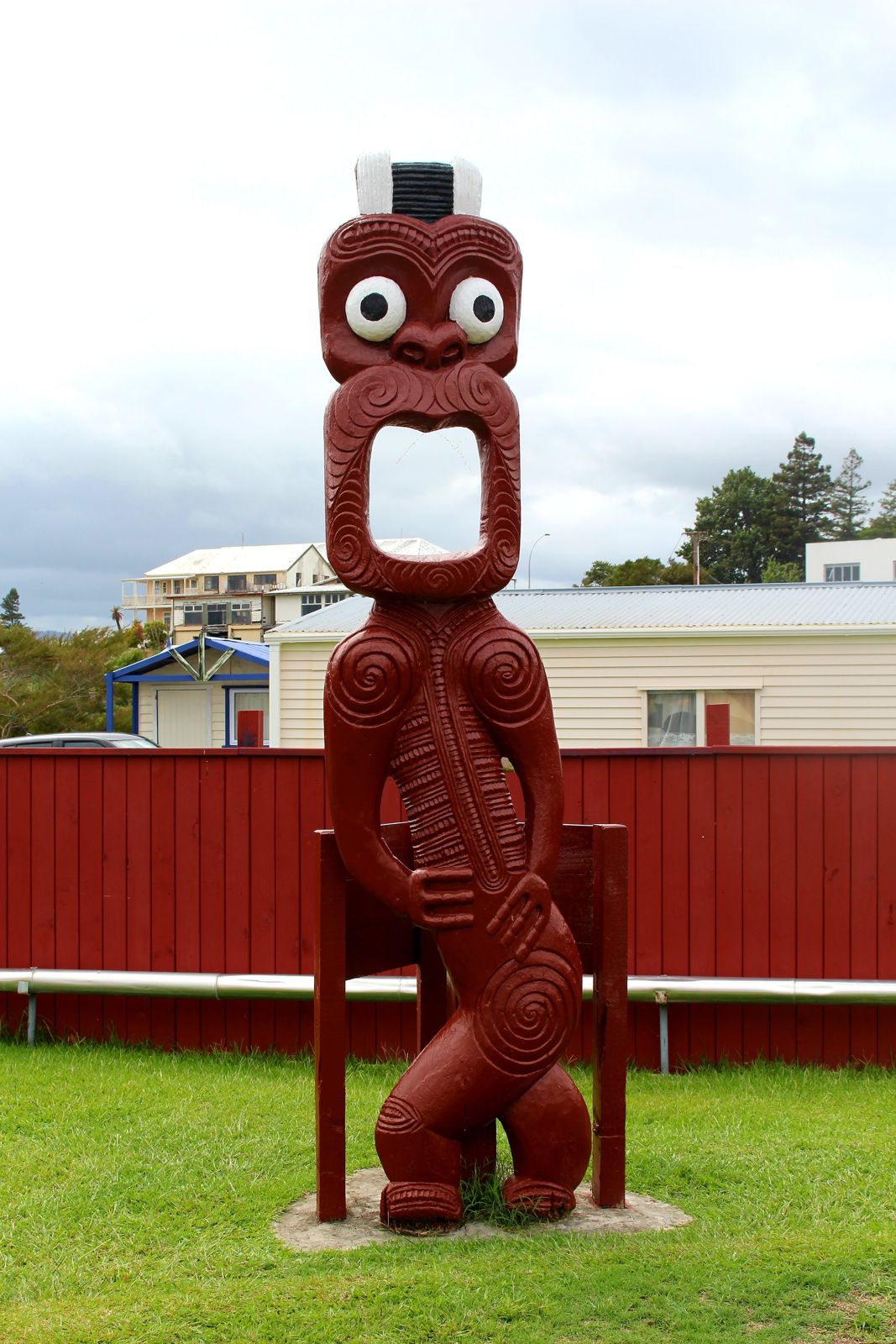
Māori culture was really promoted by the government and by New Zealanders, and you could feel it in everyday life. We regularly saw mixed groups of white people and Māori, which had never happened in Australia. The only time we'd seen a white person with Aboriginal people, the old man was working as a holiday-camp leader. It was refreshing, and although things were probably not perfect, we could see progress. This country was moving in the right direction, notably by doubling almost every sign in the language of the native people. We went to the Ohinemutu Marae to admire ancient statues. Marae are places of social interaction in Polynesian cultures, the equivalent of the Greek forum, and the statues adorned the community's grounds. Here they gleamed red; some were small and others gigantic, but all had been carved with a thousand details: grooves on the body to represent veins, bulging eyes and sometimes weapons in hand to inspire fear and respect. We spent long minutes looking at these works of art, so different from anything we'd seen in our lives, and appreciated the place given to the first owners of this ancestral land.
Airbnb took us to the home of an old lady of imposing build who lived in a little shack on the edge of town. Two big lazy cats lounged on the back of the sofa while she watched The Chase, a general-knowledge quiz show like Who Wants to Be a Millionaire?, with passion. She never missed an episode of the Australian, New Zealand or British versions she could get on her screen, and she was rather good, answering lots of questions. Rotorua didn't have a huge number of attractions, so we decided to stay and eat with Gloria. She was excellent company and we were delighted to share our experiences with her. She surprised us at breakfast with bacon and eggs in abundance. That set us up nicely for the drive on Route 5 to Taupō. The region was very volcanic, and lots of oddities were dotted along the way. Our first stop was Frying Pan Lake, a boiling four-hectare lake where, legend has it, a young man died saving his dog. The water temperature was around sixty degrees, so we avoided dipping our feet in.
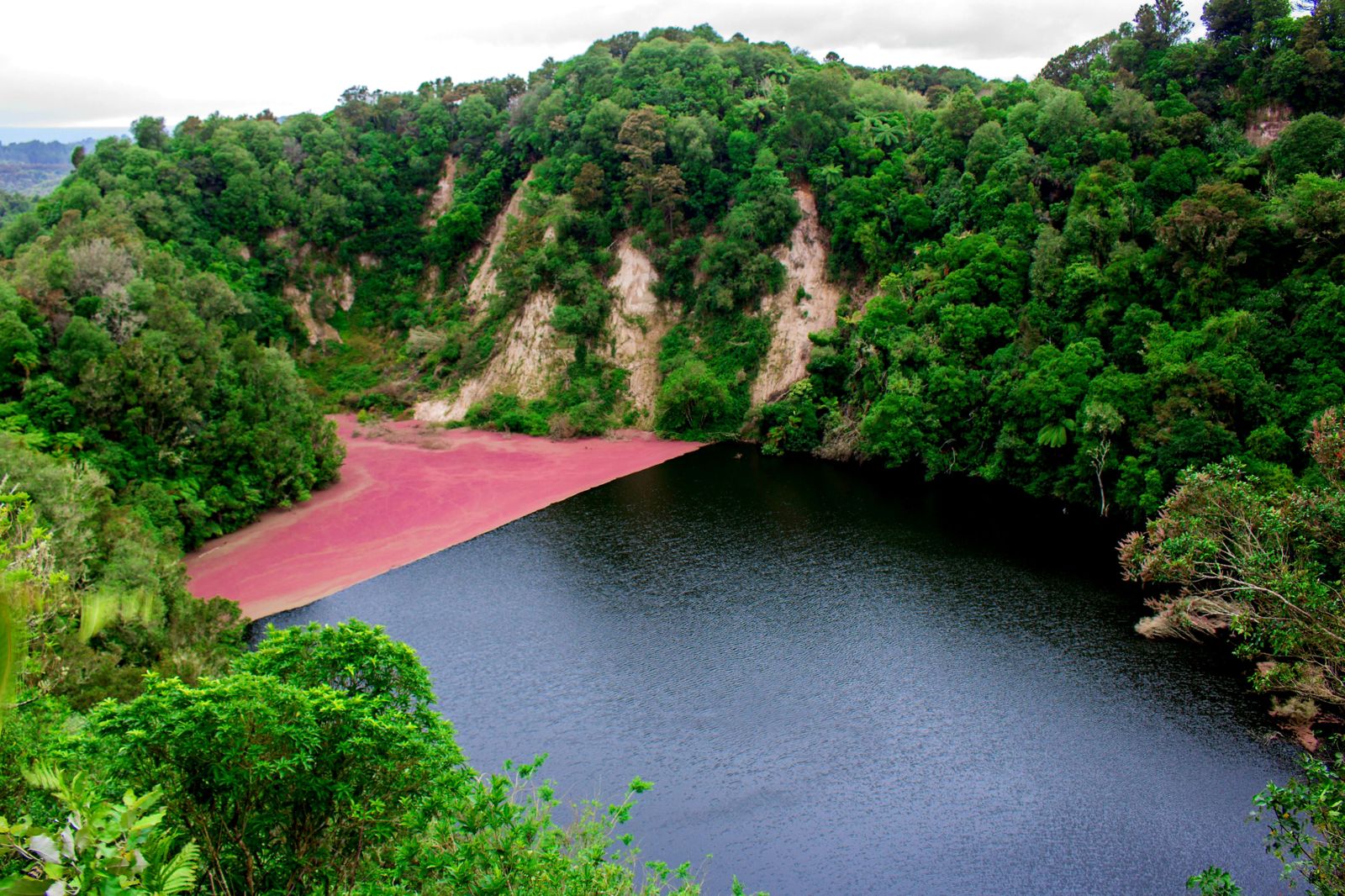
We then landed at Wai-O-Tapu ("sacred waters" in Māori) to visit Wonderland, a tourist circuit around volcanic pools. The biggest of all had earned the nickname "the Artist's Palette" thanks to its different hues: yellow overlapped blue, which gave way to red. We climbed the few dozen steps to a viewpoint to admire it from above, and the gradient of colours was truly surprising. We then slipped over to the Champagne Pool, which didn't have the colour of the French drink but did have the texture, with a multitude of bubbles constantly rising to the surface. The guides strongly advised against pouring yourself a glass, since the liquid ranges from seventy to two hundred degrees.
The rest of the route was marked out like an Ikea store, and all the tourists followed each other obediently along the paths. Here we found a sulphur pool, there an echo lake, all livened up by dozens of geysers that surprised you by suddenly erupting. Back on Route 5, we made an obligatory stop at a huge thundering waterfall, then made sure we were at the foot of a dam at 5 pm. That was when the gates opened, and from the bridge we watched a huge, continuous wave fill the riverbed until it covered some of the trees. At seven we turned up at the Samurai Lodge, a shabby backpackers' hotel with nothing Japanese about it. The wooden fence at the entrance was in a sorry state, some slats broken, others missing altogether.
The roofs were covered in age-worn corrugated iron and a fifteen-year-old kid manned the reception with an arrogant air. He looked so self-important checking us in that we had to stifle a fit of giggles. The room was small and damp, the showers dirty and the hot water limited. We weren't tempted to spend hours there, so we went to cook in the common room, where a debate was raging. The travellers wanted to watch the inevitable Lord of the Rings, while the hostel owner wasn't thrilled, because the trilogy played absolutely every night on the shared TV, and he tried in vain to explain that he couldn't take it any more. As he wasn't a guest and was heavily outnumbered, Gollum and friends filled the screen for three hours while we went to bed early.
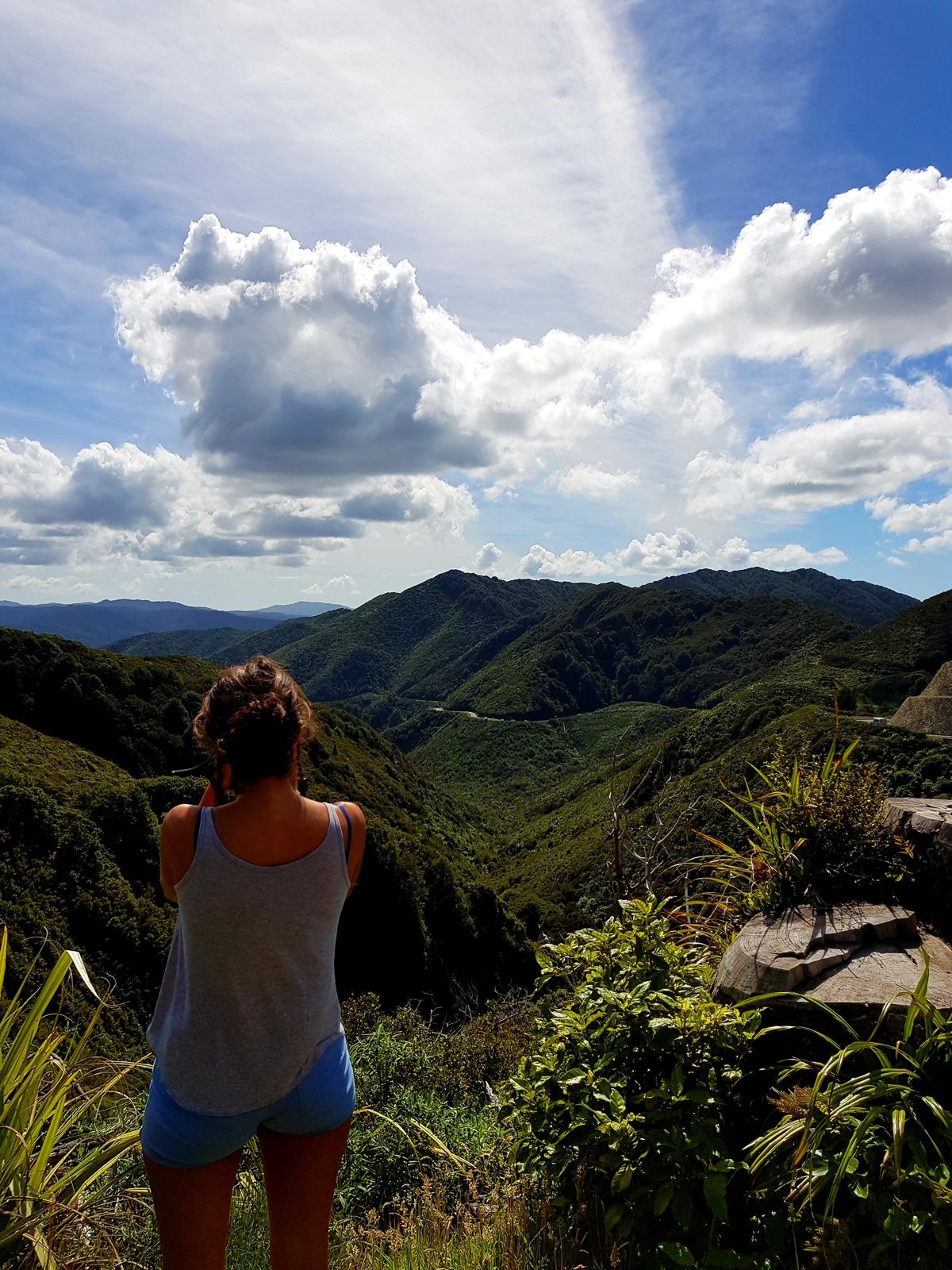
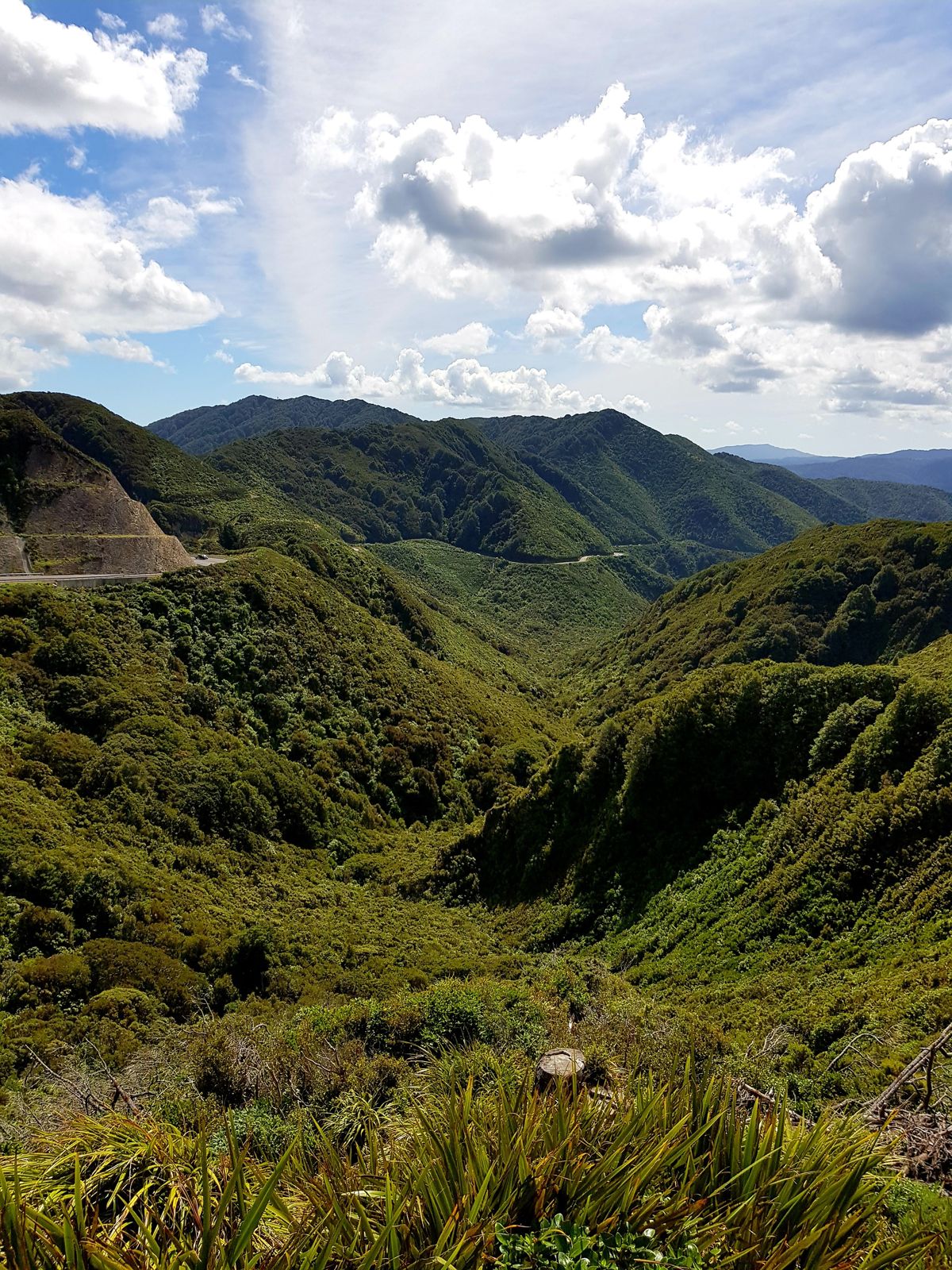
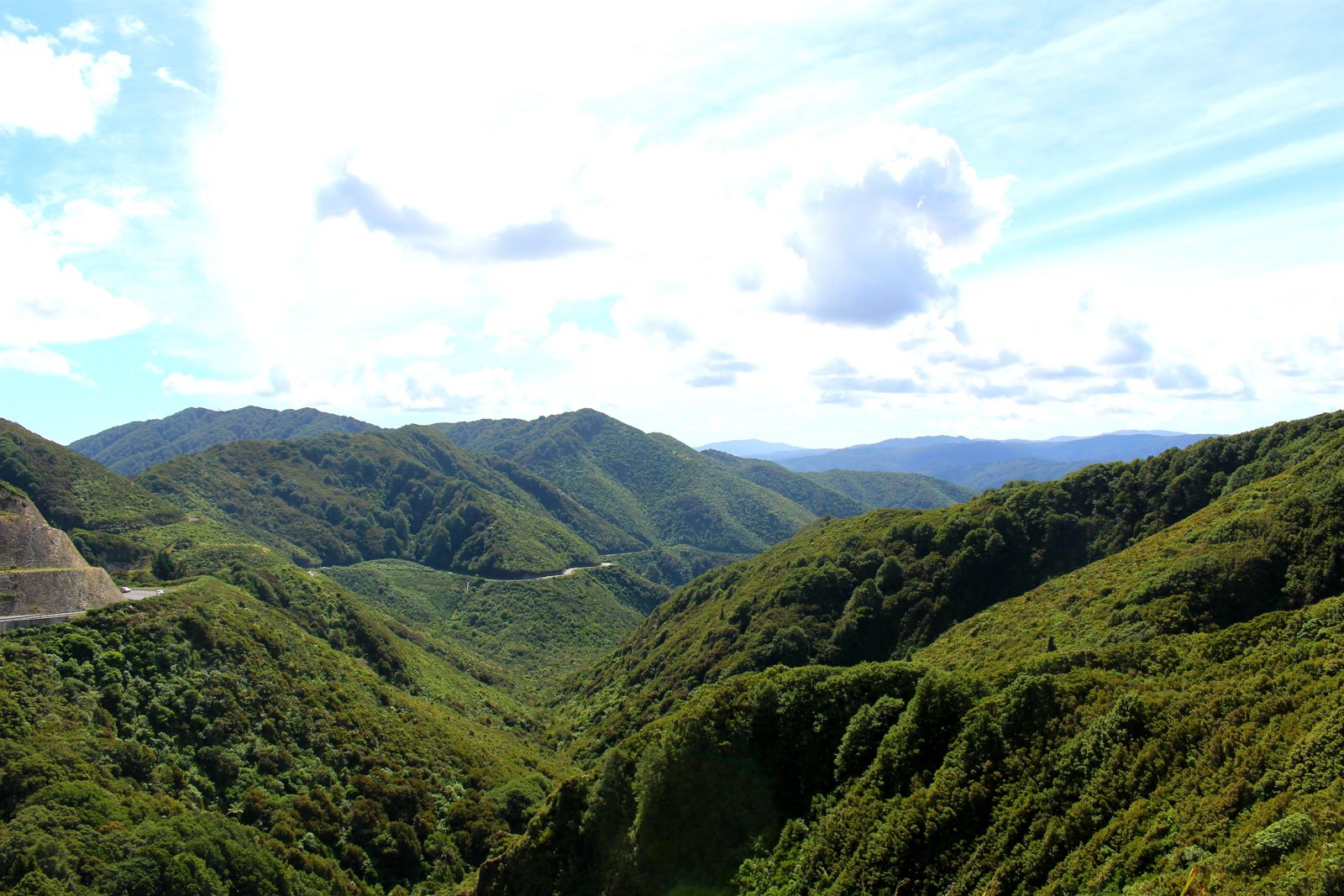
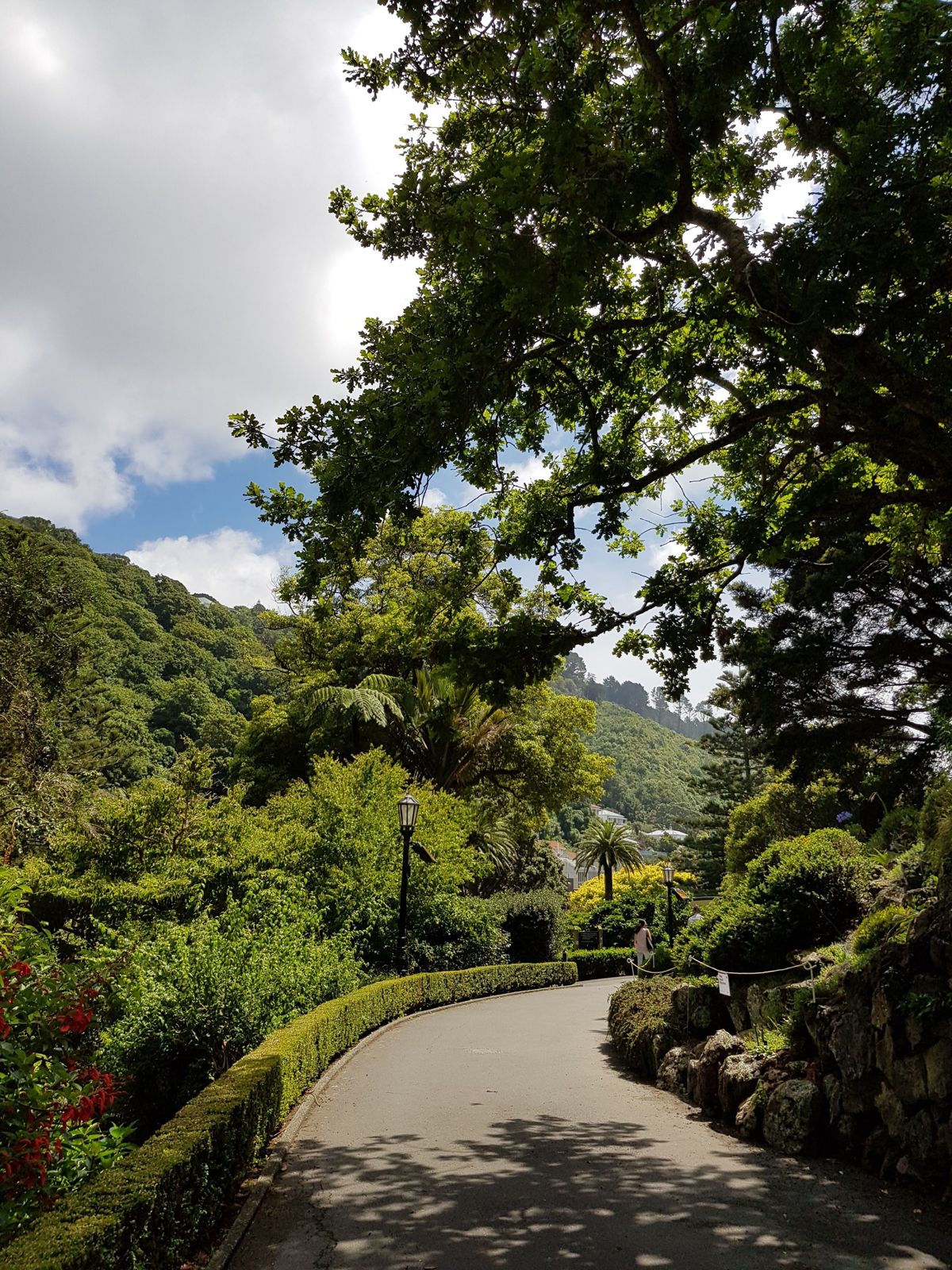
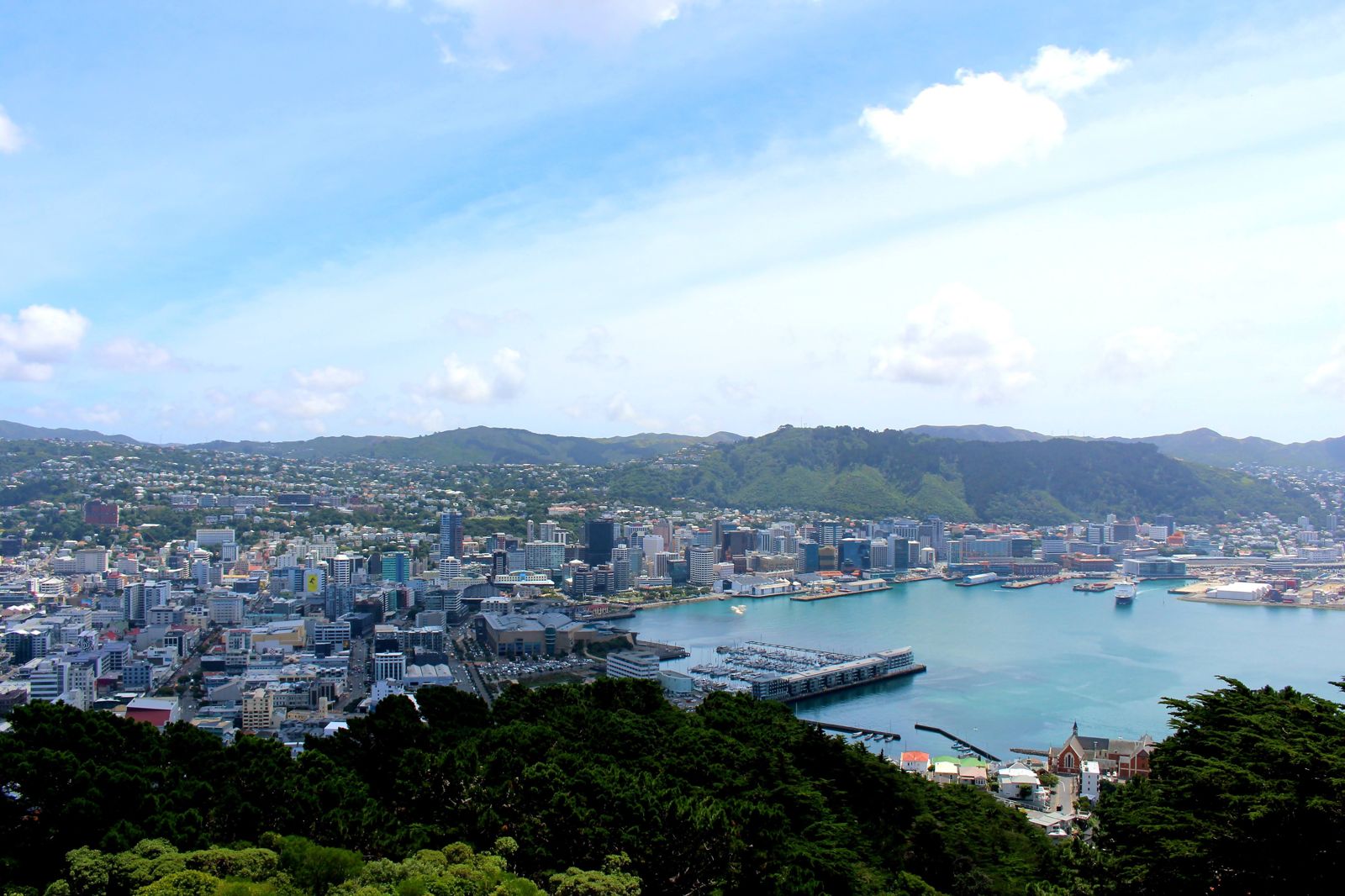
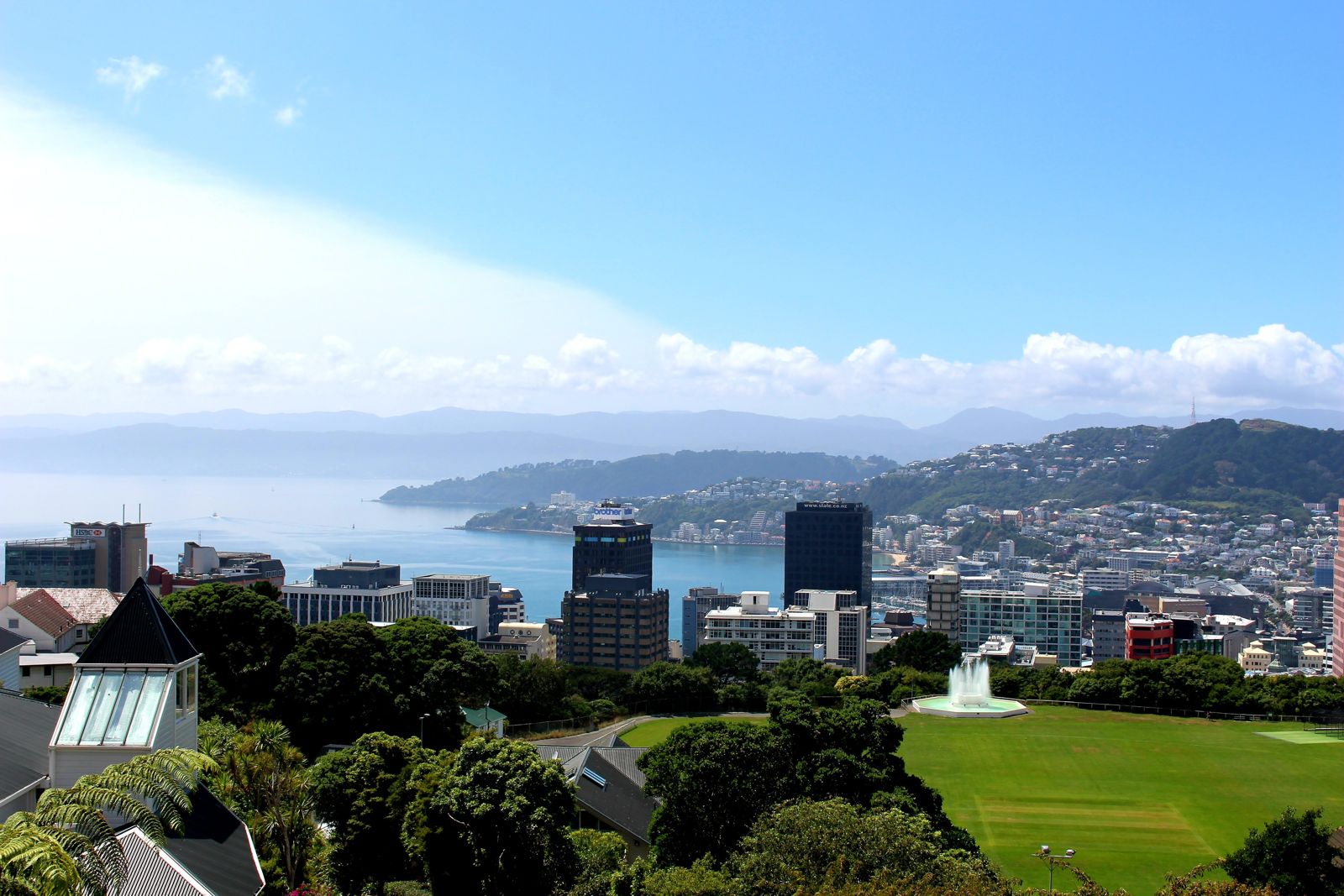
We returned to civilisation, parking for free in the centre of Wellington. It's the country's capital, well sheltered by a windy, airy bay. The whole thing looked like a postcard; the city wasn't too tall and blended nicely into the surrounding hills. It wasn't a nice day, so we slipped into the national museum, which to our great surprise was very interesting. Australia and New Zealand take great pride in their part in the First World War and make a big deal of it at every opportunity. There in the museum, a giant exhibition commemorated the Battle of Gallipoli. Highly realistic statues seven metres high or long depicted a soldier here, a nurse there and so on, all in combat situations. The word "impressive" is sometimes overused, but on this occasion it fitted perfectly. We were blown away by the exhibition but also by the museum in general. Very interactive, in the English-speaking tradition, it told New Zealand's history while managing to suit every audience.