
New Zealand! Land of myths, legends and fantasies. A country we'd imagined from France, invented in our minds. It was literally the farthest point possible on the map. When someone said they wanted to go to the ends of the earth, they couldn't go any further. It was with great excitement that we landed on the tarmac at Auckland airport. It was a year to the day since we'd landed in Australia, a year that felt like a thousand, so many adventures had we lived. It was a strange feeling, having experienced ten lives in 365 days. And off we went again. It was 9:30 pm when we set foot on New Zealand soil for the first time, and we quickly ordered an Uber to the day's Airbnb.
We arrived at the home of a very kind Indian immigrant who, like many, rented out his house on the community website. Far from the site's original spirit, he didn't live with his guests and hygiene really left something to be desired. We soon realised his aim was mainly financial. To hope to return to Australia, we had to send the authorities an application for a second visa. Everything was in order for us, as we'd worked the required time in the required places, but we wanted to apply as early as possible to be sure of being let back in when we returned a month later.
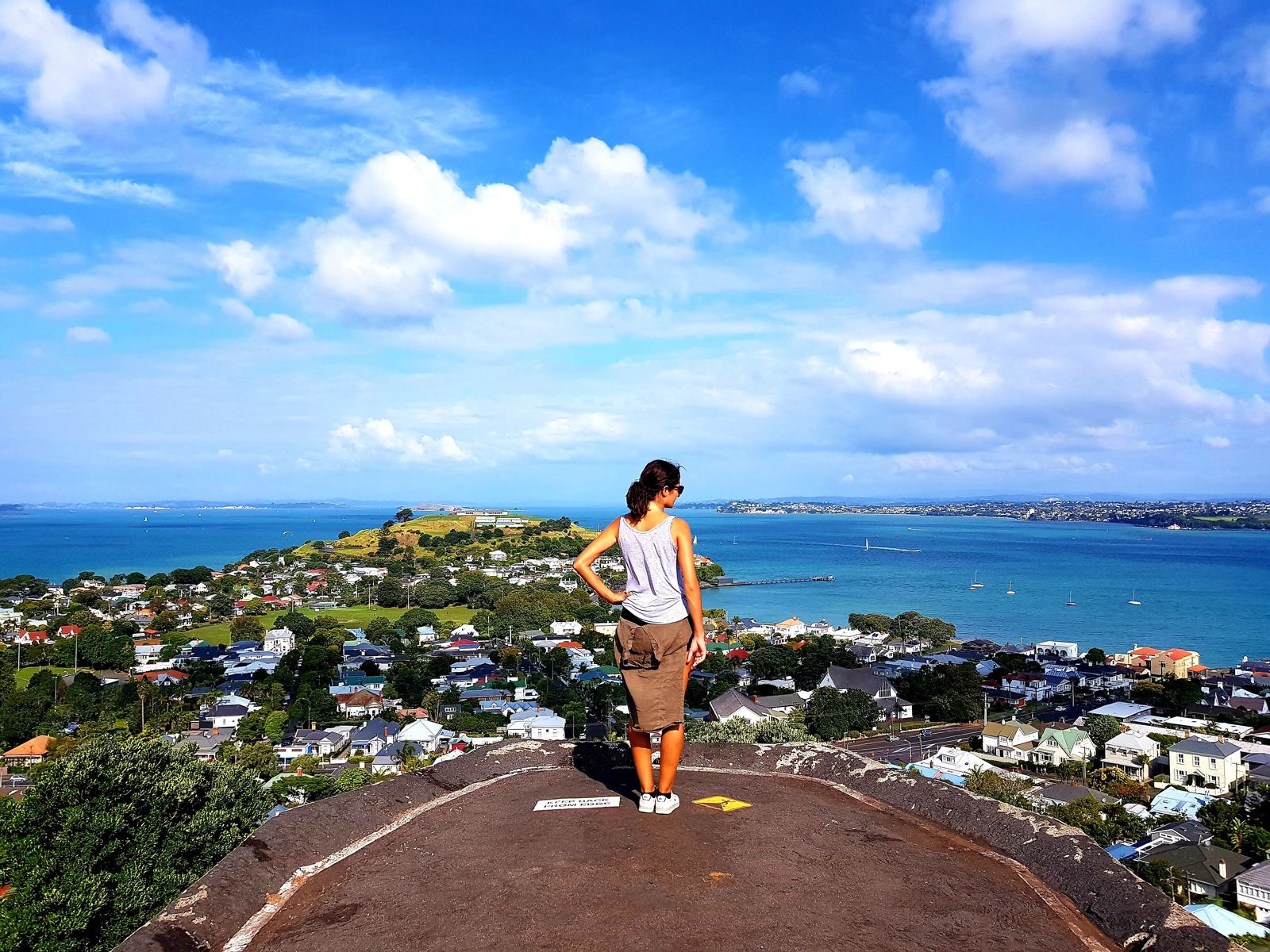
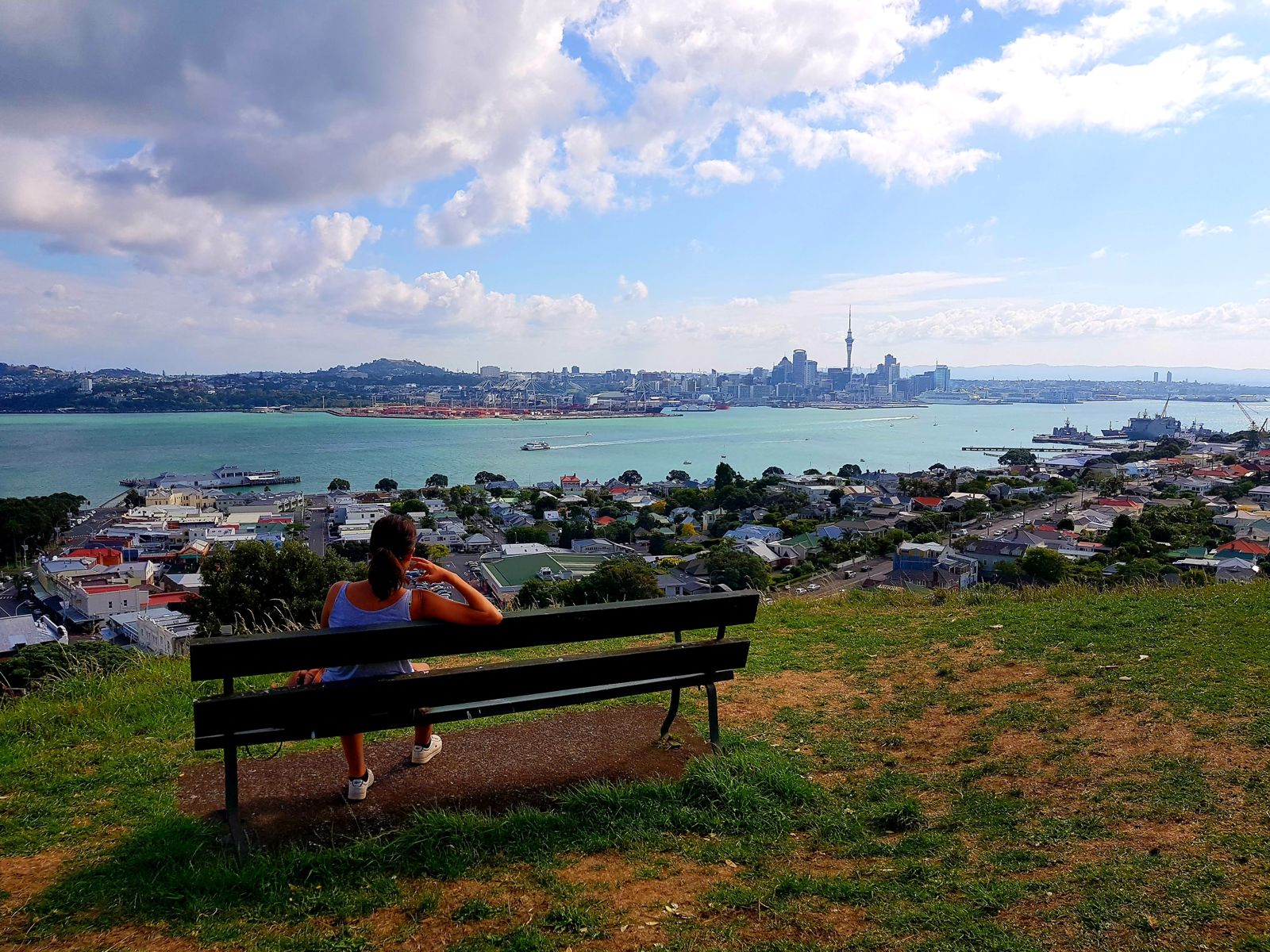
We hadn't come for the cities, but we didn't deny ourselves a visit to Auckland, New Zealand's biggest city, which many mistake for its capital. Coming from Europe, all the big cities of Oceania looked like big suburbs; the city centres weren't clearly defined and you quickly ended up in soulless housing estates. First we went to Mount Eden, a dormant volcano in the city with a huge crater. It offered a breathtaking view over the bay, revealing its shapes and contours. We then crossed the city on foot to have lunch with French friends living in Auckland.
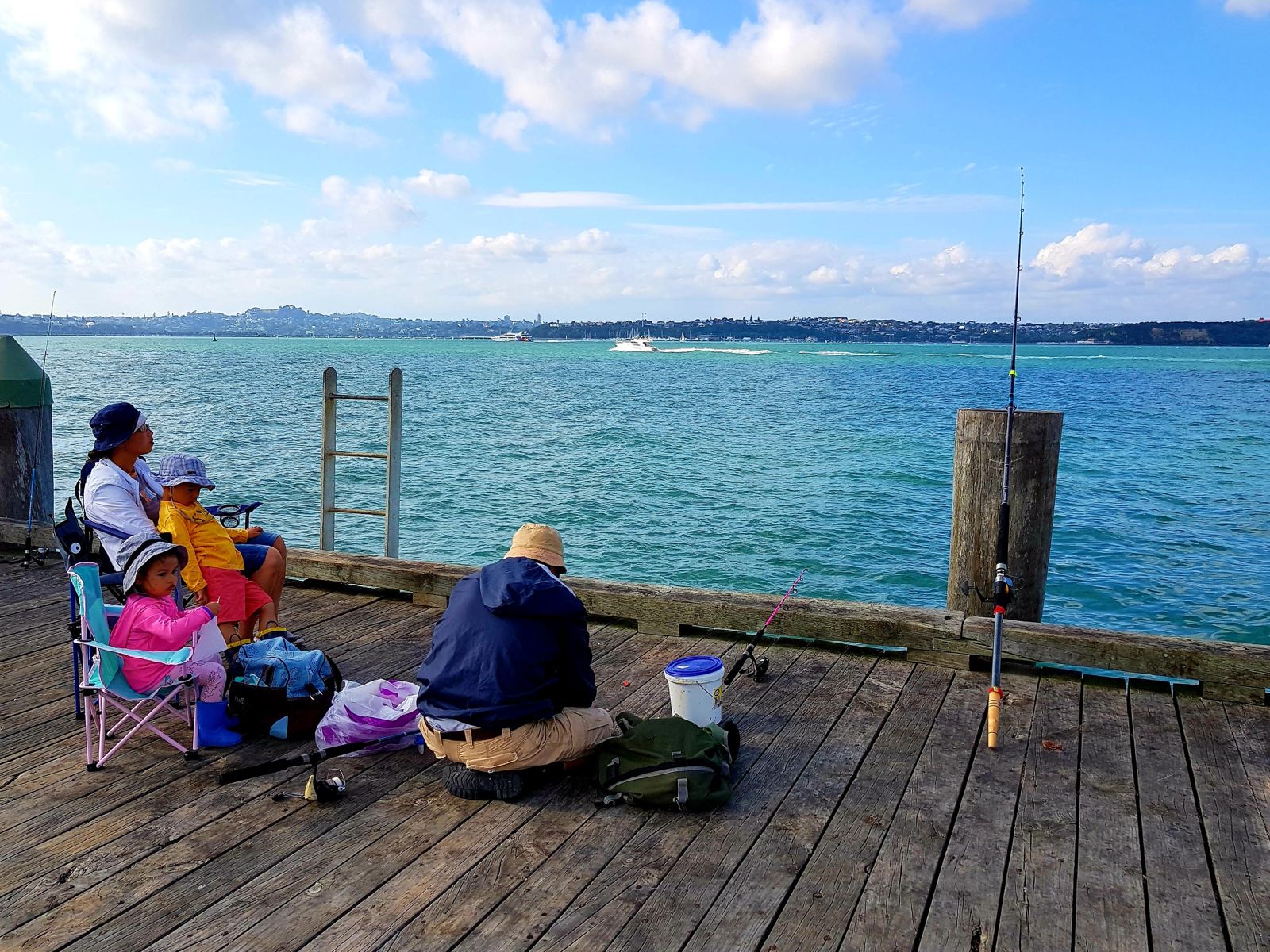
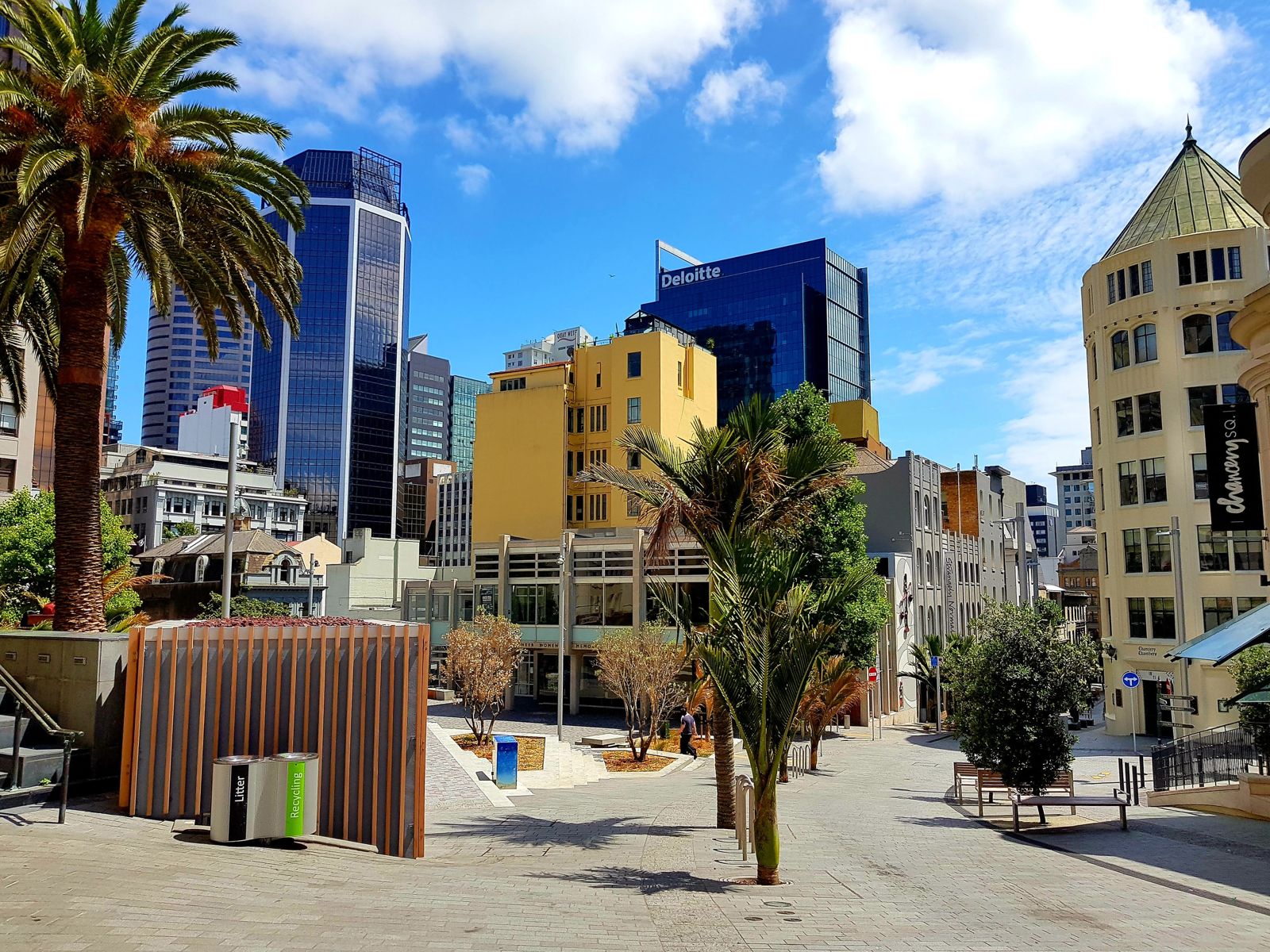
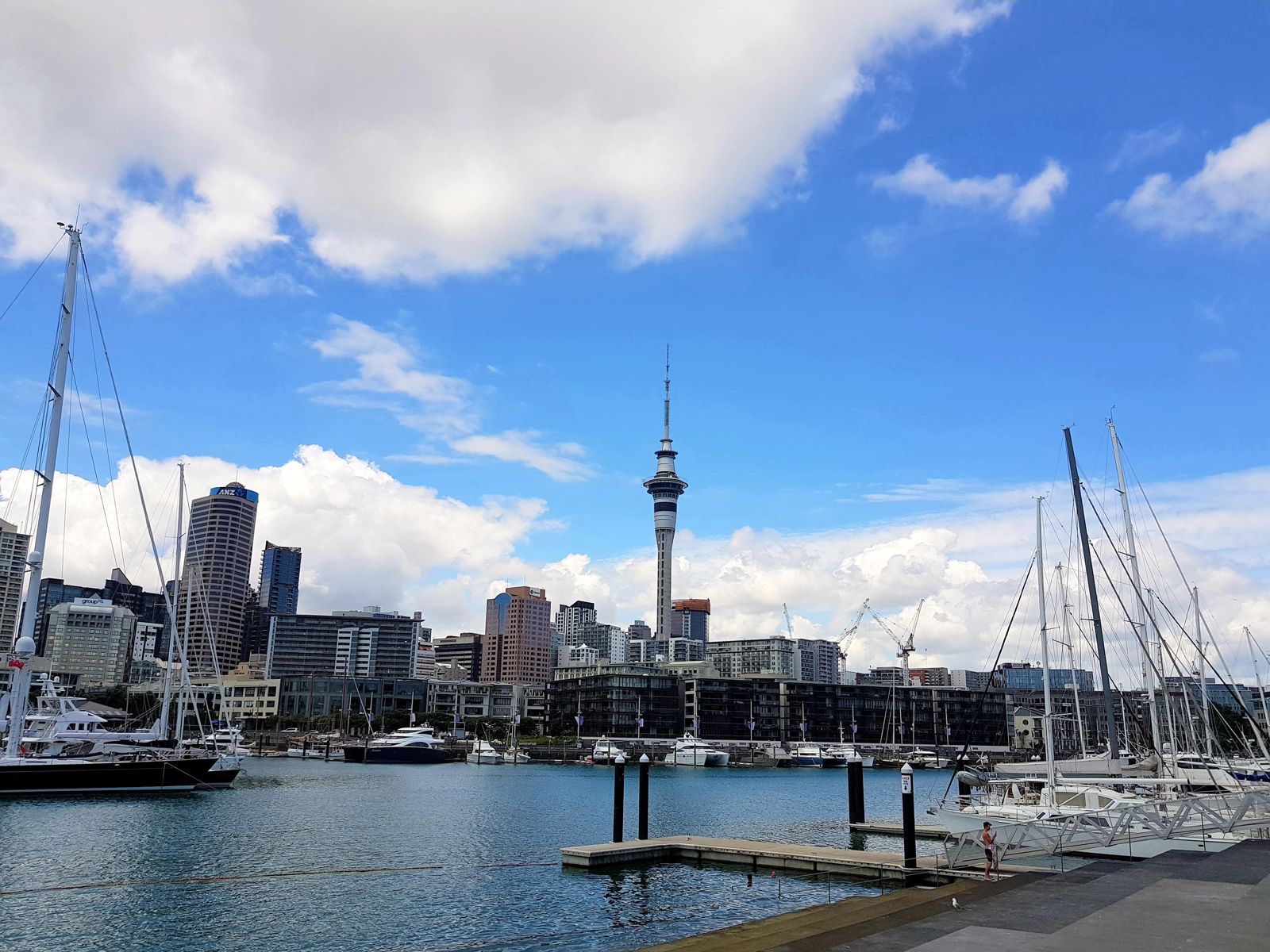
They gave us a few tips about New Zealand, including two precious ones: never trust Google Maps journey times, and watch out for stones flicked onto windscreens by trucks. We boarded a ferry to discover the other side of the harbour and mingle with locals on seaside promenades. On a jetty, Māori children were having fun jumping into the water under the benevolent gaze of Asian fishermen. We slowly made our way back by boat and then wandered through Auckland's shopping streets.
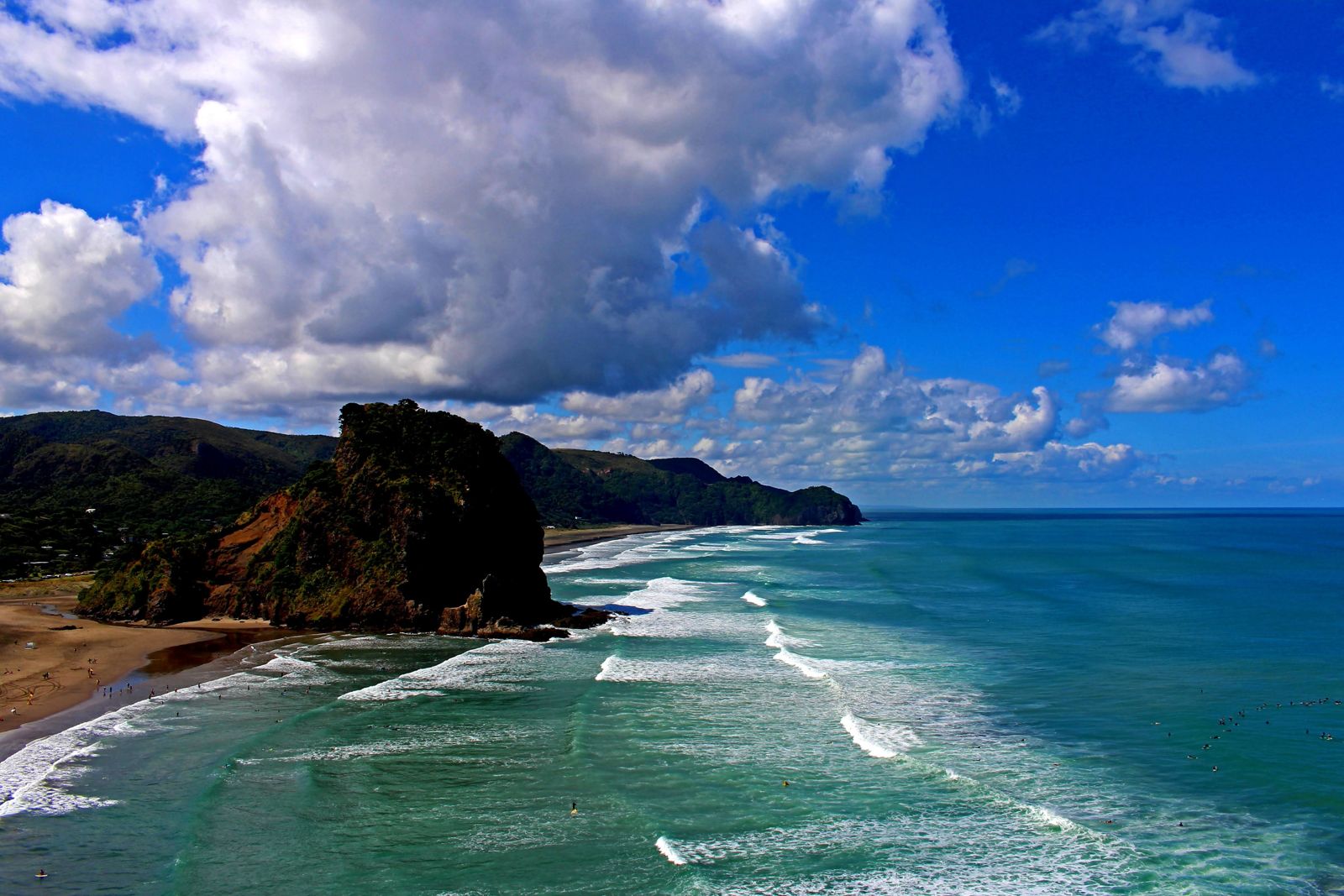
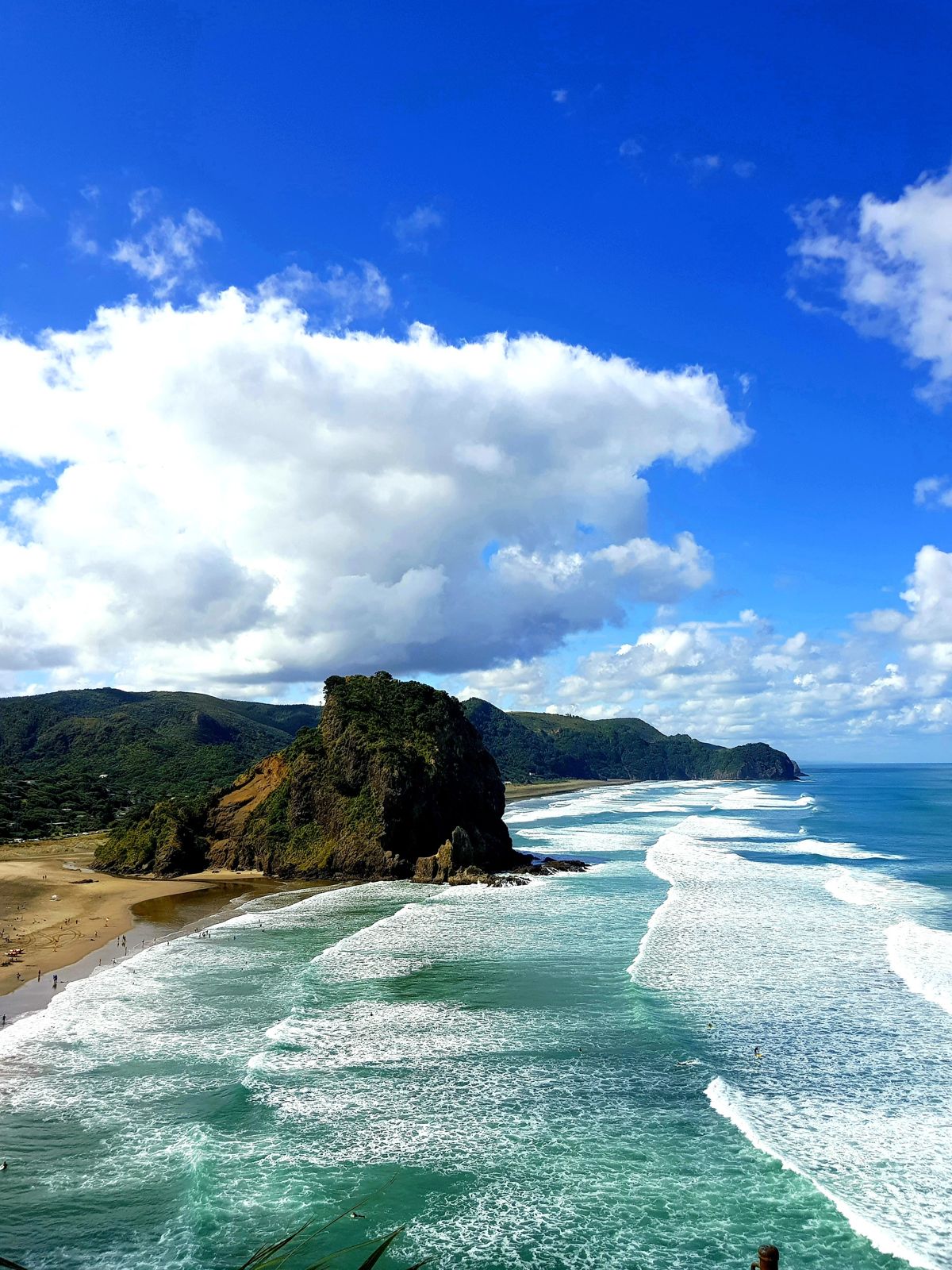
Our trip only really began on 14 February when we picked up the rental car. We went straight to one of the most iconic spots on the North Island's west coast, Piha Beach, the most popular beach in the country. A TV show called Piha Rescue even featured the local lifeguards, making them national stars. Admittedly, the beach had immense character, with Lion Rock rising out of the turquoise water, swamped by successive waves ridden tirelessly by surfers young and old. We walked for a long time with our feet in the wet sand, watching these people live a life so different from ours.
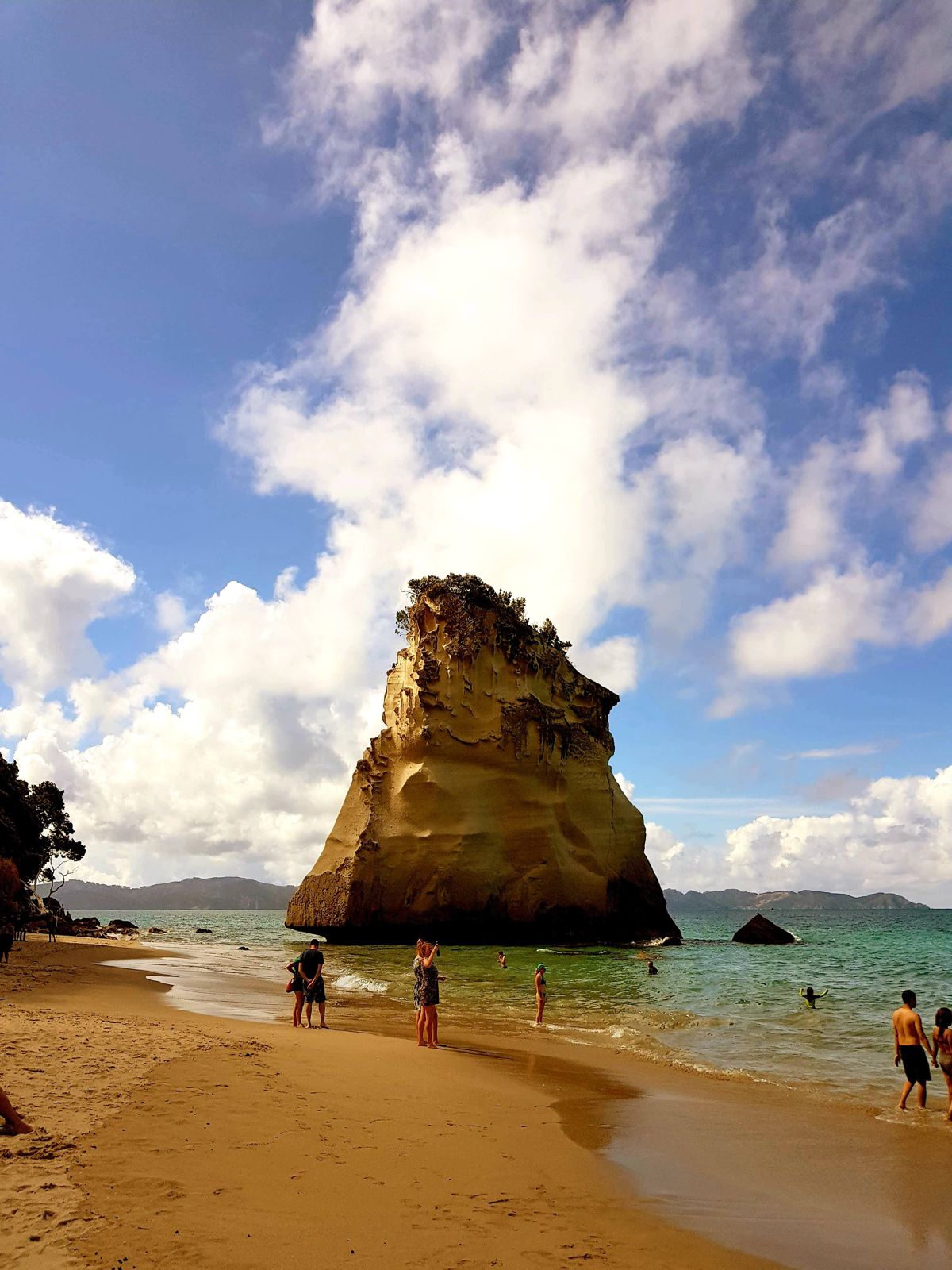
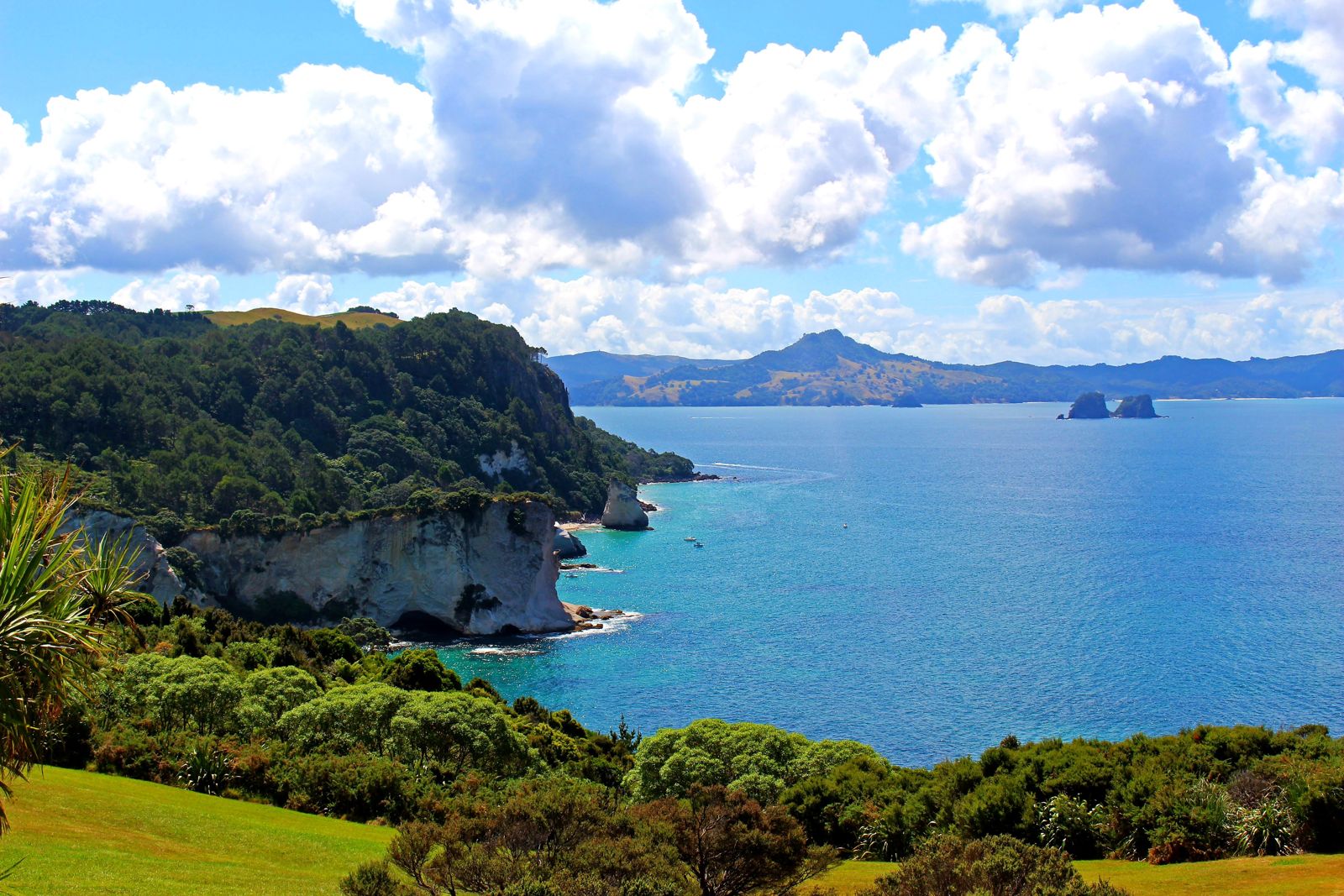
We got back in the car and headed for the east coast to do the hike to Cathedral Cove, a natural arch carved into the rock leading to a hidden beach. Scenes from The Chronicles of Narnia were filmed there, the ones where the children arrive in Narnia in the second film. The scenery was as grand as ever, the blue water and fine sand meeting the sheer cliff. We weren't in a hurry to walk back up the forty-five minutes, but we had to in order to get back to the car, and we arrived soaked in sweat. We bought a bottle of water and hopped on to our next stop.
Staying with the film theme, and after a good night's sleep in a homestay, we arrived at the filming location of The Lord of the Rings and The Hobbit. A huge tourist attraction, the site covered an enormous area and promised to immerse you completely in Tolkien's world. We got on our bus and it dropped us at the entrance to Hobbiton. In a group made up mostly of Chinese tourists, we skipped around the Shire. However, it wasn't quite the enchanted world we'd been promised, since another group of tourists was ten metres ahead of us and another was about to arrive behind us. The guide did an honourable job, answering every question precisely and seeming to know his subject inside out.
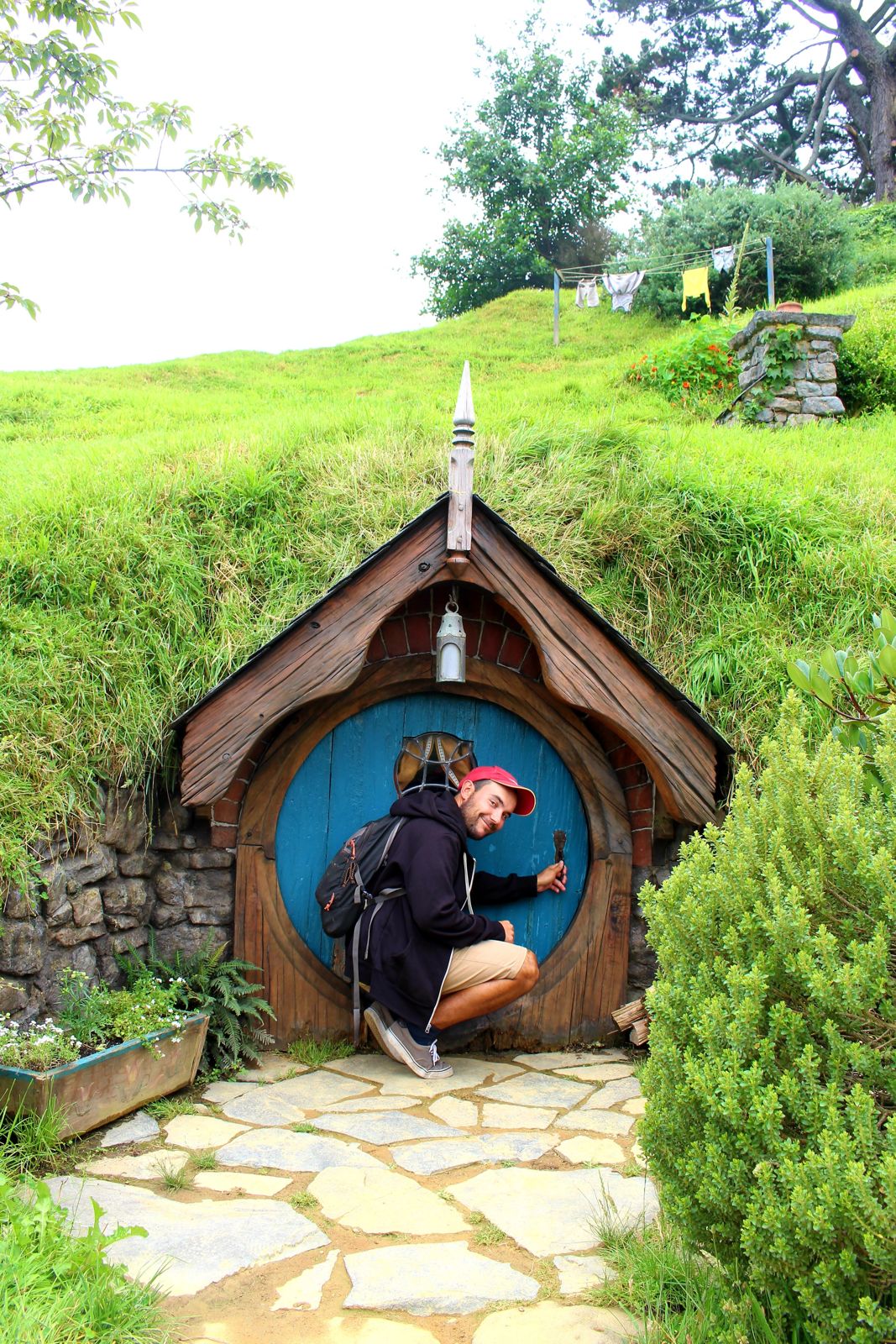
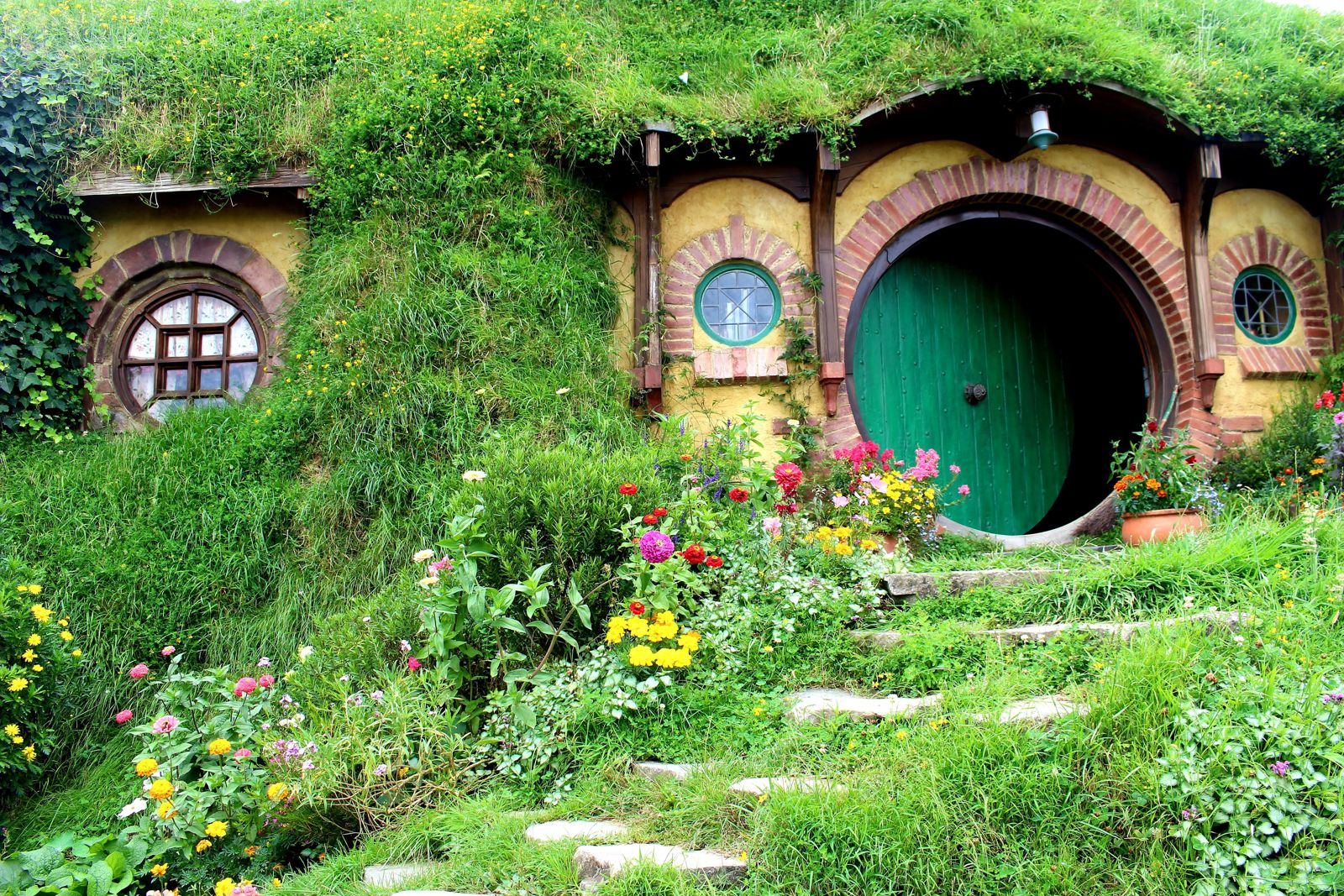
We admired the level of detail in the set, from the costumes to the fences, and learned that a huge team of gardeners worked to maintain the site. So sometimes we'd pass one of the typical little round houses and find a staff member on their knees trimming the grass or watering the flowers. We also had fun re-enacting legendary scenes in places we recognised, Bilbo's famous "I'm going on an adventure!" being the most obvious of all. The higher we went, the bigger the little houses became, because they were actually used during filming. The ones at the bottom of the hill were small because they were never in the foreground, and the difference in size didn't show in scenes shot from a distance. Soon Bilbo's and Sam's houses came into view and we could take photos.
They were of a decent size but, to our great disappointment, empty. All the village's interior scenes had been shot in the Wellington studios. All except those set in the Green Dragon, the village's pub. Our ticket included a free beer, so we drank it as we wandered around this legendary film location. In the background, a soundtrack played Celtic-tinged music that suited the scene perfectly, and despite the dense crowd of tourists the experience was still enjoyable.
To find a bit of calm, we drove to Mount Maunganui, a peak at the end of a peninsula. The hiking trail circled the hill on a gentle slope, but the climb was still hard and we arrived at the top sweating. The view was breathtaking, once again, with the ocean gently lapping the town in its tireless swell.